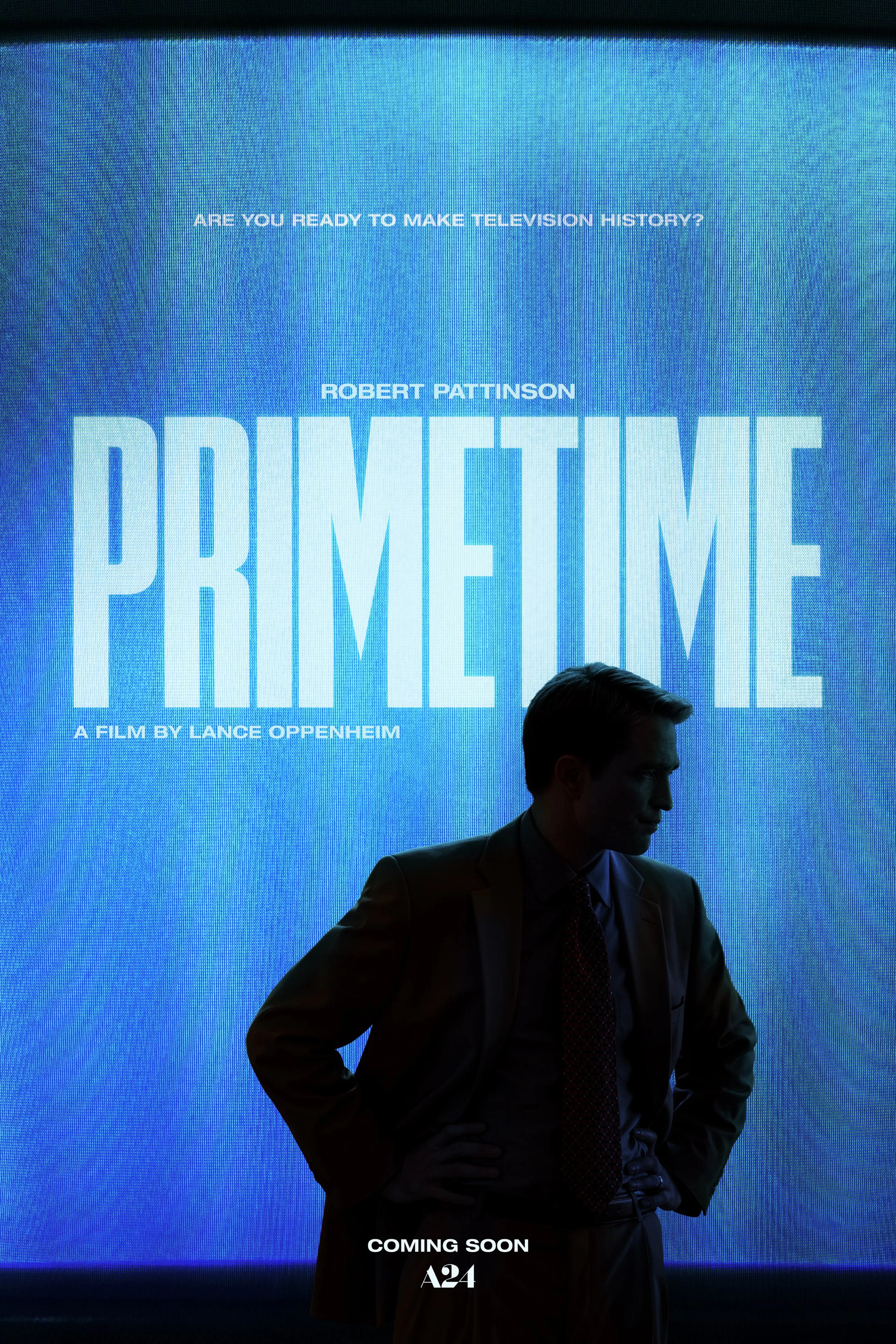

In Primetime, a TV crew prepares to confront men who believe they are meeting a child for sex. An adult actor pretends to be the child. Cameras record the encounter, and host Chris Hansen steps in to question the visitor. The finished program makes Hansen the person viewers remember. Lance Oppenheim’s film takes us behind those cameras, where other people have to arrange the encounter and live with the work afterward.
Robert Pattinson plays Hansen in this scripted drama about the television program To Catch a Predator. It is set in 2006, when a successful broadcast could turn its host into a celebrity. You do not need to have watched the show to follow the film. Primetime explains the TV job before showing how much its workers want to succeed at it. That makes the people behind the broadcast worth watching, even when their boss becomes exhausting.
Pattinson gets plenty of opportunities to be funny and frightening. But Skyler Gisondo, playing a young actor named Dan, gives the film its more interesting problem: what happens when a job that promises a career asks too much of you? We wanted more time with Dan and less time watching Hansen behave badly in slightly different ways. There is still a lot to recommend here, especially the performances and the uncomfortable humor. This review does not reveal the ending.
A TV host who knows people are watching
Hansen’s on-camera job has a built-in advantage. The people he confronts do not expect him to be there, while he has prepared for the meeting. Pattinson makes that difference uncomfortable. His Hansen can seem controlled because the visitor is surprised and frightened. He does not have to shout to take charge. The attention already belongs to him, and the cameras make sure the audience sees that.
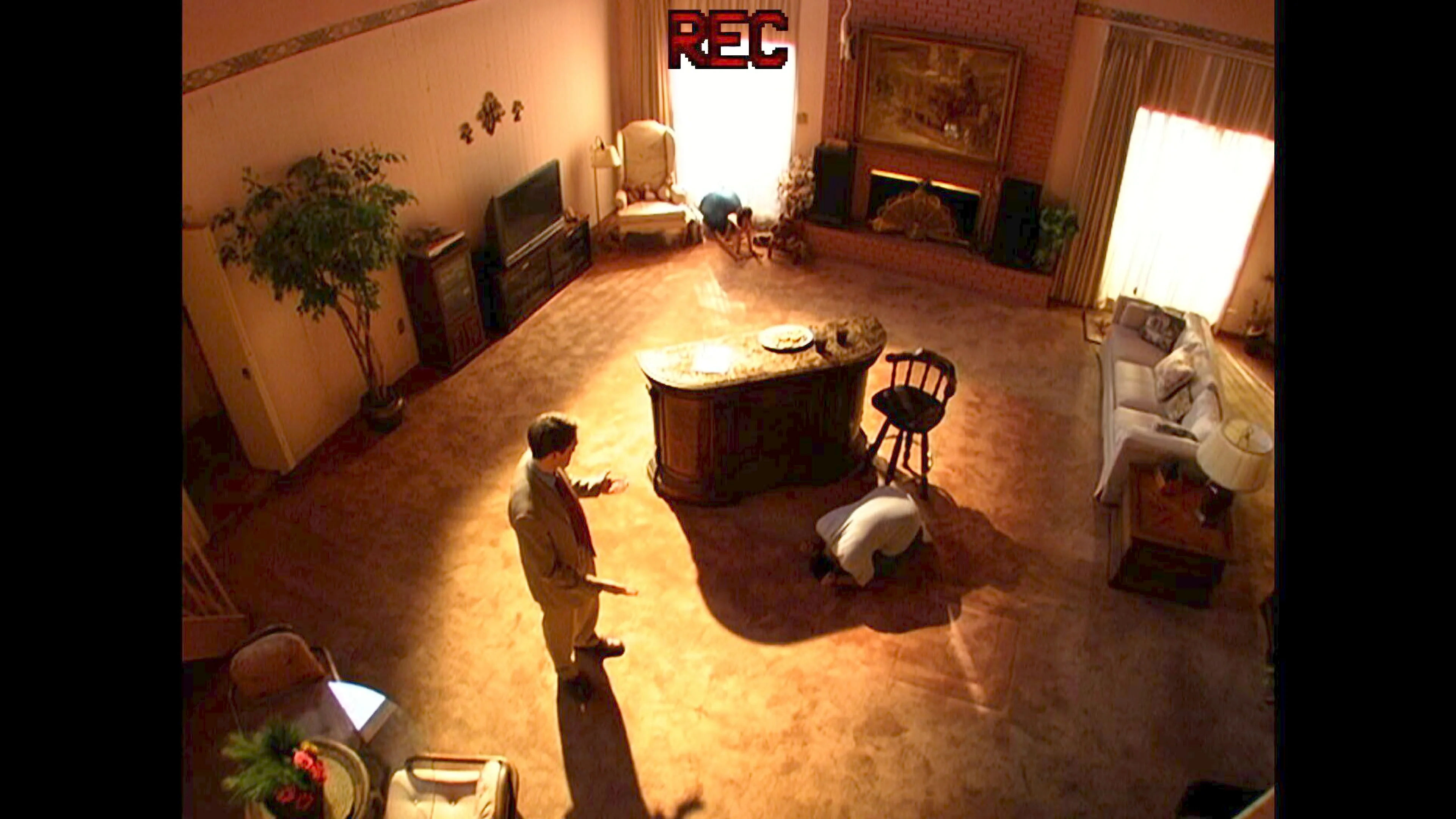
Pattinson also pushes the performance beyond a straightforward imitation. His expressions and movements can become deliberately awkward, with the polished television manner sitting beside behavior that looks much less controlled. He is fun to watch because the host’s confidence can become ridiculous so quickly. There is a risk to that approach. If you want a restrained portrait of a real broadcaster, the exaggeration may become irritating long before the film ends.
The comedy works best when the crew treats the production like an ordinary workplace. They have a broadcast to make and an audience to keep. The subject of that broadcast is anything but ordinary. Watching people discuss television success while doing this particular job is uncomfortable enough without a character stopping to explain the contradiction. The joke is not that the visitors’ intentions are harmless. It is that making the next show can become routine for the people recording them.
Merritt Wever plays producer Andie, whose interest in getting people to watch is more direct than Hansen’s public role suggests. She helps us understand how the program operates as entertainment as well as an investigation. Wever makes the pressure to deliver a successful show believable. Andie does not need to become a secret mastermind to be troubling. Her practical focus is enough to make us question what the production will accept in pursuit of a better broadcast.
That workplace perspective is more useful than simply asking whether we like Hansen. We do not have to like him to understand why colleagues follow his lead or why an inexperienced actor might want to join the production. There is status attached to being part of something people watch. Primetime is at its most interesting when that appeal and the unpleasant work are visible together. Success looks desirable without looking harmless.
The film is less effective when everyone becomes too broadly comic. Some of the police scenes, in particular, make the people involved seem so foolish that the situation becomes harder to take seriously. The funniest version of this story is not always the most believable one. A strange expression from Pattinson can tell us something about the host. A whole scene of exaggerated behavior can leave us noticing the joke more than the choices people are making.
Dan has more to lose than a television audience
Dan is an adult actor hired to pose as a minor during the encounters. He wants acting work and hopes this opportunity will help him establish a career. That gives him a reason to accept a job that might otherwise seem impossible to understand. Gisondo lets us see the attraction before showing the strain. Dan’s hope of becoming an actor makes his decision understandable without making the job seem safe.

His role also changes how we see the production. For Hansen, a confrontation is a chance to appear in front of the audience. For Dan, it requires taking part in an encounter with someone who believes he is a child. Those are very different experiences inside the same workplace. We can understand the difference without knowing the history of the television show. One person gets to arrive as the authority figure; another has to help create the situation first.
Gisondo is especially good at keeping Dan from becoming just an example in an argument. His ambition is recognizable, and so is the difficulty of admitting that an opportunity is not what he wanted. He gives us someone to worry about, not just someone to disapprove of. That matters in a film with so many unpleasant people. Concern for Dan makes the next decision interesting in a way that another display of Hansen’s vanity does not.
Phoebe Bridgers appears as Del, another decoy working with the crew. Her drier manner provides a useful contrast to Dan’s uncertainty. The two performances suggest different ways of handling the same environment, without turning their exchanges into instructions for the audience. Bridgers is a welcome part of the ensemble. Still, Gisondo is the person we most wanted the film to follow when it moved away from Hansen.
Primetime film images
3 screenshotsThat is the main frustration with the screenplay. It introduces workers whose experiences could complicate the story, then repeatedly returns to the host. Dan and Andie deserve more attention than the film gives them. This is not a request to remove Pattinson. His performance supplies much of the comedy. But the imbalance means some of the most interesting questions remain attached to characters who spend too much time supporting somebody else’s story.
The material about Hansen’s affair makes that imbalance more noticeable. It takes us away from the production to examine his private behavior. That can reveal hypocrisy, but it does not automatically tell us more about the treatment of people on the program. The film’s attention shifts without becoming equally interesting. We would rather spend that time on what Dan is being asked to do or on how Andie responds to the consequences of the show she helps make.
A private-life scandal is not a substitute for examining the work itself. Primetime sometimes treats one as if it strengthens its argument about the other. The connection needs more care than the film gives it. It is possible to find Hansen’s behavior unpleasant and still want a more detailed account of the production’s choices. Repeating that he is not the person he presents on television does not answer every question the story raises.
The old-TV look is more than a period detail
The images are often grainy, with strong colors and lighting that makes faces look strange. That is a deliberate part of the film’s style, not a problem with the print. Footage that resembles an old broadcast sits alongside scenes that feel closer to horror. Primetime makes the television production look unsettling rather than comfortably familiar. Even viewers who remember the original program are not simply being invited to enjoy its most recognizable moments again.
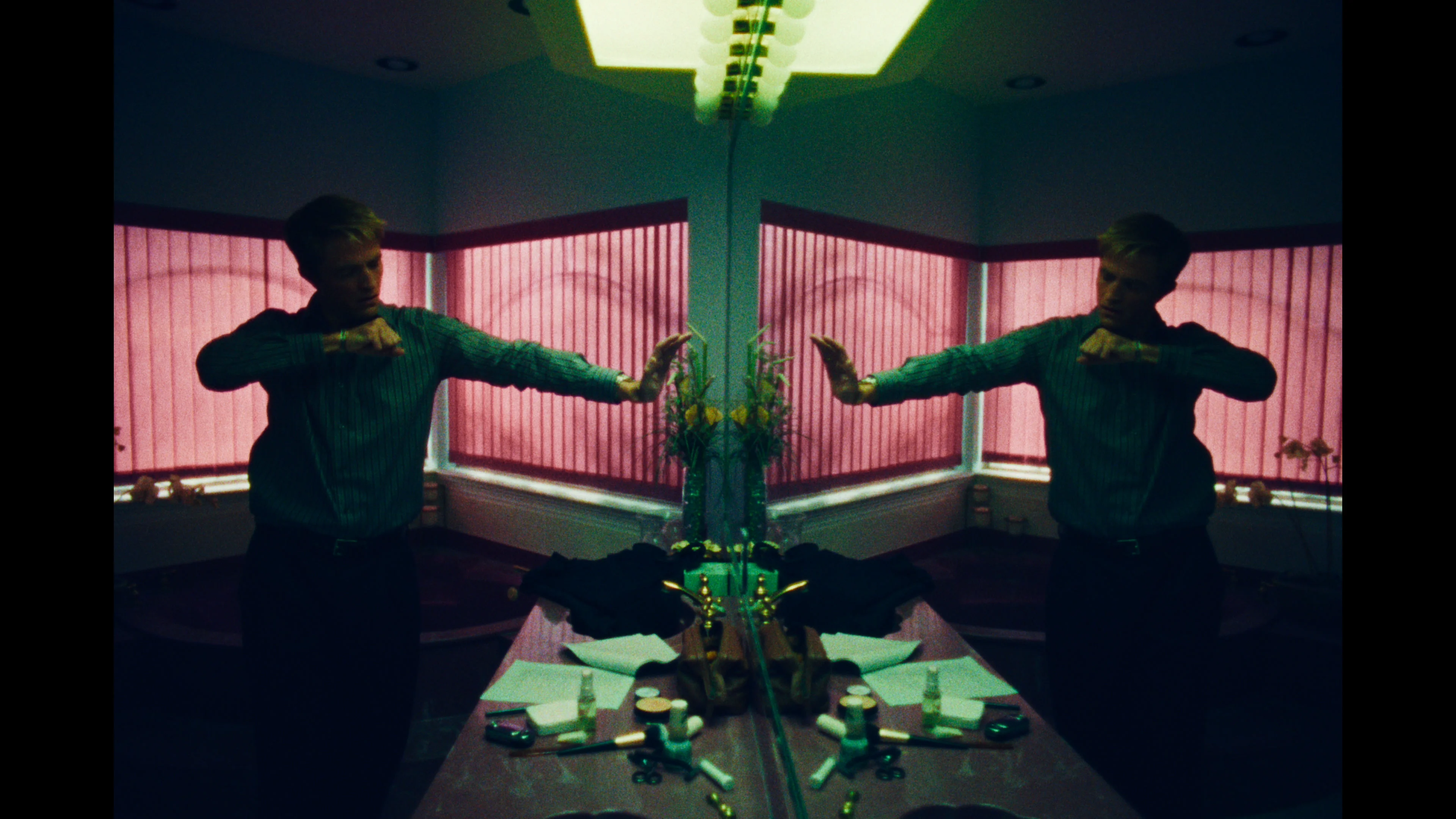
That approach suits the story. We are watching people create images for an audience, so the way an image looks is part of what they are selling. David Bolen’s photography gives the film a strong connection to the period without making everything look clean and attractive. The colored rooms and distorted-looking faces also fit a workplace where someone can perform confidence for a camera while behaving very differently away from it.
There are times when the heavy style does too much of the explaining. Ominous lighting can tell us that a situation is wrong before the writing has shown us much about it. More intensity is not always more insight. The performances work better when we can notice a choice, rather than simply be told by the image that someone is disturbing. The film has both kinds of scene, which is why its energy is easier to praise than its consistency.
It is also important to know what kind of film you are choosing. Primetime is a dramatization, not a documentary or a complete factual account of the real program. Its version of events is built around performances and exaggeration. Do not approach it as a reliable explanation of every real person’s actions. Expect disturbing discussions of sexual exploitation and an adult tone, even when the scenes are funny. This is not light crime entertainment.
A24 opens Primetime in US theaters on September 25. Pixel Twelve score: 7.5/10 — Good. Pattinson makes the host hard to ignore, while Gisondo gives us a more personal reason to care about what happens behind the cameras. Wever and the unusual photography make the production worth exploring too. The affair subplot, broad comedy and limited time with the supporting characters keep us from recommending it more strongly. Watch it for an uncomfortable drama about making television, not for a complete account of the show’s history.
Loading results