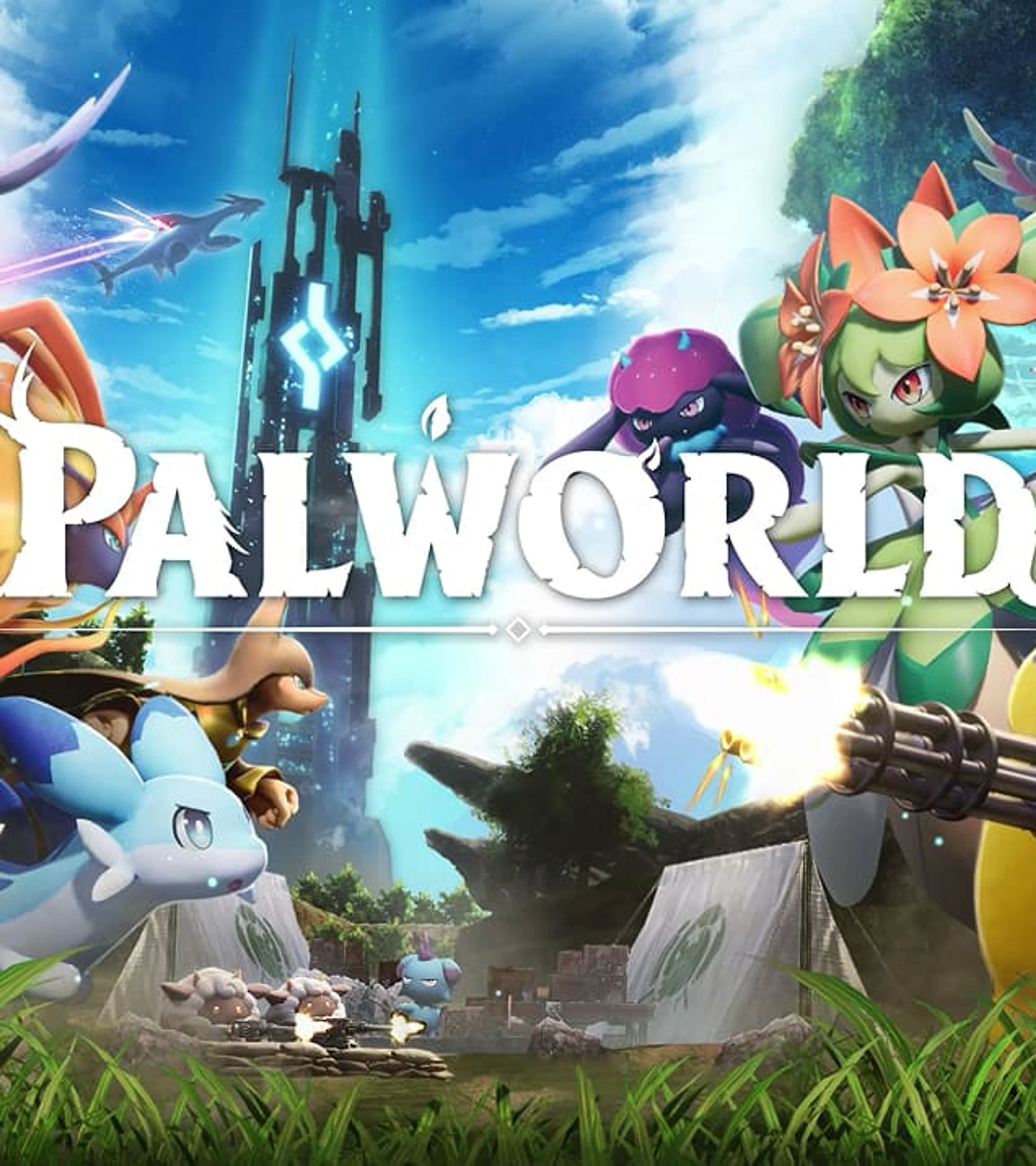
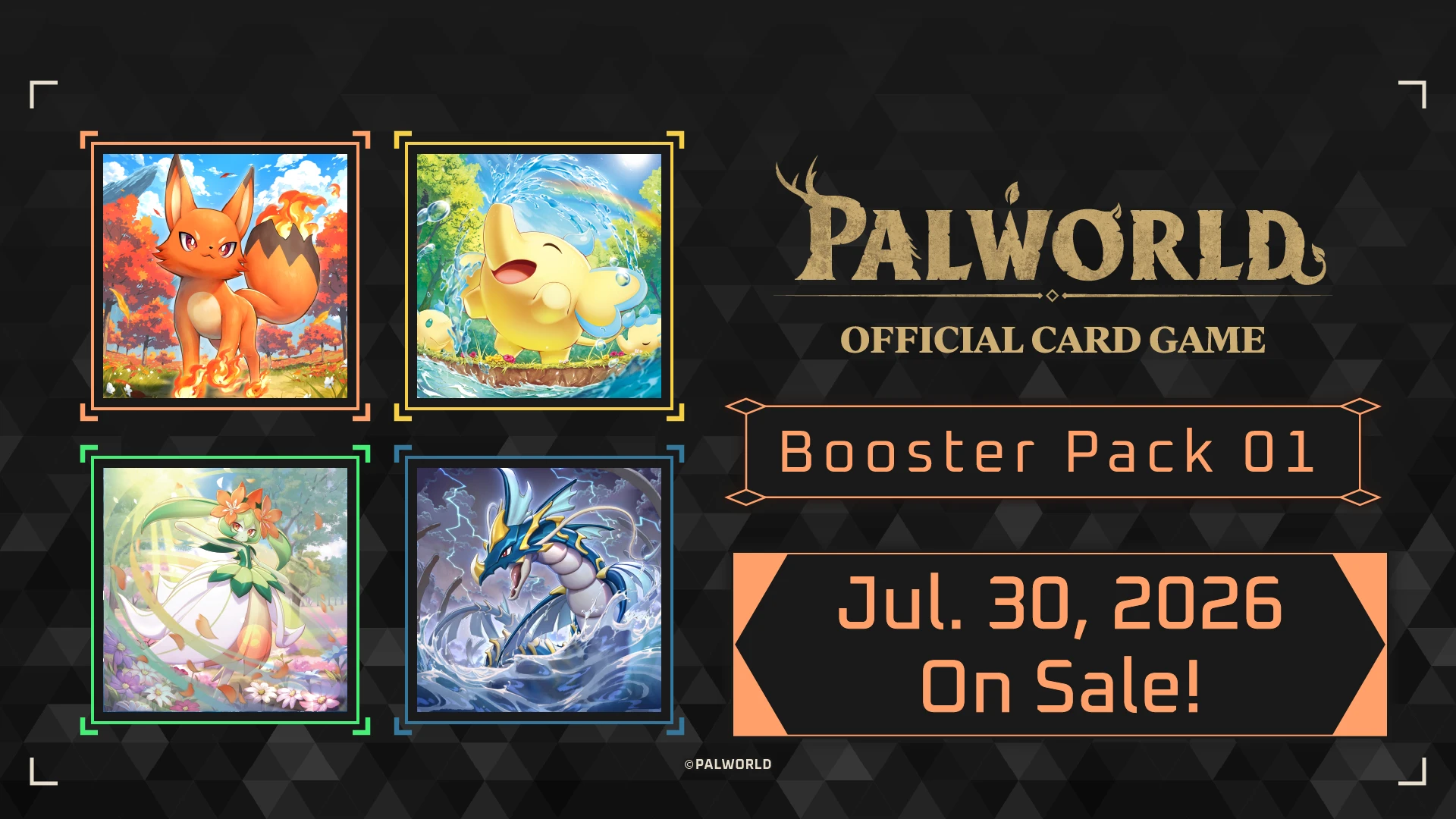
The Palworld Official Card Game has been available for only a few days, and some of its rare cards are already appearing online with four-figure prices.
The game launched on July 30 in English, Japanese, and Simplified Chinese. Pocketpair partnered with Bushiroad, the company behind card games such as Cardfight!! Vanguard, to turn Palworld's creatures into a competitive tabletop game. The first booster set, Dawn of Palpagos, contains 100 base cards and 61 parallel versions.
Demand was strong before release. Bushiroad said more than 3.5 million packs had been ordered ahead of launch. That figure refers to orders placed through the market, not 3.5 million individual players. It still helps explain why sealed boxes and rare cards became resale targets so quickly.
How High Did the Prices Go?
GamesRadar reported that early listings included a Cattiva Gold Soul card near $4,000, with later offers moving closer to $1,000. Other rare cards, including Jormuntide and Chillet versions, appeared around $1,300 and $1,400. Sealed cases were also listed far above normal retail prices, with some sellers asking about $1,800 and a larger master case appearing near $5,990.
Those numbers need context. An asking price is not the same as a completed sale, and the value of a new card can change quickly once more products reach stores. A card listed for $4,000 today may never sell for that amount. Early buyers are also working with limited information about pull rates, grading, future reprints, and how many copies are actually available.
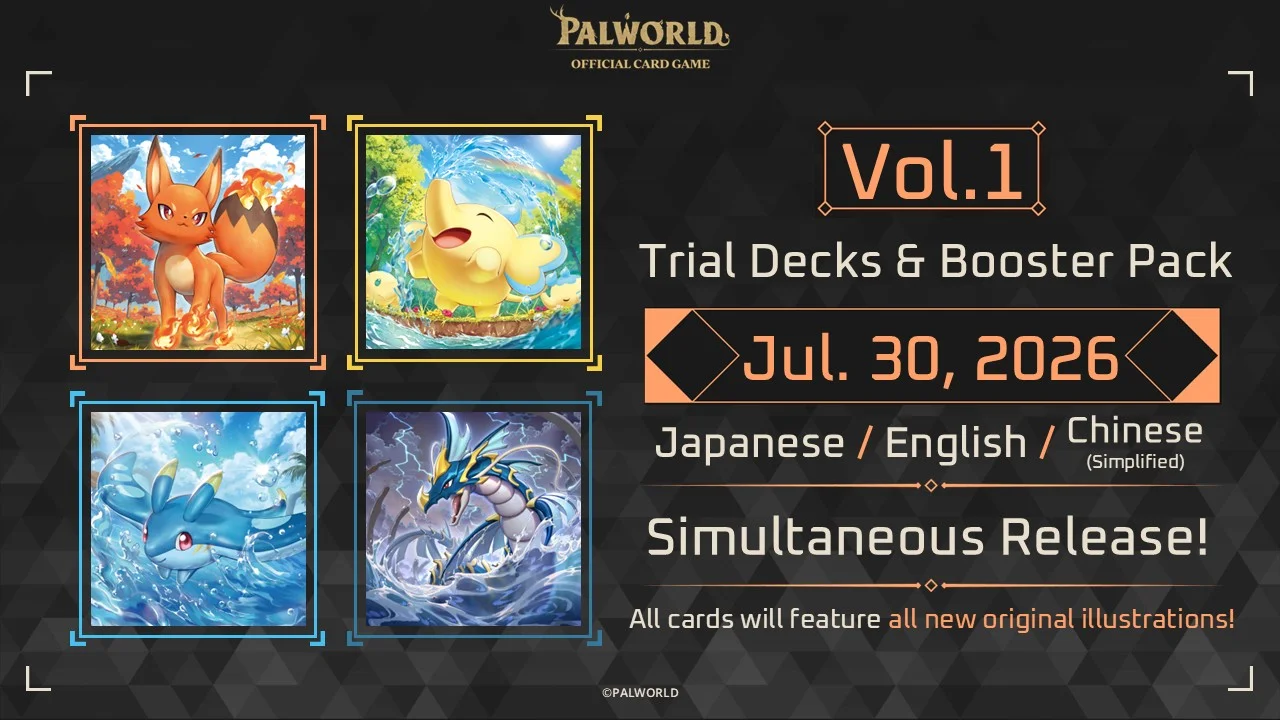
Official prices are easier to understand in Japan. A booster pack costs 440 yen, a box costs 5,280 yen, and a case costs 63,360 yen. Pocketpair and Bushiroad have not published one universal U.S. suggested retail price. American retailers have shown boxes around $45 and cases around $500, which makes the larger resale listings look even more extreme.
The first set uses seven-card packs, 12 packs per box, and 12 boxes per case. Players can also start with Red and Blue or Green and Purple trial decks. The official product page lists the set details and shows the original artwork created for the game.
The card game is designed for two players. Each side builds around Pals, resources, and actions instead of simply collecting the strongest creature. Trial decks are meant to give new players a complete starting point, while booster packs add more choices and rare artwork. If sealed products disappear into resale listings, people interested in learning the game may never reach the table.
Players Want Cards, Not an Investment Market
Collectors expect rare cards to cost more than common cards. The frustration begins when normal players cannot find packs at a reasonable price. Some fans have blamed scalpers for buying sealed products and relisting them immediately. Store price changes and social media complaints show that the problem feels real to buyers, but there is not enough public sales data to blame every shortage or expensive listing on resellers.
Card condition also changes the numbers. Fresh cards can later be graded by specialist companies, and a high grade may increase what a collector will pay. The current listings mostly arrived before the market had time to establish reliable graded values. Comparing an ungraded launch-week card with a proven rare card from an older game can make the Palworld prices look more certain than they are.
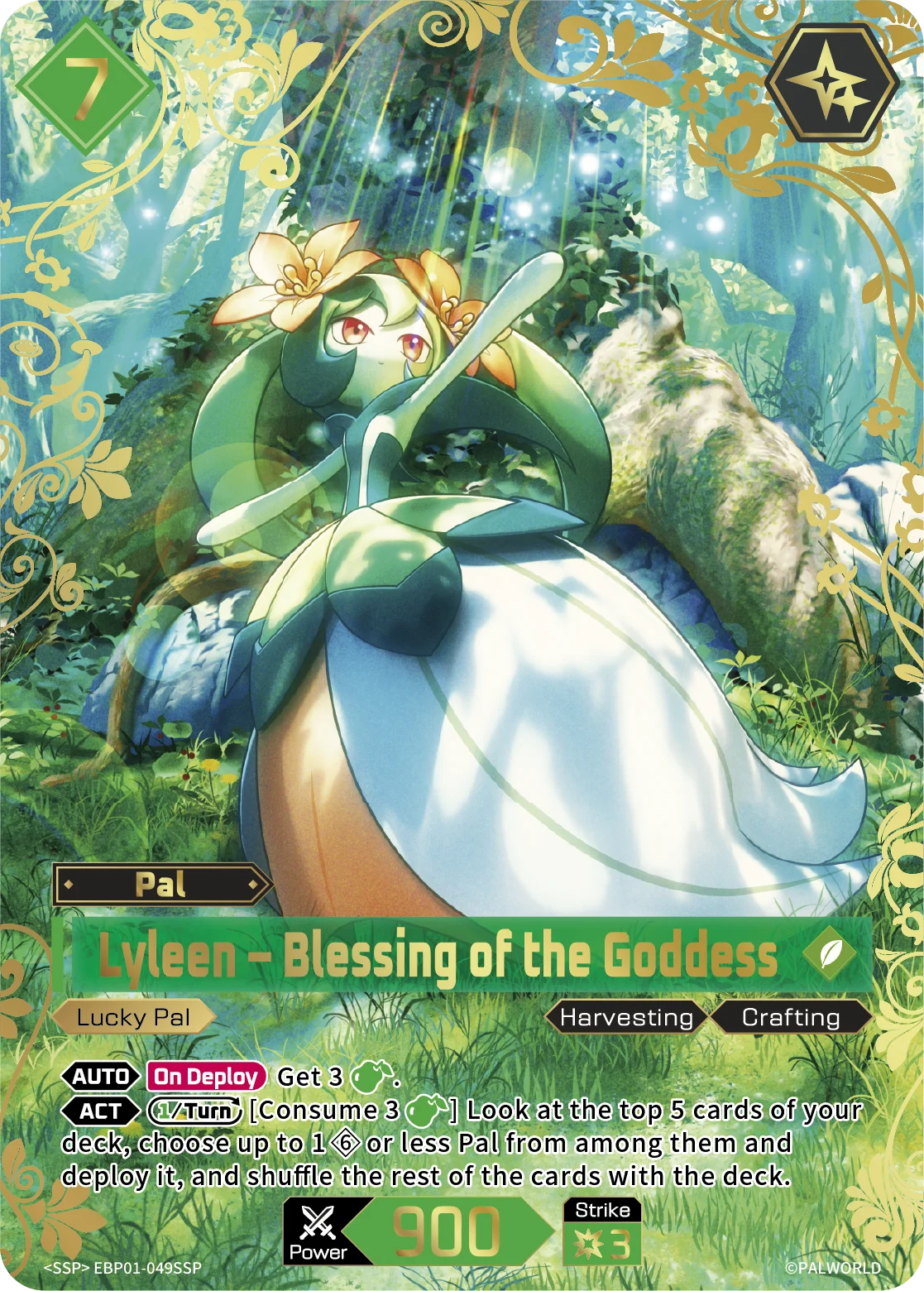
Palworld is also entering a card market where expensive chase cards receive more attention than the game itself. A headline about a $4,000 card can bring new collectors in, but it can also convince regular Palworld fans that the hobby is already too expensive. Bushiroad needs enough stock in stores so people can learn the rules, build decks, and play without treating every pack like a lottery ticket.
The card game has a good base for that. Palworld already has a large group of creatures, clear elemental types, and players who enjoy collecting Pals in the video game. Anyone returning to the main game can also use Pixel Twelve's Palworld 1.0 guide hub for survival, breeding, bosses, and progression help.
The resale market will probably remain unstable until more boxes are opened and restocks become easier to find. Rare cards may hold serious value, but the first week is a poor time to decide what any card is truly worth. Players who want to build a deck should compare stores, avoid panic buying, and wait for confirmed sales instead of trusting the highest listing on the screen.