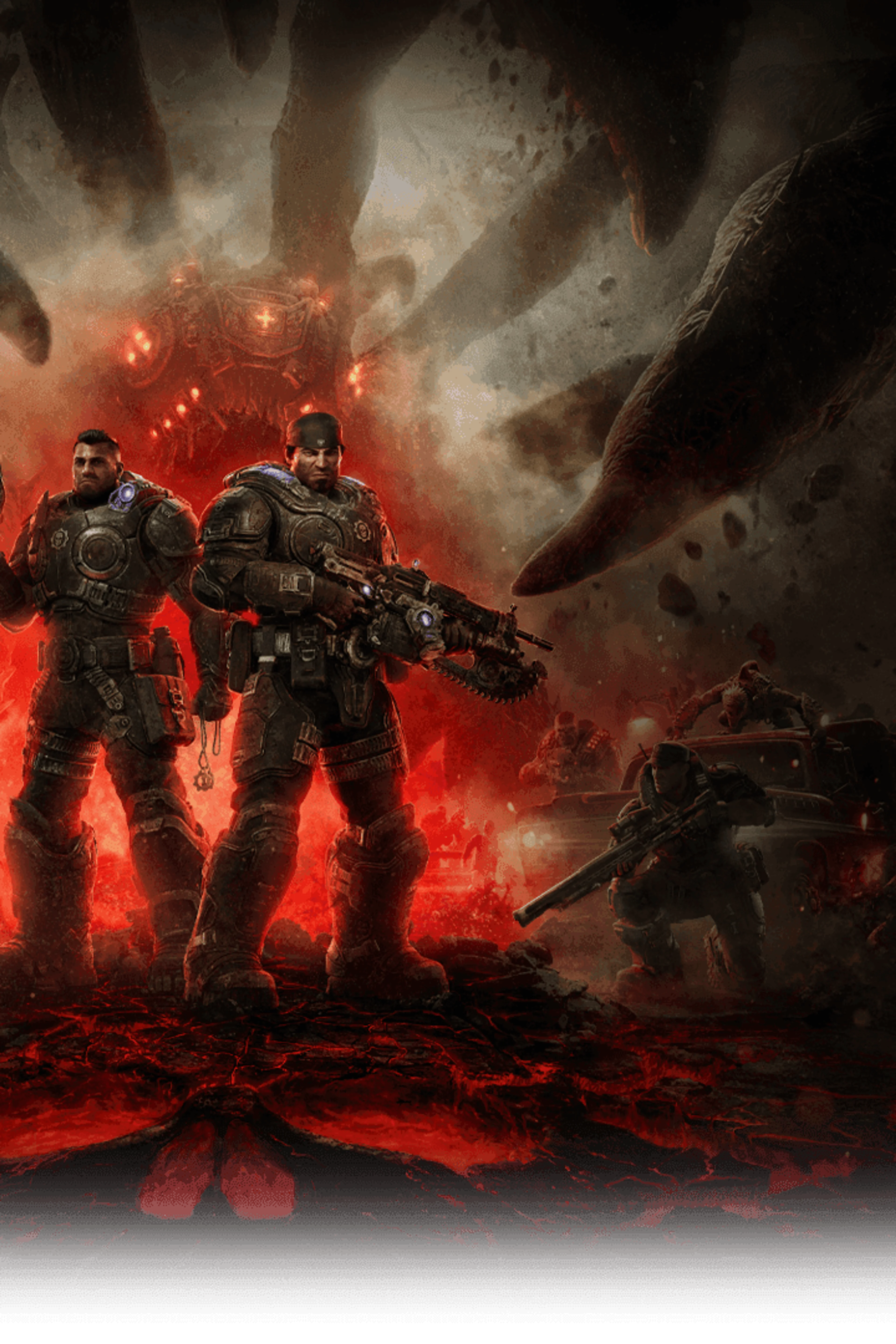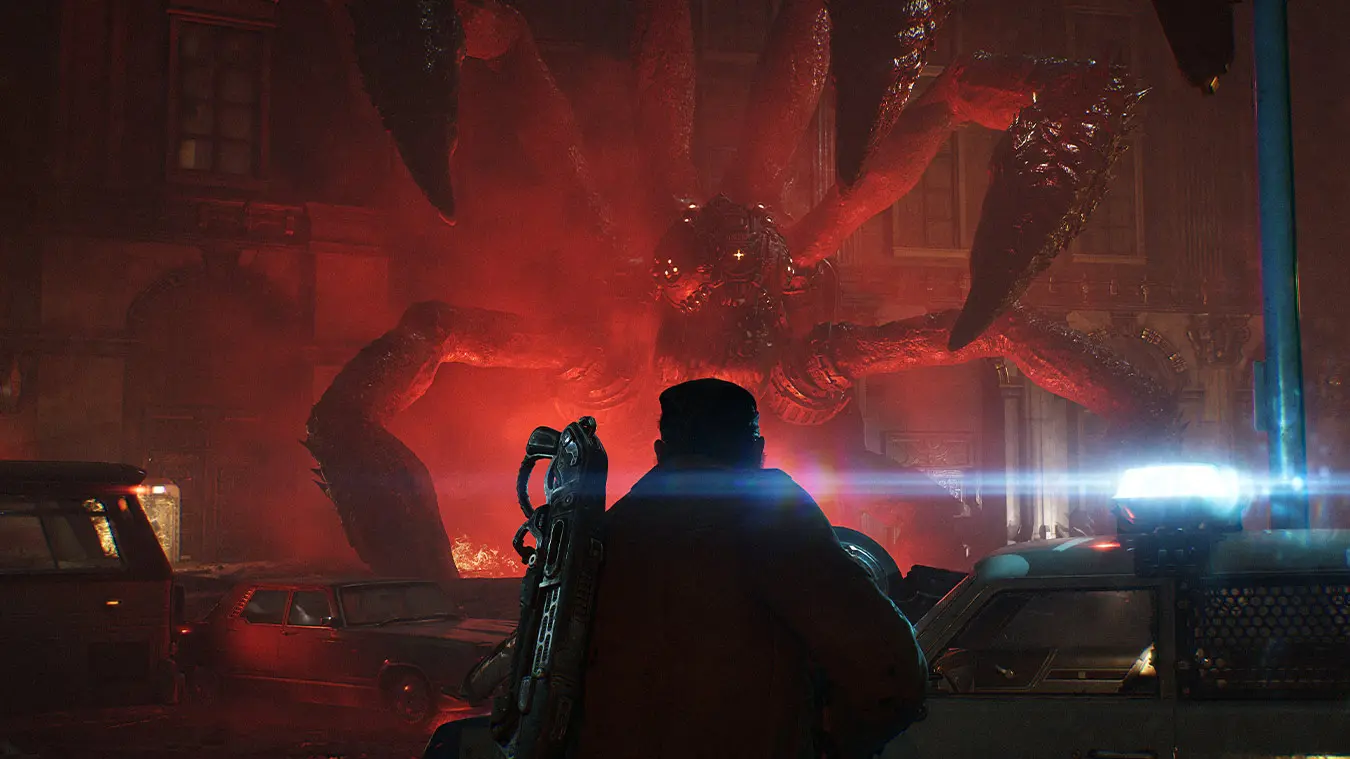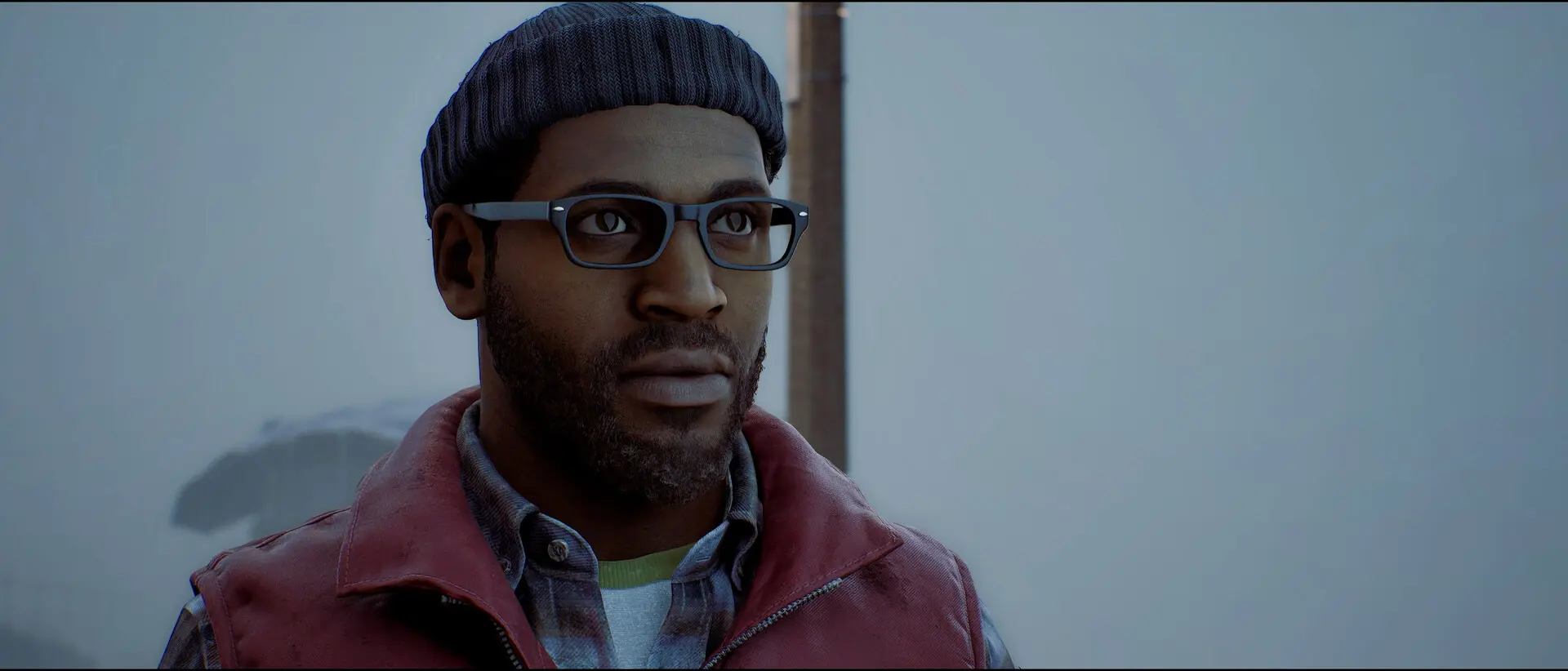
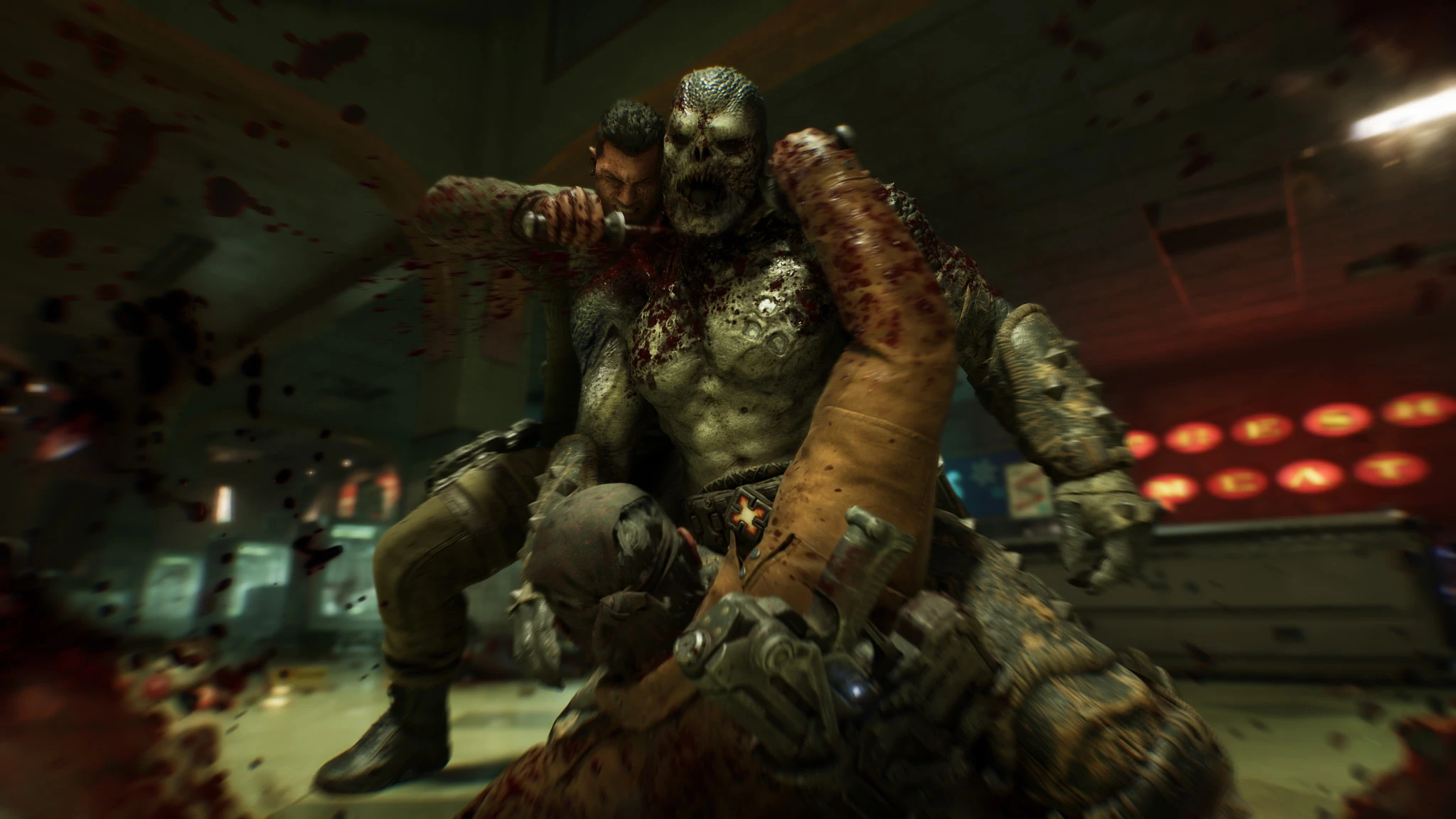
Marcus Fenix and Dominic Santiago are in a bar when the ground begins to shake. They have survived a war between humans, and peace should finally mean a chance to stop fighting. Instead, creatures burst out beneath Kalona's streets. People run, cars become obstacles, and the soldiers have to work out what they are shooting at while trying to stay alive. E-Day's opening makes the invasion frightening because nobody is ready for it.
Gears of War: E-Day is a third-person shooter: you see your soldier from behind, aim at enemies and move between walls, cars and rubble to avoid their gunfire. Its story happens fourteen years before the first Gears of War, so you do not need to play the earlier games to understand the attack. The campaign can be played alone, with up to four people online, or with two people sharing a screen on Xbox. PC does not get that split-screen option.
This review covers the campaign and the multiplayer available during Premium Edition early access, which began October 1. The regular release is October 6, 2026. Ranked multiplayer does not open until October 13, so this is not a verdict on that competitive season or on servers handling the full launch population. We keep the ending out of the discussion, but describe early scenes and recurring mission tasks.
Credits
The Coalition / Xbox Game Studios (official screenshots and gameplay).Who’s who—and who you control
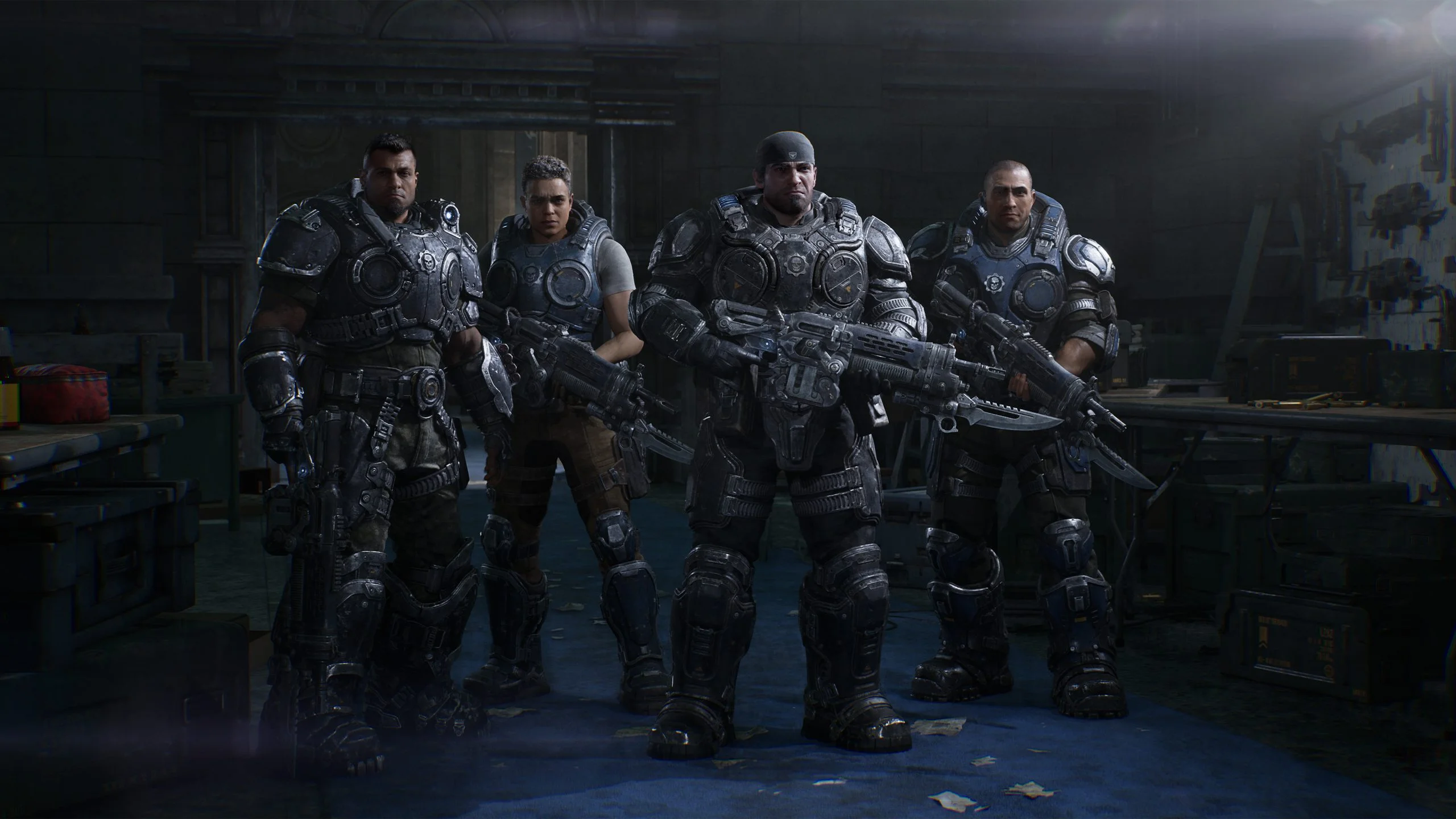
Marcus Fenix is a soldier who knows how to fight other soldiers, not this new underground army. He is the central character associated with the original Gears games, but here those later battles have not happened yet.
Dominic 'Dom' Santiago is Marcus's friend and fellow veteran. His brother Carlos has recently died, and Dom worries about his wife Maria and their children as news of the invasion spreads.
Mags Carter is an experienced former soldier who knows Kalona and works at its refinery. She joins the fighting alongside Marcus and Dom rather than watching her city fall without helping.
Lucas Reyes is the inexperienced member of their four-person Bravo Squad. In an online campaign, players can control the squad's different characters. When fewer people are playing, computer-controlled teammates fill the remaining roles. The Locust are the armed creatures invading from underground; the COG is the human military the squad fights alongside.
Kalona's first hours are more convincing than its repeated missions
The early trip to the police station shows why an ordinary Locust soldier is dangerous. A creature called a Drone is not just a target standing down a street: its arrival in an interrogation room puts a person in a confined space with something much stronger. Outside, smaller creatures attack fleeing civilians. The squad wants to find people and get through the city, but places that should provide shelter are no longer safe. The first encounters work before you know the enemies' names or weaknesses.
At City Hall, the squad has to give its details and name someone to contact if a soldier dies. Dom names Maria and asks about Ephyra, where his family lives; Mags and Lucas do not name a next of kin. That small administrative task explains more than another speech about courage would. Dom wants information about real people, while his new teammates cannot offer the same family contact. We wanted more scenes that let them talk this plainly between orders.
Marcus and Dom also share a recent loss: Carlos was Dom's brother and Marcus's best friend. However, their grief is discussed less often than their next military objective. Moving between emergencies leaves little time for the two friends to explain what has happened between them. Knowing their later friendship makes that omission more noticeable; a newcomer can still follow the rescue story.
Shops still have stock on the shelves, and televisions carry emergency messages while soldiers and civilians become trapped outside. Kalona looks occupied before the attack, not abandoned for years. That makes its destruction more upsetting: these people were shopping or going to work, not waiting for a battle.
The problem comes when the squad keeps returning to places it has already fought through. The large bridge is visited three times, with another journey to its control room to raise or lower it. A fresh group of enemies can make an individual fight enjoyable, but the route and task are familiar by the third visit. We are ready for the story to move elsewhere, not for another explanation of why this crossing needs attention.
Other chapters give you a district to explore rather than one narrow route. You can follow the main mission, help another squad or look for equipment. These are separate stretches of city, not one enormous world you can travel through freely. Helping people suits the rescue story, but repeated walks between shooting tasks make later sections less urgent than the early escape.
There is also a difference between discovering something and being directed to it. Cases containing upgrades trigger a large on-screen notice when you get close; a scan can reveal the case through a wall. Finding upgrades is easy, but searching loses some of its interest when the game points out the answer. That guidance helps players who do not want to search every room. It also encourages detours at moments when the squad is supposedly rushing to its next emergency.
Shooting is better when you keep changing position
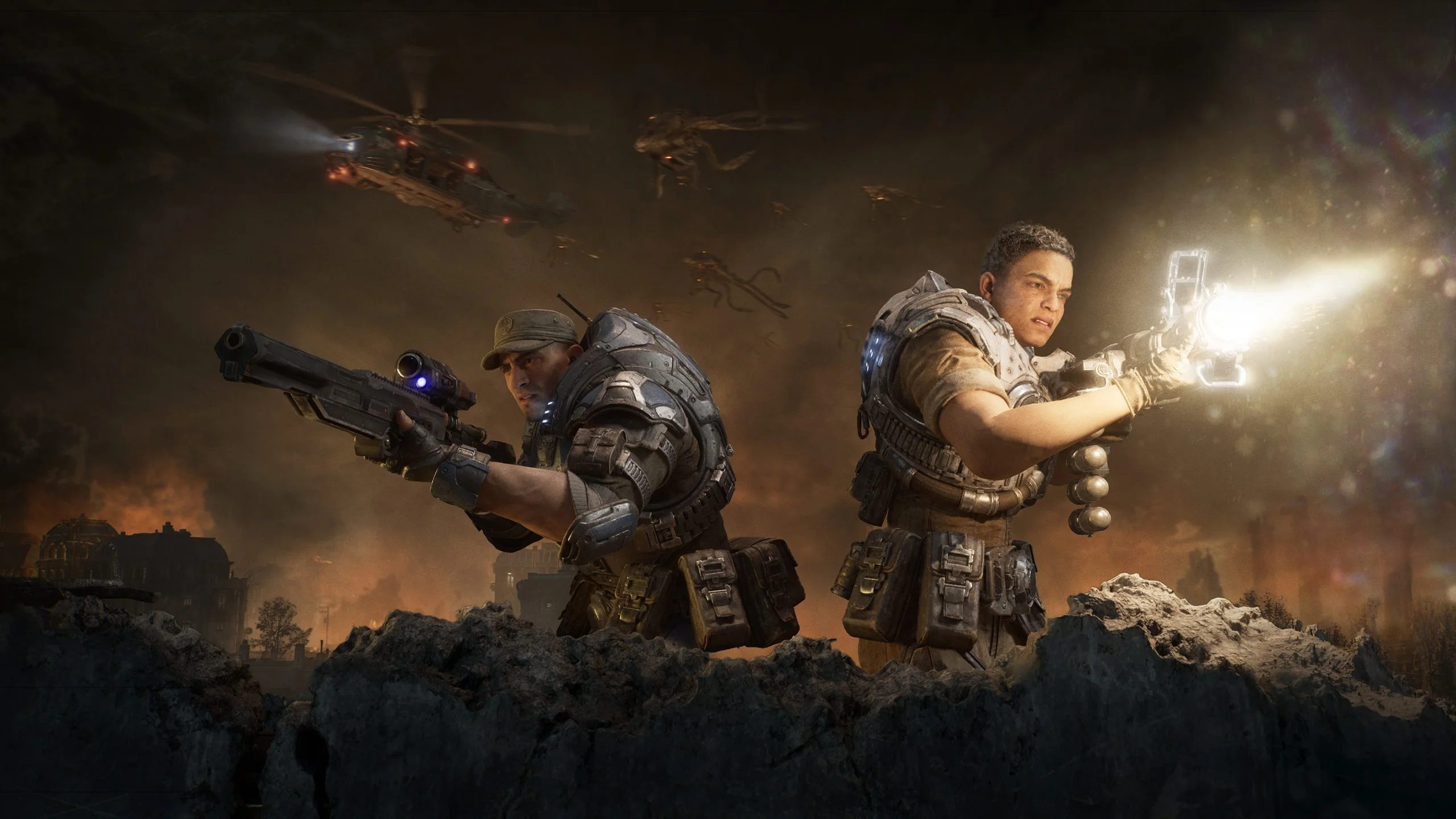
In a typical fight, you crouch behind something solid, look for a safe opening, fire and duck back down. The decision is not simply whether to shoot. You have to decide whether your current position is still useful. An enemy moving around the side can reach you; another firing from farther away can stop you from crossing the street. Cover protects you temporarily, not for the whole fight.
E-Day makes leaving that position easier. You can sprint, slide toward another wall, jump a gap and climb onto a ledge without first sticking yourself to the object. Even a damaged barricade can leave a lower part to hide behind, with your soldier lying down to use it. The result is more choice about where to fight from. Sliding is useful when it gets you to protection or past an exposed corner; doing it without checking the next position still gets you shot.
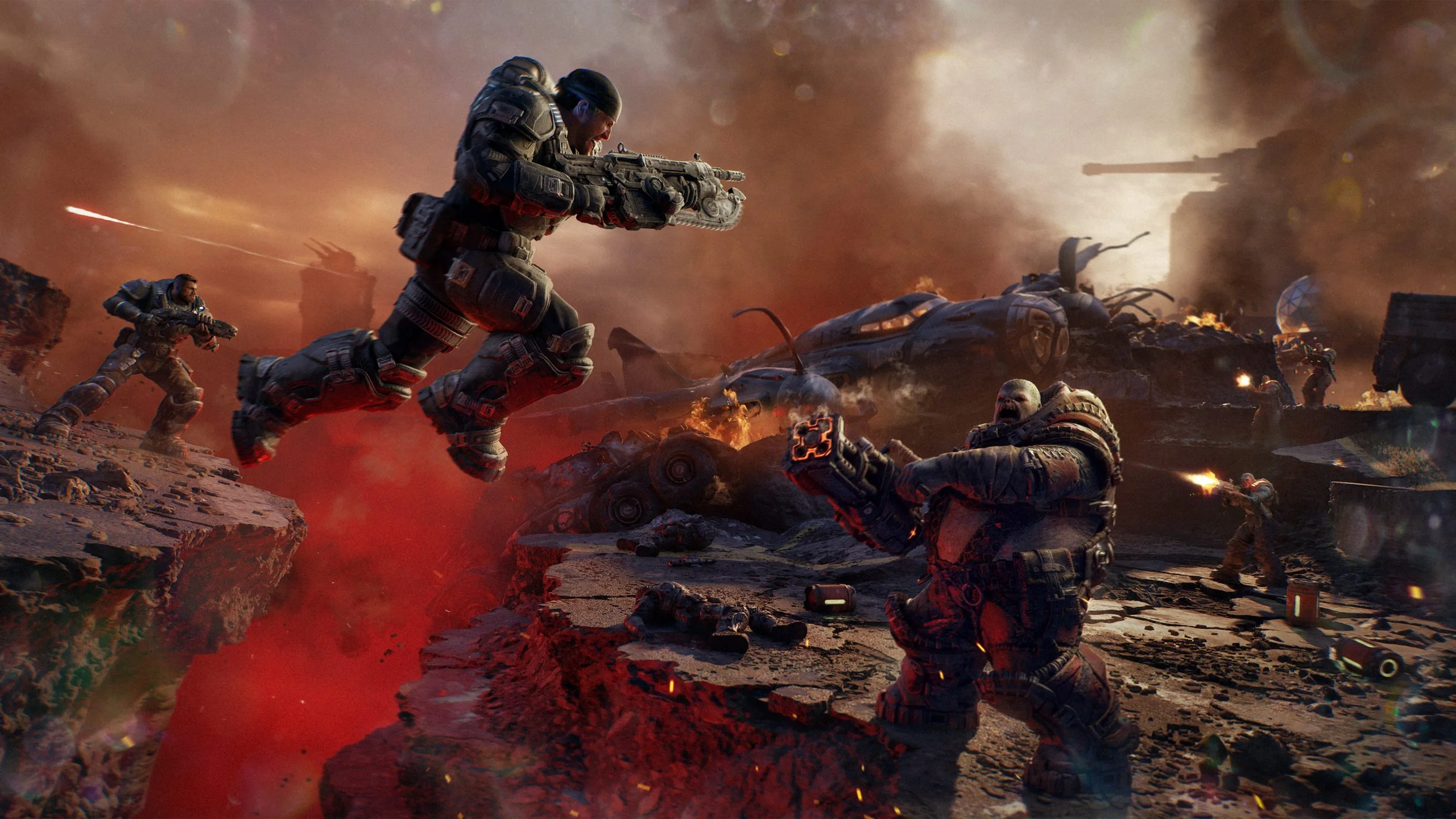
The weapons ask for different decisions. An assault rifle lets you keep firing from a moderate distance. The Gnasher is a shotgun for close-range fights, so moving nearer is worth considering only if you can survive the approach. The Longshot is a sniper rifle for a more precise shot from farther away. Carrying a rifle and shotgun leaves you with different answers to a rushing enemy than carrying a rifle and sniper weapon. We like changing equipment for an encounter rather than treating one gun as the answer to everything.
You can also take a risk while putting fresh ammunition into a gun. A moving marker appears on a small bar, and pressing reload again at the right moment improves the reload; mistiming it can jam the weapon. This is the active reload system. Its value is immediate when an enemy is advancing and you need the gun ready sooner. The extra button press gives an otherwise routine pause a decision, but it is worth practising somewhere safer than the middle of your first difficult fight.
The rifle with a chainsaw attached underneath is the Prototype Lancer. Its blade can finish an enemy at close range, but you must reach that enemy first. The campaign shows the weapon being put together as a practical response to the attack. A chainsaw kill is satisfying because the approach can be dangerous, not because every enemy should be charged as soon as it appears. A distant shooter or another creature beside your target can punish that decision.
Enemy combinations make these choices matter. Armed Drones shoot from shelter, while smaller Wretches rush toward you and force you to look away from the distant attackers. A larger creature spitting acid adds another reason to move. These fights are at their best when you recognise the immediate danger, switch weapons and get out of a bad position. Simply adding more enemies or making one absorb more bullets is less interesting than forcing a different response.
The campaign lets you change how equipment works with attachments called mods. Some reduce the gun's movement while firing; others change its behaviour more noticeably. For example, the Gnasher can gain automatic fire, letting it keep shooting while you hold the trigger. Mods are useful when they solve a problem you actually have, such as struggling to keep a rifle aimed steadily. Choosing and testing a change is more enjoyable than collecting a case only to dismiss another notification.
Friends can help by keeping an enemy occupied while you approach from the side, or by rescuing a fallen teammate. Co-op gives each person something useful to do. Having company makes the repeated bridge trips easier to enjoy, but does not make those tasks more varied.
Horde is worth trying; early PC problems still matter
Outside the campaign, you can fight computer-controlled enemies with other people in Horde Siege. Your four-person squad joins a city map that can hold two other squads, for twelve players altogether. You move to assigned tasks, fight the Locust and try to leave safely by helicopter. It is different from spending an entire match defending one fixed corner. Completing the task and getting out matter as much as collecting kills.
Before joining, you pick a role called a class. Assault favours midrange fighting, Breacher close-range attacks, Marksman accurate shooting and Medic helping people recover. These choices explain what you can contribute before the game asks you to understand equipment upgrades. We like that a player who is nervous about charging enemies can still help the group rather than trying to copy the most aggressive teammate.
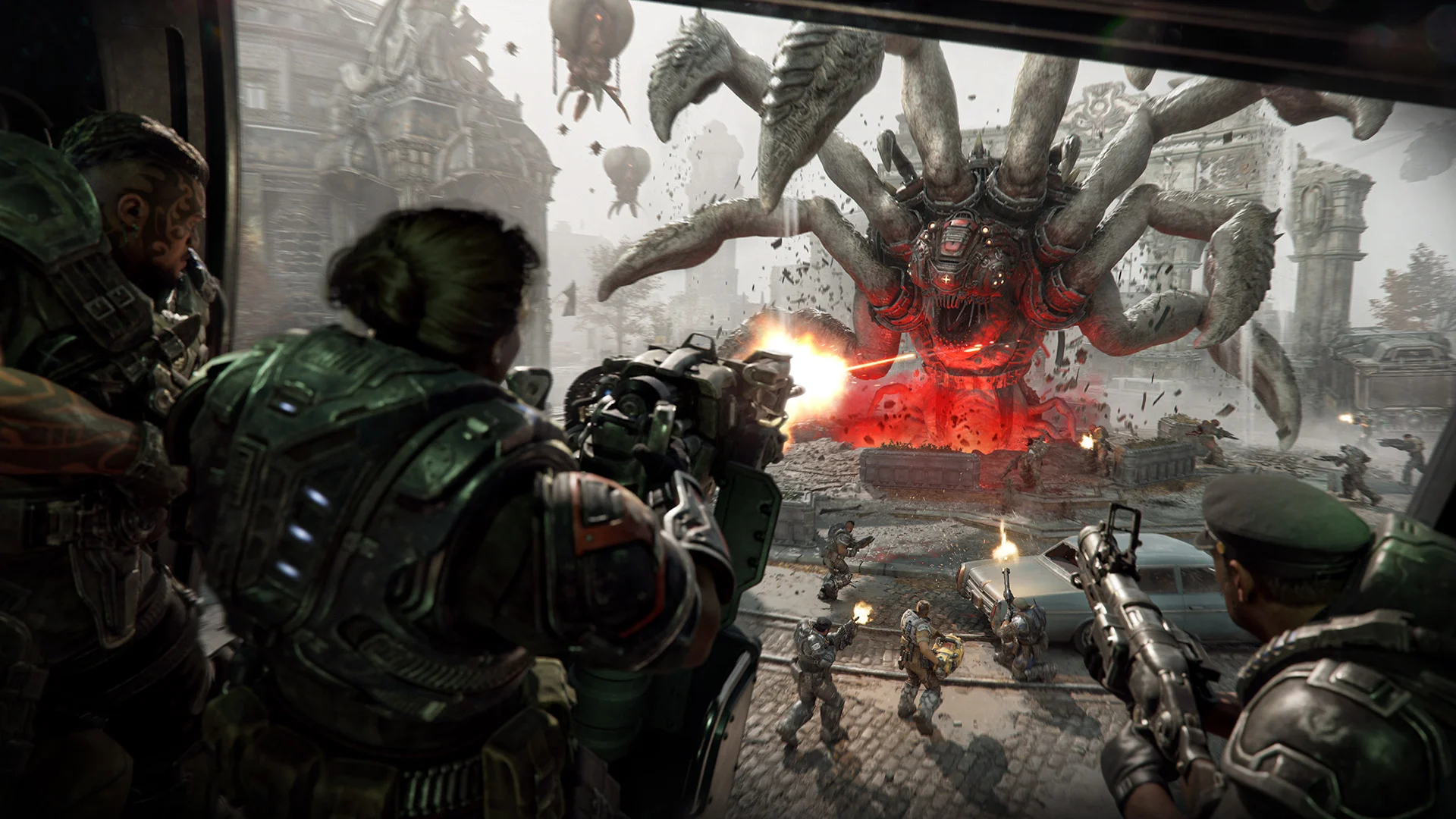
One mission can ask you to recover scattered parts for a scanning machine; another asks you to defend it while it works. The machine maps the tunnels beneath the city and is called a R.I.G. Moving away to collect a part means checking what is happening to the teammates left behind. A huge enemy arriving nearby can bring the separate squads into the same fight. The twelve-player battles are most convincing when there is a reason for the squads to help each other, not merely twelve people somewhere on the same map.
Players who prefer fighting other people get Versus: two teams of four compete, with the same starting equipment and no weapon mods. In Conquest, you occupy a marked area long enough to score while keeping opponents out. That makes advancing together more useful than chasing someone across the map alone. The faster movement fits these close fights, although learning when to approach with a shotgun remains difficult. Social matches are available now; we are not scoring a Ranked experience that has not started.
There are important limitations for returning players. Private lobbies and some familiar actions, including using an enemy as a shield and chainsaw duels, are absent at launch. The developer says it is considering how to bring back features, but that is not a delivery date. Someone mainly wanting organised private matches should make their purchase decision on what exists, not on an assumed future update.
Our October 4 snapshot counted 2,324 Steam reviews across purchase types, with about 81% recommending the game. Players praise the shooting, graphics and return to the invasion story, but report crashes, stuttering, increasing memory use and Horde sessions ending unexpectedly. Even positive reviews describe crashes. The Xbox store did not yet show an average, and its visible recent crash complaint was labelled PC, not Xbox console.
The September 30 launch notes list fixes since the August beta, including mouse-and-keyboard delay and matchmaking problems. They still acknowledge possible memory problems during a long uninterrupted campaign session, and suggest reloading a checkpoint if an encounter stops progressing. PC offline play is unavailable until October 6. Those notes do not prove every current crash is solved. We also cannot turn PC reports into a claim that Xbox Series X and Series S have the same faults.
There are useful settings to check before deciding the shooting is too difficult to follow: larger subtitles, speaker names, camera-shake adjustments and navigation assistance. Gore and language filters are available, but this is still an ESRB M-rated game for ages 17 and up, with intense violence, blood and gore, and strong language. Those options do not make it suitable for younger children.
Pixel Twelve score: 8/10 — Great. We recommend E-Day for its varied gunfights, the opening attack and the chance to work through battles with friends. We do not rate it higher because the repeated journeys and upgrade prompts interrupt the campaign too often, while early PC instability can interrupt playing altogether. Xbox players wanting couch co-op have a clearer reason to choose it now. PC players sensitive to crashes, or anyone considering a Premium upgrade solely for a few early days, have a good reason to wait for the regular release and check the next fixes.
More from Gears of War: E-Day
3 screenshotsCheck the official cover, age rating and available platforms on our Gears of War: E-Day game page, or browse more Pixel Twelve reviews.