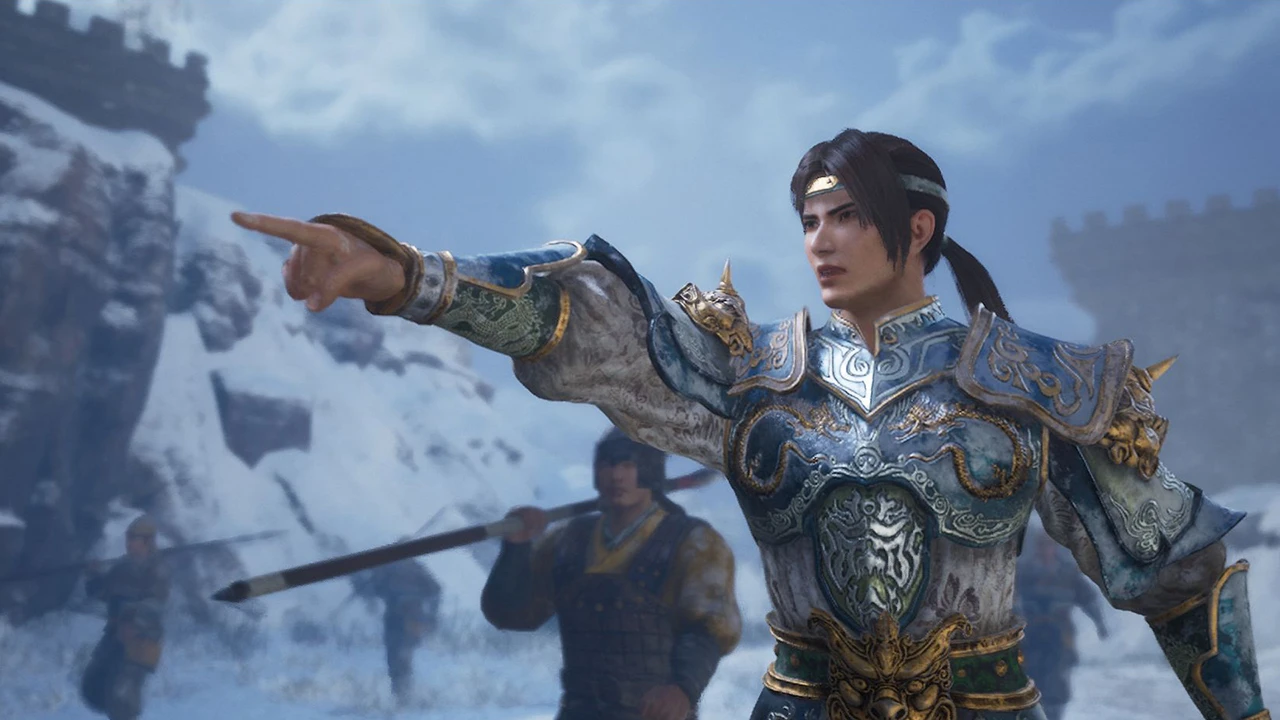
Dynasty Warriors 3: Complete Edition Remastered lets you choose how much of the remaster’s new combat to use. Classic Settings bring it closer to the original game, while Normal Settings apply the recommended setup for this version. You can also turn the new features on or off separately, rather than accept every change together.
The game arrived October 1 on PlayStation 5, Nintendo Switch 2, Xbox Series X|S and PC through Steam. It combines Dynasty Warriors 3 with its Xtreme Legends expansion, bringing back the officers, story battles and local two-player play alongside new defensive moves and a weapon-building system.
The official launch trailer shows the remastered crowd battles. If you are returning to DW3 after years away, the settings are worth checking before your first long session: the new dodge, timed guard and equipment options do different jobs.
What Classic Settings actually change
Classic Settings are a preset, not a separate edition of the game. The official system menu offers Classic and Normal options, and the new features can also be changed individually. That means you do not have to choose between an entirely old-style setup and every new addition.
If you want something closer to the earlier game, Classic is the starting point. If you want the developer’s recommended remaster setup, choose Normal. From there, you can keep a change you like and switch off one you do not. Neither preset is a claim that the remaster exactly reproduces every detail of the PlayStation 2 release.
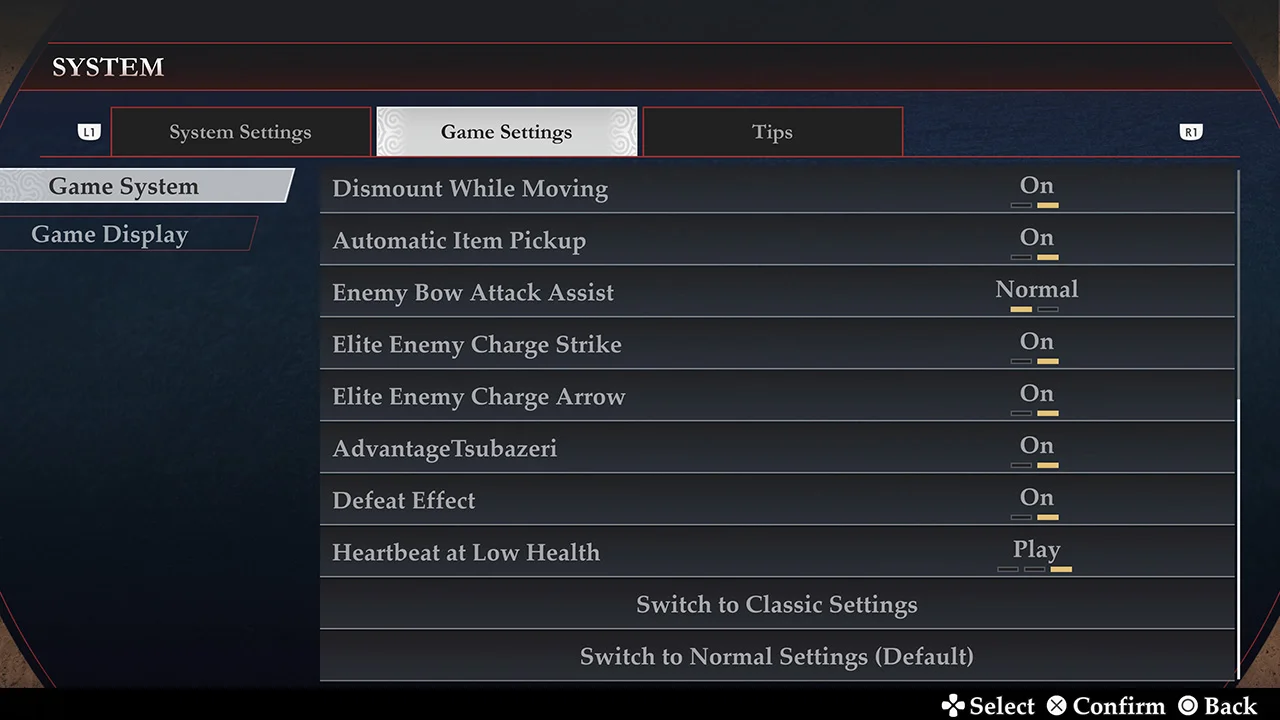
The distinction matters because the additions are not just visual. Evasion changes how you avoid a hit, Perfect Power Guard rewards a well-timed block, and Weapon Fusion changes what you can do with spare equipment. The settings let a returning player try those changes without committing to all of them.
A dodge and a guard with different rewards
Evasion lets an officer dodge enemy attacks or briefly retreat from the front line. Time it correctly against a strong enemy and you can perform a Just Evasion, followed by a counterattack. Moving out of danger and taking that opening are two parts of the same exchange.
Perfect Power Guard uses a different response: instead of dodging, you deflect an attack with the correct guard timing. It can stun a strong opponent and give you a chance to strike. That is why the two features are worth considering separately. One rewards avoiding the attack; the other rewards meeting it with a block.
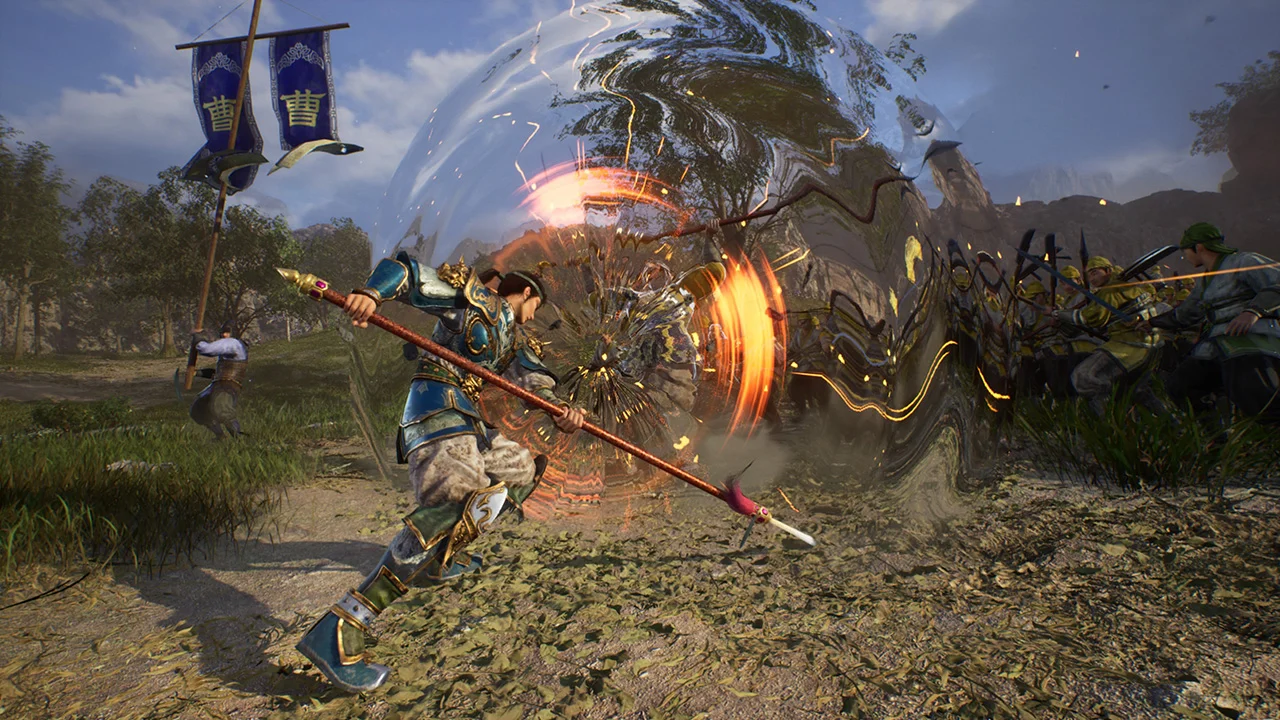
These moves sit alongside returning features such as True Musou Attacks. The remaster still puts its officers into large battles, but gives players more choices when a dangerous opponent closes in. Keeping the new defensive features off remains an option if you prefer the older approach.
Weapon Fusion gives spare weapons a use
The Camp includes Weapon Fusion, which consumes unwanted weapons to transfer elemental properties and skills to another weapon. Instead of keeping a spare drop only because it has something useful attached, you can use it as material for the weapon you want to carry.
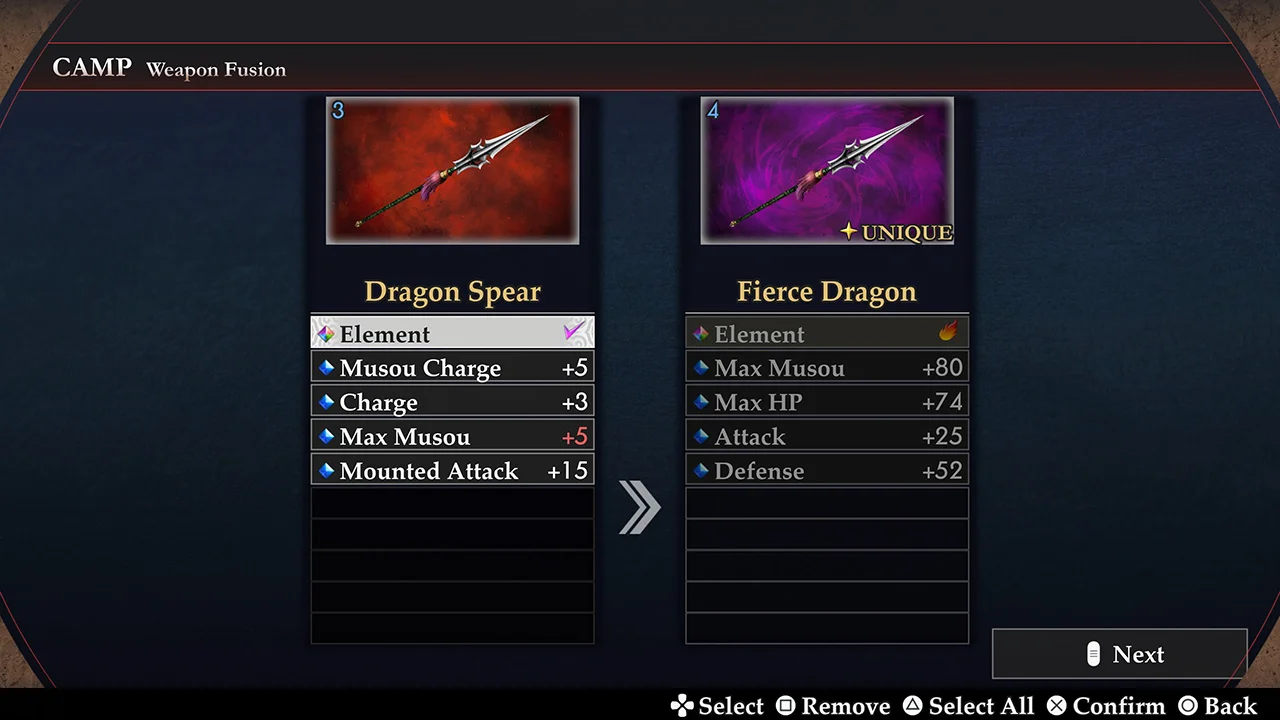
The equipment screen above shows a spear comparison and the listed attributes. It is an equipment choice, separate from learning when to dodge or guard. Players who enjoy building a weapon can work with the drops they collect; players who want the older setup can use the options that turn added systems off.
Camp also handles officer and bodyguard settings before a battle. That makes it the place to check your setup between stages, rather than assume every weapon pickup should immediately replace what you already use. The confirmed feature is the transfer of properties and skills—not a promise that any two weapons will produce a particular result.
The stories and modes in the package
More than 40 officers from the original roster return. Ziluan, the protagonist of Dynasty Warriors: Origins, joins them, and new scenarios unlock when players meet conditions during battles.
Musou Mode follows individual officers through their stories in the Three Kingdoms period. Free Mode lets you choose officers and scenarios more freely, including combinations that put an officer alongside a side they would normally fight. Growth items, equipment and weapons collected there carry over to other modes.
Challenge Mode is for shorter score-driven tests. Its categories include enemies defeated, completion time and combos: Endurance asks how long you can keep fighting before your health runs out, while Time Attack and Assault give you specific targets. VS Mode supplies eight stages with their own rules for competing against another player.
Split-screen is here; online co-op comes later
Offline two-player play is available now. Musou Mode, Free Mode and VS Mode support split-screen, so two people in the same room can team up or compete. It is part of the returning DW3 package, not the announced online update.
Online two-player co-op is planned for a post-launch update. KOEI TECMO’s October 1 announcement says details and timing will be revealed later. There is no confirmed release date in that announcement, so do not buy this version expecting the online mode to be available already.
The free demo is a useful first stop
The demo includes the Battle of Hulao Gate (Allied Forces) scenario. Its six playable officers are Zhao Yun, Guan Yu, Xiahou Dun, Zhenji, Zhou Yu and Sun Shangxiang. Difficulty and language settings can be adjusted, and fulfilling certain conditions may bring a formidable opponent into the end of the stage.
That gives you a specific battle and a choice of officers to try before buying the full game. Use it to see how the remastered combat feels to you. The full package’s Camp and Weapon Fusion are separate features; the demo announcement does not promise access to every system or mode.
For the full release, start by checking Classic or Normal Settings, then adjust the individual additions you want. Keep offline and online co-op separate when planning to play with a friend. Those two checks tell you more about the version you will actually play than the word “remastered” on its own.