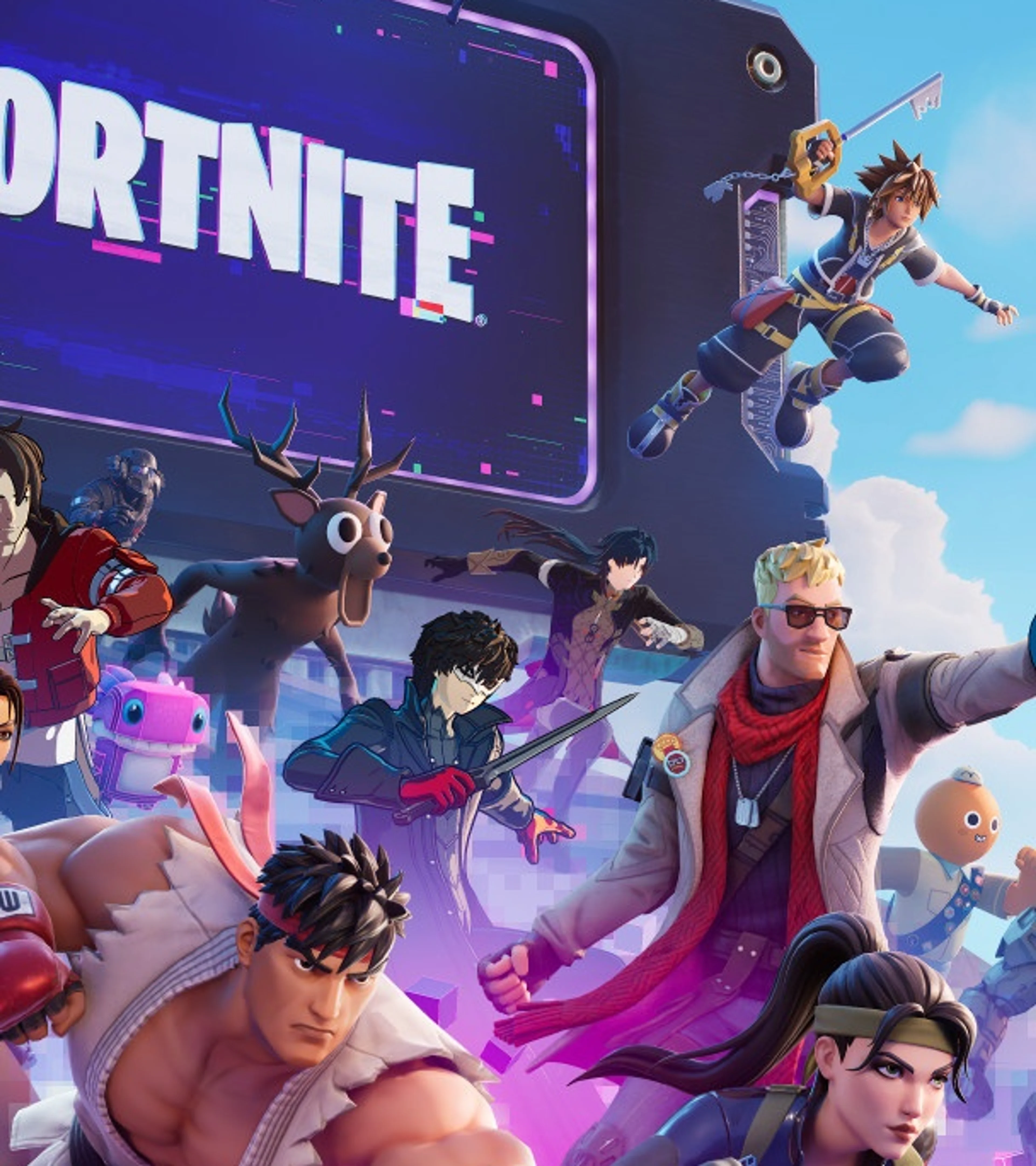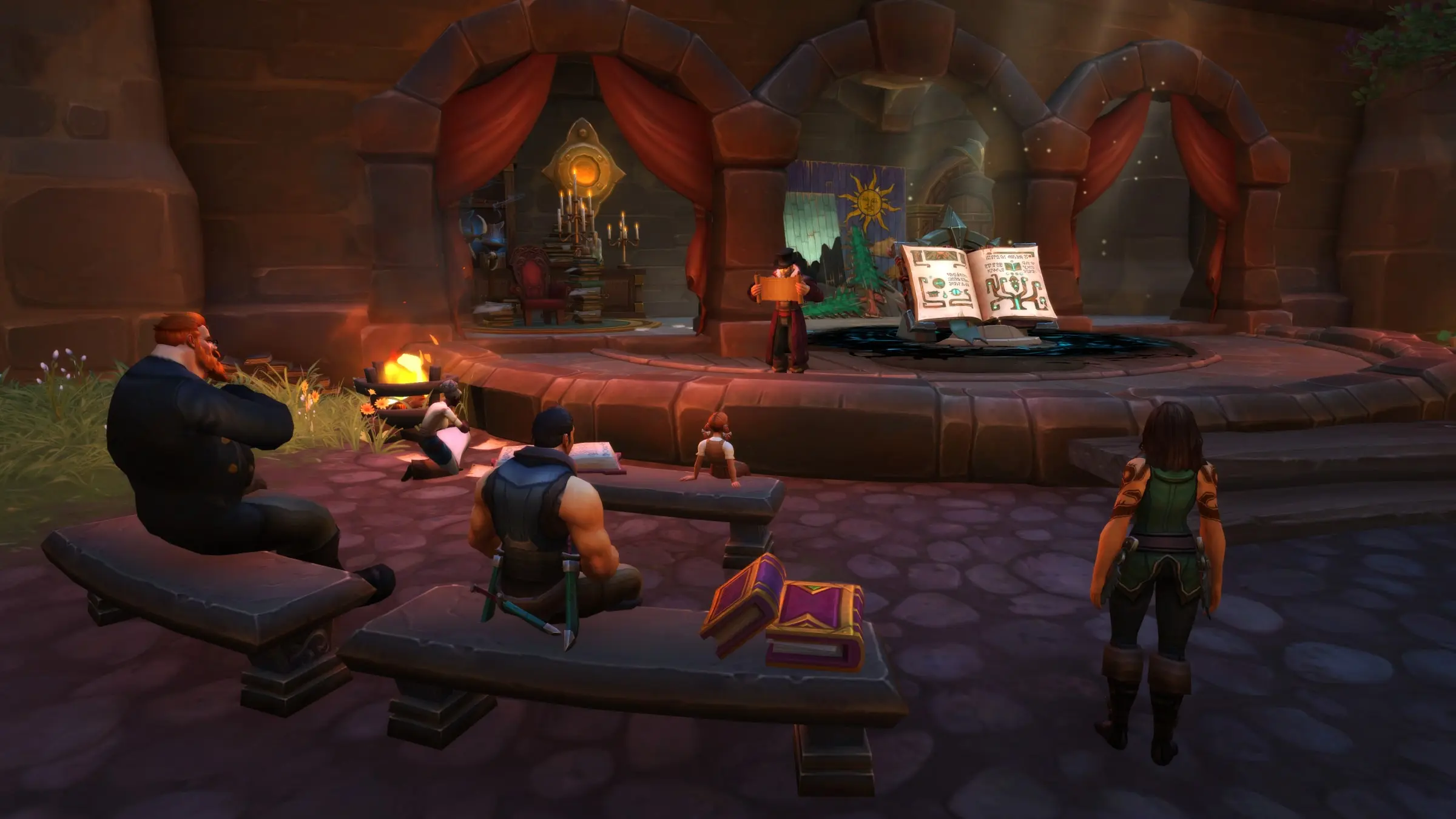

Fortnite creators can now publish islands where players talk to AI-powered characters instead of choosing from a fixed list of dialogue options. Epic Games opened publishing for its new Conversations feature on July 30, taking it out of the Experimental stage with Fortnite ecosystem update v41.30.
The change applies to creator-made Fortnite islands. It does not mean every character in Battle Royale has suddenly become an open-ended chatbot. Instead, creators using Unreal Editor for Fortnite can build characters that listen through voice chat, answer in real time, and stay close to a personality written for them.
For players, this could make some Creative experiences feel less scripted. A shopkeeper may remember the direction of a conversation, a quest character can react to an unexpected answer, and a rival can sound different from one session to the next.
What changed for Fortnite creators on July 30
Epic first released Conversations as an Experimental feature, which allowed creators to build and test with it but blocked them from publishing those islands to the wider Fortnite audience. That publishing restriction has now been lifted.
Creators can submit eligible islands with LLM-powered NPCs through the Creator Portal. The islands still have to follow Fortnite's developer rules and pass the usual review process. Epic also said it will watch capacity closely during the launch and may introduce rate limits if demand becomes too heavy.
This is a creator tool rather than a new Battle Royale mode. Players will find these conversations inside islands designed to use them, so the experience depends on what each creator builds around the characters.
How the AI conversations work for players
The system uses voice chat. A player speaks to a supported character, the character processes what was said, and a voiced response comes back during the session. The reply is generated rather than selected from a short dialogue tree, which lets the conversation move in directions the creator did not write line by line.
The character is not meant to have a completely random personality. Creators define a persona with instructions about attitude, behavior, background, and the role the NPC should play. That gives the system boundaries while still leaving room for a natural response.
Epic's current documentation says these characters respond only in English. Players also need voice chat enabled to speak with them. Anyone using parental controls must have permission for voice and written communication with AI Features before the conversations can be used.
Fortnite has 36 characters with consistent voices and personalities
Epic says 36 Fortnite characters now come with consistent voices and personas when creators use them as NPCs. More are planned over time. This should make familiar characters sound and behave closer to what players expect without every island creator having to build the personality from nothing.
Starting with v41.30, some Fortnite-owned characters have locked voices and personas that creators cannot edit. That protects the identity of selected characters while still allowing more freedom with other supported NPCs and original personas.
Epic says the voice models are based on performances recorded by independent professional actors who agreed to that use. The company also plans to explore opportunities involving guilds and actors who previously voiced characters in Fortnite Battle Royale.
What technology powers Fortnite's talking NPCs
Epic's documentation names the tools behind the current system. Google's Gemini 3.1 Flash-Lite handles audio input and generates the text response. ElevenLabs' Eleven v3 turns that response into the voice players hear.
Creators do not need to write every possible line. They work with persona tools in Unreal Editor for Fortnite, test the character in a Prompt Editor, and connect the NPC to the island using Fortnite's Verse scripting system. The creator still sets the idea and rules for the character, while the language model handles the moment-to-moment conversation.
The system can also connect a response to gameplay. Epic's Structured Output tools allow a character's answer to trigger information or actions defined by the creator. That opens the door to conversations that affect a quiz, a deal with a shopkeeper, a character's mood, or another part of an island's design.
What Epic says about privacy and safety
Voice features always raise fair questions, especially in a game with a large younger audience. Epic says player audio is sent securely to Gemini so the character can answer, but the audio is not stored and is not used to train AI models.
Player transcripts are also not normally stored or used for model training. If a player reports an AI-powered character, a text log of that interaction is provided to Epic so the company can review the problem and improve its safeguards.
Players can report a bad response through Fortnite's reporting menu by selecting the Conversational AI option. Epic says it has added filters and safety layers designed to keep generated replies within the Fortnite Developer Rules.
Why this could change Fortnite Creative islands
Fortnite Creative already covers everything from competitive shooters to social spaces and full story-driven adventures. AI conversations give creators another way to make those islands react to the people playing them.
The most interesting uses may be smaller than a fully AI-written story. A guide who answers questions about an island, a detective suspect who reacts to an accusation, or a character who changes tone after a player's choice can make a familiar experience feel more personal. Good design will still matter more than the novelty of an AI voice. An NPC needs a clear purpose, a strong persona, and something useful to do inside the game.
There will also be limits at launch. English is the only supported language, voice chat is required, and Epic may adjust capacity as more islands go live. Creators will eventually get new analytics in the Creator Portal showing how players engage with conversations, which should help them see whether people are actually enjoying the feature.
Where players can try AI-powered Fortnite NPCs
Epic has not announced one required island or playlist for Conversations. Creators publish their own experiences, so players should expect the first wave to appear across Fortnite Discover as approved islands go live.
If you are returning to the game, the Fortnite Complete Guide explains the main modes and where to begin. Newer players can also use our Fortnite beginner guide before jumping into creator-made islands.
The feature is live for publishing now, but its real test starts when players decide whether talking characters make an island more fun or simply add extra noise. The best creators will probably be the ones who use the technology to support a clear game idea instead of making the conversation the whole point.