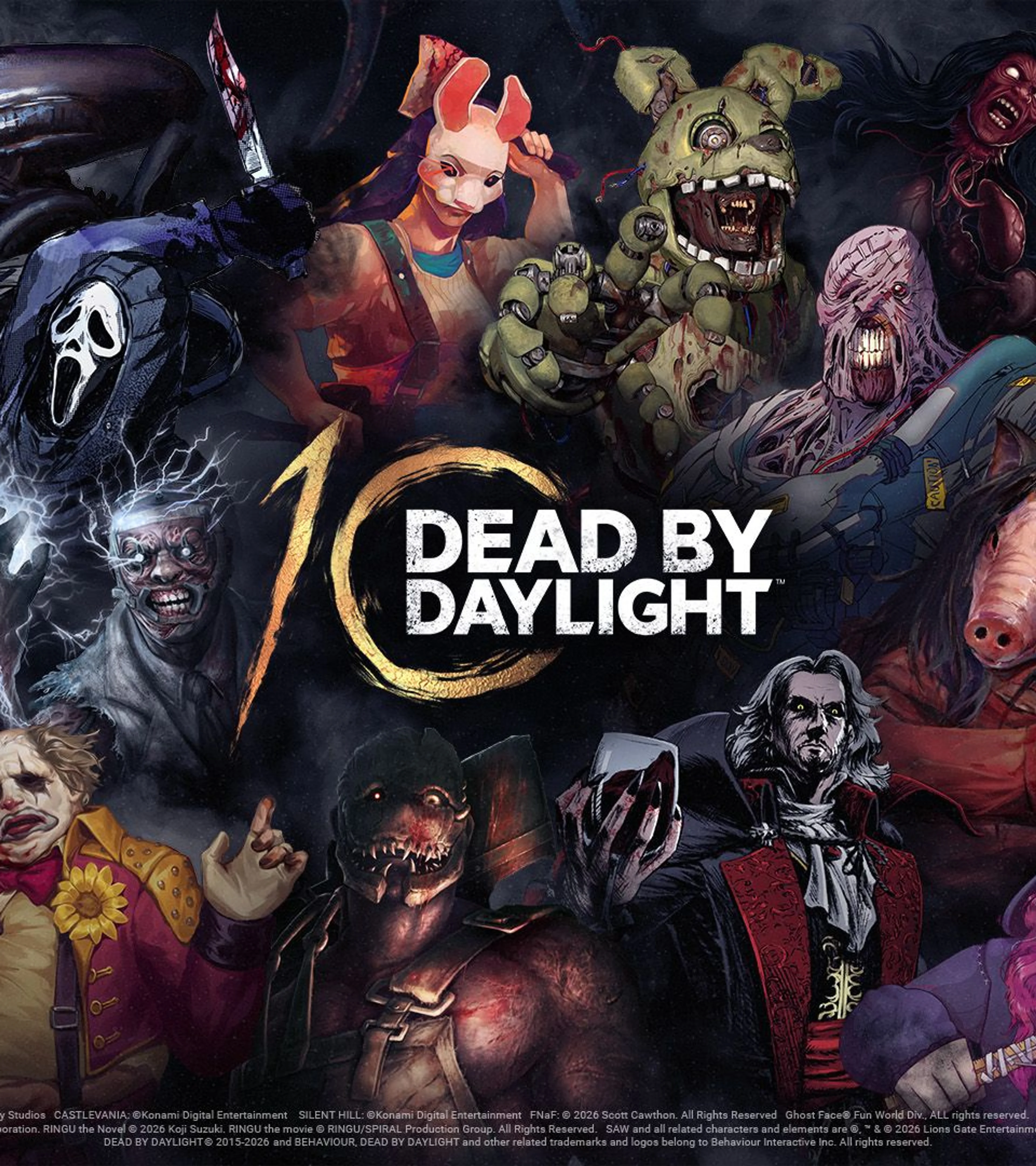

Dead by Daylight entered its second decade by adding Jason Voorhees, confirming a Terrifier collaboration, and promising changes that reach far beyond another licensed Killer. Behaviour Interactive is keeping the current game alive instead of replacing it with a sequel, while its roster continues to look like horror’s biggest playable crossover.
The 10th Anniversary broadcast also gave the original side of Dead by Daylight room to grow. New Survivors and Chapters are coming, a new Mall map is planned for Year 11, and a major visual overhaul is targeted for 2027. The result is a clearer picture of what the game wants to become: a long-running horror platform where famous guests and Behaviour’s own characters share the Fog.
What Dead by Daylight’s 10th Anniversary Confirmed
- Jason Voorhees arrived on June 16 as a licensed Killer.
- Shane Wiigwaas, the game’s first Indigenous Survivor, arrived on June 25 in The Life Road.
- Chorus of Sin, the first community-created Chapter, is scheduled for August 25.
- The Casting of Frank Stone will receive a full Dead by Daylight Chapter in March 2027.
- Terrifier is officially coming to the game, with David Howard Thornton revealing the collaboration as Art the Clown.
- A 2027 visual overhaul is planned with upgraded character models, environments, weather, audio, facial animation, and voice lines for original characters.
- Curated modding, a 1v1 mode, and a Zombie mode were shown as future tools or prototypes, not finished release promises.
That last distinction is important. Behaviour confirmed the direction, but the anniversary recap did not give every feature a final date. Players should treat the visual overhaul’s 2027 target and the dated Chapters as scheduled plans, while modding and experimental modes remain work in progress.
Jason Finally Fills the Obvious Gap
Jason is not simply another recognizable mask. After years of licensed Chapters, he had become the most obvious missing slasher. Dead by Daylight already knew how to turn horror icons into Killer powers, Perks, chase music, and visual storytelling; adding Friday the 13th’s central monster completes a matchup fans had been requesting for years.
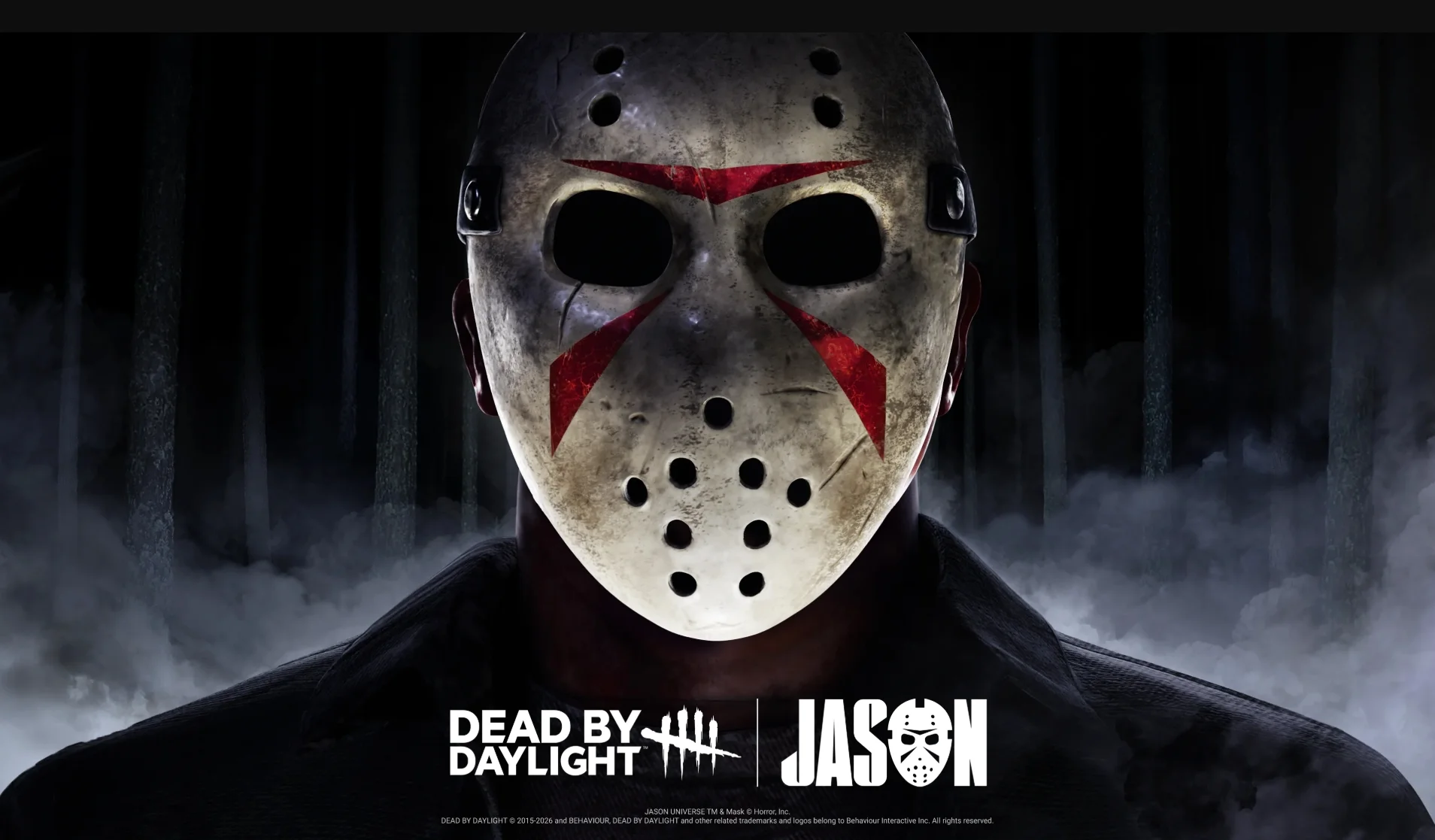
His value is also easy to understand for a casual player. Jason is a clean bridge between the game and decades of slasher movies. A person who has never studied Dead by Daylight’s original lore can still recognize the hockey mask, understand the threat, and decide whether playing as him is enough reason to return.
Advertisement

Art the Clown Keeps the Roster Current
Art the Clown brings a different audience. Jason represents established slasher history, while Terrifier grew into a modern cult-horror franchise through extreme practical effects and a villain designed for instantly shareable images. Putting both announcements in the same anniversary cycle lets Dead by Daylight speak to older horror fans and viewers following the genre now.

Behaviour has not yet explained Art’s power, Perks, release date, or whether Terrifier will be a full Chapter. The useful answer for now is simple: the collaboration is official, but its gameplay details are still unannounced.
Why the Crossover Model Works
Dead by Daylight is built around a one-versus-four structure. One player controls a Killer while four Survivors repair generators and try to escape. A licensed character can fit that framework without forcing every franchise to share a normal story. The Entity pulls people and places into the Fog, which gives Behaviour enough room to place very different horror styles beside one another.
The Chapter model also keeps the basic game from fragmenting. Buying a Chapter unlocks its characters and exclusive items, while maps remain free for everyone. A player can face a licensed Killer or enter a branded location without every person in the lobby buying the same DLC.
That structure turns each crossover into more than a costume. Killer powers change the chase, Survivor Perks can spread into new builds, and a map can change how both sides move through a Trial. The best collaborations feel connected to their source while still obeying Dead by Daylight’s rules.
The Risk of Becoming a Licensing Scrapbook
The growing guest list creates a real problem: licensed names can overshadow the original Killers, Survivors, and worlds that made the game recognizable. A famous mask produces an immediate headline, but it cannot replace strong balance, clear onboarding, useful progression, and maps that remain enjoyable after the launch week ends.
Behaviour’s anniversary plans answer part of that concern. Chorus of Sin comes from the community, Shane Wiigwaas expands the Survivor roster, the Mall adds an original liminal-horror space, and the visual overhaul focuses on the game itself. Those projects suggest the next phase is not only a queue of outside licenses.
The 2027 Overhaul Could Matter More Than One Killer
Jason and Art can bring people through the door, but the 2027 overhaul may decide whether they stay. Better character models and environments are easy trailer material. Improved audio, weather, animation, and a stronger presence for the Entity can affect every Trial instead of one character.
The decision to improve the current game rather than announce Dead by Daylight 2 also protects the collection players already built. A sequel could split the audience and put years of characters, cosmetics, and progression into question. Updating the same platform is less dramatic, but it fits a game whose main advantage is the size of its living roster.
What Comes Next?
The next confirmed date from the anniversary roadmap is August 25 for Chorus of Sin. Terrifier, the Mall, curated modding, and the experimental modes still need fuller release details. The Casting of Frank Stone Chapter is scheduled for March 2027, while the broader visual overhaul is targeting 2027.
If you are entering the Fog for the first time, start with our Dead by Daylight beginner guide. For free Bloodpoints and charms, check the current Dead by Daylight codes page before redeeming anything.
Dead by Daylight now has the guest list of a horror convention and the maintenance problem of a decade-old live game. Jason completes a long-running request. Art keeps the roster current. The next test is whether Behaviour can make the platform around them feel as ambitious as the names entering the Fog.