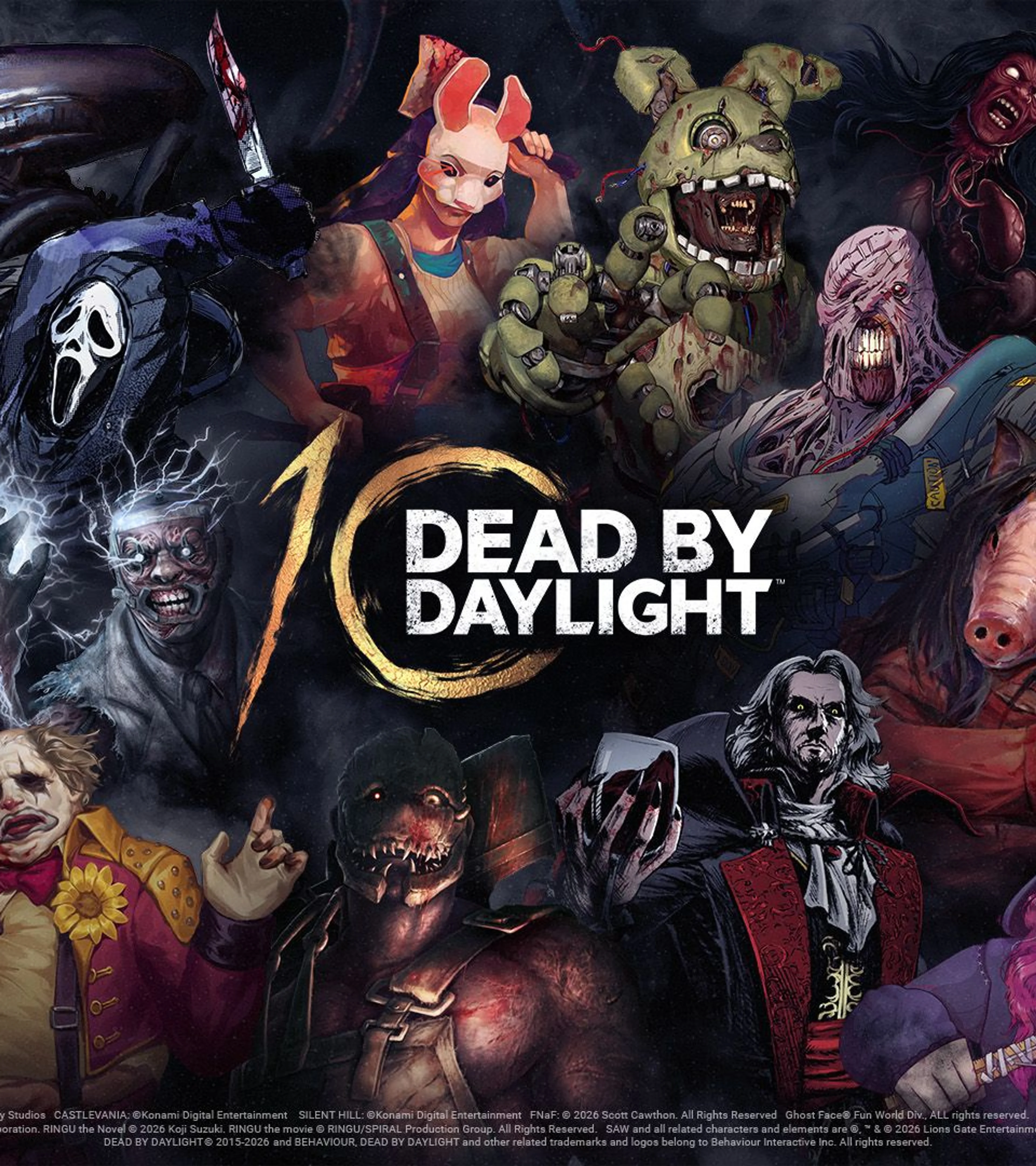
Dead by Daylight is one of those games that looks simple until you actually load into a match. The pitch is clean: one Killer, four Survivors, generators, hooks, escape gates, panic. Then the match starts, your screen fills with perks you do not recognize, somebody sprints past you injured, the heartbeat gets louder, and suddenly the tutorial confidence disappears.
That is normal. Dead by Daylight has been alive for a decade now, and Behaviour Interactive has turned it into a giant horror playground full of original characters, licensed icons, maps, perks, add-ons, events, and old player habits that new players have no reason to understand yet. The trick in 2026 is not learning everything first. The trick is picking the entry point that teaches the right things without burning you out.
The best entry point is still Survivor, but with one condition: do not treat Survivor like the easy role. Treat it like the role where you learn the language of the game. Once that language starts making sense, Killer becomes much less intimidating too.
Start With Survivor, but Do Not Hide the Whole Match
Survivor is the best first role because it lets you watch the match from inside the team. You learn generators, healing, unhooks, chases, terror radius, scratch marks, pallets, windows, and exit gates without having to manage the whole lobby alone. You will make mistakes, and your teammates may not always be patient about it, but the role teaches the broadest version of Dead by Daylight fastest.
The big beginner mistake is hiding so hard that you never learn anything. Crouching in a corner can keep you alive for a while, but it does not teach generator pressure, chase timing, or when a rescue is actually safe. A better first goal is simple: touch generators, rescue when it is safe, heal when it makes sense, and accept that the Killer will find you eventually.
Getting chased is not proof you failed. It is one of the main skills in the game. Even a short chase that buys your team time is useful. Once you stop treating every hit like embarrassment, Survivor becomes much easier to enjoy.
Play a Little Killer Early So Survivor Makes Sense
After a few Survivor matches, play Killer for a night. Not because you need to become a Killer main, but because Survivor makes more sense once you see what the other side can and cannot see. Killer is first-person, more isolated, and more mentally busy. You are tracking sound, scratch marks, generator progress, hooks, loops, and four players who all want your attention in different ways.
That perspective helps immediately. You understand why running in a straight line leaves a trail. You understand why injured Survivors are easier to track. You understand why wasting a Killer's time near a strong pallet can be more valuable than hiding perfectly for five minutes. Dead by Daylight gets less mysterious once you have felt both sides of the panic.
Pick a straightforward Killer at first. You do not need the fanciest power in the roster. You need someone who lets you learn movement, basic attacks, hooks, and map pressure without asking you to read a character manual before every chase.
The point of those early Killer matches is empathy as much as skill. Once you know how stressful it feels to keep four people under control, you start making smarter Survivor choices. You stop giving the Killer free information. You understand when a chase is wasting their time and when it is only feeding them pressure. That knowledge is more valuable than memorizing ten perk names on day one.
Advertisement

Spend Bloodpoints With a Plan
The official Dead by Daylight site explains the core progression loop plainly: you earn Bloodpoints, spend them in the Bloodweb, and unlock add-ons, offerings, and perks that help your character grow. That system is simple on paper and weirdly overwhelming in practice because new players see a web of icons before they know what any of them mean.
Do not try to build every character at once. Pick a small group. For Survivor, start with one character you like and learn a handful of perks that make sense without needing perfect teamwork. For Killer, pick one Killer whose power you can understand and keep investing long enough to feel their rhythm.
The goal is not to spend perfectly. The goal is to stop spraying resources everywhere. Dead by Daylight rewards knowledge, but it also rewards comfort. A familiar average build usually teaches more than a supposedly perfect build on a character you do not understand.
Do Not Buy DLC Just Because a Character Looks Cool
Dead by Daylight's chapter list is huge, and the official chapters page makes the basic deal clear: Chapters unlock new Killers, Survivors, and exclusive items, while maps remain free for everyone. That is good for the community, but it can still make the store feel like a wall of homework when you are new.
The safest rule is to wait before buying DLC. Play the base roster. Learn whether you like Survivor, Killer, or both. Figure out whether you enjoy stealth, chase, generator work, map pressure, or power-specific mind games. Once you know what you actually enjoy, DLC choices get much easier.
A licensed horror favorite can absolutely be worth it if that character is what makes you excited to log in. Just do not confuse fandom with fit. The Killer you love from a movie might have a power you do not enjoy playing. The Survivor you recognize might not give you the perks you need yet. Buy later with taste, not panic.
Your First Real Goal Is Understanding the Match Flow
A good beginner match is not always an escape or a four-kill. Sometimes it is understanding why the team collapsed. Sometimes it is realizing you healed at the wrong time, rescued too early, ignored a generator for too long, or chased one Survivor as Killer while three generators disappeared behind you.
That is the real entry point: match flow. Survivors are trying to repair enough generators to open the exit gates while the Killer creates pressure through injuries, downs, hooks, and fear. Every choice sits inside that tug-of-war. If Survivors waste too much time healing in safe moments, generators slow down. If the Killer chases one person too stubbornly, the map slips away.
Once you start seeing that rhythm, the game becomes less random. You still get messy teammates, strange builds, and chaotic maps, but the basic question becomes clearer: who is using time better?
That time question is why Dead by Daylight is so addictive once it clicks. A bad chase can still help if it buys two generators. A rescue can be heroic or terrible depending on timing. A Killer can win without feeling flashy if every hook forces Survivors to stop working. The match is always asking for little decisions under pressure, and beginners improve fast when they start noticing those decisions instead of only asking whether they escaped.
Why 2026 Is Still a Good Time to Start
Dead by Daylight can look impossible to enter because it has ten years of history sitting on top of it. But that same history is also the reason the game is still worth trying. Behaviour's 10th anniversary recap made it clear the studio is not treating Dead by Daylight like an old game waiting to be replaced. It is still expanding the current foundation with new characters, events, modes, visual updates, and long-term plans.
That is good for new players because the game still has energy. You are not joining an abandoned multiplayer lobby where everyone left is only there to punish beginners. You are joining a busy live horror game with a lot to learn, yes, but also a lot of reasons people keep coming back.
The healthiest way in is to keep your first expectations small. Learn Survivor basics. Try Killer early. Spend Bloodpoints with a plan. Ignore the urge to buy every chapter. Watch how time moves through a match. If you do that, Dead by Daylight stops looking like a decade of homework and starts feeling like what it has always been at its best: a messy, tense, weirdly funny horror game where every match gives you one more thing to understand.
That is enough for a real start. You can learn the deeper perk meta later, once the heartbeat stops making your hands forget what button repairs a generator.