Beast of Reincarnation is out, and critics do not agree on how good it is. Scores range from 5/10 to 9/10. That gap matters because the trailers presented the combat, ruined world, and giant wolf companion as obvious strengths.
As of September 7, 2026, OpenCritic lists an average of 73 after 126 critic reviews, with 47 percent recommending the game. Those totals can continue changing as more reviews are added, but the larger sample still shows a divided response. Some critics consider this one of Game Freak's most interesting games outside Pokémon. Others see a familiar action RPG weakened by repetition, technical problems, and a story that takes too long to become interesting.
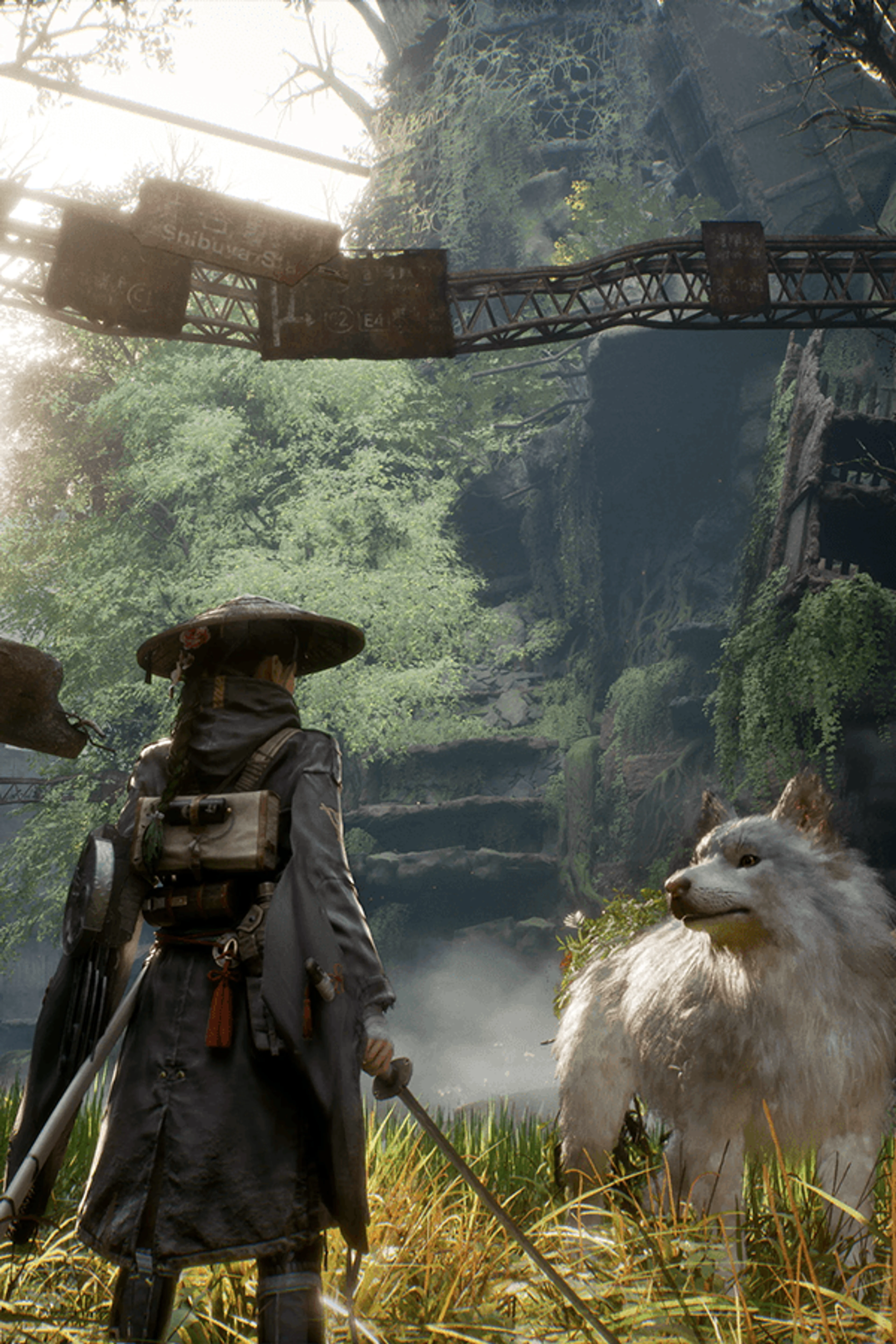
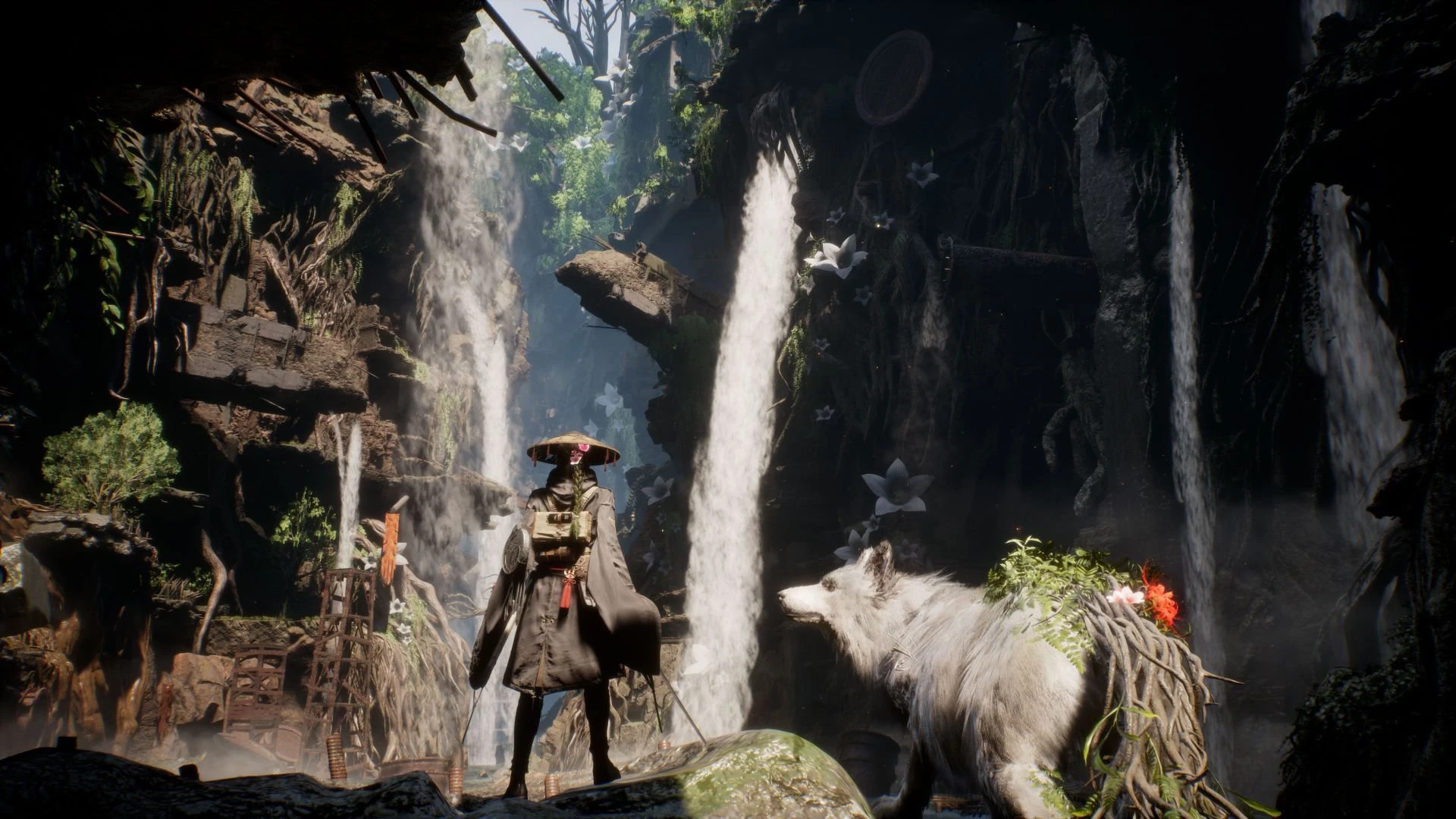
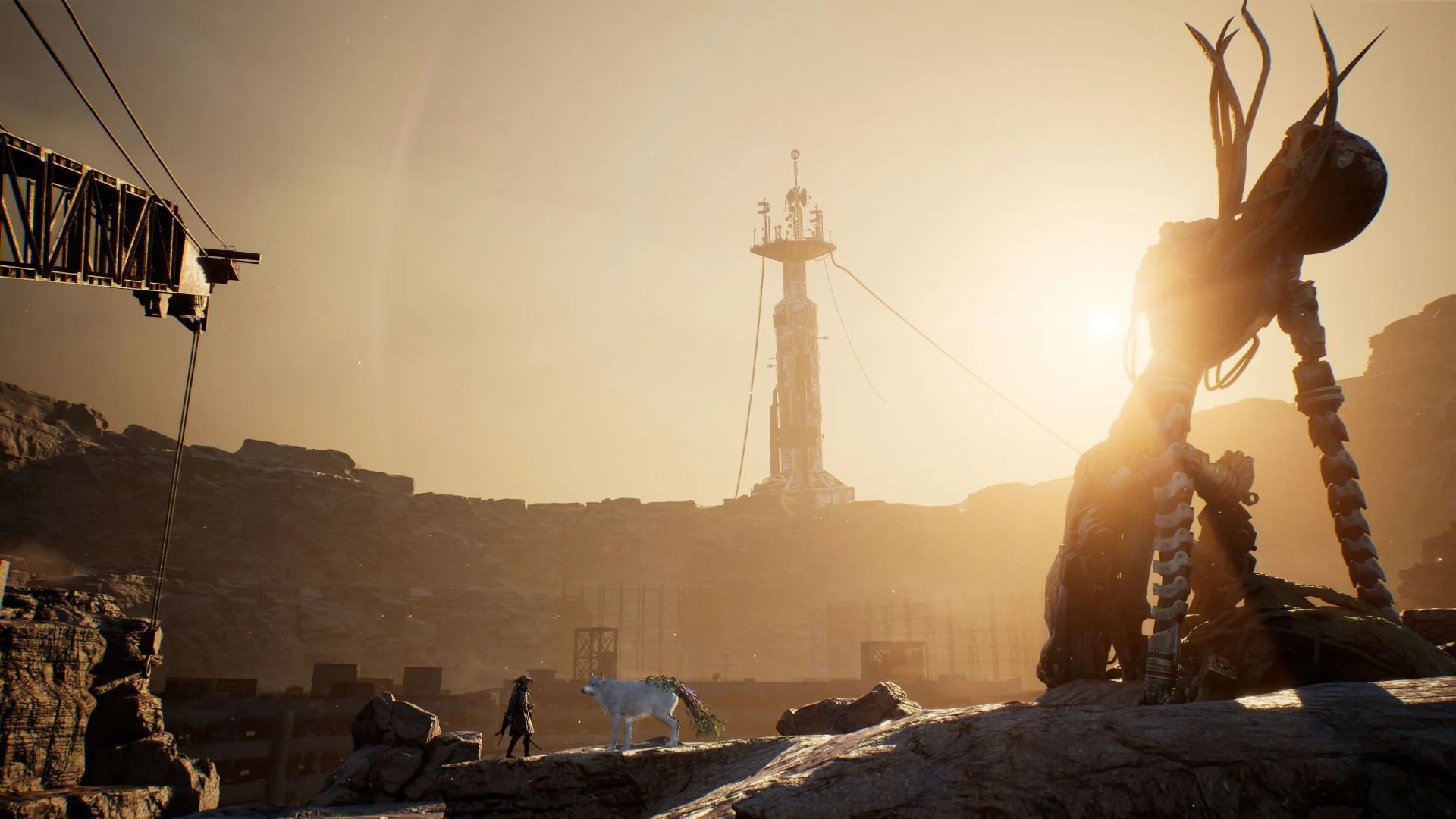
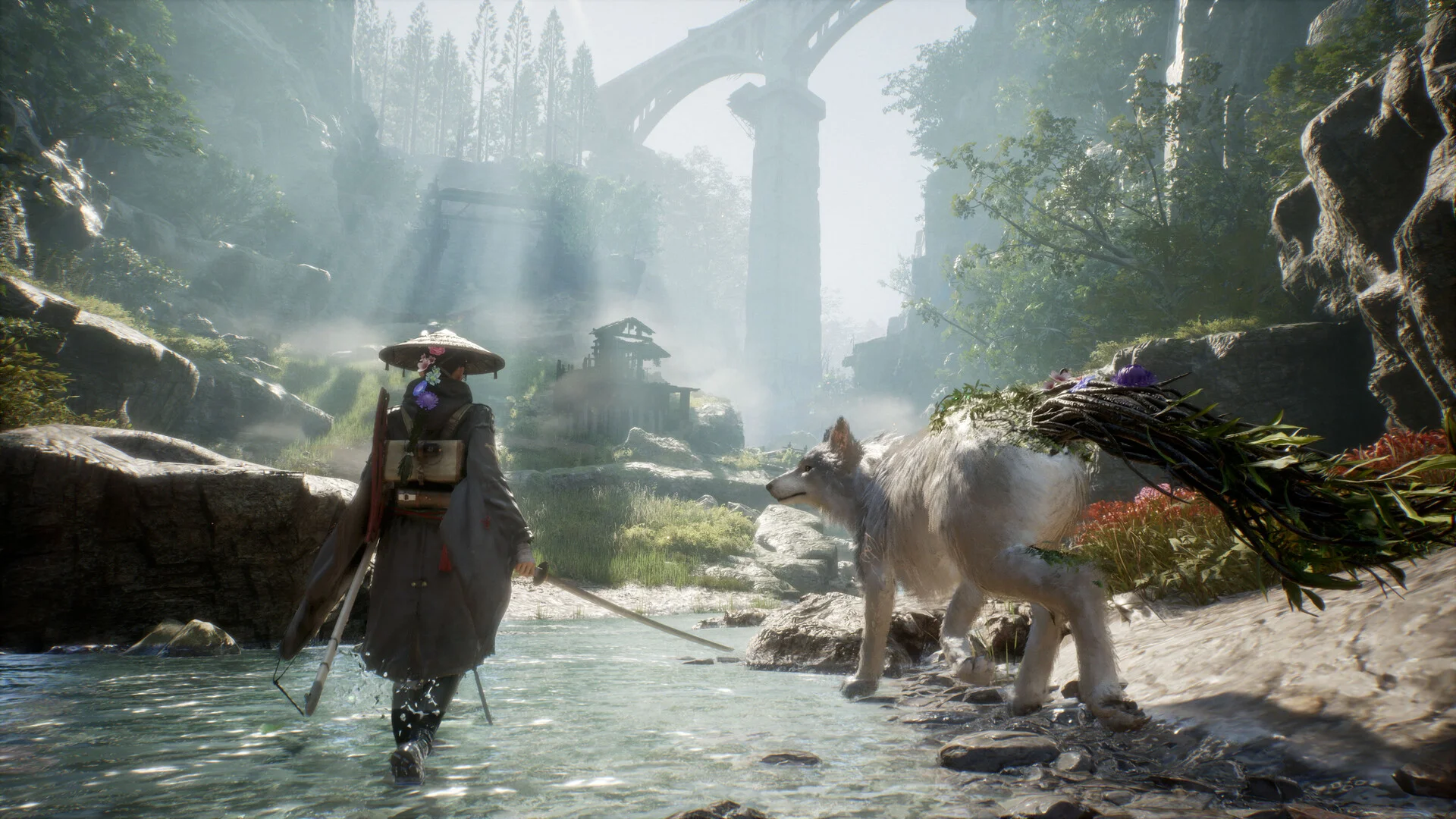
Most reviewers agree that Emma and Koo are a memorable pair. Emma is a fighter infected by the same Blight that has damaged the world, while Koo is a large canine Malefact who helps her in and out of combat. Their relationship gives the game warmth without changing its serious tone. Koo is useful in fights and exploration, not just present for a cute reaction shot or marketing image.
The disagreement starts when critics judge everything around them. Responsive parries and flexible skill trees impressed several outlets. The story, enemy variety, camera, and performance caused much more frustration. Depending on which parts a reviewer valued most, the same game could feel ambitious and enjoyable or unfinished and too familiar.
Players who need the basic release information can use Pixel Twelve's Beast of Reincarnation guide. This article focuses only on the launch reviews and what critics actually agreed or disagreed about.
Why scores range from 5/10 to 9/10
IGN gave the game 6 out of 10. Its review liked the post-apocalyptic setting, Koo, and some of the larger areas, but found the story predictable, the enemy variety limited, and the bosses less interesting than they first appeared. Game Rant went lower at 5 out of 10, saying the game did not meet the expectations created by its premise.
Those lower scores still recognize useful ideas. Their argument is that repeated enemies and predictable attacks make combat less challenging across the full campaign. Bosses can look impressive but become easy to read after a few attempts. When this happens several times, the creature designs remain strong while the fights offer fewer surprises.
But Why Tho had a very different experience and scored it 9 out of 10. The review praised the world, movement, art direction, and combat, while still admitting that Emma's lack of emotion can make dialogue feel flat and that parts of the progression system are tedious. The higher score came from enjoying the complete experience despite those problems, not from pretending they were absent.
Analog Stick Gaming sits closer to the middle at 7.5 out of 10. It found the combat responsive, the exploration rewarding, and Koo consistently useful. It also thought the story became weaker near the end and that the game included more crafting and progression systems than it needed. That review is probably closest to the overall critical average: a good action RPG with clear problems and a strong central partnership.
MonsterVine gave the game 3 out of 5. It praised the depth in Emma and Koo's abilities but found the plot predictable and the dialogue too subdued. TheSixthAxis scored it 7 out of 10 and enjoyed the world and combat while criticizing the frame rate, camera, and collection of systems. These are not opposite opinions. They are different judgments about how much the strengths make up for the weaknesses.
The platform changed the launch-review experience. Analog Stick Gaming reported excellent PC performance during its review. TheSixthAxis had a rougher time on PS5, describing Graphics mode as unstable and Performance mode as better but still affected by frame drops and pop-in. Later updates can change performance, so these reports compare review builds rather than promise how every current version will run.
Parries and Koo earn the most consistent praise
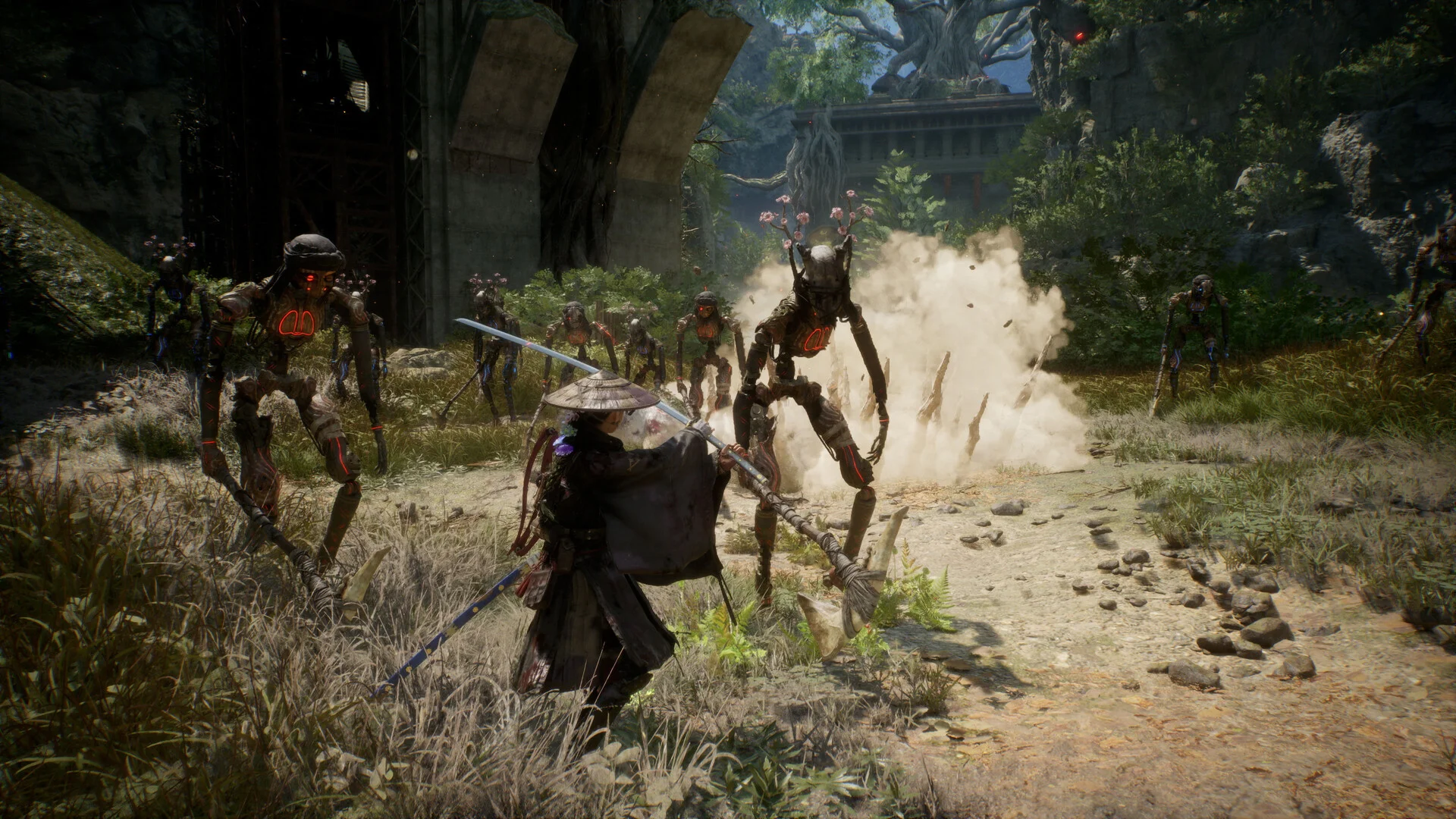
Emma fights with a sword and relies heavily on blocking, dodging, and parrying. A well-timed parry protects Emma, damages an enemy's posture, and helps charge Koo's abilities. The timing is more forgiving than Sekiro, so players can learn what each attack requires without losing most of their health after every small mistake. Several critics said this made the combat easy to understand and satisfying during one-on-one fights.
Koo changes how each fight plays. He can attack enemies, hold them in place, provide support, and help Emma recover. Selecting one of his abilities slows the action so the player has time to decide what to use. Emma and Koo feel like a team because both characters affect the result. Reviews that liked the game most often mentioned that partnership as one of the main reasons.
The problems become most visible when too many enemies enter the same fight. A camera designed to follow one target can struggle when attacks come from several directions. Reviewers mentioned hits from outside the player's view, awkward lock-on behavior, and moments when the camera moved too close to Emma or inside a large enemy. The controls may still respond correctly, but the player cannot react well to something they cannot see.
Enemy variety is another common complaint. The game uses corrupted animals, mechanical Golems, and large Nushi bosses, but some attack patterns return too often. Once a player understands the generous parry window, normal encounters can become easier instead of more demanding. Critics who wanted the combat to keep changing through the full campaign were more disappointed than those who mainly enjoyed building Emma and Koo's abilities.
Exploration received better comments. Emma can use the Blight to reach high platforms, cross gaps, and create paths through ruined areas. Optional routes contain materials, equipment, enemies, and upgrades. Koo can mark nearby items and collect some resources. The movement gives players a reason to look around, although a few reviews felt that constant markers made discovery feel too automatic.
The large skill trees are useful for players who enjoy changing builds. Weapons can add effects after a successful parry, Koo has offensive and support options, and food or upgrades can improve Emma over time. Other critics thought the game had too many menus, crafting materials, survival elements, and upgrades for combat that was already forgiving. The systems are real and functional. The argument is whether all of them improve the game.
Story, repetition, and performance divide critics
Emma begins the game without normal human emotion because of the Blight. That is an intentional part of the story, but it creates a difficult lead performance. Some critics found her quiet behavior touching as she slowly connects with Koo and the people around her. Others found the same scenes dull because Emma reacts very little while the supporting cast also speaks in a restrained way.
Koo helps because his behavior is easy to understand. He protects Emma, responds to her, and remains involved during exploration and combat. Their bond is shown through actions instead of long explanations. Even the more negative reviews usually treated Koo as one of the game's strongest characters. The wider cast did not receive the same agreement, especially when later story choices failed to give some characters a satisfying ending.
The world also creates mixed reactions. Post-apocalyptic Japan is covered by plants, damaged machines, and animals transformed into Malefacts. It looks good and supports several memorable locations. MeriStation argued that the game depends too much on ideas that already worked in Sekiro and Nier. Other reviews felt the specific mix of nature, technology, and Emma's powers gave Game Freak enough of its own style.
Players who care most about combat, exploration, and Koo are more likely to understand the higher scores. Players who need a strong story, varied enemies, and polished console performance should pay closer attention to the lower ones. The game is still included with Game Pass on eligible plans, which lowers the cost of trying it on Xbox or PC.
This is not a launch where every critic reached the same conclusion with a slightly different number. One outlet saw a 9 out of 10 action RPG; another saw a 5 out of 10 disappointment. The current 73/100 average compresses those reactions into one number. It is useful for scale, but the reasons behind the scores matter more to a buyer. Beast of Reincarnation has enjoyable combat and a likable companion, but also enough repetition and technical trouble to change the experience from one player to another.
Game Pass remains the practical way to try the game if a player's current plan includes it. The PS5 performance comments above describe launch-review builds, so they should not be treated as a permanent verdict after later updates. Players who enjoy forgiving parries and Koo's command abilities may find a lot to like. Players already tired of repeated enemies and crowded upgrade menus may agree with the harsher reviews.
The launch reviews agree on one point: this does not play like a Pokémon game. Game Freak built a separate combat system, setting, and structure, and critics judged it on those choices.