
Game of Thrones: War for Westeros is finally ready to show what its battles look like when players are making the decisions. PlaySide Studios says the official Gameplay Reveal Trailer will premiere during gamescom Opening Night Live on Tuesday, August 25, putting the PC strategy game back in front of fans after months of cinematic footage and development updates.
The timing is useful. War for Westeros was first announced as a 2026 release, then moved to early 2027 in July. A real gameplay reveal can explain that extra time far better than another dramatic shot of a dragon over a battlefield.
The teaser shows the mood, but the full trailer needs to show the game
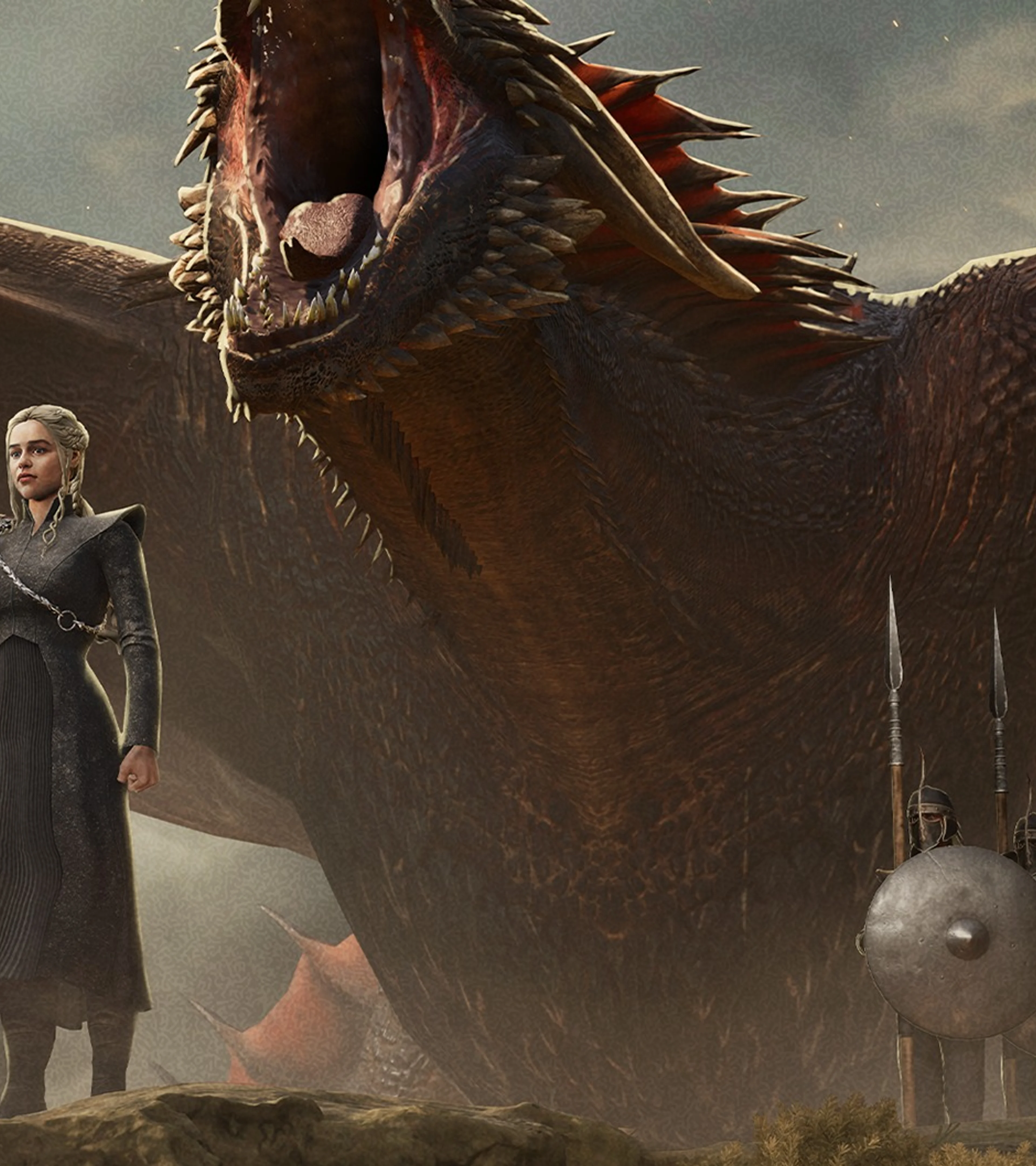
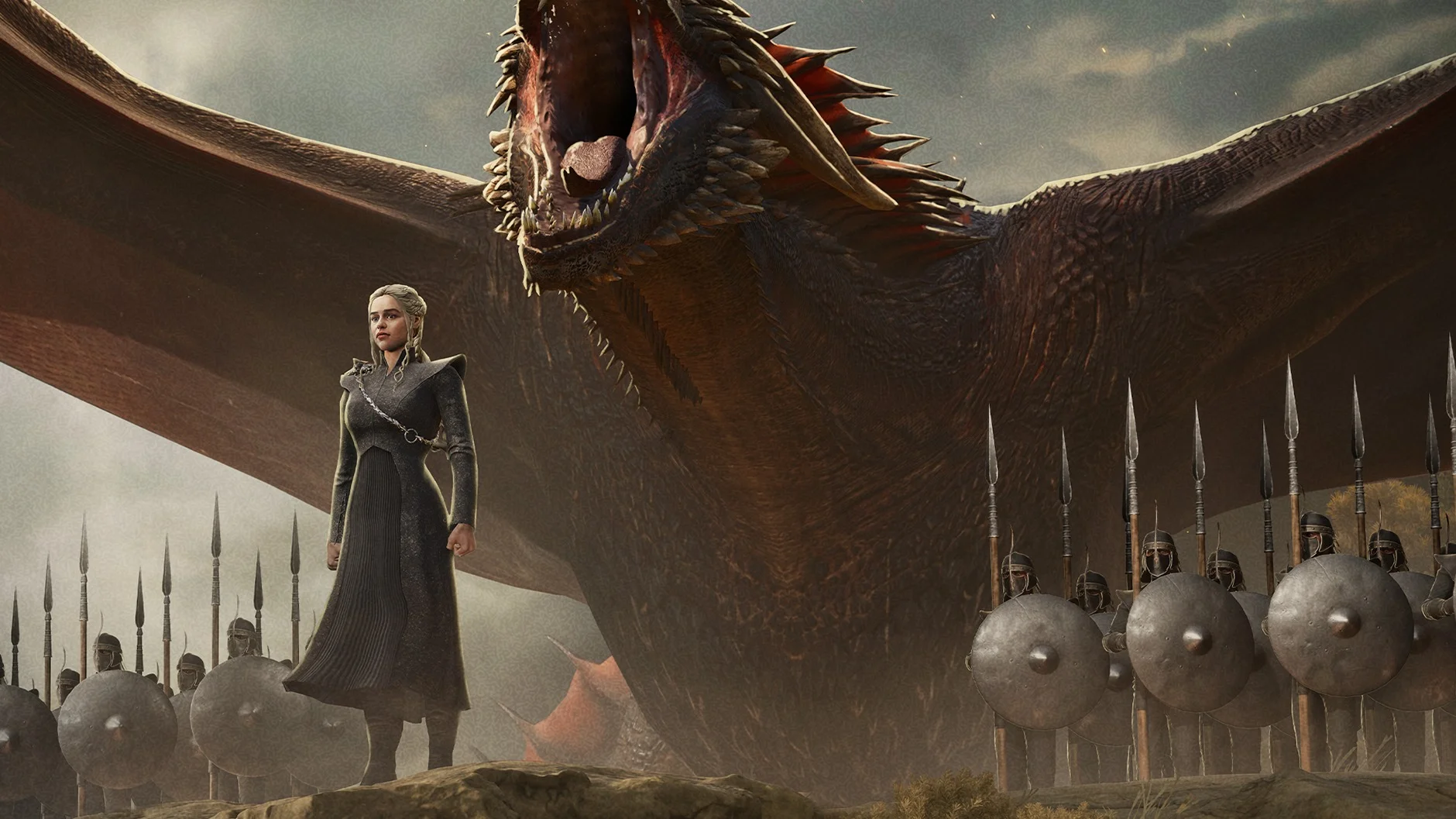
The short official teaser is built around the imagery people expect from Westeros: a dragon, a commander, shielded soldiers, and banners waiting for a war to start. It confirms the tone and the scale of the world, while the announcement promises that the longer Opening Night Live trailer will be the actual gameplay reveal.
That distinction matters. The teaser does not show a command interface, a resource system, a map, or a completed match. There is no reason to pretend those details are already known. The useful question for tonight is whether the full trailer shows players directing squads and reacting to counters, or whether it stays closer to a cinematic overview.
What War for Westeros has already confirmed?
War for Westeros is a classic real-time strategy game built for PC. The official site and Steam listing describe a solo campaign across the Seven Kingdoms alongside free-for-all multiplayer, where players can make alliances, betray them, and fight for the Iron Throne. That gives the game a clear structure: it is aiming at both a guided Game of Thrones story and the unpredictable fights that make RTS matches worth replaying.
The announced forces are House Stark, House Lannister, House Targaryen, and the Night King's Army of the Dead. PlaySide has also promised iconic heroes who can change a battle, along with infantry, cavalry, siege engines, giants, and dragons. The roster is not being presented as four versions of the same army. Each banner is supposed to make the player approach a fight differently.
There is still no final list of every unit, map, or hero. The confirmed details are enough to understand the shape of the game, but not enough to predict a winning strategy before the reveal.
The four factions should not play like reskinned armies
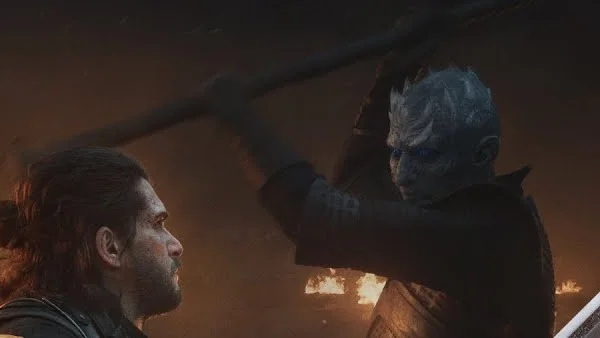
The development update names Jon Snow as a front-line leader for House Stark and Tywin Lannister as a commander who coordinates battlefield tactics. Heroes can level up, unlock new abilities, and strengthen nearby troops, so choosing when to risk one in a fight should matter as much as selecting the right unit type.
The faction split also creates a natural contrast. Stark can be built around disciplined armies and familiar heroes, Lannister can lean into control and deliberate positioning, Targaryen has access to the series' most recognizable firepower, and the Night King brings the Army of the Dead. Those descriptions are an inference from the announced forces and the official development notes, not a finished balance guide. The trailer should make the differences visible instead of leaving them in a press description.
Combat is being built around squads, counters, and terrain
PlaySide says the game is focusing on responsive unit behavior and the physical impact of attacks. Players command full squads rather than clicking individual soldiers, and those squads are meant to react to orders in a way that makes the battlefield feel readable instead of weightless.
The developer gives one simple example: cavalry can break through exposed archers, while a light infantry spearman squad can stop an incoming cavalry charge. Every House also has a high-impact trump card, such as a Giant physically throwing enemy squads into the air. That kind of counterplay is more interesting than a battle decided by whichever side has the bigger health bar.
Maps are meant to create another layer of choice. The update names King’s Landing, The Wall, and Ashemark among the locations in development. Ashemark is described as a focused 1v1 battlefield with two open lanes, defensible positions, and room to pressure, hold, flank, and counterattack. The full trailer should show whether those spaces are as easy to read in motion as they sound on paper.
When to watch the Gamescom reveal?
gamescom Opening Night Live starts Tuesday, August 25, at 2 p.m. Eastern, 11 a.m. Pacific, 7 p.m. in the United Kingdom, and 8 p.m. in Cologne. That is 1 p.m. Central. The official War for Westeros site confirms that its Gameplay Reveal Trailer is part of the show, but it has not announced a separate segment time, so viewers should watch the full presentation rather than wait for a standalone upload.
For the complete lineup and viewing options, use our Gamescom 2026 Opening Night Live guide. It includes the show's start time, confirmed appearances, and where to watch the stream.
The release moved to early 2027
PlaySide's July development update moved War for Westeros to early 2027. The studio said the extra time is being used to keep working on the real-time battles and reach the quality bar it wants for both RTS players and Game of Thrones fans. Steam currently lists the broader 2027 window, while the official site uses the more specific early-2027 wording.
That makes tonight's footage a progress check rather than a release-date announcement. A strong trailer can show why the delay is useful: squads that move with purpose, heroes who change a fight, and terrain that gives players a reason to think about where they attack. A precise launch day can come later.
What the full trailer still needs to answer?
The first big question is campaign structure. The official site promises a solo campaign across Westeros, but it has not explained whether that is a linear story, a collection of faction campaigns, or a sandbox where the player rewrites famous battles. That choice will decide how much the game feels like a story-driven adaptation rather than a multiplayer RTS with a license attached.
The second question is multiplayer scale. PlaySide has confirmed free-for-all battles, yet the number of players, map sizes, matchmaking details, and whether cooperative modes exist are still open. The trailer can answer some of that simply by showing a match from start to finish instead of cutting away whenever a decision is made.
The final question is whether the interface makes the fantasy readable. A Game of Thrones battle can look spectacular, but players need to see why a unit wins, where a flank opens, and what a hero ability changes. The best reveal will let viewers imagine the choices behind the fire and snow.
War for Westeros needs to look like a strategy game
The Game of Thrones name will bring people to the stream. The gameplay has to give them a reason to stay. War for Westeros already has a strong premise: four recognizable forces, heroes who can turn a fight, and a Westeros map built for alliances and betrayal. Now PlaySide has to show those ideas working under player control.
If the trailer delivers that, the early-2027 delay will feel like a trade worth making. If it only gives us another dragon flyover, fans will still be waiting for the real war to begin.