Pixel Twelve
Hades II Bosses and Progression Guide

Walkthrough

Hades II Bosses and Progression Guide

Use this Hades II guide to understand boss walls, Arcana and weapon progression, route pressure, and how to tell whether a failed run means weak preparation, shaky damage, or plain panic.

Game: Hades IIVerified Jul 12, 2026
Guide Type
Walkthrough
Last Verified
Jul 12, 2026

Guide details

Overview

Use this Hades II guide to understand boss walls, Arcana and weapon progression, route pressure, and how to tell whether a failed run means weak preparation, shaky damage, or plain panic.

Guide section

What progression means in Hades II now

The biggest trap in Hades II is assuming every failed run is a skill problem. Sometimes it is. A lot of the time, though, the game is quietly asking for more long-term progression rather than one perfect dodge sequence. Supergiant's official description of Hades II keeps stressing its upgrade systems, surprises, and story that unfolds through both setbacks and accomplishments, and that is still the right way to read it.

In practice, progression in Hades II is not only about getting further one chamber at a time. It is about stacking enough permanent support that each boss fight stops feeling like a panic exam and starts feeling like a test you are actually prepared to take. Arcana, weapons, Aspects, Familiars, keepsake choices, incantations, and route knowledge all keep pushing the floor upward even when a run ends badly.

That is why a good boss guide has to talk about the Crossroads as much as the arenas themselves. If the only lesson you take from a wipe is 'I need to dodge better,' you miss half the game. Hades II wants you to return smarter, not only faster.

Guide section

What to improve between runs before you blame the bosses

If you keep hitting the same wall, the first question is not which attack pattern annoyed you most. The first question is whether your between-run foundation is thin. Arcana support matters more than players sometimes admit because it changes survivability, damage flow, and how forgiving the whole run feels before the first boss even arrives.

Weapons matter in the same way. Supergiant used its updates to keep expanding and refining the Nocturnal Arms, from the last main weapon arriving in the Olympic Update to Hidden Aspects and reworked weapon feel in the Unseen Update. If a weapon feels clumsy or joyless in your hands, that is not a personality flaw. It is often a sign that your route knowledge and your weapon choice are out of sync.

The same goes for Familiars, keepsakes, and broader Crossroads growth. They are easy to undervalue when a boss just crushed you in thirty seconds. But those quiet systems are exactly what turn a frightening room into a manageable one. If repeated boss losses keep happening, check the permanent layer before you declare the fight unfair.

Guide section

How to read a boss wall correctly

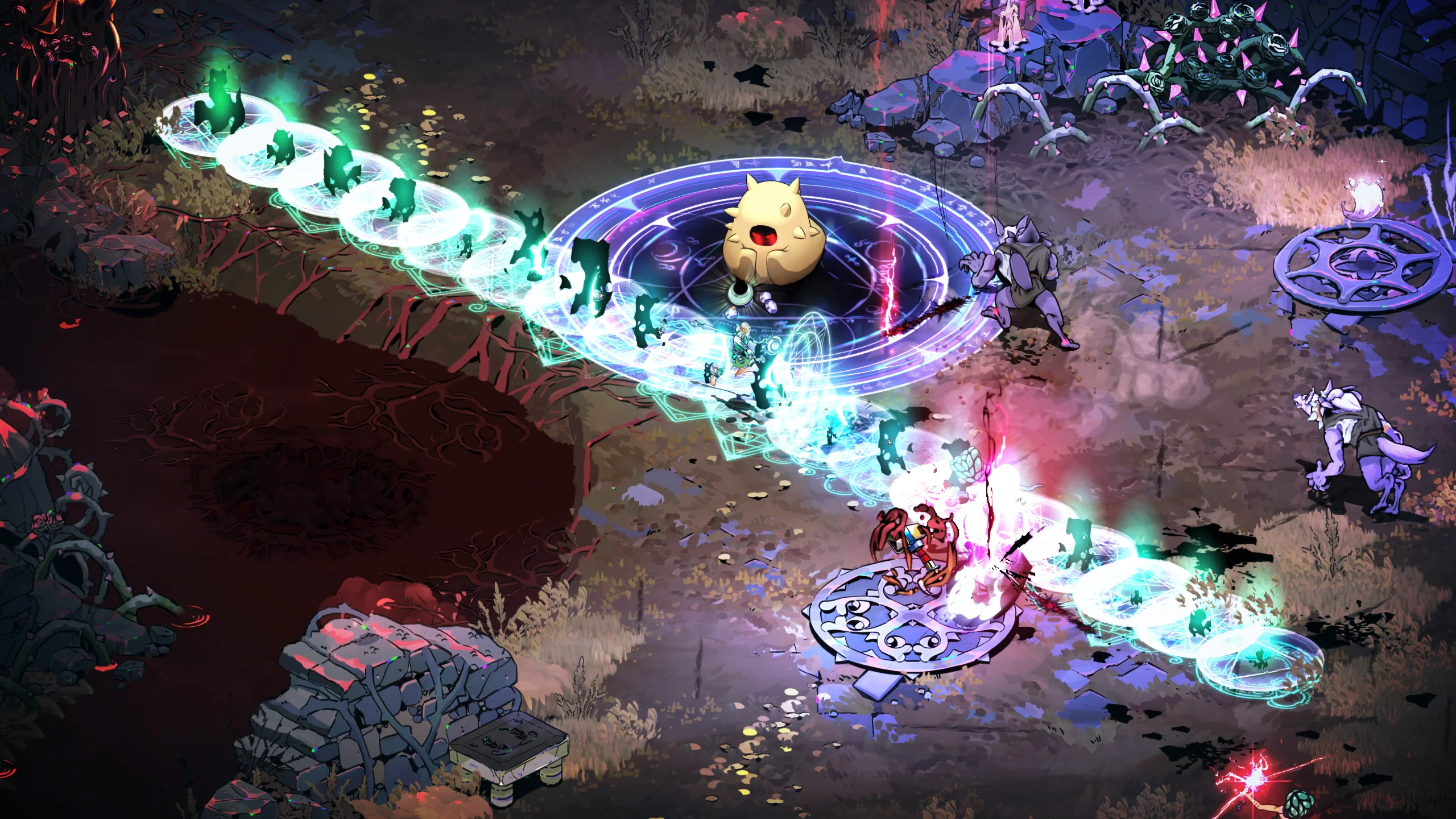
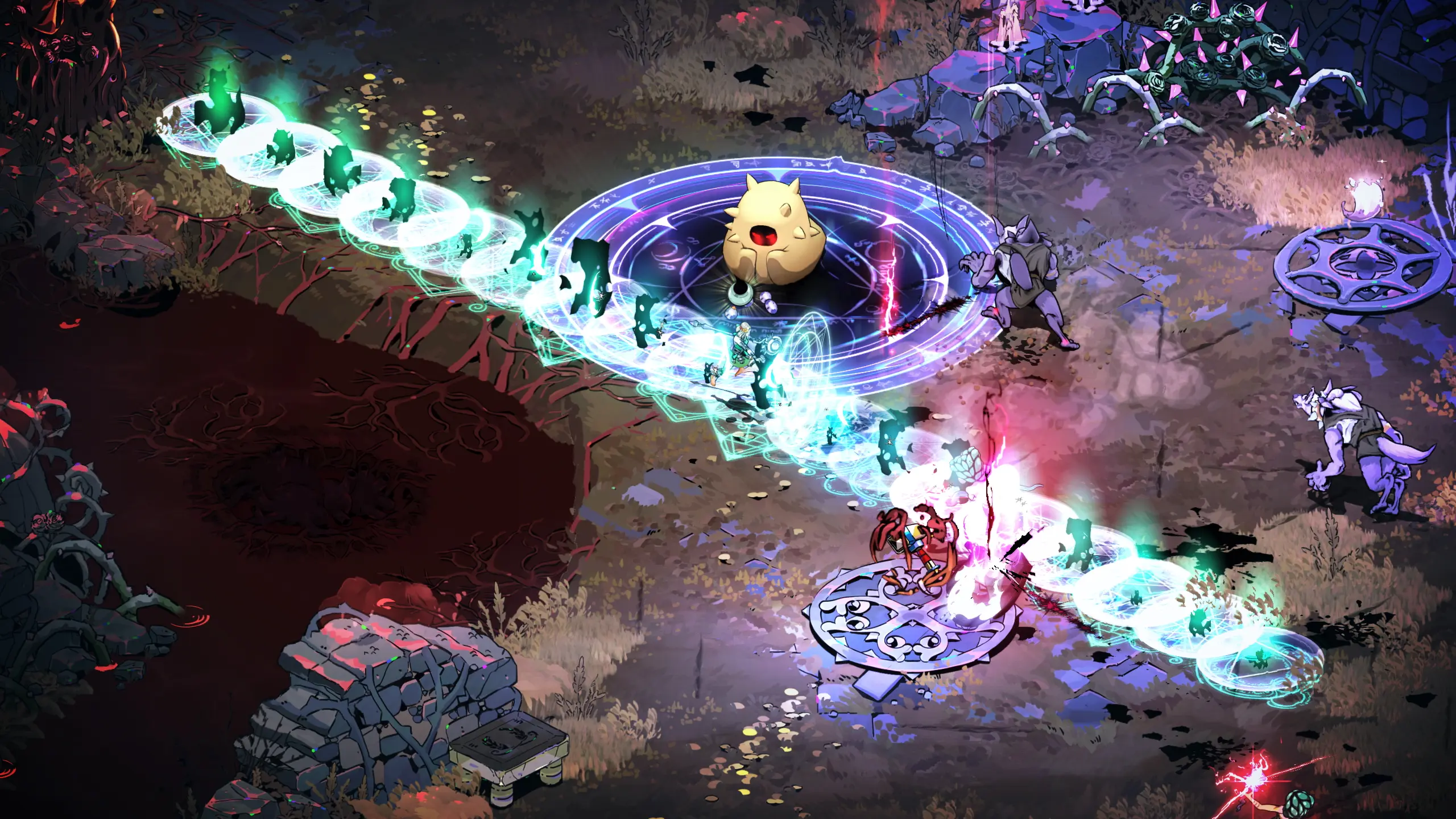
Most Hades II boss walls fall into one of three buckets. The first is survivability: you are reaching the encounter with too little health cushion, weak sustain, or a build that never stabilized. The second is damage pacing: you can survive for a while, but the fight drags so long that mistakes stack up. The third is overload: the screen gets busy, your plan disappears, and panic starts making choices for you.

Reading the wall correctly matters because each problem asks for a different fix. A survivability problem might want safer boons, cleaner movement, or Arcana support. A damage problem might want a more focused weapon path or better upgrade discipline. An overload problem often means you need a simpler combat loop, not a fancier one.

That is one of the reasons Hades II can feel tougher than the original when you are learning. The game gives you a lot of expressive tools, but expressive tools can turn into noise if you have not decided what your run is trying to do. Boss fights punish confusion more than they punish modest power.

Guide section

The early Guardians are teaching spacing, not perfection

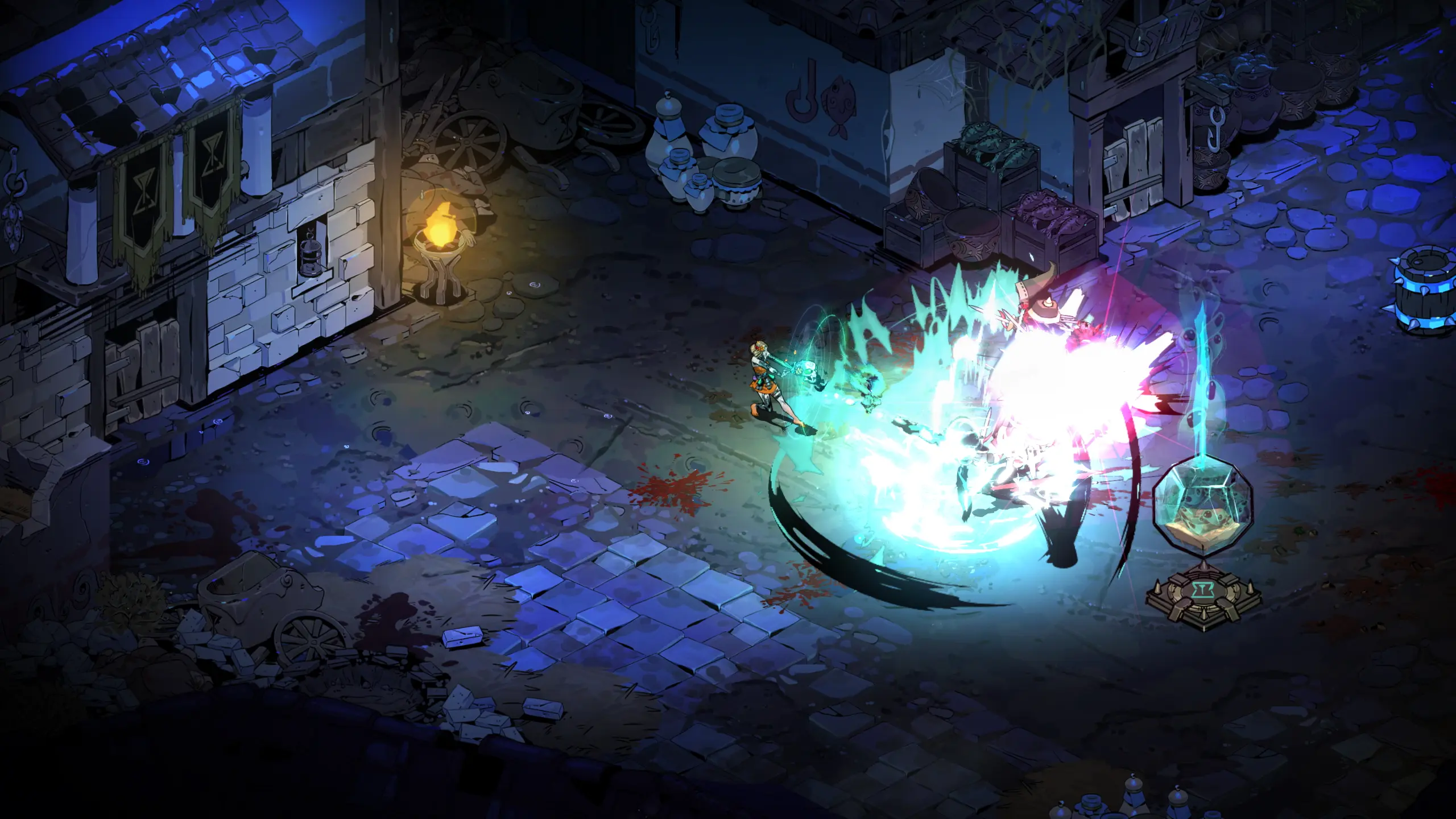
The first major boss checks in Hades II are usually less about raw damage and more about whether you have learned to keep your head while the fight asks for space discipline. New players often chase too hard, cast too late, or burn Magick because the room feels urgent. The better answer is usually calmer than that.

Early Guardians are there to teach rhythm. Hit windows are real, but they are not constant. Safe damage, clean repositioning, and knowing when to stop mashing are more important than forcing every opening. The players who improve fastest are usually the ones who let the first boss teach them how they panic, then carry that lesson forward through the whole route.

If the first wall keeps beating you, do not immediately assume the full game is beyond you. It often just means your build is too ambitious for your current comfort level. Strip the plan down. Play one weapon idea more honestly. Spend a couple of runs learning the room instead of trying to bully it.

Guide section

Mid-run bosses usually test arena control and target priority

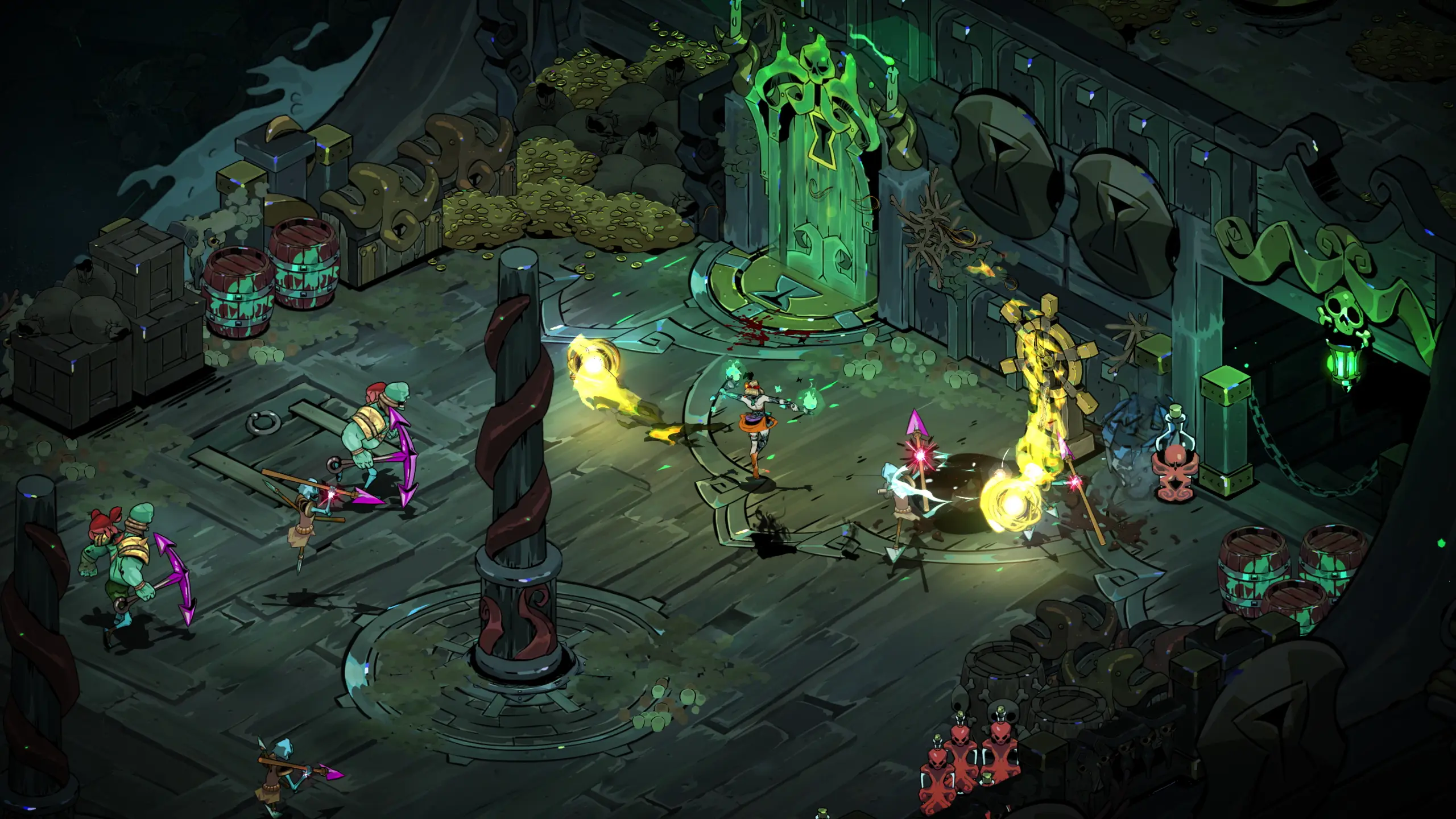
Once you are past the first wall, Hades II bosses start caring more about clutter management. This is where players discover whether they can control the arena while still remembering their build identity. It is not enough to survive the center of the room. You have to understand which threats need immediate attention and which can be managed through movement.

That is why some runs feel amazing against normal encounters and suddenly fall apart in a boss room. Regular chambers let messy builds fake momentum for longer. Boss fights strip that illusion away. If your damage is scattered, if your cast plan is inconsistent, or if you need to stand still longer than the room allows, a mid-run Guardian is where that weakness usually gets exposed.

The best adjustment is not always adding more aggression. Sometimes it is choosing the calmer line: clearer target focus, fewer desperate dashes, better use of pillars or safe edges, and enough patience to let the room breathe. Arena control is a progression skill as much as a combat skill, because it gets better when your build and your nerves stop fighting each other.

Guide section

The route split changes what good progression looks like

Supergiant spent multiple major updates expanding and then finishing the structure of both the Underworld and Surface routes. That matters because progression in Hades II is not only a straight line downward. Different routes create different stress. Some ask for cleaner attrition, some ask for more mobility, and some expose weaknesses you barely noticed elsewhere.

If you are entering the surface path and wondering why the game suddenly feels sharper, that reaction makes sense. The surface route grew across the Olympic and Warsong updates, and it carries a different kind of pressure from the Underworld descent. It can punish loose preparation, greedy resource use, and uncertainty about whether your build actually has enough range or stability.

This is where progression knowledge becomes more valuable than raw confidence. A route that feels hostile is often telling you something true about your build. Listen to that before you force another dozen runs into the same wall. Sometimes the right answer is a different keepsake path, a sturdier weapon, or a more measured goal for the run instead of demanding a miracle clear immediately.

Guide section

When boons, Hexes, and weapon identity should change your plan

Later Hades II updates kept giving players more ways to sharpen or complicate their plans, from Godsent Hexes in the Unseen Update to broader weapon-expression options and more evolved boon interactions. That is exciting, but it also creates a common mistake: players keep treating every run like a shopping spree instead of a shape that should get clearer over time.

Boss progression gets easier the moment your run starts saying no. If your weapon wants close-range pressure, stop collecting every distant gimmick that looks clever but slows your real damage. If your build is leaning into cast control or safer ranged play, stop pretending every melee flourish belongs just because it looked stylish in a previous run.

This is also why some players suddenly improve once they commit to one or two favored approaches for a while. Repetition is not boring here. It is educational. Once your weapon and boon identity stop shifting every chamber, boss rooms become readable enough to teach you something useful instead of only punishing improvisation.

Guide section

How to know you are really getting stronger

Real Hades II progress does not only look like a clear screen. Sometimes it looks like reaching the same boss with more control, more health, better damage, or less panic than the last five runs. Sometimes it looks like finally understanding which upgrade path keeps helping and which one only feels flashy. Those are not consolation prizes. They are the game working exactly as intended.

Supergiant's official framing of Hades II has always emphasized a story and structure that unfold through failure as well as success. The boss fights fit that philosophy. They are not only there to stop you. They are there to reveal whether your permanent systems, route decisions, and combat habits are beginning to cooperate.

So if you want the cleanest boss-and-progression mindset in 2026, keep it simple: improve the Crossroads layer, commit to clearer weapon plans, read the route pressure honestly, and measure progress by stability as much as by victory. Once that clicks, Hades II stops feeling like a wall of Guardians and starts feeling like a game that is finally letting you in on its rhythm.