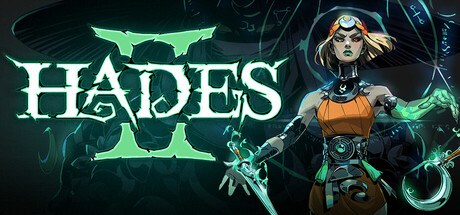
Why Hades II Has to Prove It Is More Than Just More Hades
Hades II does not just have to be good.
It has to follow one of the most beloved modern action roguelikes without feeling like a safe repeat of the first game. For fans, the question is simple: will this sequel bring back that “one more run” feeling, or will it feel too familiar?
That is the pressure sitting over Supergiant’s sequel.
Hades II has a Steam store page, which gives players a clear place to track the game. But a store page is not a review, a final judgment, or proof that the sequel has already answered its biggest questions.
The real conversation is about expectations.
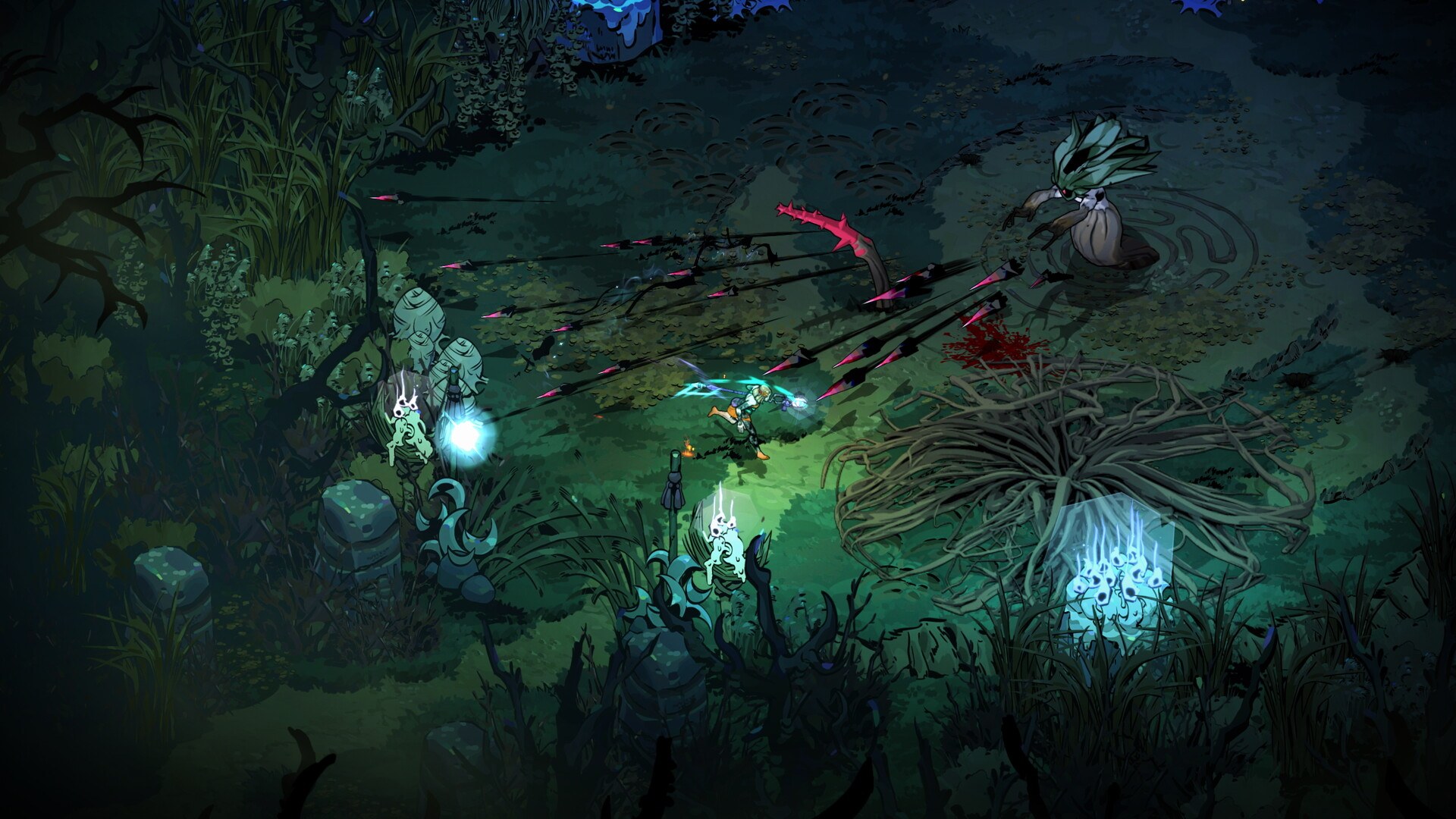
Hades became more than just a popular roguelike. It made players care about the whole loop: fast combat, repeated runs, upgrades, character conversations, story progress, failure, and the urge to try again. It was not only about beating enemies. It was about dying, learning, returning, and still feeling like the game was moving forward.
That is what makes Hades II such a difficult sequel.
If it stays too close to the original, some players will call it too safe. If it changes too much, others may feel like it lost the rhythm that made Hades special.
A sequel like this has to do two things at once.
It has to feel familiar enough that Hades fans immediately understand why it belongs in the same world. But it also has to justify the “II” in the title. It needs its own identity, its own rhythm, and its own reason to exist.
That matters even more in a roguelike.
This genre lives and dies on repetition. Players are expected to fail, restart, experiment, and run through the loop again. That only works if each run feels worth it. If the combat feels sharp, if the builds are interesting, if the rewards feel meaningful, and if the game keeps giving players a reason to say, “just one more.”
That is the real test for Hades II.
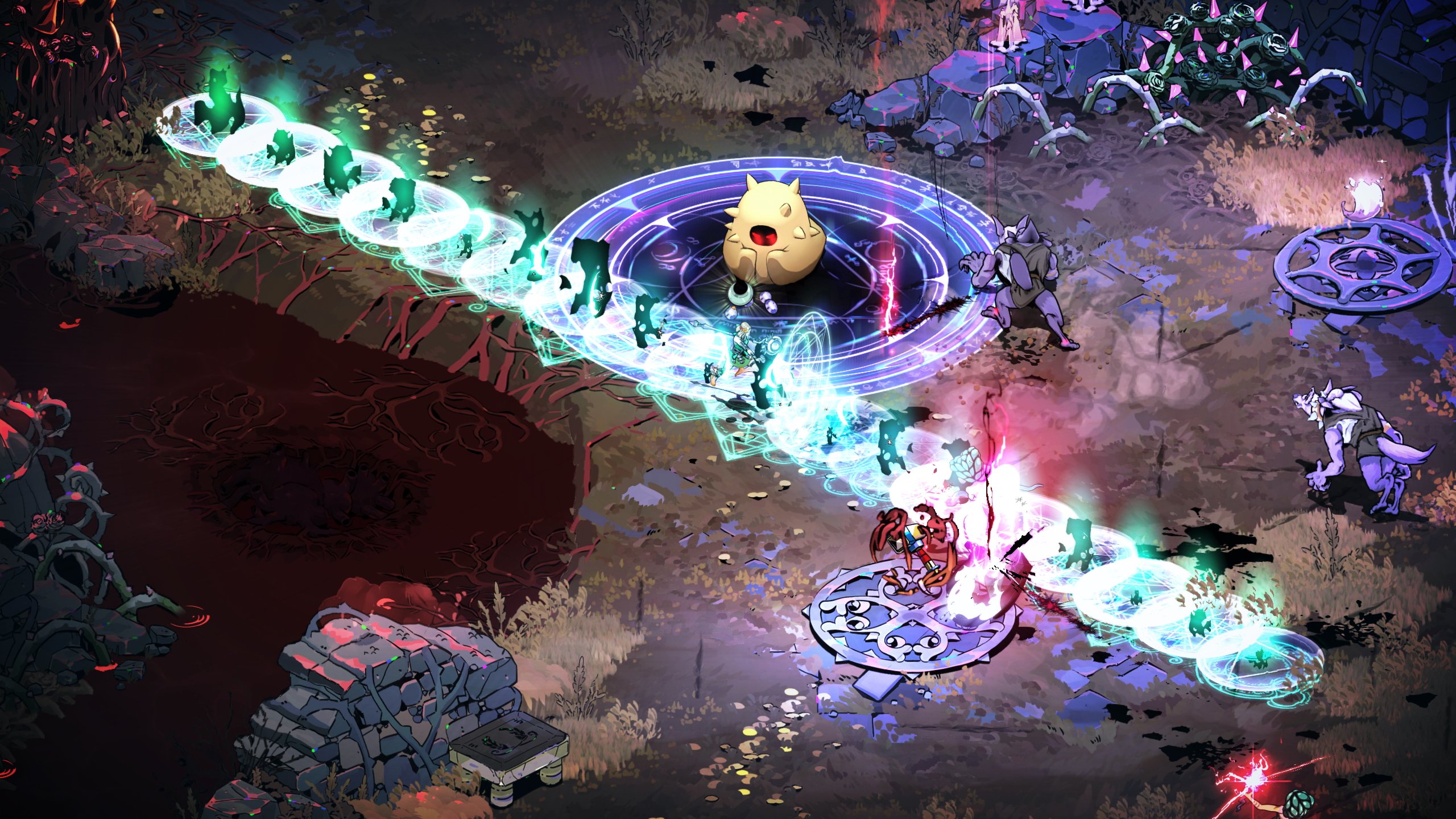
More content alone is not enough. A sequel can add new enemies, new areas, new characters, and new systems, but that does not automatically make the loop better. What matters is whether those changes make the game feel fresh without losing the addictive flow that made the original work.
Players will be watching the details.
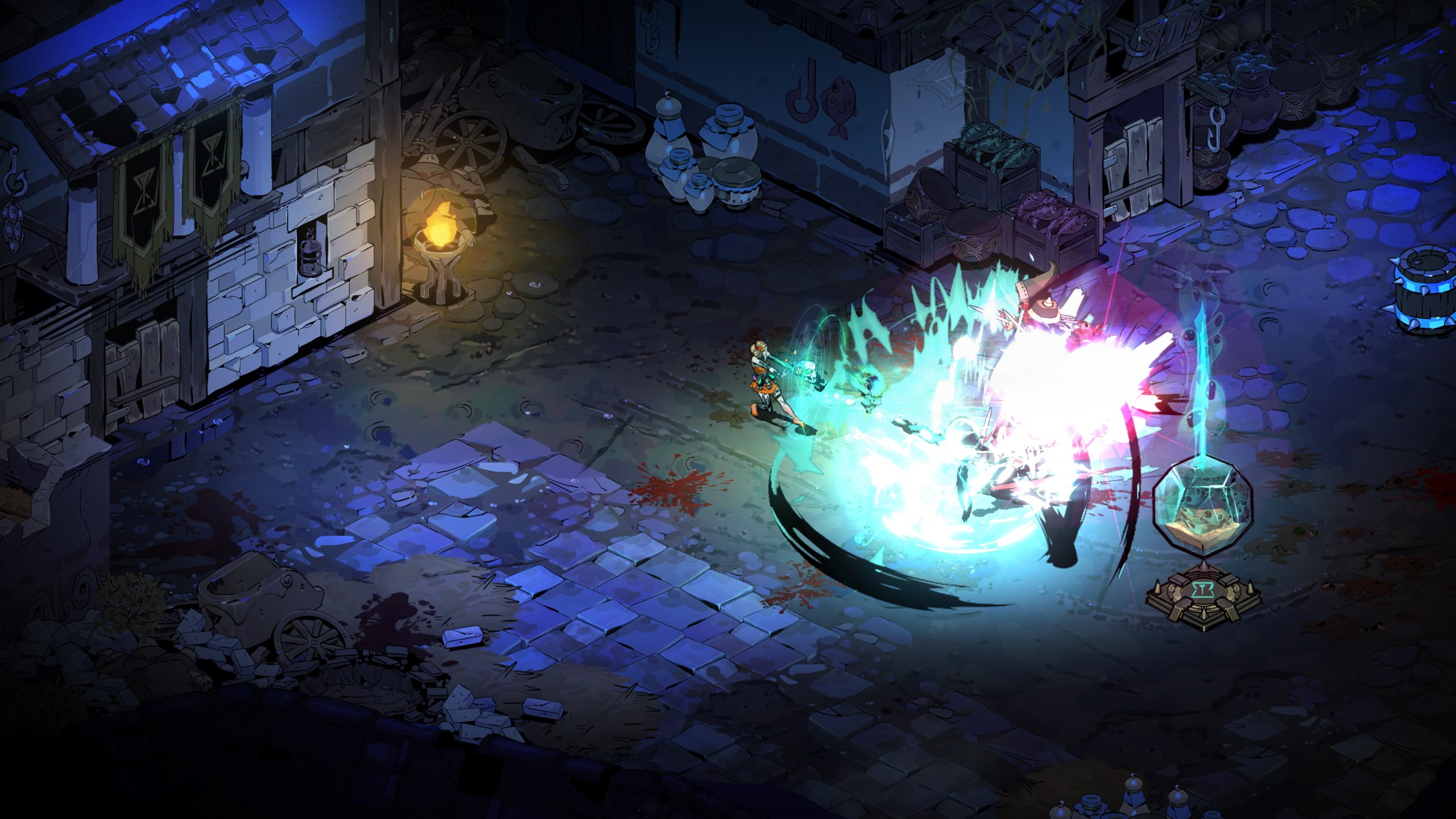
Does combat still feel fast and satisfying? Do builds encourage experimentation? Does progression feel rewarding without becoming predictable? Do characters make each return feel meaningful? Does failure still feel like part of the experience instead of wasted time?
Those are the questions that matter more than hype.
Supergiant’s name also raises expectations. Players are not looking at Hades II like a random indie roguelike trying to find an audience. They expect craft. They expect style. They expect strong writing, smart systems, and a game loop that understands exactly why people keep coming back.
That reputation is a strength, but it is also a burden.
Hades II is not getting a blank slate. It is being judged next to a game that already proved how powerful this formula can be when every part works together. That means the sequel cannot survive on the name alone.
It has to show what it keeps, what it changes, and why those choices matter.
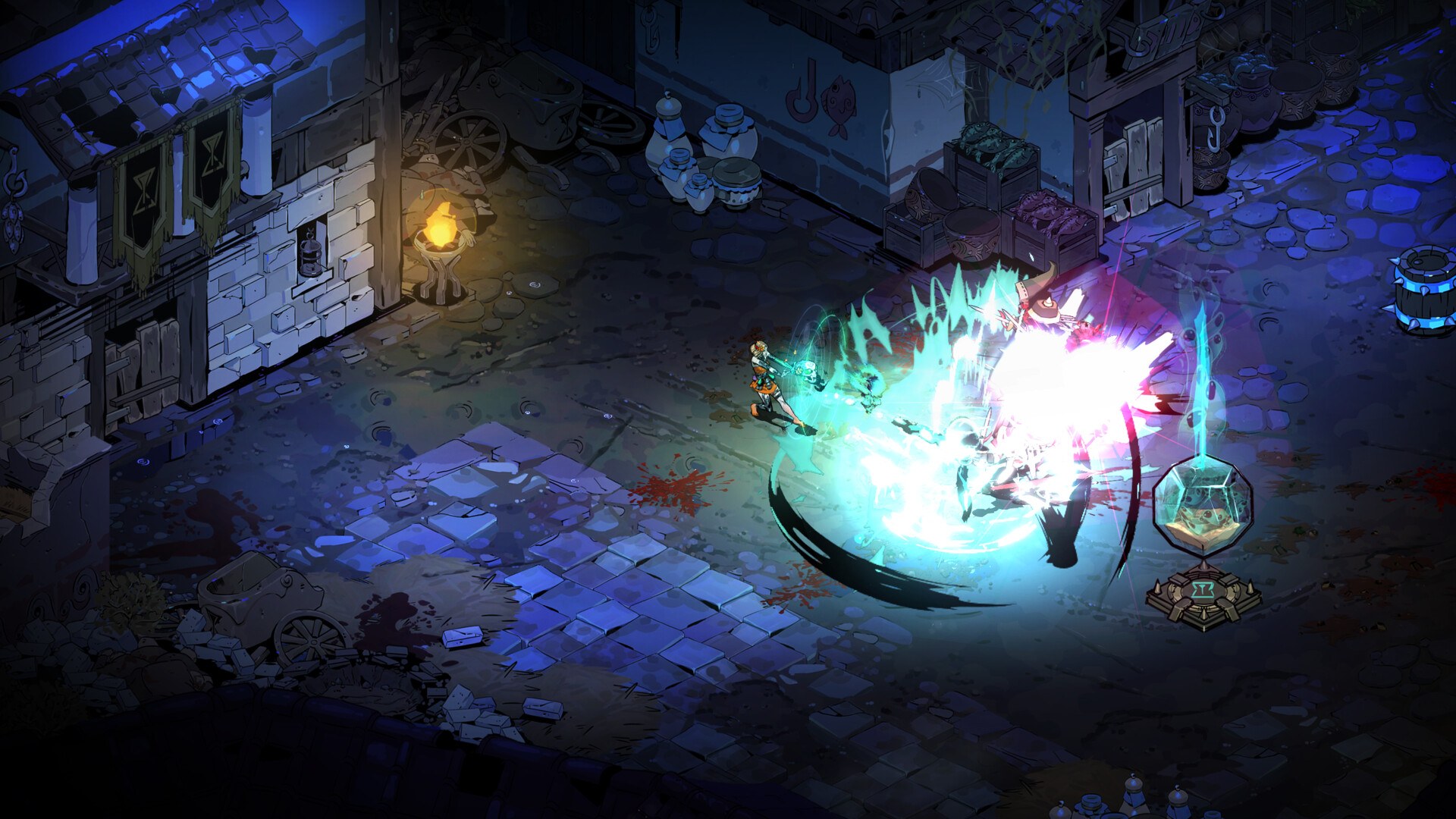
The biggest danger is not that Hades II will be bad. The bigger danger is that it could feel too comfortable. If it simply repeats the shape of Hades with a new coat of paint, some players may see it as expensive DLC with a new title.
But the opposite risk is real too.
If the sequel changes the formula too aggressively, it could frustrate players who wanted the same speed, structure, and satisfaction that pulled them into the first game. That balance is what makes Hades II interesting before any final verdict.
The best version of Hades II would not just remind people why they loved Hades. It would make them feel like the loop has a new reason to exist. It would give returning players familiar instincts, then challenge those instincts with new choices, new pressure, and new rewards.
That is what separates a strong sequel from a safe one.
Hades made its appeal easy to understand: fight, die, learn, return, repeat. The game made failure feel useful and repetition feel exciting.
Hades II has to prove that loop is still worth entering again.
That is the takeaway.
The sequel should not only be judged by how much it copies from Hades, or how much it changes. The real question is whether Supergiant can make players feel that same pull again: the need to start another run, try another build, chase another reward, and see what happens next.
Hades II does not need to escape the shadow of Hades completely.
But it does need to prove there is more waiting there than nostalgia.