Hades II looks like the kind of roguelike where you should be going all-out all the time, and that is exactly why a lot of new players hit a wall early. They try to force huge runs before they even know what a solid run is supposed to feel like. So they swap weapons every attempt, turn on Arcana without a real plan, grab Boons just because they look cool, and treat every loss like the whole run was pointless. But Hades II is not really asking that from you at the start. First, it wants you to learn the flow.
That matters even more now because Hades II is not just an Early Access game people are still figuring out on the fly. Supergiant Games launched version 1.0 on September 25, 2025, and brought it to Xbox Series X|S and PlayStation 5 on April 14, 2026. The studio has also been pretty clear about one thing that helps new players relax: you do not need to know the first Hades to enjoy this one. You just need to understand what kind of game this is actually trying to be.
Melinoe is not built like Zagreus, and Hades II does not feel the same when you are learning it. She fights with witchcraft, Omega moves, Arcana, Hexes, and a long-term Crossroads upgrade loop that makes more sense the longer you stay with it. So the best beginner mindset is usually a simple one: pick one weapon you can actually read, use Arcana to fix the thing that keeps getting you killed, and treat your early runs like scouting missions, not failed perfect clears.
Pick One Weapon and Let It Teach You the Game
The biggest early mistake is chasing novelty before consistency. Hades II now has six main Nocturnal Arms, with Supergiant confirming in the Olympic Update that Xinth, the Black Coat was the sixth and final main weapon added to the lineup. Later updates added Hidden Aspects for each main weapon as well. That sounds exciting, and it is, but it also creates a trap for beginners: too many players think variety is the same thing as progress.
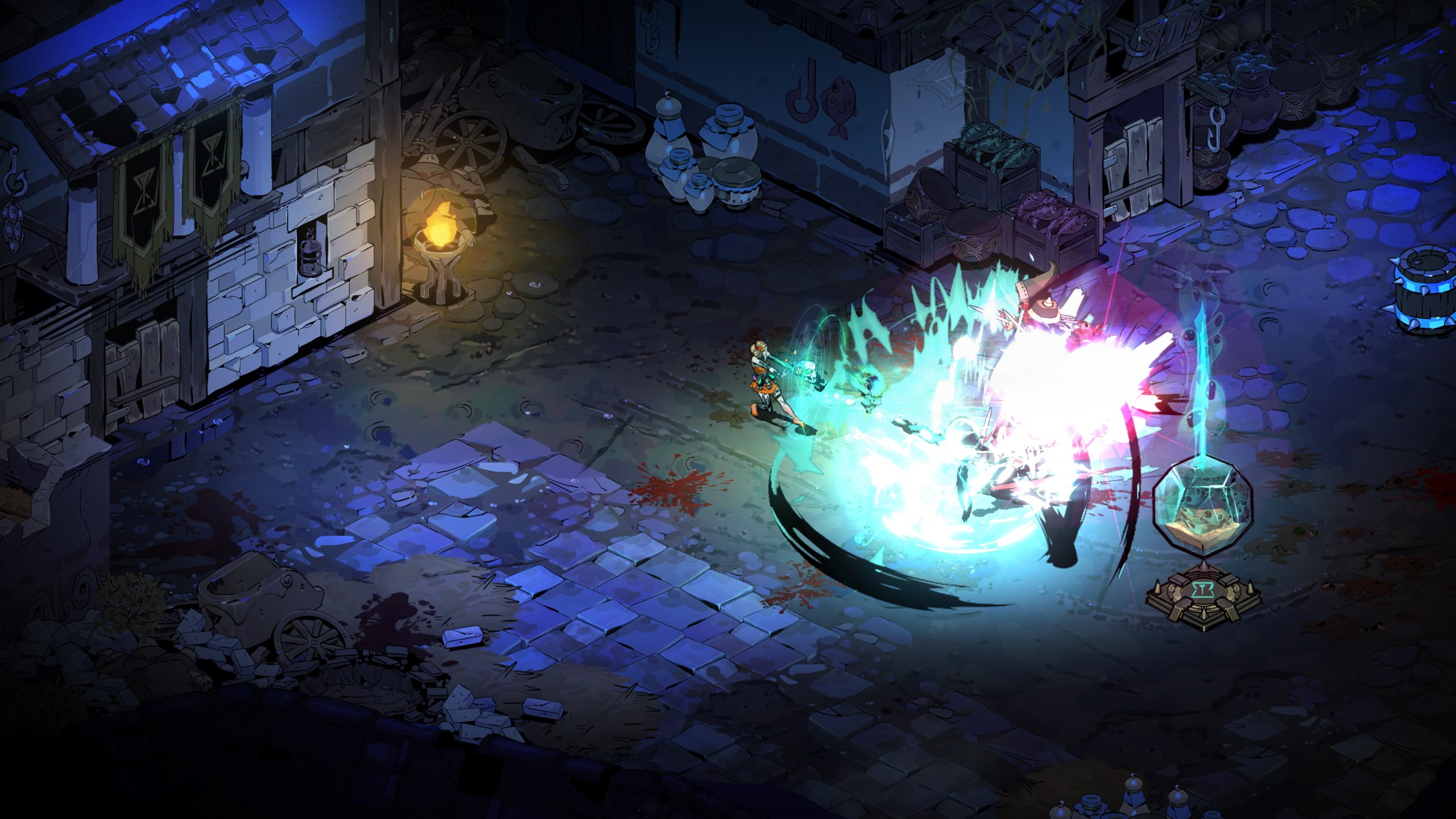
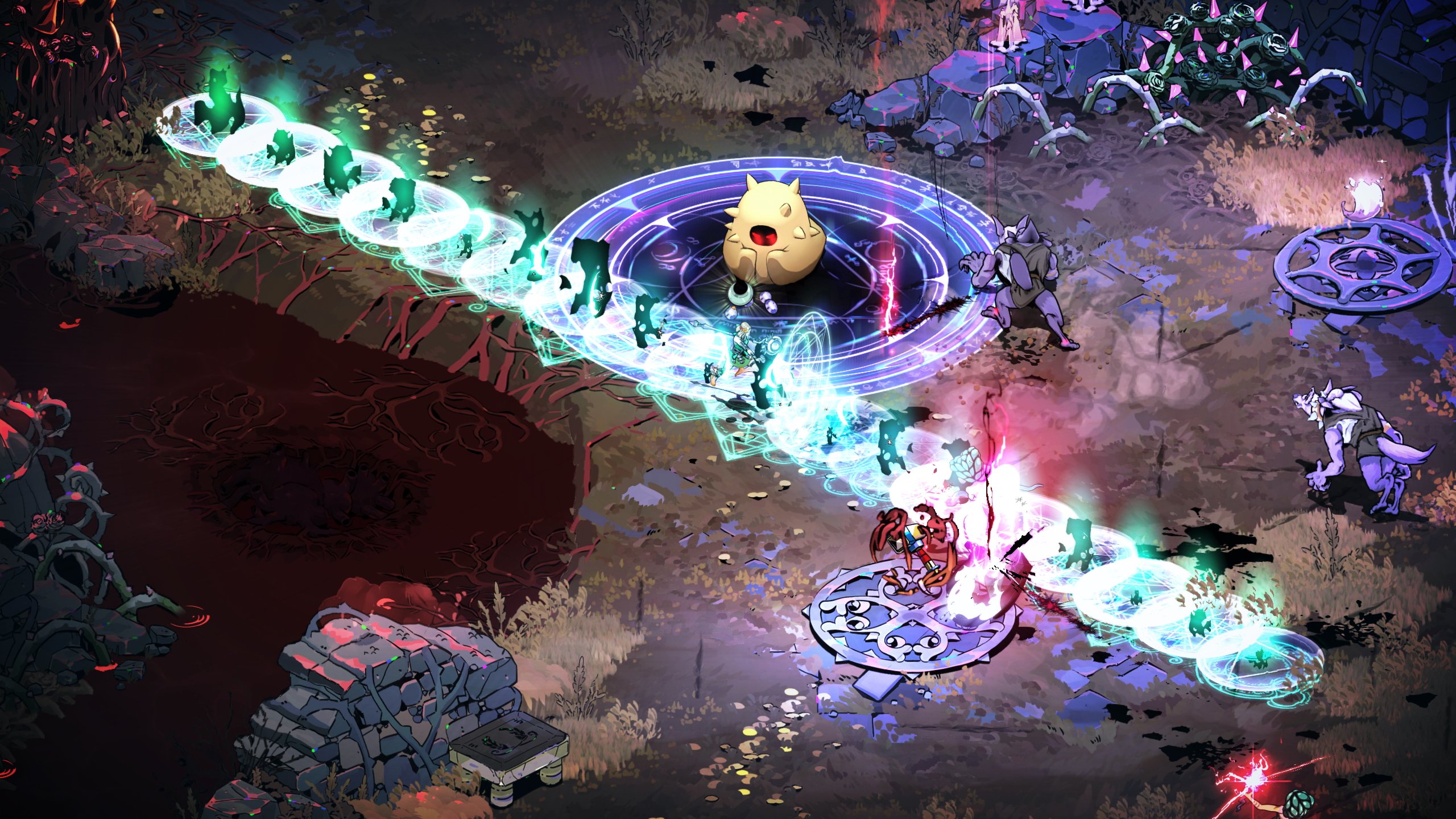
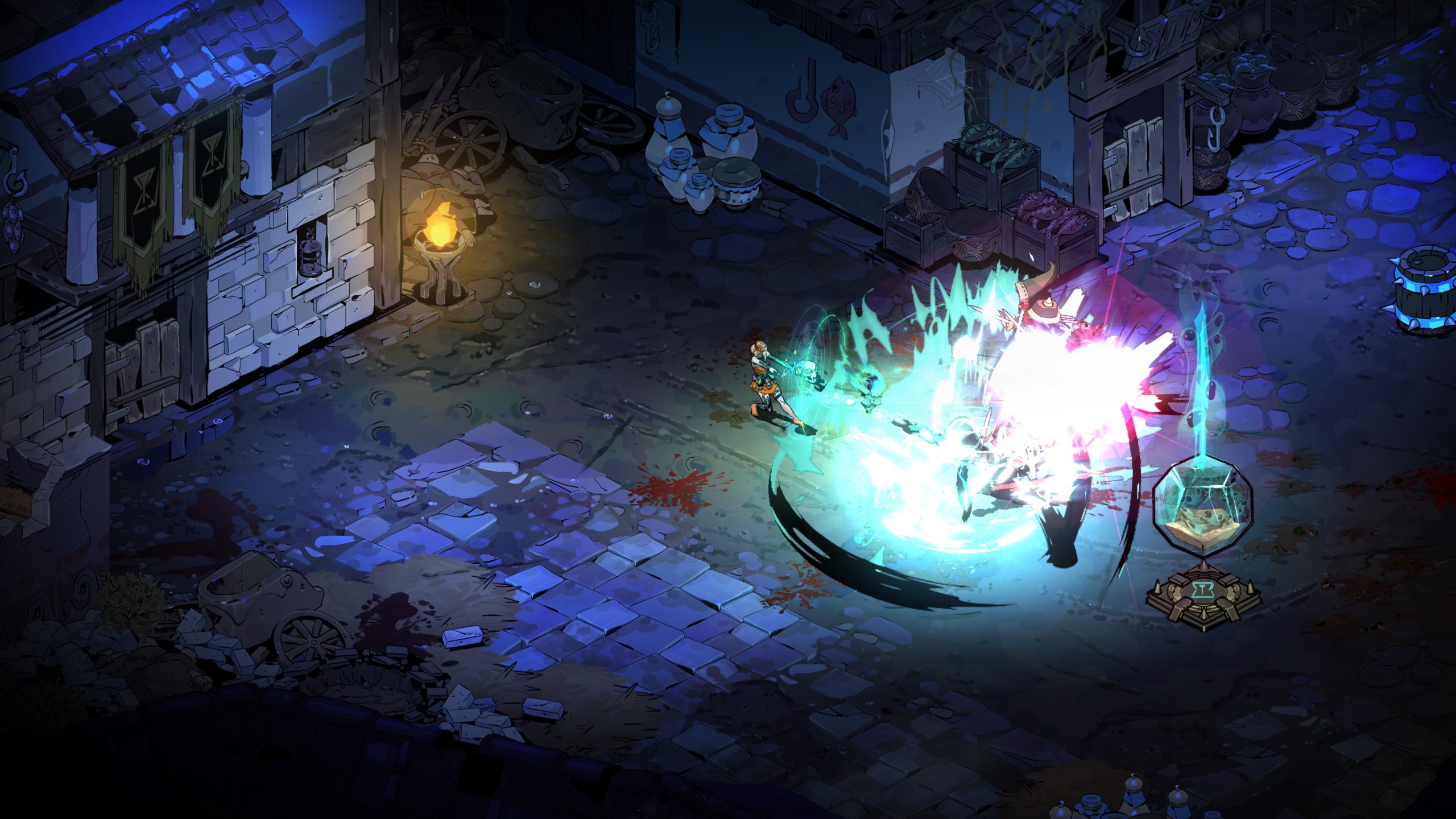
For your first several runs, variety is usually the enemy. What you really need is repetition. Pick the weapon that makes the combat easiest for you to read, then stay with it long enough to understand four things: your safe range, your Omega timing, your best panic option, and how your Cast helps control space. Once those pieces start feeling natural, the rest of the run gets easier to interpret. You stop reacting to every room like a surprise quiz and start noticing where your build is actually strong.
That does not mean you are marrying one weapon forever. It just means your early learning is more valuable when one variable stays stable. If one arm makes you feel composed and another makes you mash, the composed one is your beginner weapon even if the flashier choice looks cooler. Hades II rewards players who can tell the difference between a style they admire and a style they can really pilot under pressure.
This is also why beginners should not worry too much about Hidden Aspects or late-game weapon identity right away. Supergiant describes those Hidden Aspects as all-new fighting styles to unlock, which is perfect once you already know what the base weapon is asking from you. Before that, they can turn learning into noise. The cleanest first plan is simple: get one weapon to the point where a bad room feels manageable and a good room feels repeatable.
Arcana Should Solve Problems, Not Fill Empty Slots
If weapons are your hands, Arcana is your spine. Supergiant's Warsong Update specifically highlighted reworked Arcana effects at the Altar of Ashes, which is a good reminder that Hades II expects this system to matter. Arcana is not decorative progression. It is the layer that helps your runs stop feeling fragile. The mistake beginners make is treating each card like a tiny independent bonus instead of part of a response to whatever is going wrong.
So ask a plain question after each run: what actually broke first? If you keep running out of Magick, then your next Arcana choices should help your Magick economy or reduce how reckless you are with Omega moves. If you keep getting clipped while trying to finish enemies, then you likely need more breathing room, safer positioning, or a less greedy rhythm. If you keep surviving for a while but dealing weak damage, then your weapon and Boon choices may not be pointing in the same direction yet.
The useful beginner mindset is not to unlock everything as fast as possible. It is to make the next run easier to understand. Hades II gets better when your Arcana setup has a point of view. A tight setup that supports one real plan is stronger than a scattered page full of bonuses you cannot feel during combat. When people say Hades II feels smarter than the first game, a lot of that feeling comes from this exact layer. Your loadout is shaping how each room is read.
Hexes fit into this same lesson. The Unseen Update framed them as Moon magick upgraded with the power of the Olympians, which makes them sound like a giant center-piece. They can be, later. Early on, do not force your entire run around them if they are distracting you from the fundamentals. A beginner run usually improves more from reliable movement, cleaner Cast placement, and better Omega discipline than from trying to make every big flashy tool carry the whole escape attempt.
Your First Runs Are Really Recon Runs
Hades II tells its story through setbacks and accomplishments, and Supergiant says as much in the official FAQ. That is not flavor text. It is the actual contract of the game. Your first runs are supposed to gather information, resources, reactions, and relationships. If you only judge them by whether you reached some boss faster than last time, you miss what the game is paying you in confidence.
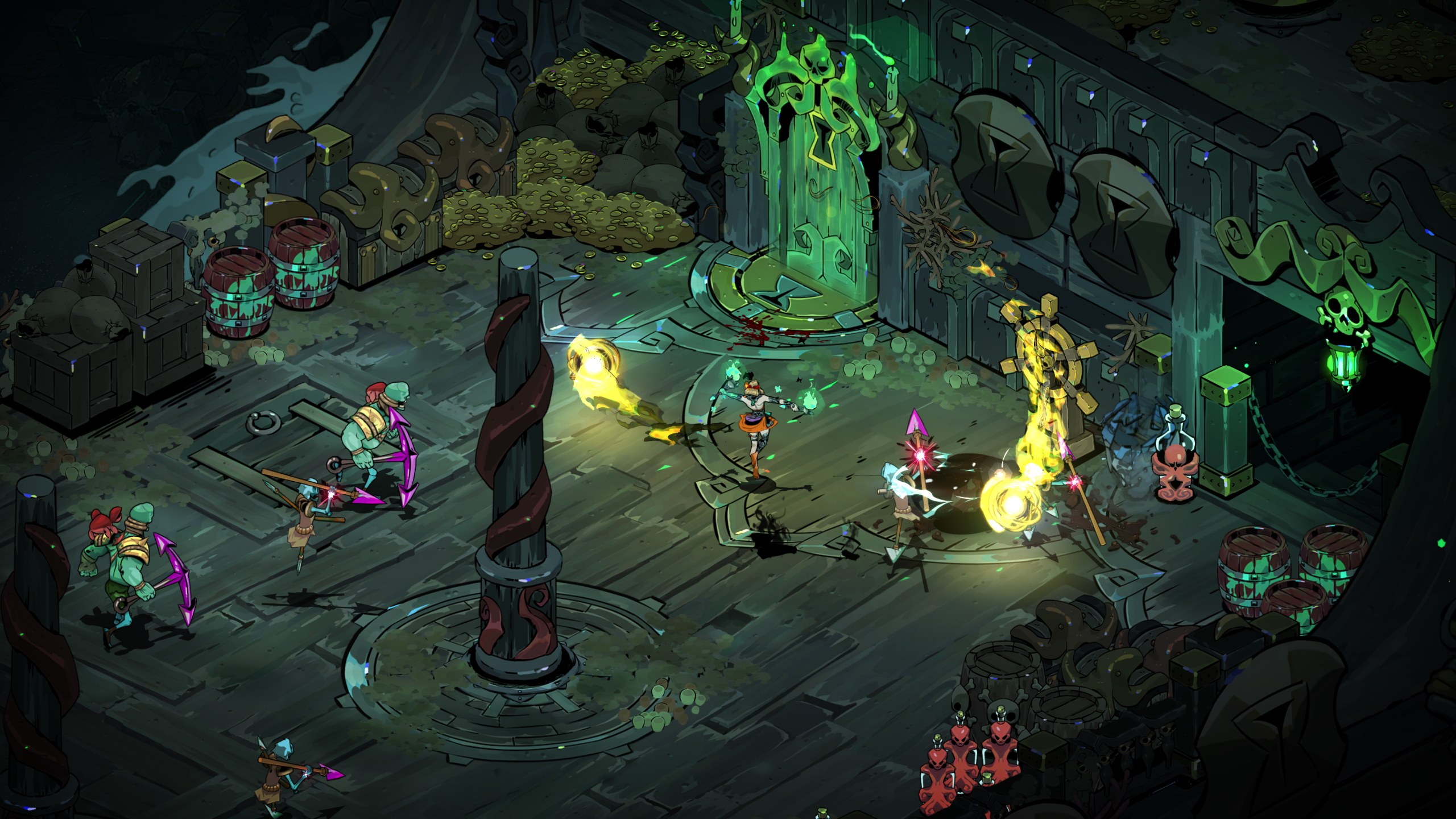
That is why your early goal should not be a heroic clear. It should be a stable loop. Learn what rooms make you panic. Notice which enemy patterns keep stealing damage. Pay attention to which Boons immediately make your weapon feel more coherent, and which ones are technically strong but awkward with the way you naturally fight. Hades II becomes much less intimidating once your choices start reinforcing one another instead of competing for your attention.
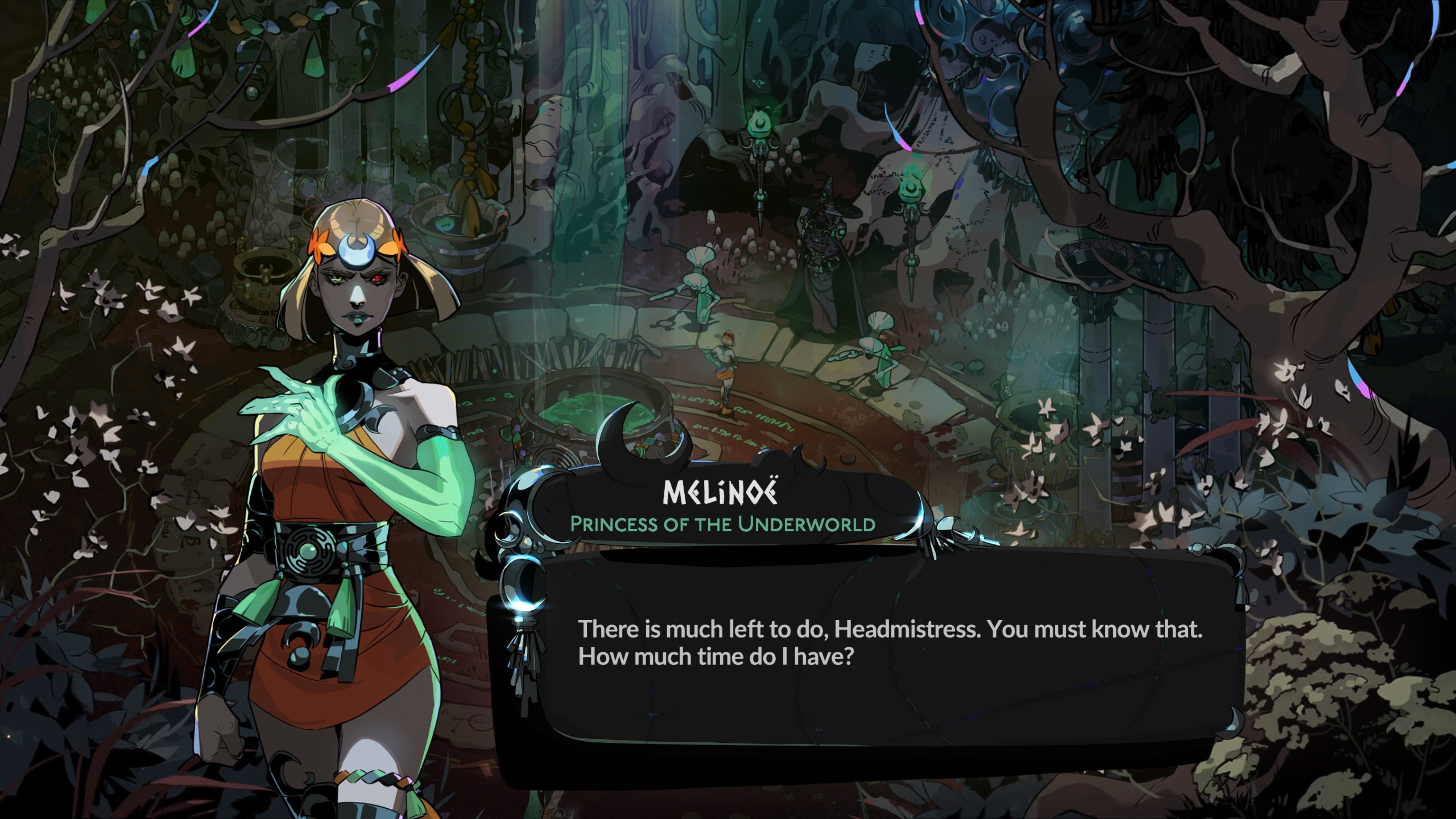
A good early rule is to take Boons that make your main plan clearer, not just rarer. If your weapon is finally feeling comfortable at mid-range, do not throw that away for a flashy option that pushes you into a rhythm you have not learned yet. If your Cast is the thing keeping rooms readable, keep feeding that identity. Hades II gives you lots of power, but it does not force you to use every type of power at once. The safest first victories come from coherence, not from greed.
This also applies to the other systems that start opening up. Animal Familiars, extra weapons, cosmetic improvements around the Crossroads, and deeper relationship content are all real parts of the package. They just are not all equally urgent on day one. The game is happiest when you let a few systems become familiar before asking the rest to matter. Your first runs should leave you with one or two stronger instincts, not ten half-learned mechanics.
What to Care About First at the Crossroads
The Crossroads can look like downtime, but it is really where Hades II decides whether your next attempt will feel random or intentional. Talk to people. Check what just unlocked. Look at your Arcana with fresh eyes. Spend resources on the upgrades that make the core loop easier to read before you worry about the upgrades that simply make the home base busier. In a game this layered, organization is a form of power.
Practically, that means focusing on three early priorities. First, make sure you are unlocking the weapon options and core progression tools that help you understand what kind of Melinoe you want to build. Second, use the Altar of Ashes as a problem-solving screen, not a trophy wall. Third, keep talking to characters and checking new interactions even after rough runs, because Hades II is one of those games where narrative progress keeps the whole loop emotionally alive. A run that ends badly can still be useful if it unlocks a better next decision.
If the menus ever start feeling louder than the combat, simplify your post-run review. Ask yourself three questions and nothing more. What killed me? Which move actually dealt my damage? Did my Arcana help or just exist? Those answers are enough to guide your next attempt. They also stop you from making the classic beginner mistake of blaming the entire build when the real problem was impatience in two rooms or one Boon choice that pulled the run off course.
The best Hades II beginner plan in 2026 is not complicated. Pick one weapon and let it teach you the tempo. Build Arcana around the weakness you can actually feel. Treat your first runs as scouting trips, not verdicts. Let the Crossroads turn losses into structure. Do that, and Hades II stops feeling like six weapons, fifty menus, and a hundred possibilities competing at once. It starts feeling like what Supergiant clearly meant it to be: a bigger, sharper, more replayable action RPG that rewards calm choices long before it rewards perfect ones.