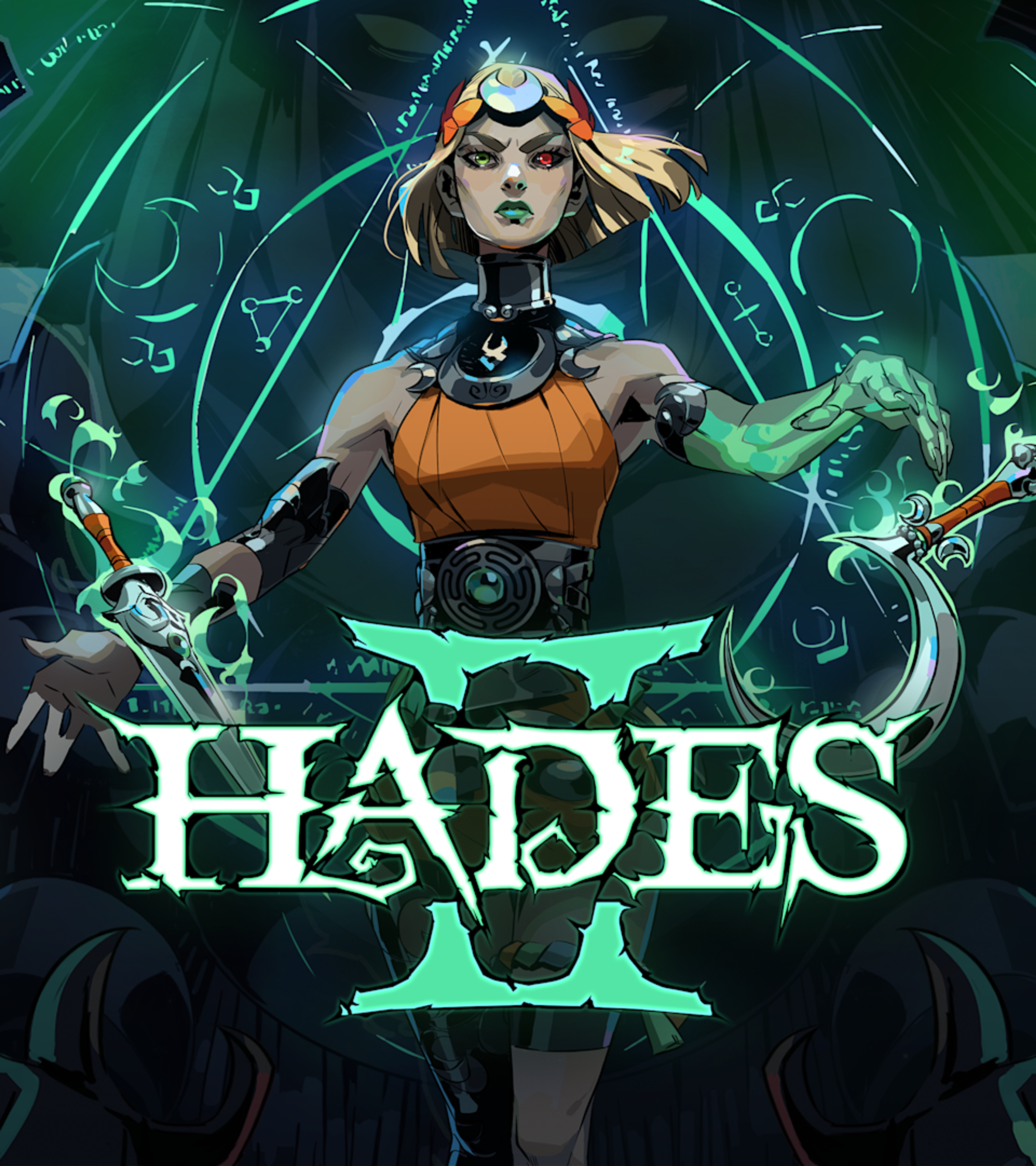
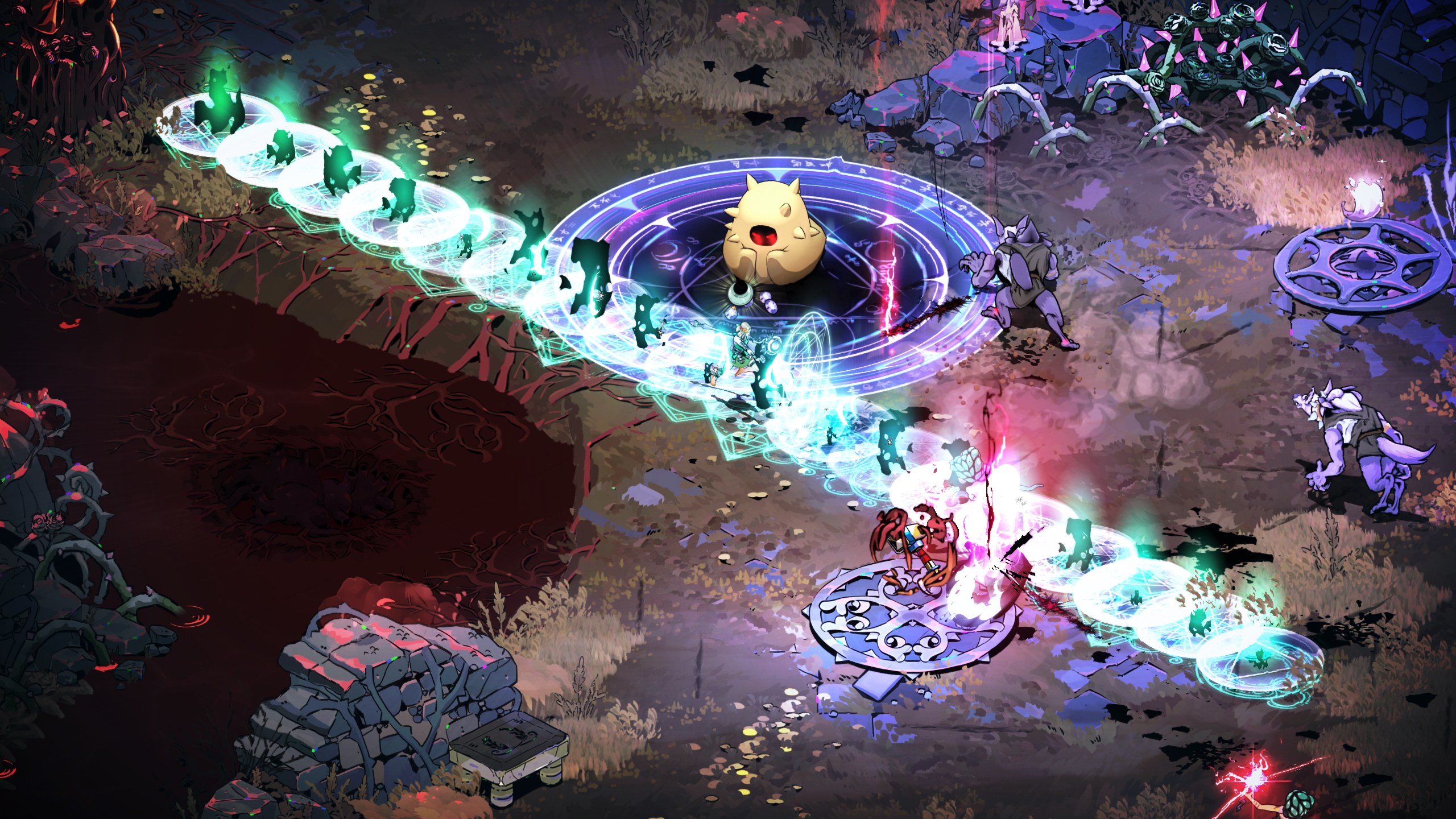
Hades II is a 10 because it does the one thing a sequel to Hades absolutely had to do: it makes the act of starting another run feel familiar for about five seconds, then steadily proves your old instincts are not enough. The first game taught players to move like a spark. Melinoe asks you to move like a plan. She can still cut through a room quickly, but the sequel keeps putting a question under your thumb: do you spend Magick now, hold position for an Omega move, trap enemies in a cast, or keep something back because the next chamber may punish greed?
That difference matters more than the bigger map, the new gods, or the obvious headline that Supergiant has made its first sequel. Hades II works because the changes are felt in the hands before they become mythology. You are still chasing boons, reacting to rooms, and making peace with death as part of progress, but the sequel is less about pure forward momentum and more about controlled commitment. A good run does not feel like luck simply smiled at you. It feels like you learned when to be patient and when to cash in.
That is the most useful way to think about Hades II if you are deciding whether it is just more Hades. It is not. It keeps the pleasure of a run that turns from shaky to brilliant, but it changes the texture around that pleasure. The Crossroads is a war camp, a witch's workshop, a family drama, and an upgrade menu that actually feels like a place. The Underworld path and the surface route give the sequel different flavors of pressure. The best builds are still absurdly fun, but they ask for a little more planning than Zagreus ever did.
Combat Is Faster Than It Looks, But Smarter Than It Feels
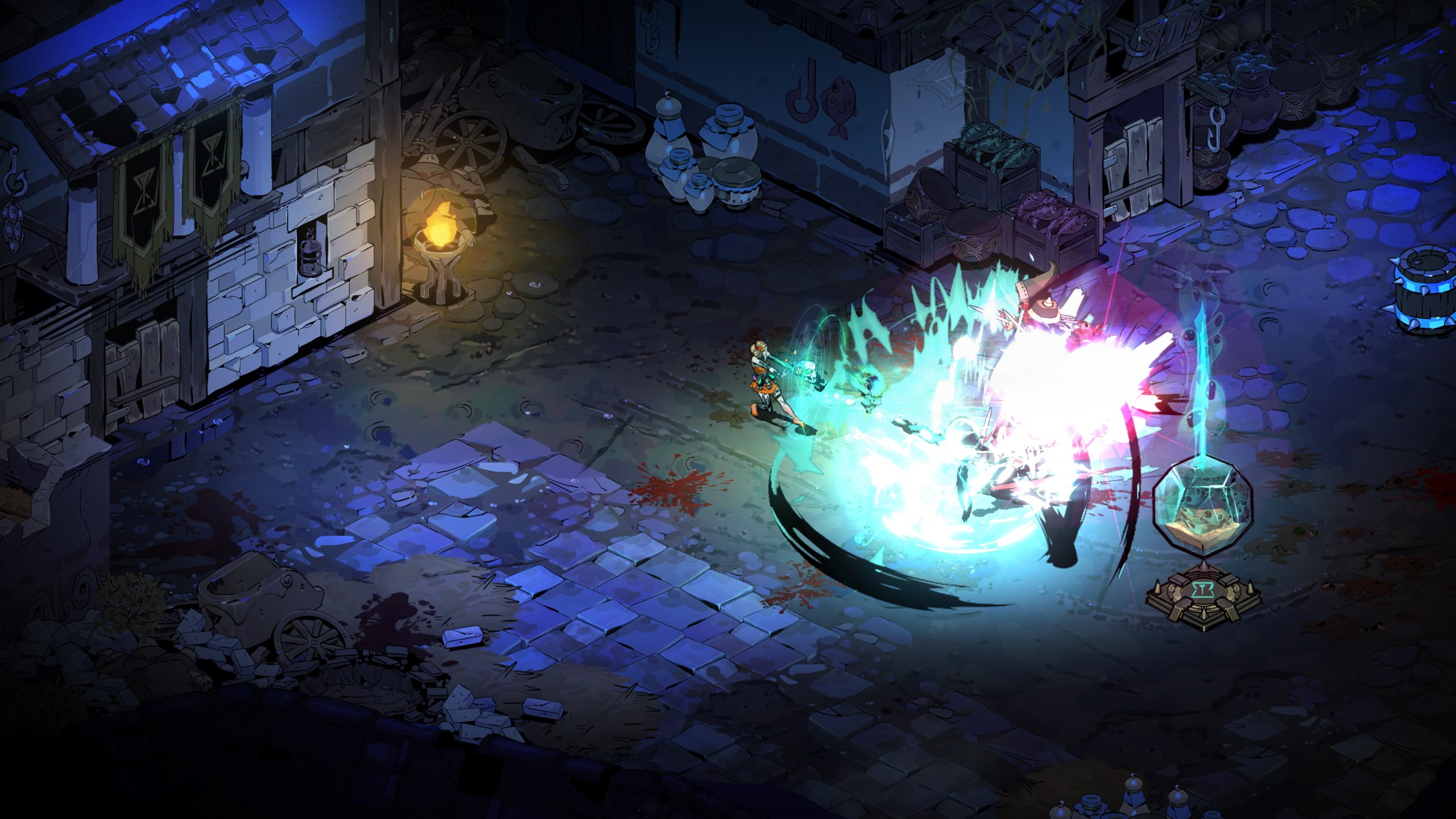
The core combat still has Supergiant's usual snap. Hits read cleanly. Projectiles are bright without becoming mush. Enemy tells are usually visible even when the room is crowded. What changes the rhythm is Magick. Melinoe's standard attack, special, cast, and dash give returning players an easy landing, but the Omega versions turn familiar inputs into small bets. Charging a stronger move can make a room collapse in your favor, or it can get you clipped because you tried to be clever half a second too long.
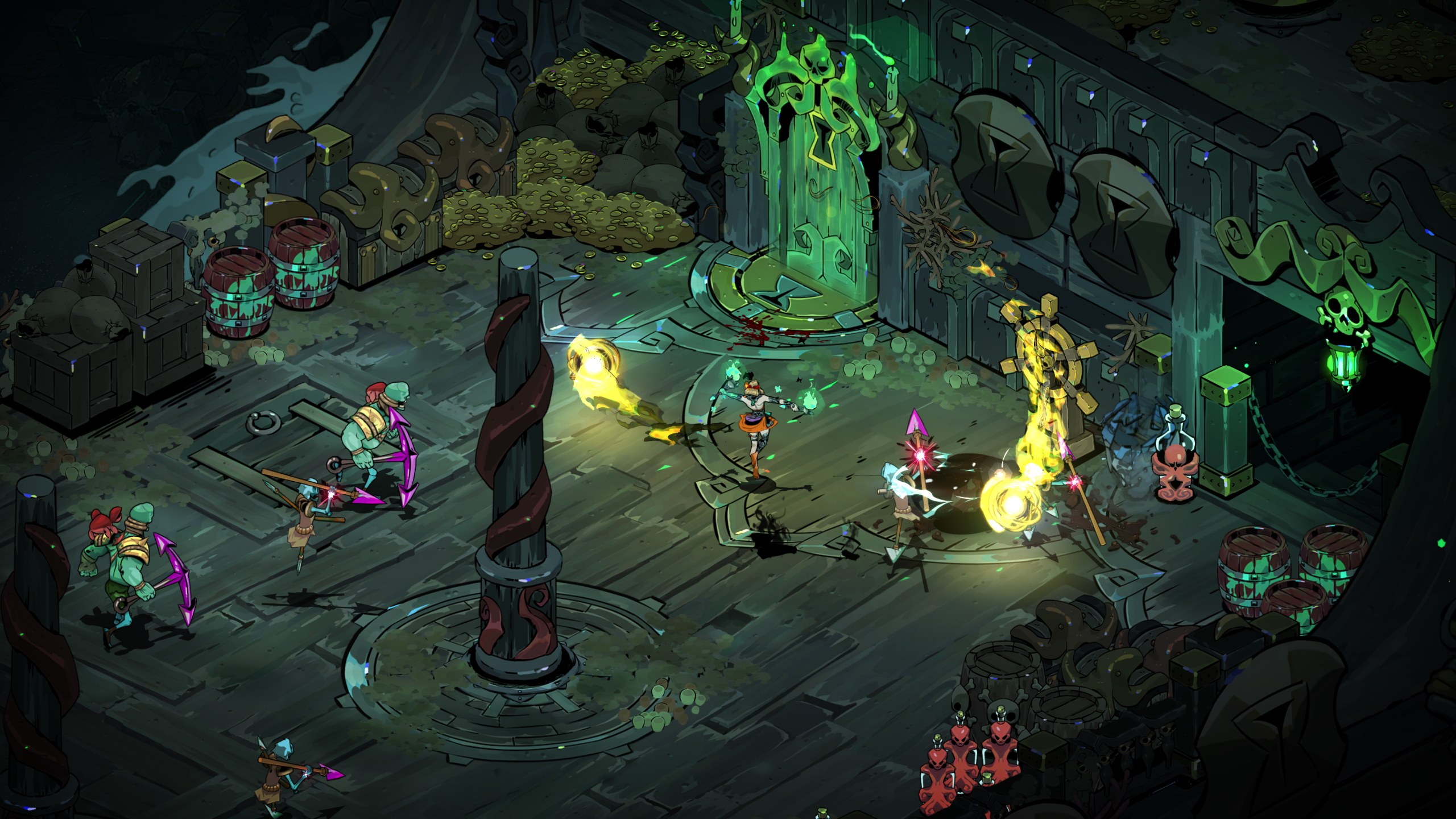
The weapons make that decision feel different from run to run. The Witch's Staff is the clearest all-rounder: easy to understand, flexible, and strong enough to teach the new rules without burying you. The Sister Blades pull you closer to danger and reward aggressive timing. The Moonstone Axe is heavier and more deliberate, with a sense of impact that makes positioning matter before damage does. The Umbral Flames are stranger, turning space management into something almost orbital once you understand how their rhythm fills the screen. None of them feel like a simple reskin of Zagreus' old kit, and that is the point.
Boons are where the sequel starts to feel properly alive. Apollo can make space feel bigger and safer. Zeus can turn repeated pressure into a storm. Aphrodite rewards the dangerous confidence of fighting close. Hephaestus makes individual hits land like punctuation. The fun is not only finding a powerful god. It is feeling a build change posture. A staff run that looked merely functional can become a safe-control machine after one cast upgrade. A blades run can flip from reckless to surgical when a boon makes close-range punishment worth the risk.
Hexes give the combat another readable layer. They are not just a flashy super move tacked onto the old formula. Selene's moon powers can rescue a failing room, burn through a boss phase, or give an already strong build one more dramatic button to plan around. The best runs in Hades II have that satisfying roguelike feeling where six unrelated decisions suddenly become one identity. You are not thinking, 'I have more damage.' You are thinking, 'This is a cast build now,' or 'This special is my whole plan,' and then playing every chamber around that truth.
Boss fights benefit from that clarity. The strongest encounters do not simply test memorization; they test whether your build has an answer under stress. If your cast is carrying crowd control, you play for space. If your Omega special is the centerpiece, every opening becomes a charging window. If your survivability is thin, every greedy extra hit becomes an argument you will probably lose. Hades II makes those decisions legible in motion, which is why losing rarely feels random. It usually feels like a lesson you were arrogant enough to ignore.
The Crossroads Makes Progress Feel Like Ritual, Not Homework
The between-run structure is busier than the first Hades, and that will be the most immediate friction point for some players. There are reagents to gather, Tools of the Unseen to choose from, Arcana cards to arrange, incantations to unlock at the cauldron, familiars to improve, and weapon goals competing for attention. In weaker hands, that would turn the loop into a checklist. Hades II mostly avoids that because the hub has a strong identity. The Crossroads is not a spreadsheet with candles on it. It feels like a hidden camp where every upgrade has a ritual weight.
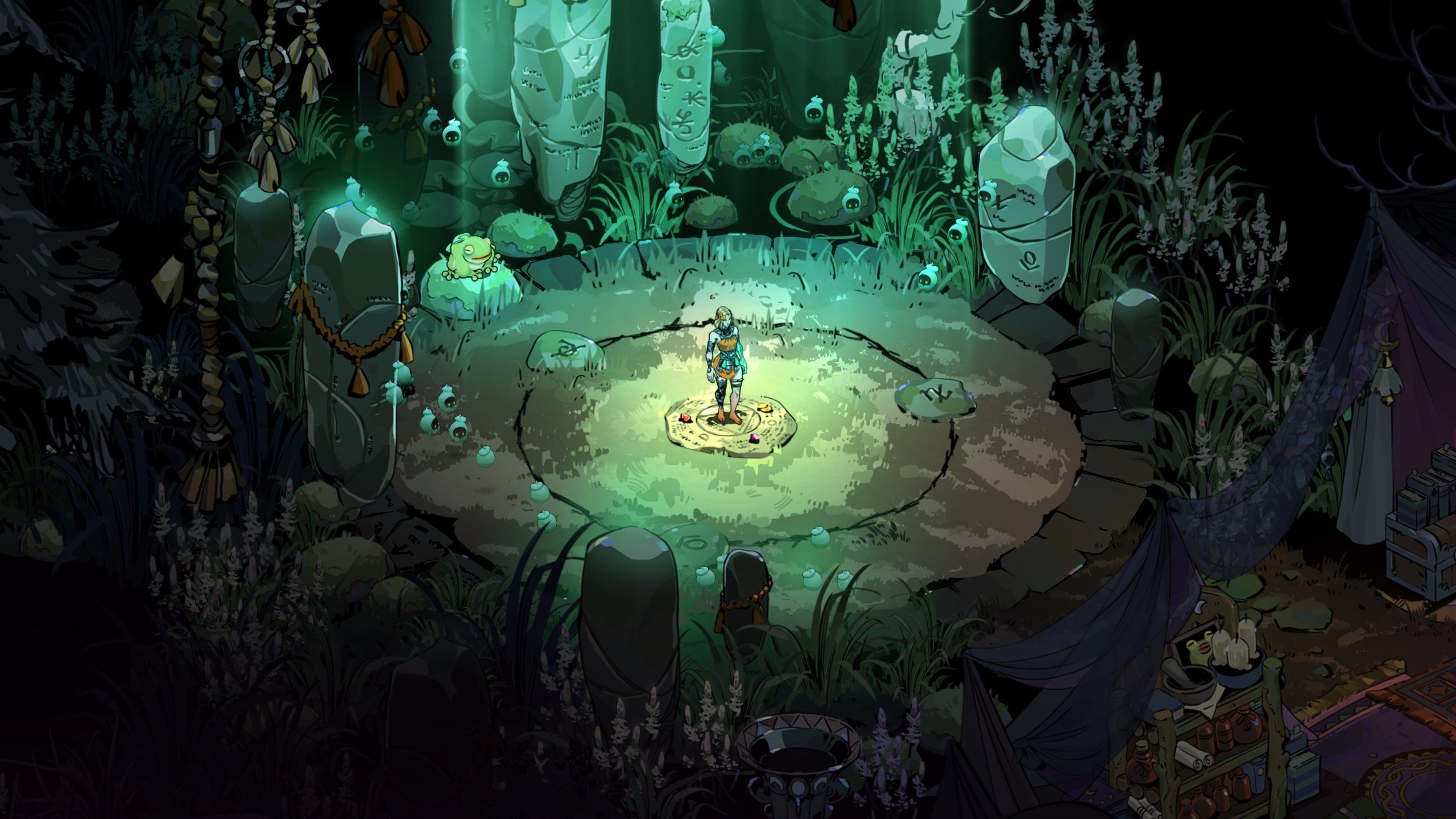
The Arcana system is a good example. It replaces the clean comfort of the old Mirror of Night with something that feels more appropriate for Melinoe: a tarot-like arrangement of permanent advantages that asks you to think about shape as much as power. You are not only buying stats. You are building the kind of safety net you want before the run begins. More death-defying comfort? More resource control? More early-run consistency? It gives preparation a personality, which is exactly what this sequel needs.
Resource gathering is the one place where Hades II can briefly feel less elegant than its predecessor. Picking a tool before a run creates intention, but it can also make you feel like you brought the wrong errand into the wrong night. Sometimes you want ore and find plants. Sometimes you need one ingredient and the run becomes less about improvising in combat than hoping the map cooperates. The game usually folds that hunt back into its charm, but the first few hours are denser and less frictionless than Hades at its cleanest.
What saves it is that the rewards keep returning to action. A new incantation opens a route, softens a system, or gives the Crossroads another little piece of life. A familiar is not just a cute companion; it changes how you think about safety, gathering, or room flow. An Arcana adjustment can make a previously awkward weapon feel viable. The loop is still hungry because most of the bookkeeping eventually becomes a reason to fight differently, not a reason to stay in menus.
The writing also does enormous work here. Hecate's discipline, Odysseus' tactical calm, Nemesis' prickly rivalry, Moros' strange gravity, and the returning Olympians keep the Crossroads from becoming a static pit stop. Supergiant still understands that repeated dialogue is not a reward dispenser; it is the emotional engine of the genre. A defeat can send you back to a line that changes the temperature of a relationship. A win can make a god sound proud, jealous, wounded, or amused. That human mess is why the loop still feels social.
A Bigger World That Still Knows Why One More Run Works
Hades II is much larger than the original in ways that are obvious and in ways that are structural. Supergiant's own pitch is that Melinoe battles beyond the Underworld with dark sorcery against the Titan of Time, and that broader premise matters. Erebus and Oceanus have different pacing, different visual language, and different demands, but the surface route is the real statement. The sequel is not just another descent through a beloved formula. It is a war pressing outward.
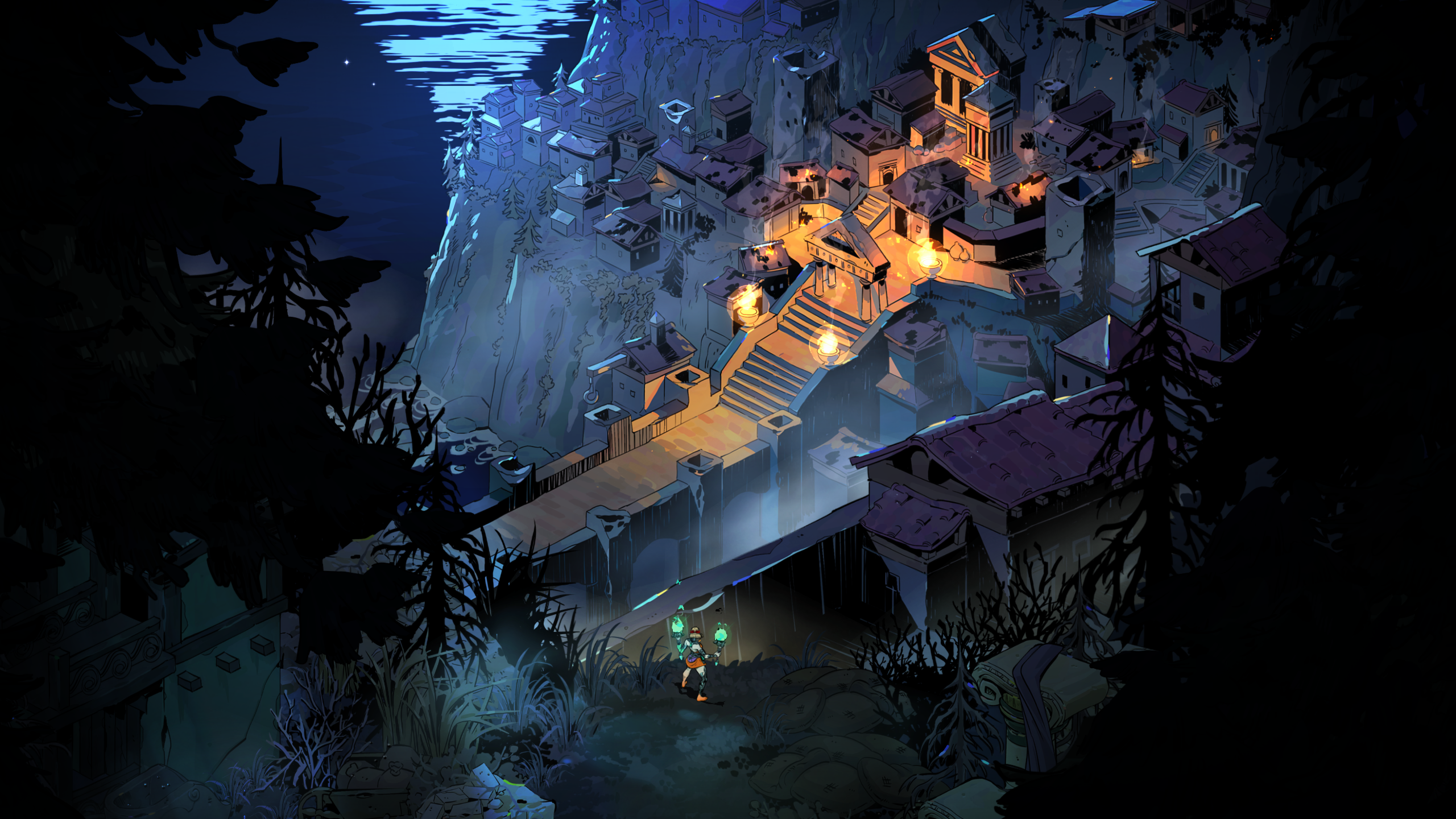
That larger scope could have weakened the series' intimacy. Hades worked partly because the House of Hades became a place you knew by mood and routine. Hades II answers with a different kind of home base and a different kind of burden. Melinoe is not trying to escape a family structure; she was trained for a war that predates her. That changes the emotional charge of repetition. Zagreus returned like a son who refused to stop arguing with the house. Melinoe returns like a weapon learning what else she is allowed to be.
The art direction sells that shift instantly. The first Hades was hot, lavish, and theatrical. Hades II is cooler, more lunar, more secretive. Ritual circles, pale greens, silver light, deep blues, and crowded hand-painted rooms give the sequel its own temperature. The environments are beautiful, but more importantly they remain readable. Even in a busy fight, the game usually lets you understand where the danger is coming from and where the opening might be. That is not just presentation. That is combat design wearing good art.
The audio deserves the same credit. Darren Korb's score does not simply repeat the first game's heat. It gives Hades II a witchier, stranger pulse, then knows when to push a fight forward with sharper momentum. The voice cast keeps matching that range. Characters can sound mythic one second and petty the next, which is the series' ideal register. These are gods, ghosts, monsters, mentors, rivals, and family disasters, but they still talk like people who have been stuck with each other for too long.
If there is a caveat, it is that Hades II asks for more trust up front. The original's cleanest pleasure was how quickly desire turned into another run. The sequel sometimes interrupts that with more currencies, more systems, more long-term goals, and more decisions before the door opens. Players who loved Hades primarily as an ultra-sleek action loop may feel the added ritual weight before they appreciate it. The difference is that Hades II uses that weight to become its own game, not just a fatter version of the first.
That also makes the recommendation slightly more specific. If you come to Hades II wanting a pure arcade rush, you may spend the opening hours wishing the sequel would stop asking you to tend the cauldron and just let you fight. If you come for the whole Supergiant package - action, music, writing, character attachment, and builds that mutate into weird little personal stories - the extra systems become part of the appeal. They make the game feel less like a roguelike treadmill and more like a campaign you are actively preparing for.
New players should not be scared off, either. Hades II is dense, but it is not hostile. The rooms teach pressure clearly, death keeps feeding progression, and the returning God Mode option means the game still has a humane answer for players who want the story and systems without getting stonewalled by difficulty. The point is not that everyone will play it the same way. The point is that the game gives different kinds of players enough tools to make the loop their own.
That is why the 10 holds. Hades II has the rare sequel confidence to keep what everyone loved while changing the way the game lives in your hands. Magick, Omega moves, Hexes, Arcana, familiars, route structure, and the Crossroads all push toward the same idea: preparation under pressure. It is richer, denser, and occasionally less frictionless, but the trade is worth it because the payoff is a sequel with its own pulse.
Verdict
Hades II is not perfect because it has no rough edges. It is a 10 because its rough edges come from ambition that pays off. Supergiant has built a sequel that is more tactical without becoming stiff, more expansive without losing intimacy, and more demanding without breaking the one-more-run hunger. By the time a build clicks, a boss phase bends, and the Crossroads has one more conversation waiting after death, the answer is obvious. Hades II is not just worthy of the original. It makes the series feel newly dangerous again.