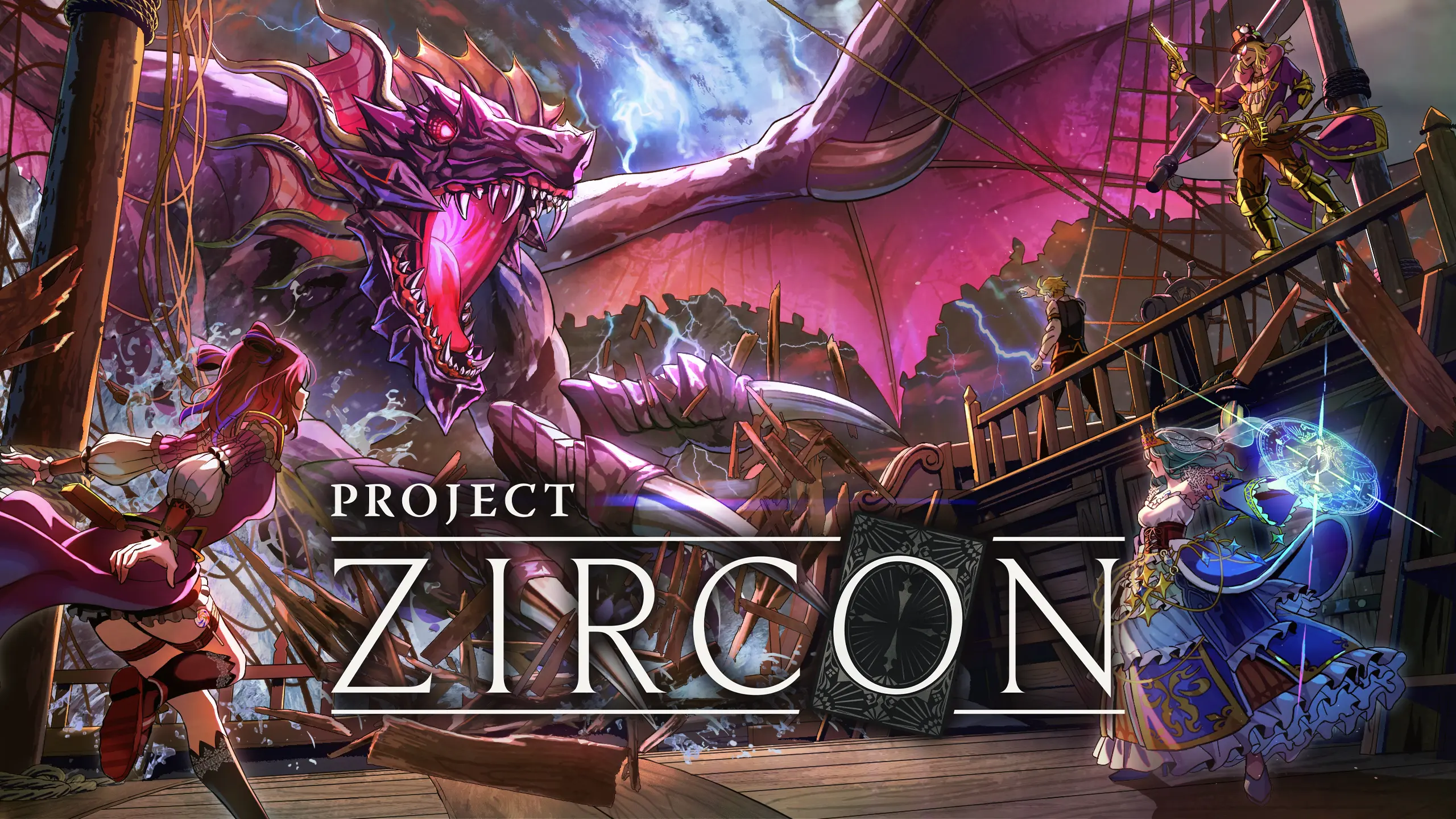
PROJECT ZIRCON Release Date, Platforms, and Gameplay
PROJECT ZIRCON has no release date yet and is confirmed only for Windows PC on Steam. Here is how its single-player five-year nation loop works.



Genre
Learn how roguelike games work, how runs and progression differ, and where to start with guides and coverage.
Explore




 Xbox Series X|S
 Xbox Series X|S
 Xbox Series X|S
Read next
PROJECT ZIRCON has no release date yet and is confirmed only for Windows PC on Steam. Here is how its single-player five-year nation loop works.

Phantom Echoes is coming to PS5, Switch 2 and PC in 2027. Here are its platforms, single-player and co-op status, gameplay and story details.
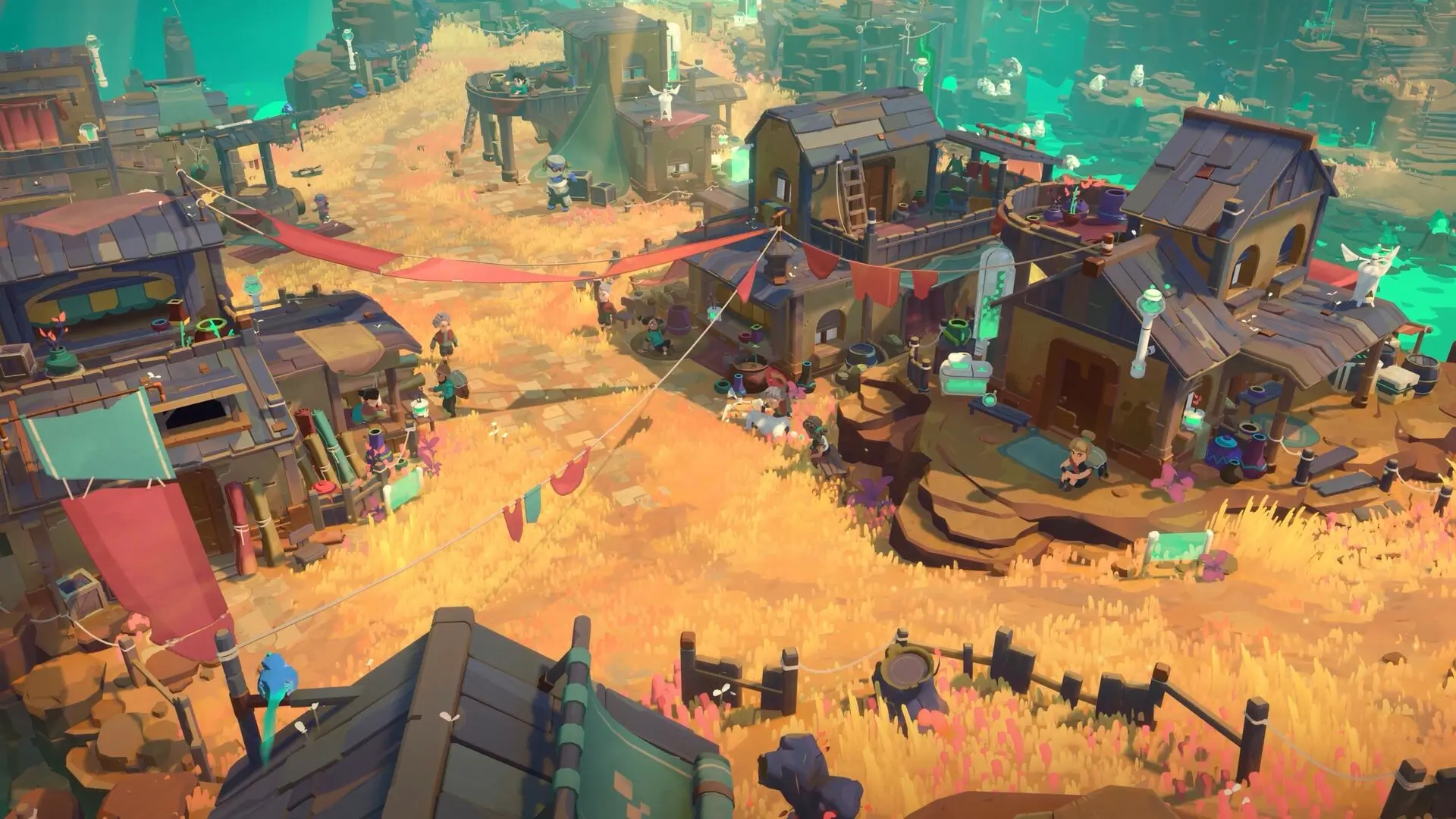
Moonlighter 2 Version 1.0 is out now. See the Steam launch sale, standard price, platforms, Game Pass status, postgame, and physical editions.

Mewgenics launches digitally September 8 and gets physical PS5 and Switch 2 copies in Q1 2027. See current prices, formats, platforms, and cross-save status.
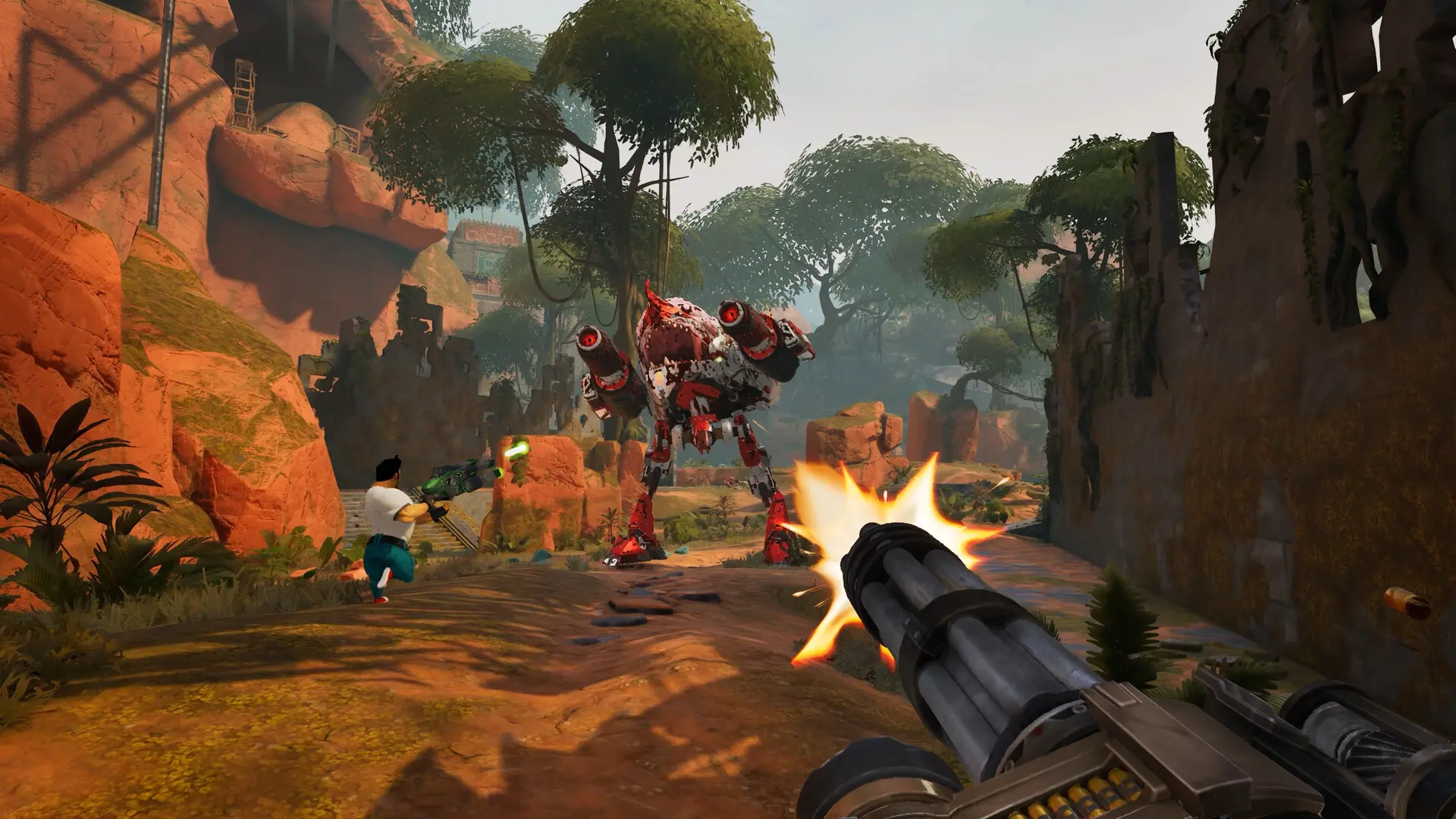
Serious Sam: Shatterverse is out now for $19.99 on PS5, Xbox Series X|S, and PC. See the launch offer, co-op, crossplay, and subscription details.
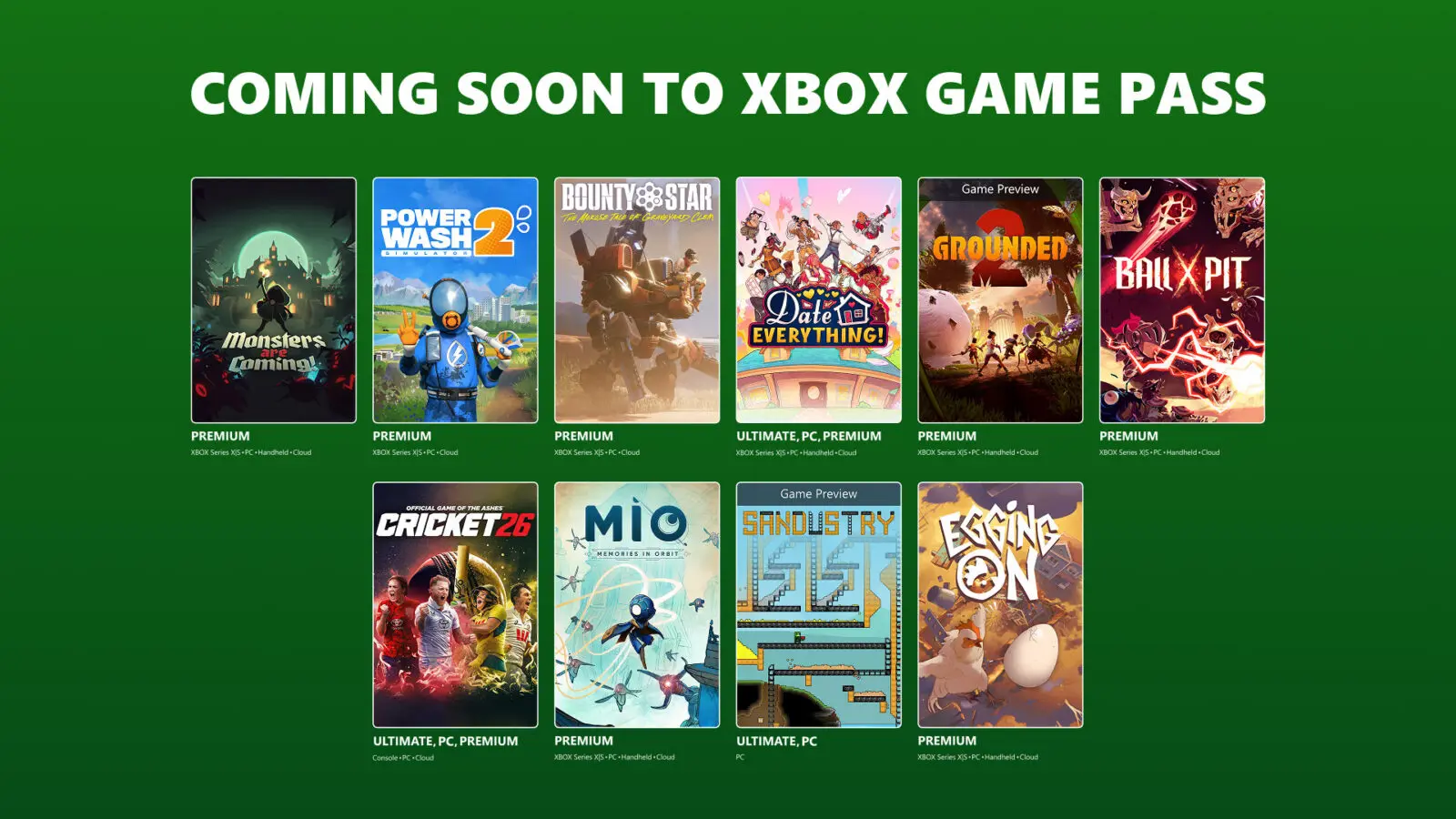
See every Xbox Game Pass game coming in August 2026, which plans include each title, how the Gears of War: E-Day beta works, and what leaves August 15.