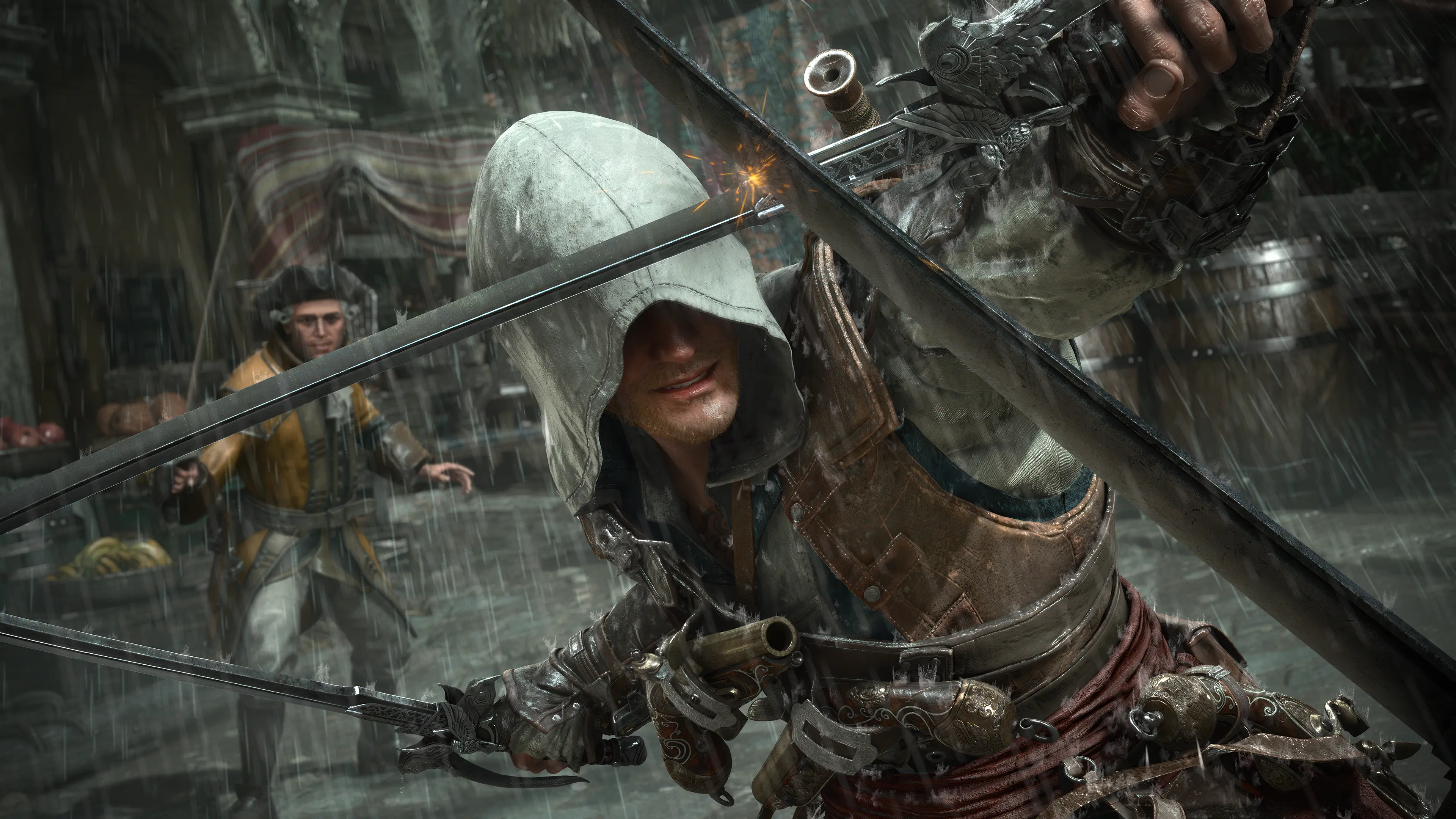
Assassin’s Creed Black Flag Resynced Update 1.0.7: Patch Sizes, Hidden Pistols, and Dog
Black Flag Resynced update 1.0.7 is live. See every patch size, how to hide pistols and perk effects, the dog, and the biggest fixes.



Genre
Open-world games with exploration, maps, missions, side activities, freedom, discovery, progression, and player choice.
Explore





 Xbox Series X|S
Read next
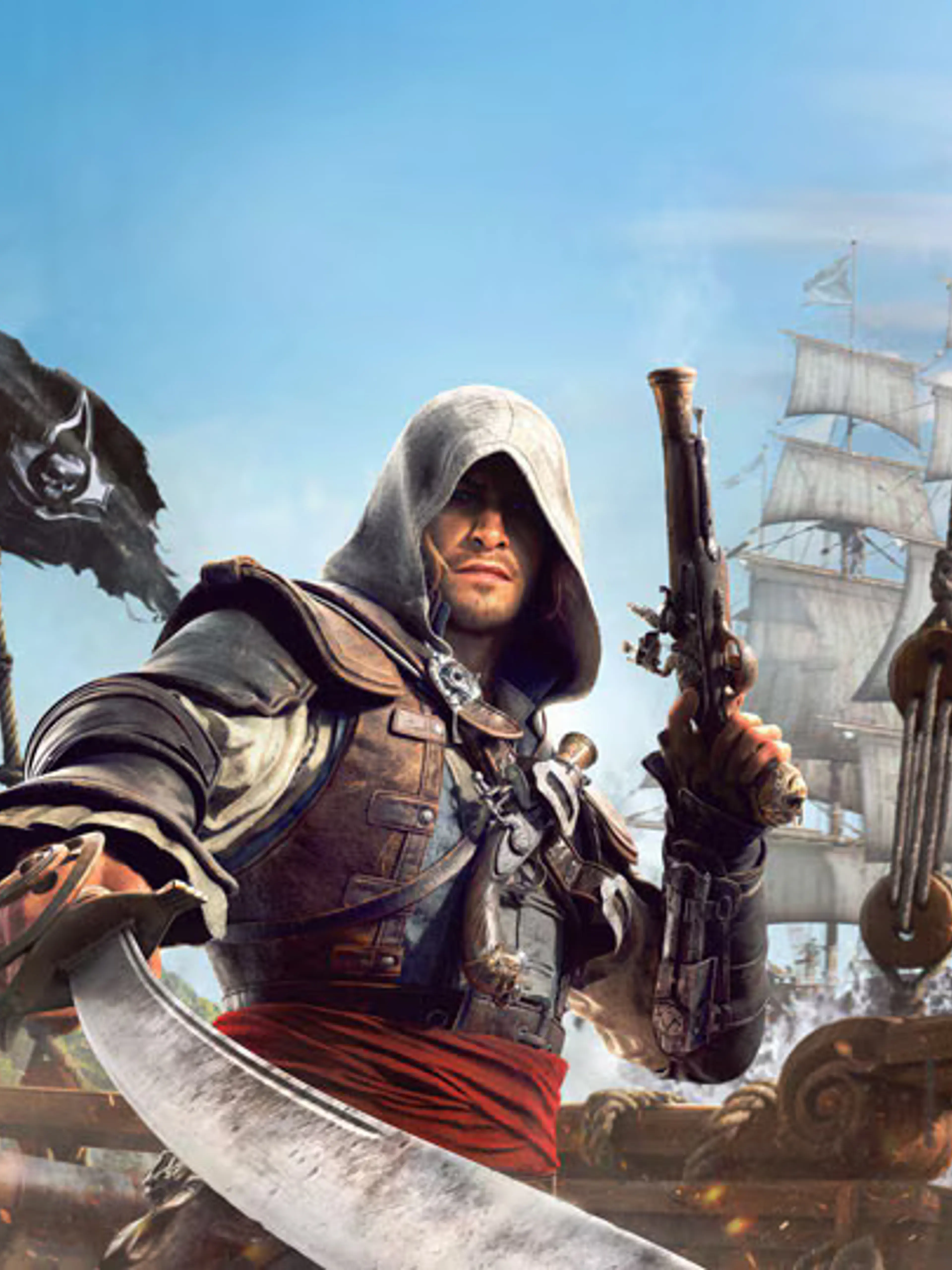
Black Flag Resynced update 1.0.7 is live. See every patch size, how to hide pistols and perk effects, the dog, and the biggest fixes.
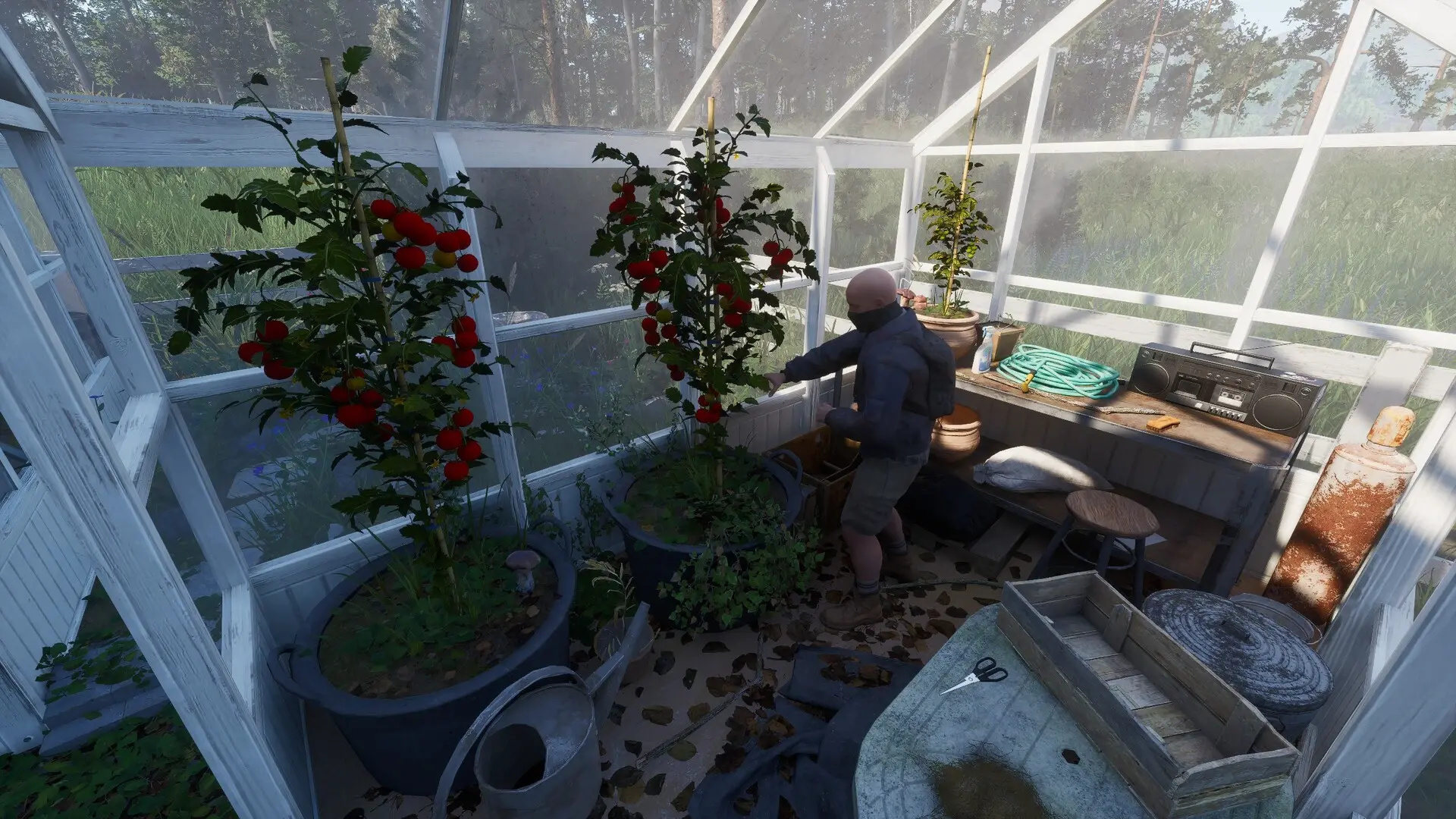
Ardem’s closed playtest began August 31 in small waves. Here is how to apply, the Discord and Steam requirements, and the October 15 public playtest date.
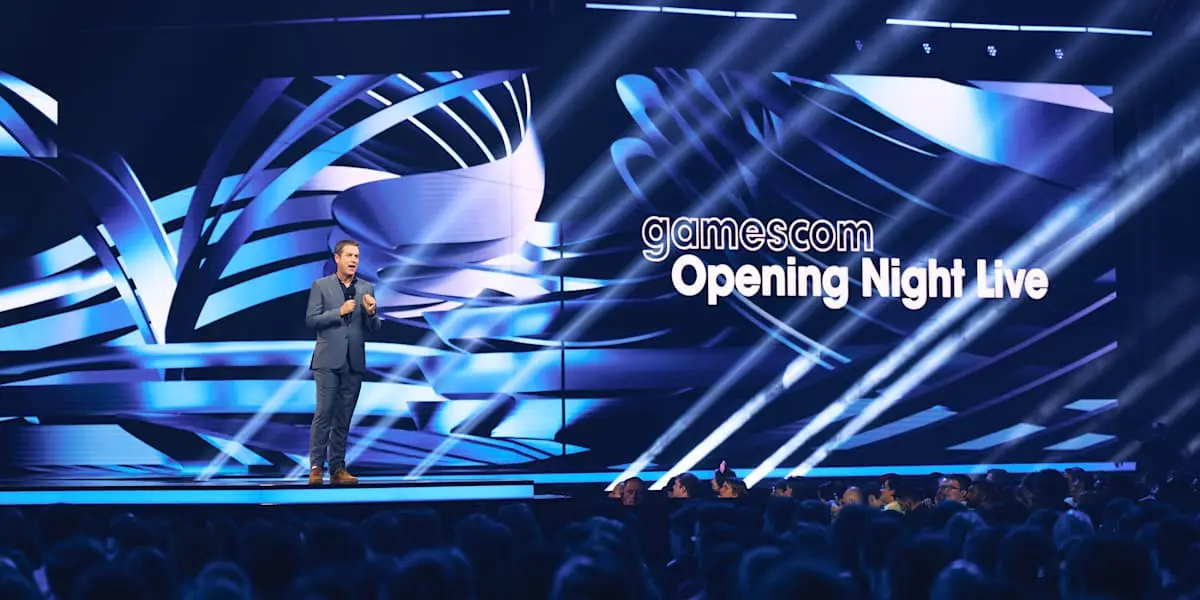
Gamescom 2026 delivered new trailers, playable demos, and release dates. These ten games are driving the early conversation around the show.

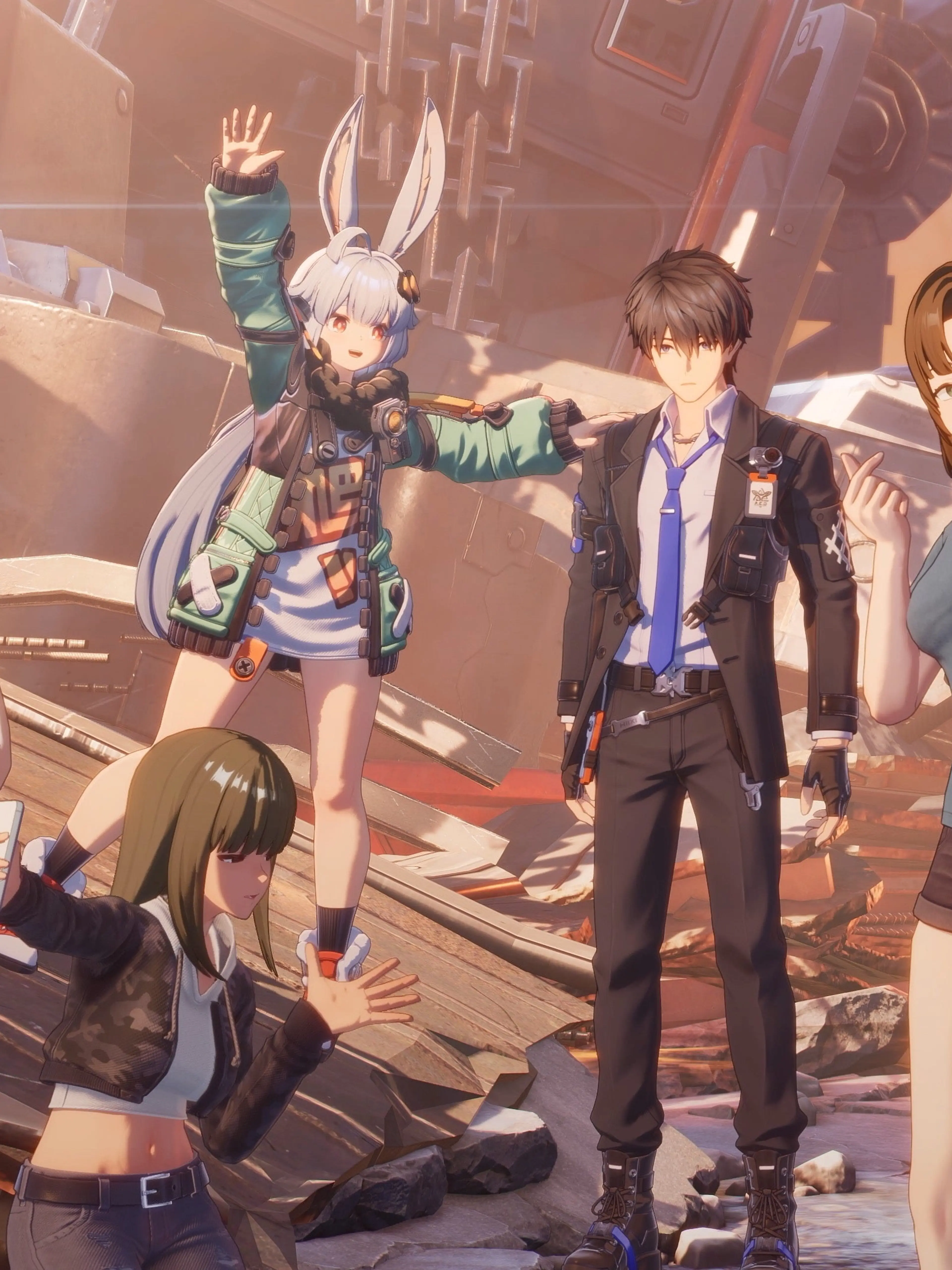
ANANTA’s new city, Chongxiao, is only half the reveal. NetEase also says players can switch among characters whose roles change their stories, exploration, and combat.
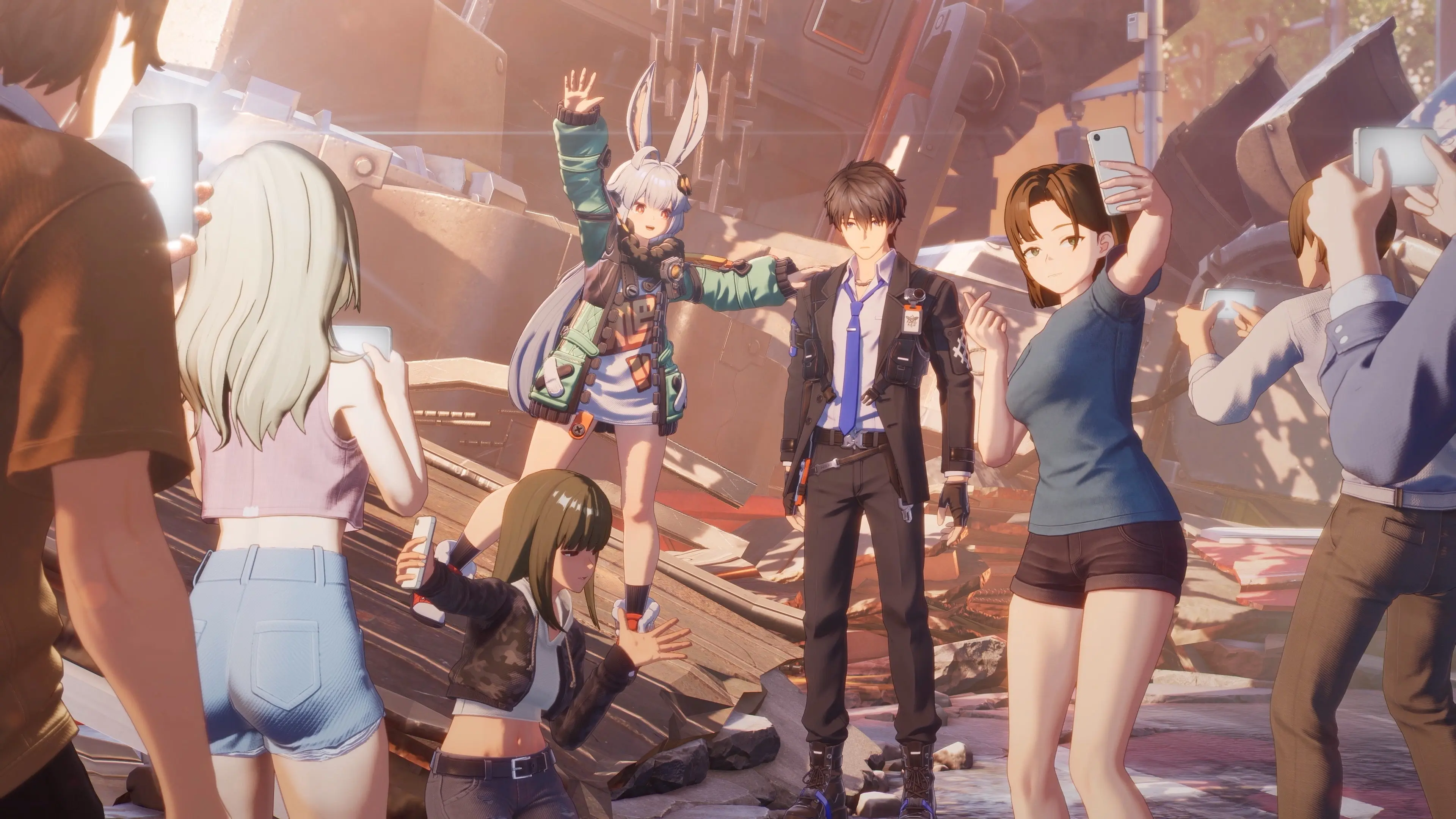
ANANTA will launch worldwide on January 15, 2027. Here is what the Gamescom trailer revealed about its second city, platforms, combat, and open-world design.
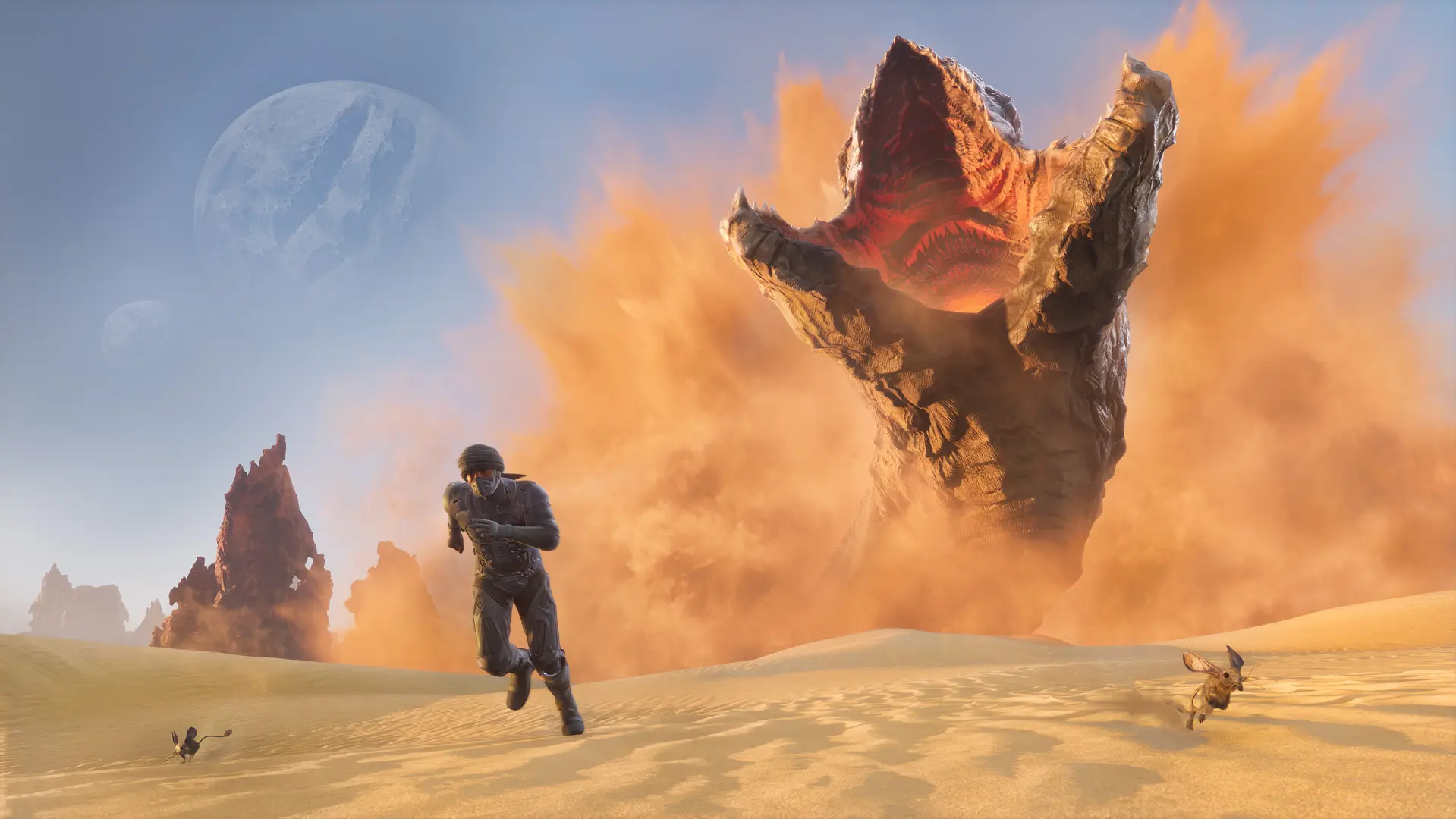
Dune: Awakening launches on PS5 and Xbox Series X|S on September 22, 2026. Here is what the console version includes, from single-player and performance modes to Game Pass and Gamescom details.