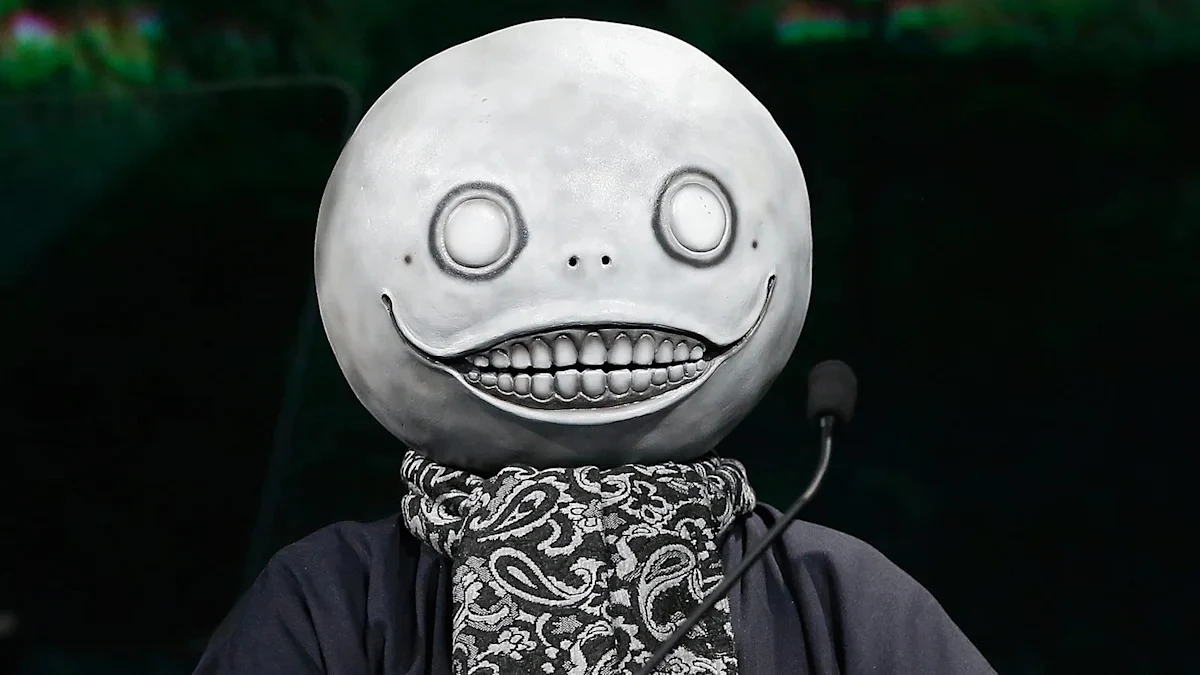
Physical games are not disappearing in one dramatic moment. They are leaving through policy changes, digital-only releases, and announcements that sound calm enough to miss if you scroll too quickly. Yoko Taro, the creative director and scenario writer best known for Nier, has now joined the people asking what the industry loses when the box and disc are gone.
PlayStation announced on July 1 that it will stop producing physical discs for all new games released on its consoles beginning in January 2028. Games already released on disc, along with titles scheduled before the cutoff, are not affected. Everything after that point will be sold digitally through the PlayStation Store or through retailers offering digital formats.
The announcement does not make existing PlayStation libraries useless. Current discs will continue to work, and Sony has not said that console disc drives are being disabled. The change is about what comes next: a new game released after the deadline will no longer have an official PlayStation disc to buy. Someone building a shelf today can keep it, but that shelf eventually stops growing with new releases.
Yoko Taro's response arrived on July 19. In comments translated by IGN and GamesRadar, he said he felt sad about physical media disappearing and accepted that the market was moving in that direction. He had expected expensive limited editions to keep a physical component even as regular sales became digital, closer to the way CDs survived alongside streaming. He now thinks that prediction was wrong.
A Game Box Carries More Than the Game
The timing made his post feel especially personal. Yoko Taro had just shown off a physical copy of Hi-Fi Rush and encouraged interested players to pick up discs while they still could. This was not a corporate argument about quarterly sales. It sounded like someone holding an object he enjoys and realizing that future releases may never arrive in the same form.
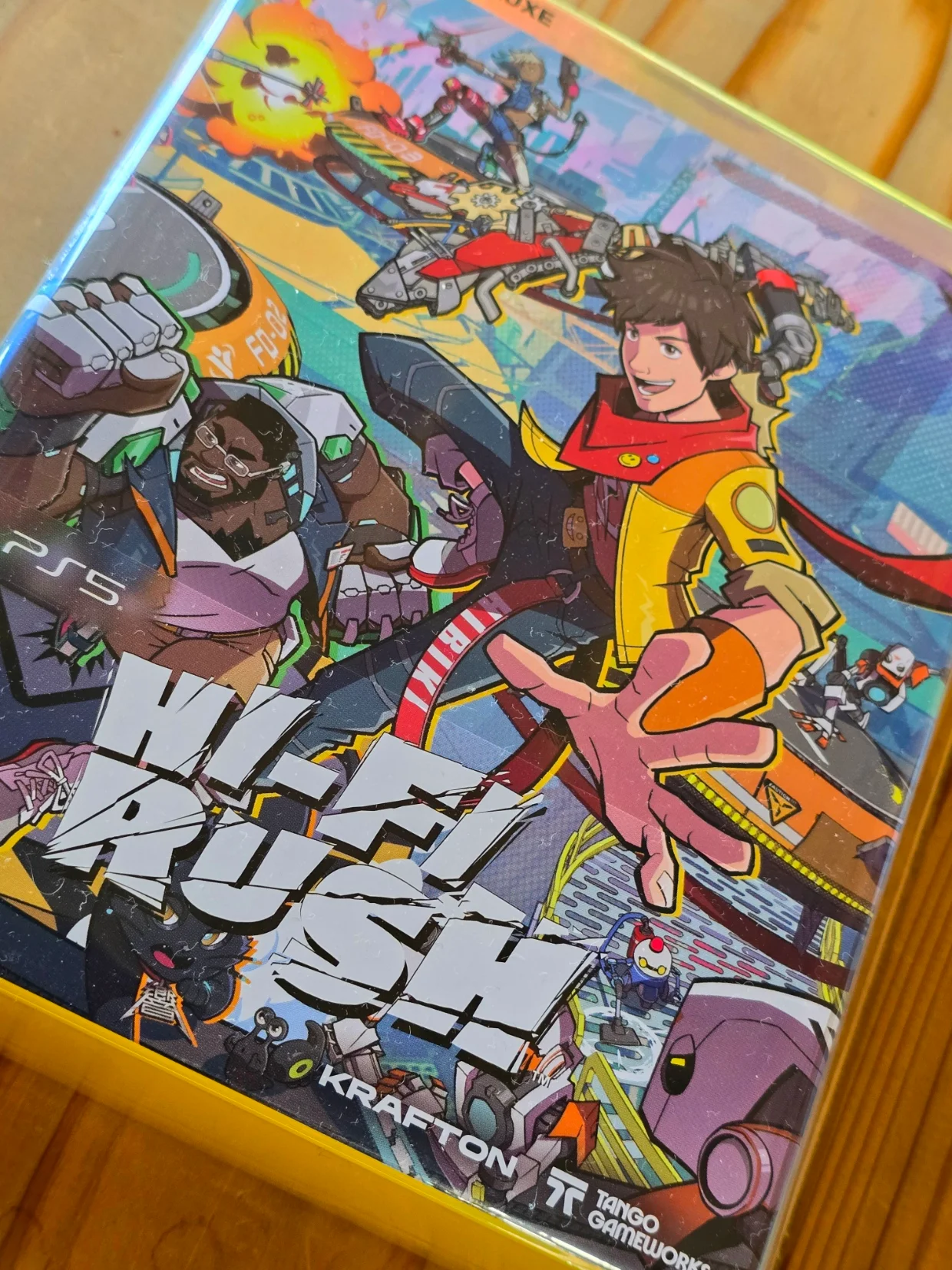
A digital purchase can be faster, cleaner, and easier to manage. It cannot sit on a shelf, be handed to a friend, or become the strange old game someone discovers years later in a used shop. Collector's editions have already blurred that line by including statues and steelbooks while sometimes replacing the playable disc with a download code. Yoko Taro's abandoned prediction goes straight at that contradiction: the expensive object may survive while the game itself becomes an account entitlement.
Advertisement

Sony describes the change as a response to consumer preference, and digital sales clearly dominate modern console buying. The company is not forcing older discs to stop working in 2028. The discomfort comes from losing an option. Players who prefer downloads will keep buying exactly as they do now, while everyone who values lending, resale, collecting, or an offline copy gets a smaller version of the market.
Yoko Taro's career gives the reaction another layer. Nier found much of its audience gradually, through word of mouth, reissues, and people returning to games after their original release. Physical copies helped games live outside the launch window. A storefront can keep an old title available too, but only while the platform holder, publisher, licensing agreements, and servers continue to support it.
The Last PlayStation Discs Will Feel Different
There are still more than seventeen months before the policy takes effect. During that time, every confirmed PlayStation disc will carry a quiet second message: this belongs to one of the final waves. Games that would normally be routine physical purchases may start looking like keepsakes before anyone has even played them.
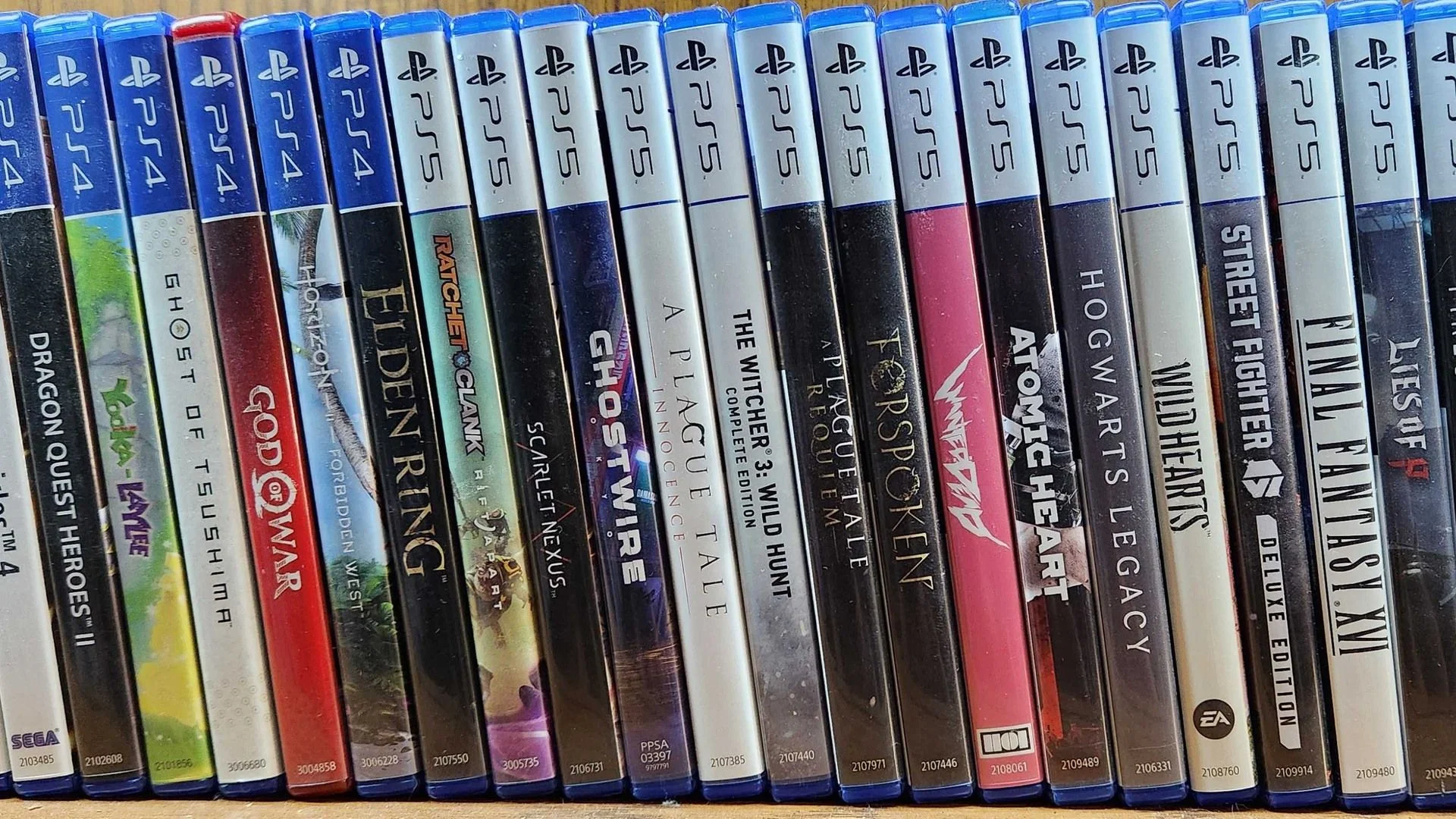
The approaching deadline may also change how people judge limited editions. A premium box with a code will not satisfy someone who bought it to preserve a playable copy. Publishers will need to be unusually clear about what is actually inside, especially as words such as physical, boxed, and collector's edition stop meaning the same thing.
There is a practical difference at the cash register as well. A disc can be found used, borrowed for a weekend, traded toward another game, or sold when money is tight. Digital discounts can be excellent, but the purchase stays attached to one account. Removing the disc removes those choices together, even for players who never considered themselves collectors.
Yoko Taro was not trying to start a campaign or convince fans that one post could change Sony's plans. He simply sounded sad about losing physical games, and many players understood exactly how he felt. That honest reaction may be why his comments spread so quickly online. Players have already heard the arguments for digital convenience. What they are trying to explain now is the emotional value of a game that exists somewhere beyond a password, a download queue, and a company account.
PlayStation's digital future may be convenient, successful, and inevitable. It will still feel like a different relationship with games. Yoko Taro's physical copy of Hi-Fi Rush captured the part that sales charts cannot measure: sometimes ownership begins with being able to hold the thing you love.