Netflix has just closed Night School Studio, the developer behind Oxenfree, less than two months after the team released Unhinged. It is the latest reminder that a large company can buy a studio for its creative identity and later decide that the team no longer fits the plan.
That does not make every acquisition a mistake. A bigger owner can provide money, technology, publishing reach, and a safer runway than an independent studio might have. The problem is that the announcement usually talks about the people and their ideas, while the eventual closure arrives as a portfolio decision. The developers live with the difference.
The Pitch Usually Starts With Stability
When a publisher or platform buys a studio, the public pitch is usually familiar: more resources, a wider audience, and room to make ambitious games. Those benefits can be real. Night School’s 2021 acquisition announcement from Netflix, for example, presented the deal as a way to build a game library while preserving the team’s artistic strengths.
What the announcement does not explain is the exit plan. The owner controls the budget, the release window, the platform strategy, and the decision to keep a team open. A studio can keep its logo and its creative pitch while becoming one line inside a much larger business.
Microsoft’s Bethesda Deal Looked Like a New Foundation
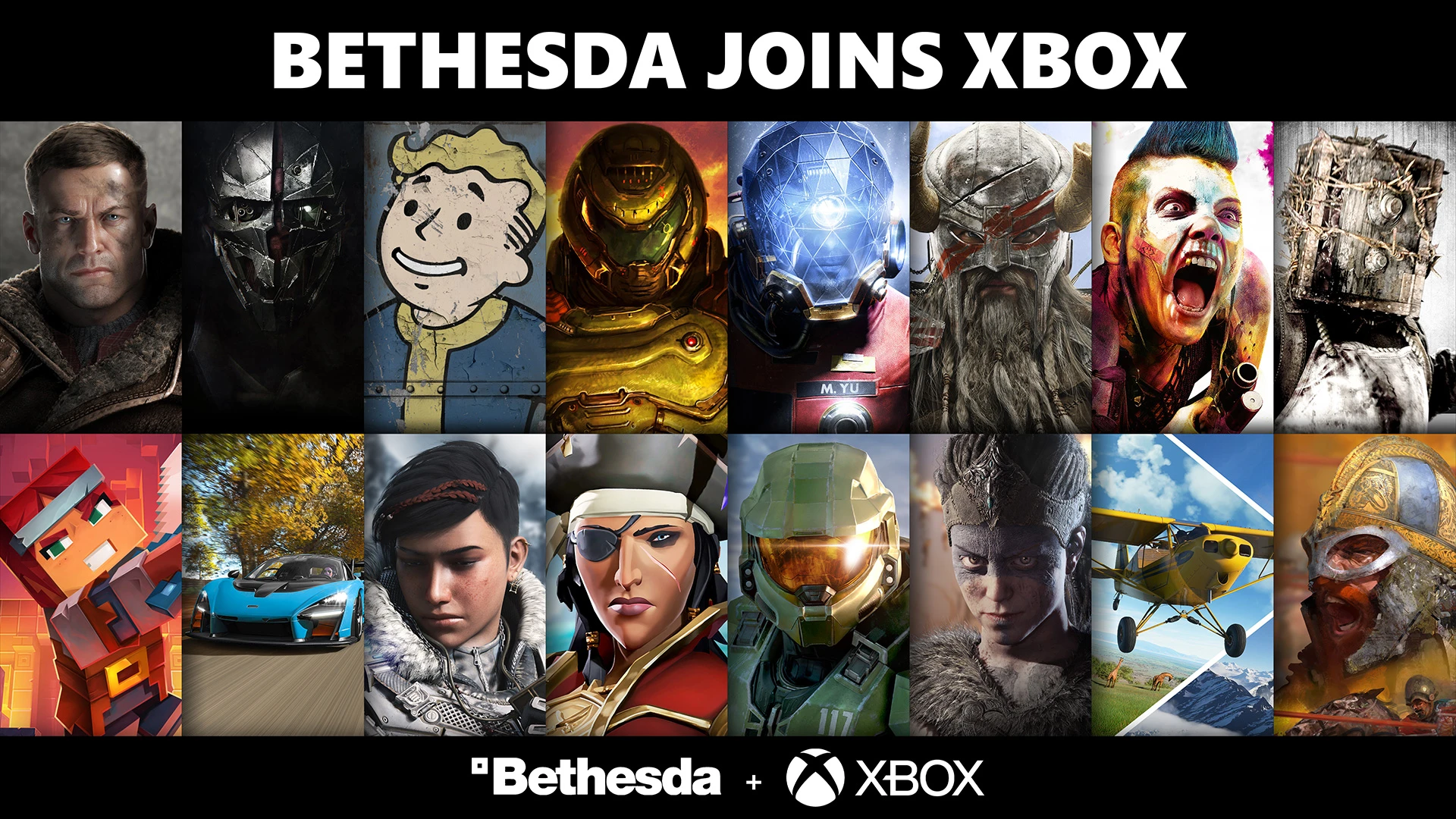
Microsoft completed its ZeniMax Media acquisition in March 2021 and welcomed eight Bethesda development studios to Xbox. The official Xbox announcement promised the teams a strong foundation and said Bethesda would keep making games in the way it always had.
Three years later, Microsoft announced that Arkane Austin, Tango Gameworks, and Alpha Dog Games would close. Roundhouse Studios was folded into ZeniMax Online Studios rather than continuing as a separate team. The decision was part of a wider restructuring, but it still undercut the reassuring language that had greeted the acquisition.
The effect did not stop at the studio doors. Xbox’s later restructuring also put pressure on other teams and ownership arrangements, showing how quickly a large portfolio can move from expansion to reduction.
Tango later found a second life when Krafton acquired the studio and the Hi-Fi Rush IP. That rescue is important, but it does not erase the original decision. Microsoft had already decided that Tango no longer belonged inside its plan, even though the team had made one of Xbox’s most warmly received recent games.
Sony Bought Firewalk for Live Service and Shut It After Concord
Sony’s publishing partnership with Firewalk began in 2021 and became a full PlayStation Studios acquisition in April 2023. In its welcome announcement, Sony described Firewalk as part of the effort to grow its live-service operation and invest in the team’s original multiplayer vision.
Concord launched on August 23, 2024. PlayStation took the game offline on September 6, refunded purchases, and closed Firewalk on October 29. The game’s reception and sales were the immediate problem; the acquisition itself did not make Concord fail. The example shows something more specific: a company can buy a team for one strategic bet and remove that team when the bet misses its audience.
The speed of the reversal is what makes the case so stark. Sony had described the game as a long-term service with seasons and new content shortly before launch, then announced the shutdown after only a short release window. A studio acquired for future growth can become a cost to remove before its first project has time to find an audience.
Advertisement

Meta’s VR Portfolio Was Built Around a Different Future
Meta’s VR strategy created a similar set of acquisitions. Facebook bought Sanzaru Games in 2020 after the studio made Asgard’s Wrath, and Ready at Dawn became part of Oculus Studios that same year. Android Central reported Ready at Dawn’s closure in August 2024 even though the team had produced Lone Echo, Lone Echo 2, and Echo VR.
In January 2026, Meta closed three more acquired VR studios: Sanzaru, Armature, and Twisted Pixel. UploadVR tied the cuts to a larger Reality Labs layoff and described a shift in investment from the metaverse toward AI glasses and wearables. That is a strategy change, not a verdict on whether those teams knew how to make games.
For the studios, the distinction does not make the outcome easier. Sanzaru’s Asgard’s Wrath 2, Armature’s Resident Evil 4 VR, and Twisted Pixel’s Deadpool VR were all specific contributions to the Quest ecosystem. A new hardware priority can still make those contributions look like yesterday’s work.
Netflix Bought Night School, Then Narrowed the Game Division
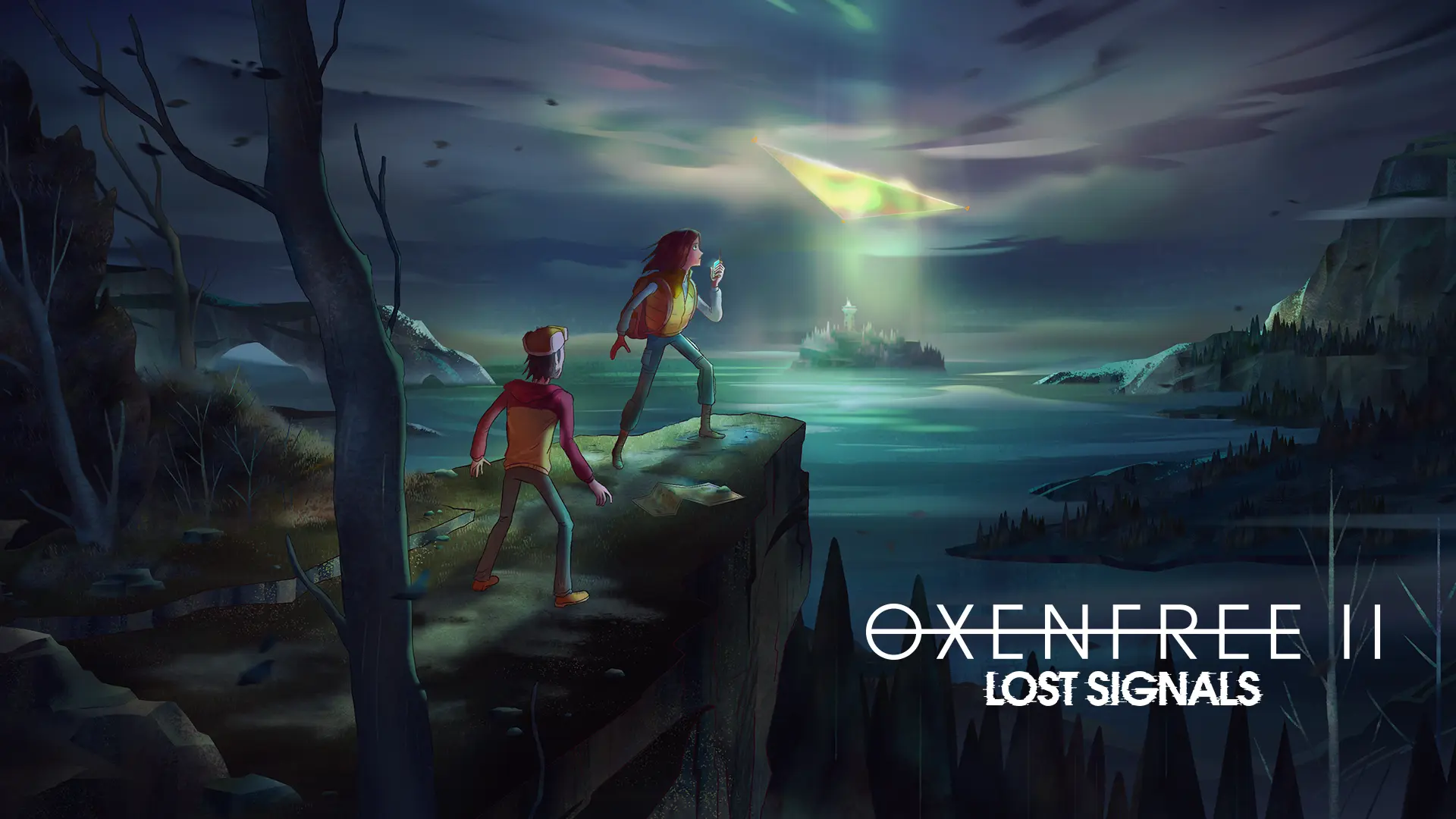
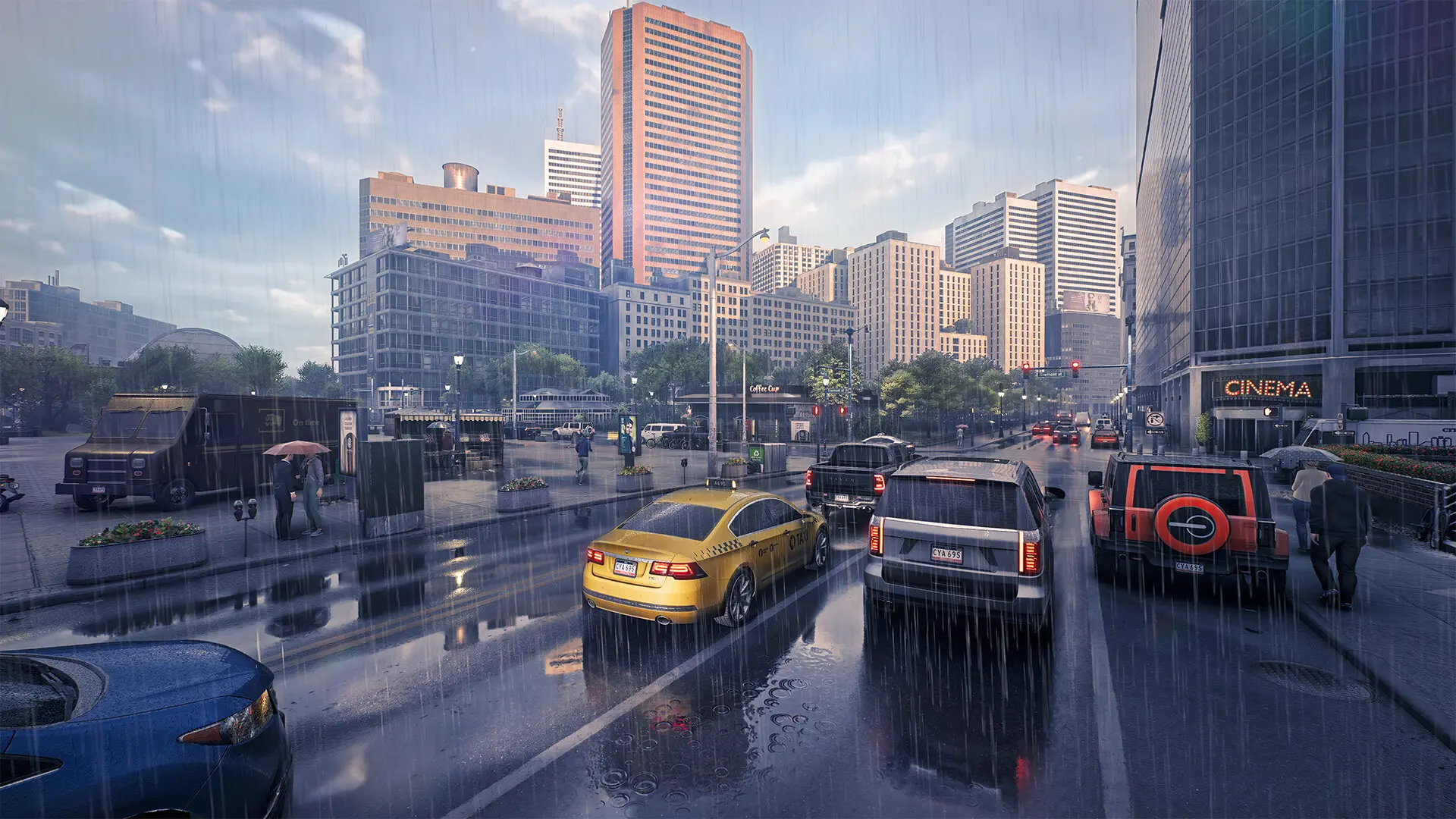
Night School is the freshest example because the timing is so uncomfortable. Netflix acquired the studio in 2021, later released Oxenfree II under its games program, and promoted Night School’s new title Unhinged after it launched on June 30, 2026.
Netflix has now confirmed that Night School will close and that it plans to close Moonloot, a Helsinki studio formed in 2022. Pixel Twelve’s report on the Night School shutdown covers the immediate impact, while our earlier look at Netflix’s cloud-gaming audience shows why audience growth and studio security are not the same thing.
The company still says games are an opportunity. It is concentrating on a smaller set of priorities, however, and additional games roles have been eliminated. Night School could deliver the kind of narrative work that made the acquisition attractive and still lose its place when the platform narrowed its ambitions.
The Same Word Can Hide Four Different Endings
“The studio closed” is not the only ending. A parent company can eliminate the whole team, cut enough people to make the original studio unrecognizable, fold the staff into another group, or sell the remaining team and an IP to a new owner. Those outcomes have different legal and creative consequences, but they all begin with the same loss of control.
Roundhouse being absorbed into ZeniMax Online is not identical to Arkane Austin disappearing. Tango’s move to Krafton is not identical to Night School’s shutdown. Keeping those differences visible matters because the people and the games do not experience a corporate change in the same way.
The public story often reduces a closure to one failed game. Sometimes a project does miss its audience. The longer chain can be harder to see: an acquisition creates expectations, the owner changes the target, the studio inherits a new risk profile, and the final budget decision arrives before the team can adapt.
A Bigger Owner Can Still Be the Right Home
There are counterexamples. Some acquired studios have kept their identity, shipped successful games, and grown under a larger owner for years. A buyout can fund projects that would have been impossible alone, protect a team from a single bad quarter, and give a great game a much larger audience.
The warning is not that every acquisition ends badly. It is that a buyout is not job security. It is a new dependency. The studio may keep its name, office, and creative pitch, but the buyer controls the funding, the platform, the release window, the IP rights, and the exit.
What Acquisition Announcements Leave Out
The next acquisition announcement deserves two questions. What does the buyer hope to gain? And what happens to the studio if that plan changes before the next game ships?
Big companies can give developers room to make ambitious games. They can also turn those developers into the easiest part of a balance sheet to cut. The acquisition is the beginning of the story, not proof that the team has found a permanent home.