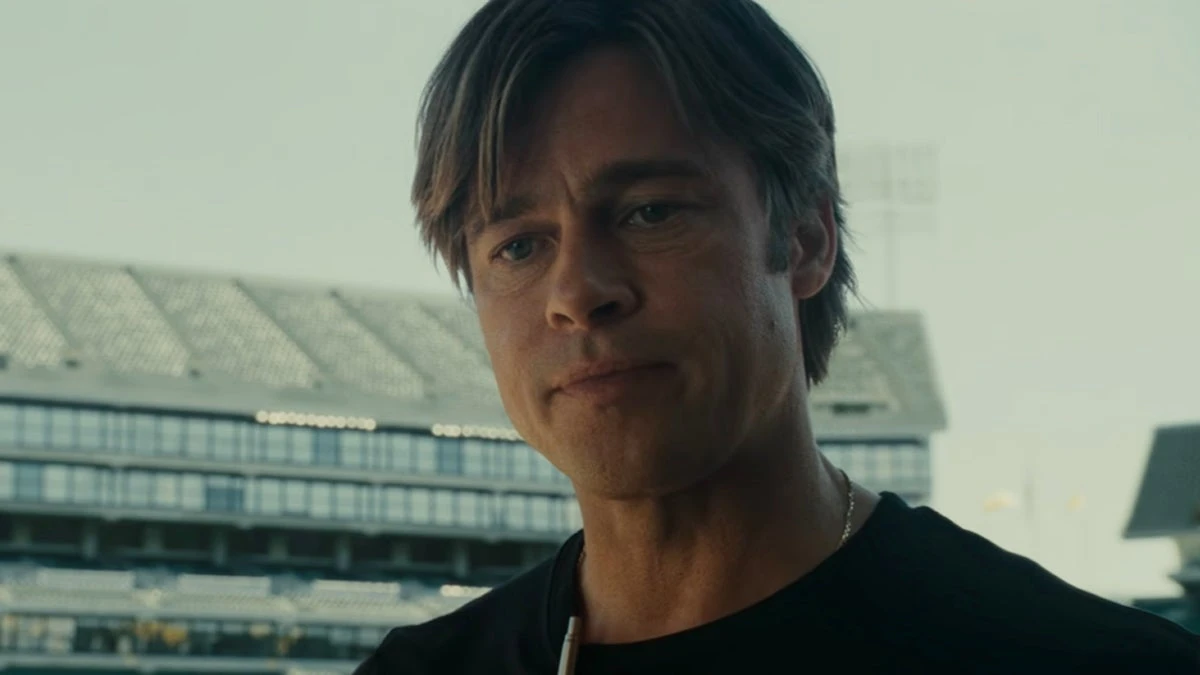
Brad Pitt is not asking Hollywood to hand movies over to machines. His argument is narrower: he thinks artificial intelligence could help filmmakers control visual-effects costs and give mid-budget movies a better chance of being made.
In a new Esquire interview, Pitt described AI as an interesting experiment, but he kept returning to the people using it. For him, the director, writer, actor, and final creative choices still decide whether the result has any value.
His most specific point was about films that cost roughly $40 million to $90 million. Those projects are often too expensive to be treated like small independent movies and too modest to receive the automatic support given to major franchises. Pitt believes AI-assisted effects could lower part of that cost and help more of those movies reach production.
What Pitt Actually Said
Pitt told Esquire that AI, when used as a tool for visual effects, could help mid-budget films get made. TheWrap's report emphasized the same limit: he was discussing a production tool, not an artificial actor taking over a performance.
That limit is easy to miss when the conversation is reduced to a headline. Saying AI can help with effects work is not the same as saying studios should replace artists, writers, or actors. Pitt left room for the technology while also questioning who controls it and what happens to a performer's image.
He was also asked whether AI could recreate his acting. His answer was cautious. A copy might resemble him, but it would still reflect another person's direction and choices. It would not be the same performance he discovered while working through a scene.
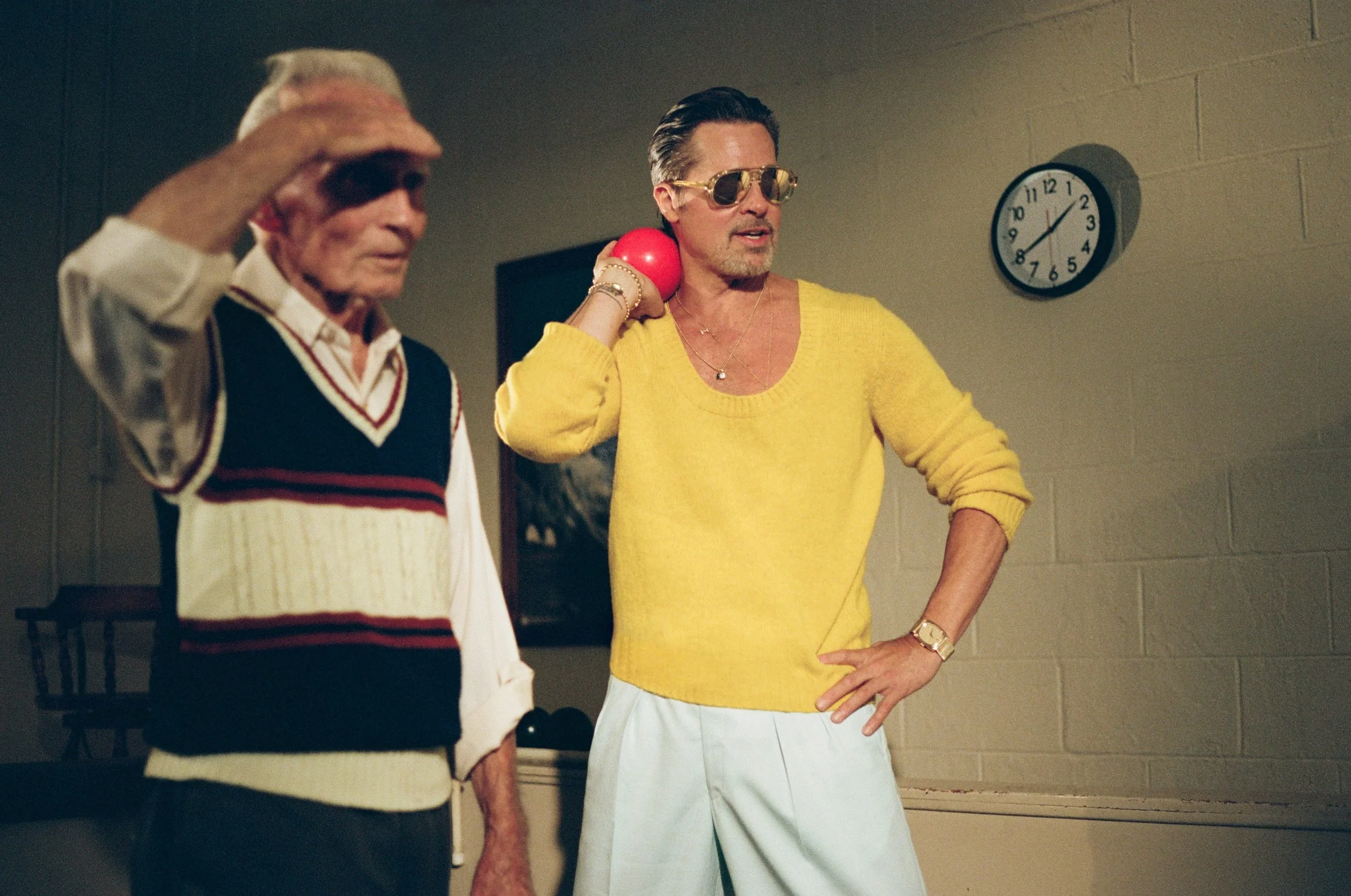
Why Mid-Budget Movies Need Help
Studios still make dramas, comedies, thrillers, and adult-focused films, but the financial space for them has become tighter. A movie can cost tens of millions before marketing and still lack the merchandise, sequels, or global brand awareness that make a superhero film easier to sell.
Visual effects are not limited to aliens and explosions. Modern productions use them to remove objects, extend locations, manage crowds, adjust backgrounds, and complete shots that audiences may never recognize as effects. If new tools reduce some of that routine work without removing skilled artists from the process, producers could put the savings into more shooting days, better locations, or simply keeping a project alive.
Pitt's idea is appealing because mid-budget movies have produced some of Hollywood's most memorable performances. They also give directors and actors room to make something that does not need to support a decade of sequels. Lower costs could help, but only if the savings support the movie instead of becoming another reason to cut crews.
The Concern Is Who Gets Protected
Pitt said actors have been scanned for years and explained that his contracts required him to control or destroy those scans. Most performers do not have Brad Pitt's negotiating power. A background actor, young performer, or new visual-effects artist may be asked to accept terms that give a studio far more control over their face or work.
Independent filmmakers are already testing faster and cheaper AI tools, while also describing a more isolated creative process. TechCrunch's reporting shows why both sides of this debate can be true at once: lower costs can open doors, but a production can lose collaboration and jobs if efficiency becomes the only goal.
Consent, credit, and payment cannot be treated as minor details. If a studio trains a system on an artist's work or keeps a digital copy of an actor, the person involved should understand the agreement and have meaningful control over future use.
Where Pitt's Argument Makes Sense
AI is easiest to defend when it handles a clearly defined production problem under human supervision. Previsualizing a complicated shot, organizing material, or helping a small effects team test an idea can save time. The finished scene still needs artists who understand movement, light, emotion, and the story around it.
The argument becomes much harder when a company uses the technology to copy a performer, imitate an artist, or remove workers simply because software is available. A cheaper movie is not automatically a better movie. Audiences notice when faces look wrong, performances feel empty, or images have no clear point of view.
Pitt is giving Hollywood a practical version of the AI debate. He sees a tool that may help certain movies survive, not a replacement for the people who make them worth watching.
Hollywood Still Has to Earn the Trust
Studios will need to show where AI was used, whose work helped train it, and how the people affected were paid. Without those rules, even a useful tool will arrive with justified suspicion from audiences and film workers.
There is a version of Pitt's idea that could support more original films: use technology for limited tasks, protect the people involved, and keep the creative decisions with filmmakers. If studios only use it to reduce payroll, the promise of saving mid-budget movies will sound much less convincing.