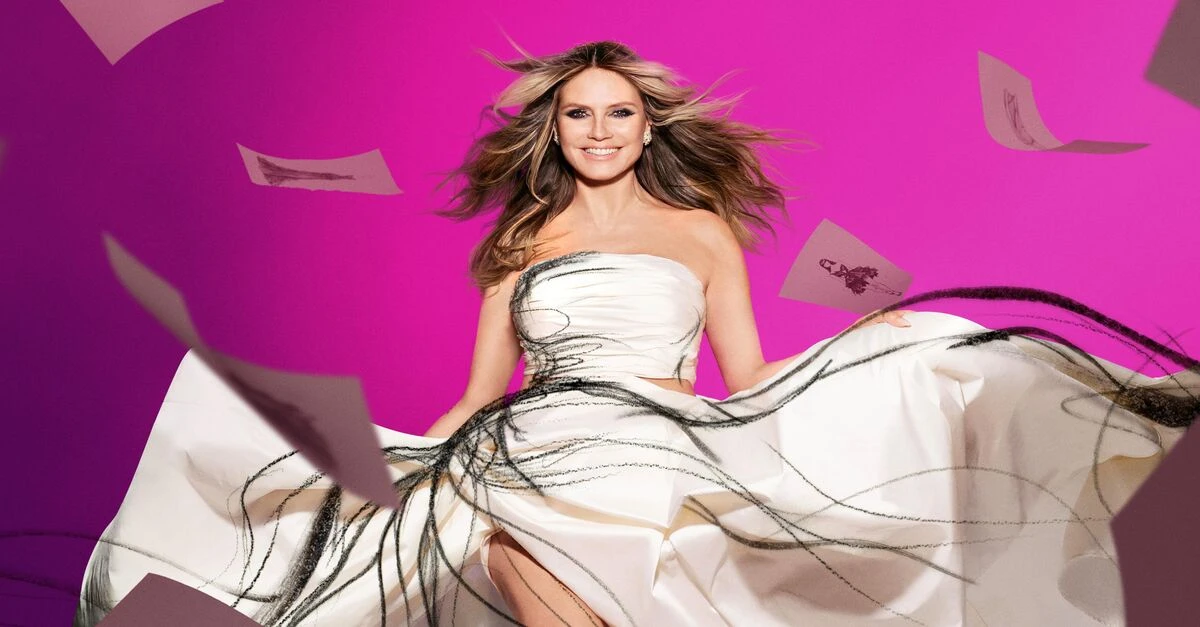
Some long-time Project Runway fans are turning on Season 22, but the criticism is aimed less at the clothes than at the show around them. A vocal group online says the season is leaning harder into conflict, cliffhangers, and judging arguments while giving the actual design work less room to breathe.
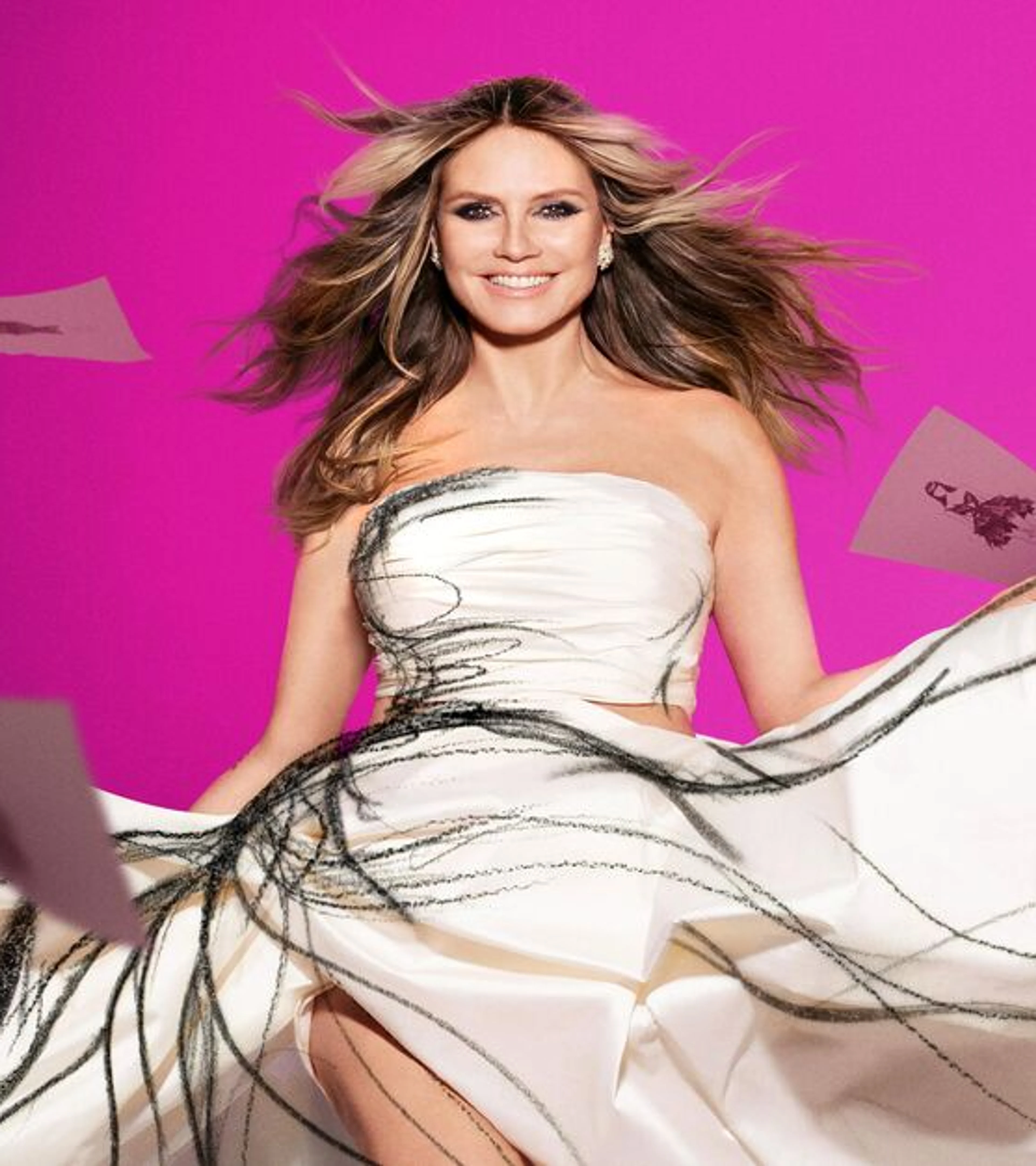
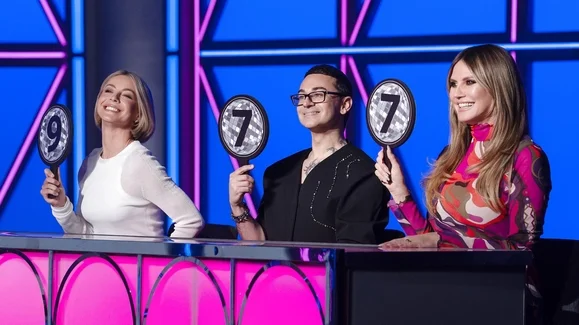
Season 22 premiered July 9 on Freeform and is also available through Hulu and Disney+. Heidi Klum, Law Roach, and Nina Garcia are judging, Christian Siriano is mentoring, and Tyra Banks appears as a recurring guest. The cast and panel are not the problem for every viewer; the split is about how the competition is being presented.
The format feels louder than the work
Fans who came for construction, fabric, and runway decisions say the episodes are spending too much time on reactions and last-minute tension. The complaints describe a familiar reality-TV rhythm: a disagreement is stretched across multiple scenes, then the runway is treated as the payoff to a drama beat instead of the main event.
That does not mean every viewer thinks the season is bad. People still praise individual designers, unusual challenges, and Christian Siriano's advice. The frustration is that the best parts can feel squeezed between moments designed to make the next commercial break feel urgent.
Law Roach has become part of the argument
Law Roach's judging style is another frequent point of debate. Some viewers like the sharper, more personal critiques; others say the comments can feel performative or disconnected from the construction of a look. The disagreement is not simply about whether Roach is a good judge. It is about how much the panel should talk about a designer's presentation, attitude, or storyline compared with the garment itself.
That distinction matters on a design show. A tough critique can help explain why a look failed, while a personal exchange can leave viewers talking about the judge instead of the work. Season 22 has produced both kinds of moments, which is why the reaction is so divided.
Cliffhangers and twists are wearing viewers down
Online discussions repeatedly mention cliffhangers, surprise rules, and twists that interrupt the normal rhythm of a challenge. A twist can be fun when it changes the design problem. It becomes tiring when the audience feels the show is hiding the result simply to manufacture another argument.
Fans also want the rules to feel stable. If the judging standard changes from one episode to the next, viewers have a harder time understanding why one look survives while another goes home. The issue is not that the competition must be predictable; it is that the decisions need to make sense when the episode ends.
Do the judges feel balanced?
Another complaint is that the panel can feel more focused on personality than expertise. Project Runway has always mixed industry knowledge with television chemistry, but some Season 22 viewers say they want clearer explanations of fit, fabrication, proportion, and execution before the conversation turns to conflict.
A design judge does not have to be gentle. The useful version of a harsh critique is specific: this seam failed, the fabric fought the silhouette, or the styling buried the idea. Fans are asking for more of that and less of the kind of exchange that could happen on any reality show.
Why people are still watching
The backlash is not a sign that the audience has disappeared. Project Runway still has a recognizable format, a deep archive of memorable designs, and contestants people want to follow. Fans who complain are often describing the version of the show they want back, not saying they have stopped caring.
The designers remain the season's strongest asset. When an episode gives them enough time to explain an idea, solve a difficult brief, and show the finished look without a manufactured pause, the old appeal returns quickly.
What would win viewers back?
The answer from the online discussion is fairly consistent: more construction, clearer judging, fewer fake-outs, and drama that grows naturally from the competition. A designer missing a deadline or making a risky choice is already enough tension. The show does not need to add a second argument just to prove that the episode has stakes.
Season 22 is not a universal failure, and it is too early to say that every change will stick. The more useful reading is that the audience is pushing back on the balance. They still want the fashion show; they just do not want the runway buried under the reality-TV machinery.