Warning: spoilers through Silo Season 3, Episode 9.
Season 3 finally answers Silo's oldest question: the underground silos were built to keep part of humanity alive after weaponized nanotechnology made the surface unsafe. Per Stenson and Thurman designed 50 sealed communities, then planned to use them to repopulate Earth. It was sold as a rescue plan. The rules built around it turned survival into a system of control.
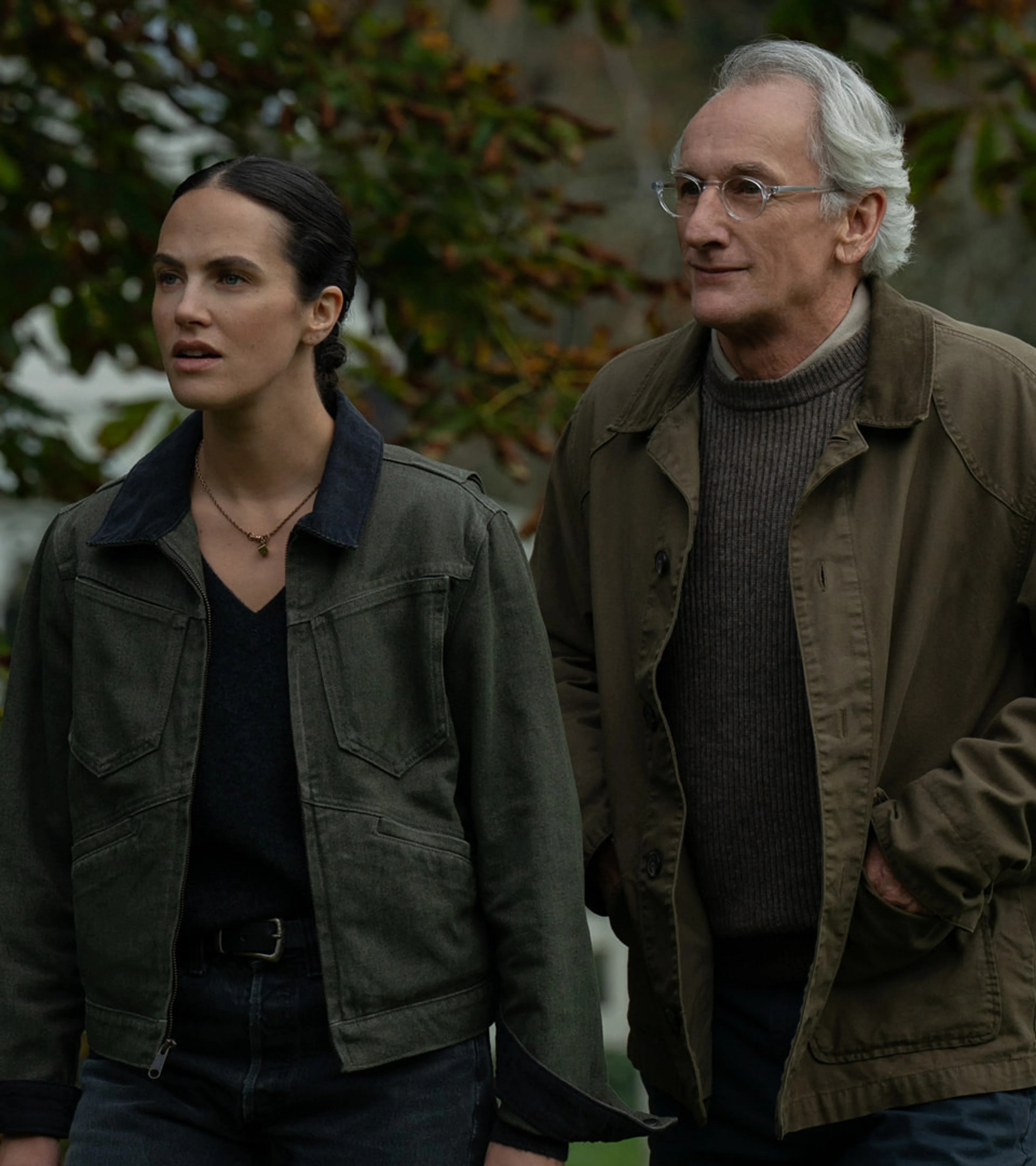
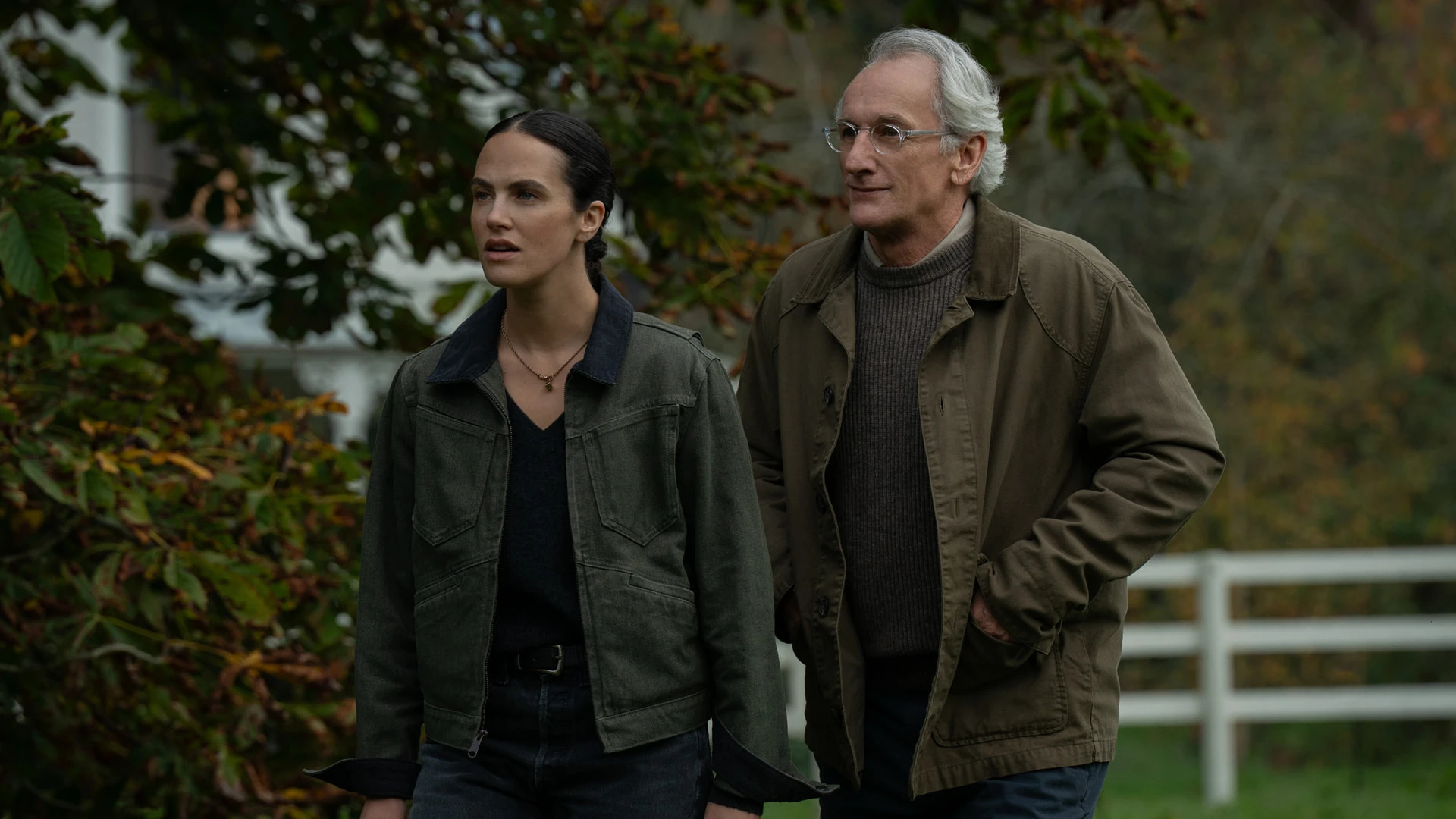
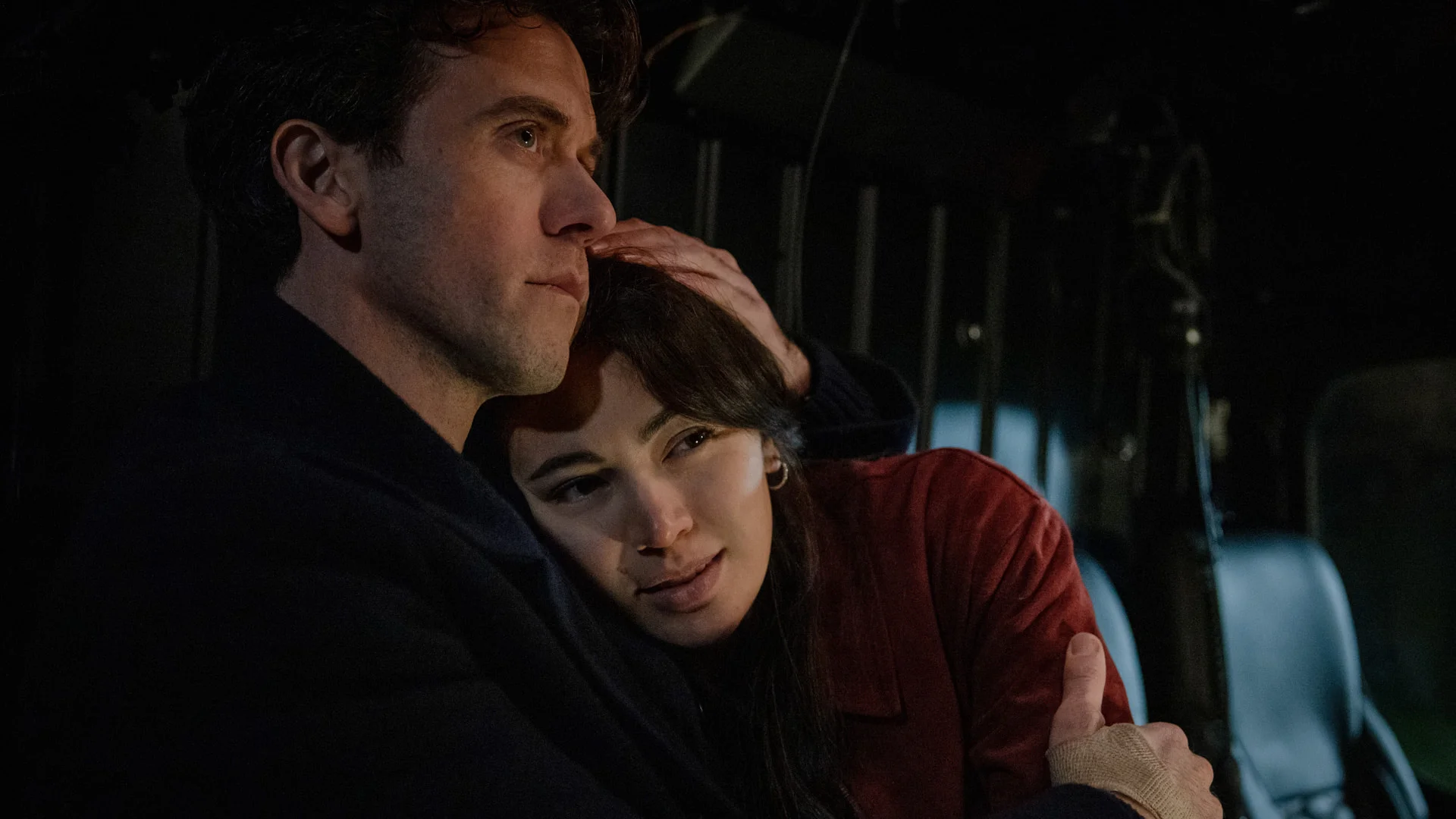
Apple TV+ splits the season between Juliette Nichols (Rebecca Ferguson) in the present and the Before Times, when journalist Helen Drew (Jessica Henwick) and Congressman Daniel Keene (Ashley Zukerman) are pulled into the silo project. That second timeline is where the original purpose comes into focus.
The silos were built for a nano-war
Episode 8, “Gray Goo,” puts Per Stenson and a government official named Thurman in a room to explain what they are preparing for. Their fear is not simply a nuclear exchange. The episode describes an adversary developing weaponized nanotechnology that can spread through the environment and make ordinary shelter useless. A strike connected to Stenson's research pushes the crisis toward a military response.
The project leaders are not trying to save everyone in a single city. They are building separate, self-contained populations that can survive long enough for the outside world to become livable again. The show initially describes the sites as repositories or seed vaults. The people inside them are part of the seed, too.
A bunker was only part of the plan
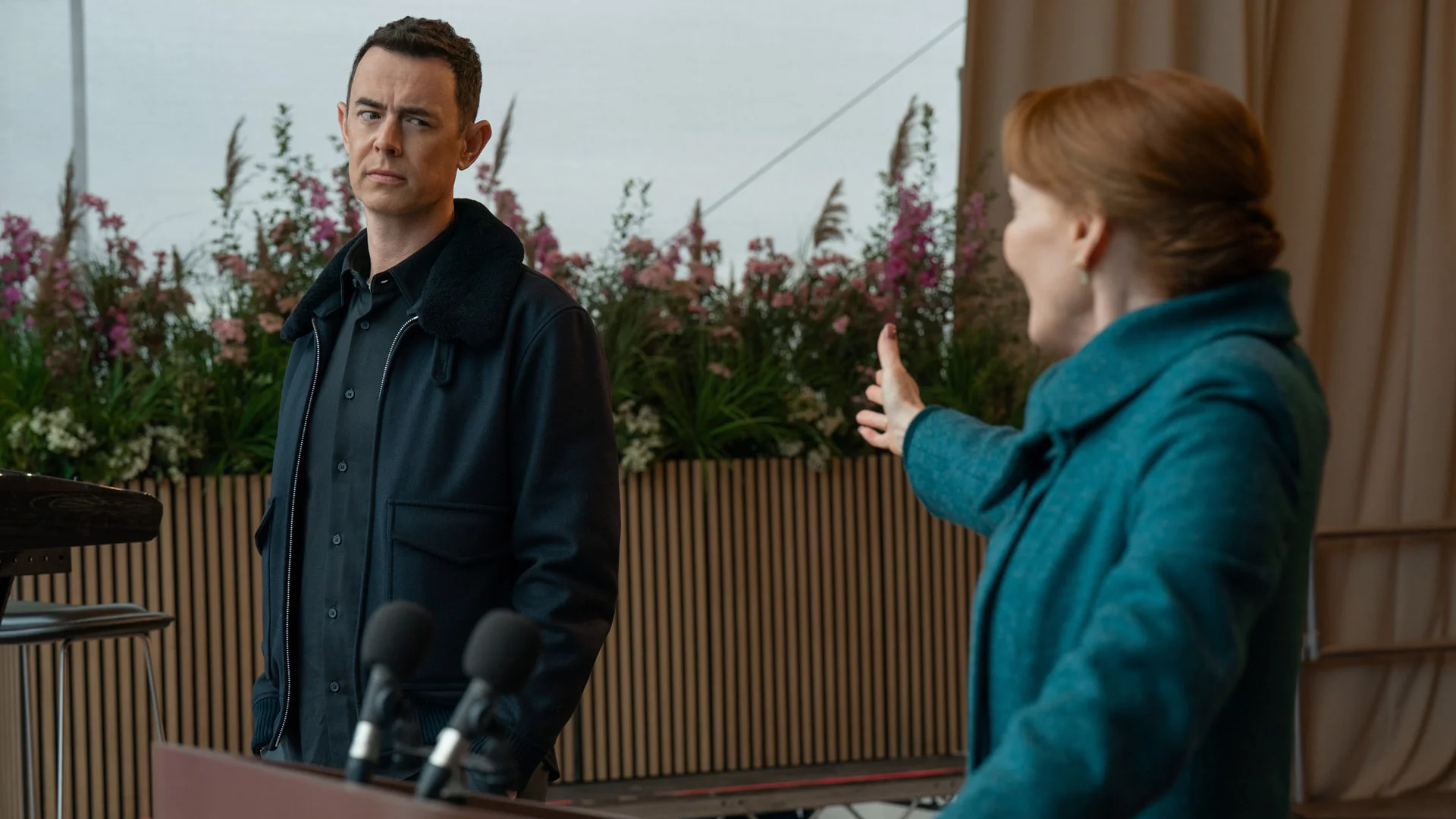
Episode 9, “Farewell,” lets Helen and Daniel see the project before it becomes the world Juliette knows. The complex is designed to survive a nearby nuclear blast and to keep out particles far smaller than anything a normal air filter could stop. The scale is deliberate: 50 silos, each isolated from the others, with their own food, power, work, and leadership.
The invitations also show how controlled the population was from the start. The project is meant to gather people from different countries and backgrounds, not a random crowd that happens to reach a shelter. Stenson's language makes the plan sound almost clinical: preserve the right people, protect the knowledge they carry, and wait until rebuilding is possible.
That explains why the silos have so many rules about information. A community that knows the outside world is safe might open its doors too early. A community that knows other silos exist might try to cross the boundary. The project needs residents to stay alive, but it also needs them to stay contained.
Why does the rescue plan look like a prison?
Because the people who built the silos were planning for more than a disaster. They were planning for human behavior after the disaster. The Pact, the hidden history, and the threat of Safeguard all keep residents from testing the limits of the system. If a silo becomes too unstable, the people running the wider program can decide that the entire population is a risk.
The show has spent two seasons presenting those rules as old customs. Season 3 shows the machinery behind them. The cleaning ritual, the banned records, and the controlled movement between levels are not random traditions; they are parts of a design meant to prevent residents from learning enough to challenge the plan.
Juliette's rebellion changes the argument. She is not only asking whether the surface is safe. She is asking who gets to decide what everyone else is allowed to know, and whether keeping people alive gives the system permission to run their lives for them. The origin story makes her fight more specific, not less.
What Episode 9 still leaves open
The answer about the silos' purpose arrives before the explanation is complete. Episode 9 ends with a nuclear blast, even though Stenson's plan is built around a nanotechnology threat. The season has not yet identified who launched it, whether it triggered the catastrophe on the surface, or how it connects to the program's later use of Safeguard.
The show also has to explain why 50 separate communities were necessary, how Silo 1 gained authority over the others, and what happened to the people who were supposed to lead the rebuilding effort. Helen and Daniel have seen the plan before it was filled with residents. Juliette is living inside the consequences.
Season 3's finale, “Troy,” arrives September 4. It may answer some of those questions, but the central reveal is already clear: the silos were not built as permanent homes. They were built as controlled lifeboats for a world threatened by weaponized nanotech, and the control was part of the design from day one.
Does this change the first two seasons?
It changes the meaning of the mystery without excusing the system. The founders had a real reason to fear the surface, but they also chose secrecy, separation, and a chain of command that could sacrifice an entire silo. The original emergency plan became a society where safety depends on obedience.
If you are catching up on Apple TV+ releases, you can also use our Dark Matter Season 2 episode schedule before the next Silo episode arrives.
So why were the silos built? To preserve humanity after weaponized nanotechnology made the surface dangerous—and to make that preservation controllable. Season 3 has answered the first half. The finale still has to show how a rescue plan became the prison Juliette inherited.
Do you think the silos began as a rescue plan, or was control always the real purpose?