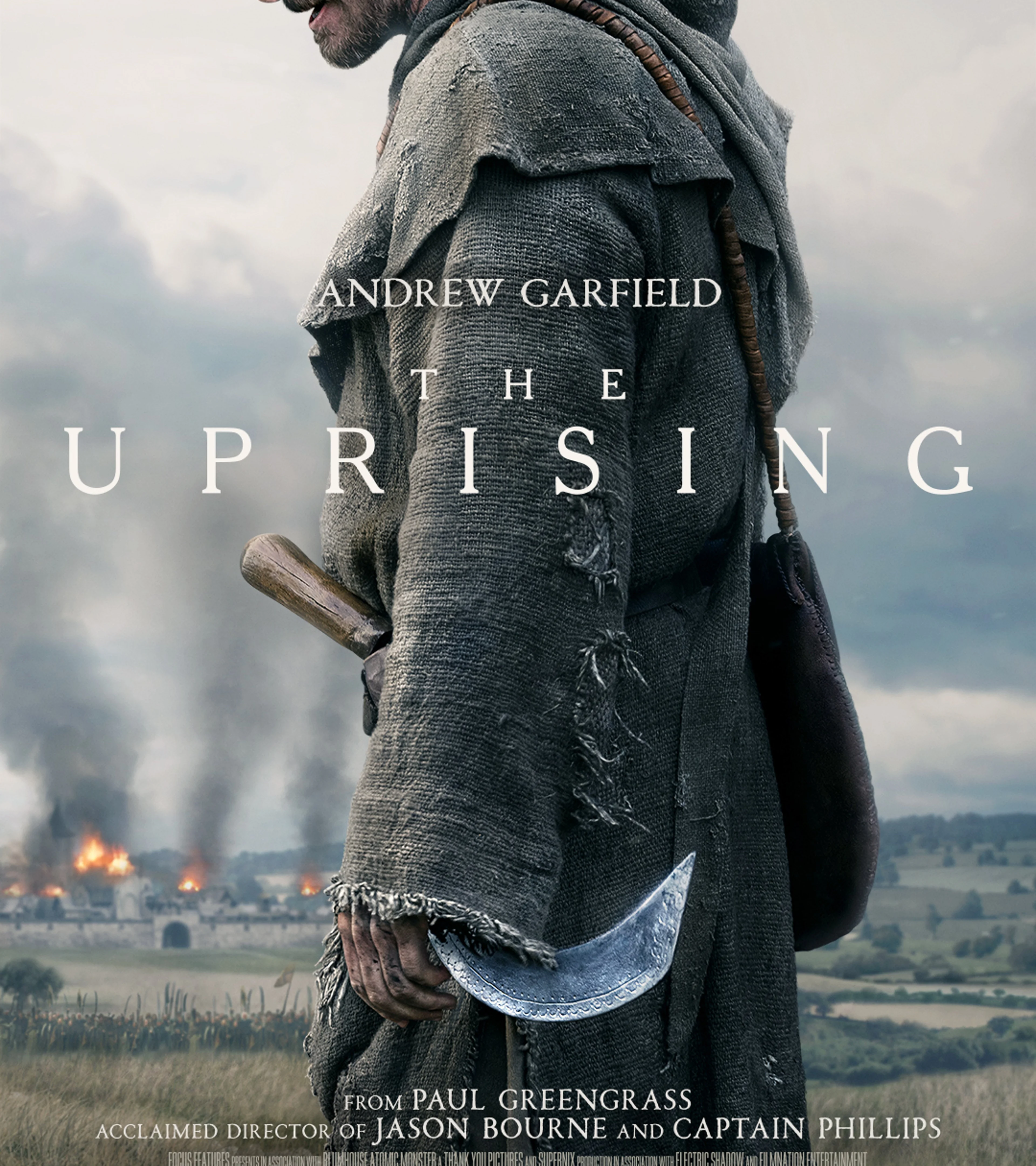
The Uprising is not a straight adaptation of the familiar Robin Hood story. Paul Greengrass’s film follows an unnamed farmer called Ploughman through the Peasants’ Revolt of 1381. Greengrass connects that revolt to the social world in which Robin Hood stories became popular, but Focus Features does not identify Andrew Garfield’s character as a historical Robin Hood.
Greengrass treats Robin Hood as a legend taking shape around an outlaw, not as a biography. The U.S. campaign briefly leaned into that idea with “Witness the Rise of Robin Hood,” but Focus Features’ current page uses narrower wording: the uprising helped inspire the legend. That distinction matters because recent U.S. marketing used “Witness the Rise of Robin Hood,” while the film’s current official page says the uprising helped inspire the legend.
So Is Andrew Garfield Playing Robin Hood?
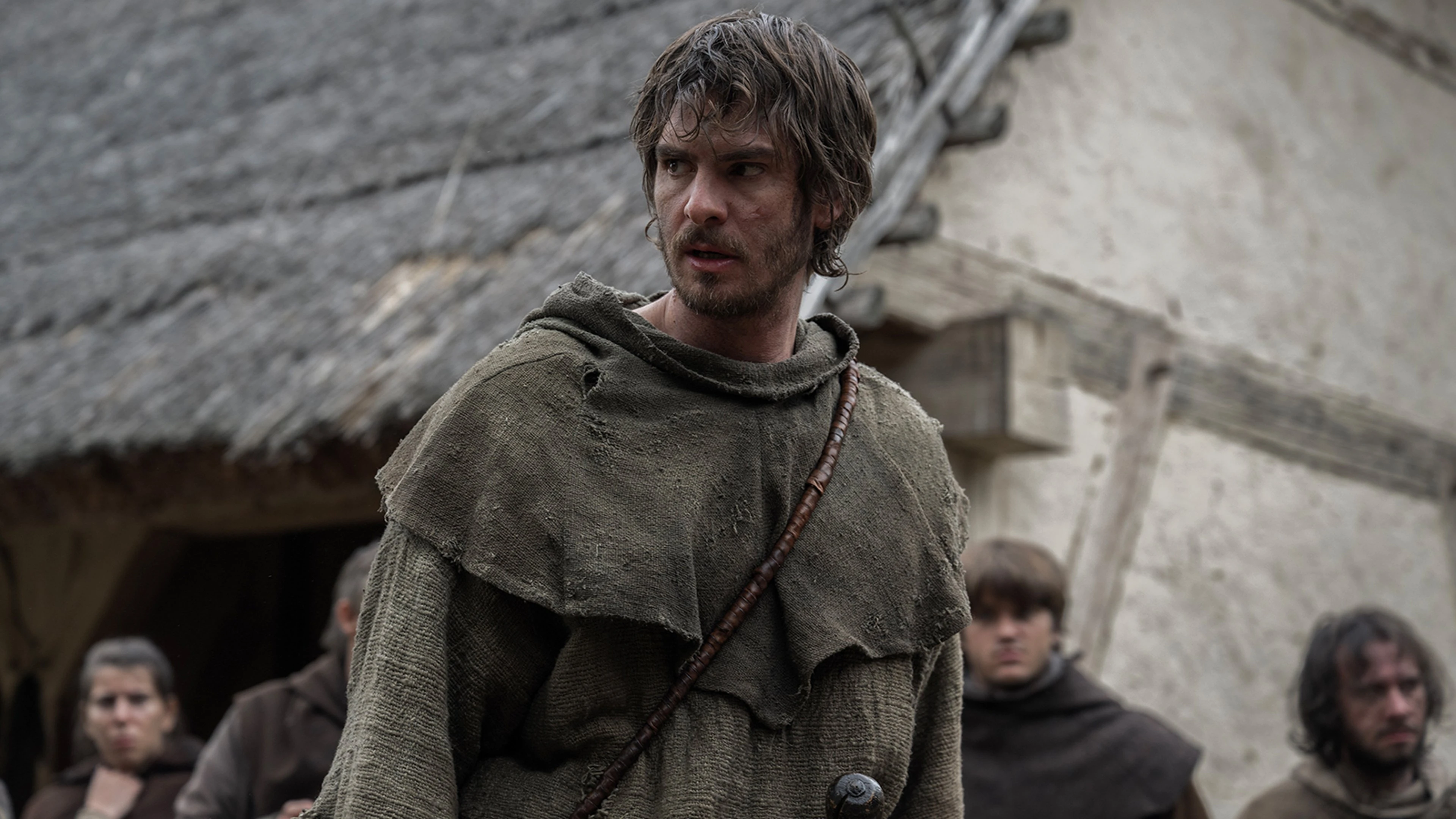
Garfield is officially credited as Ploughman. In Greengrass’s explanation to NPR’s Fresh Air, the character begins as a simple farmer and eventually becomes an outlaw. The director places that transformation beside the growth of Robin Hood ballads after the revolt rather than claiming that Ploughman is the one historical person behind the legend.
Greengrass says “Robin Hood” had already functioned as a name for an outlaw before 1381. He argues that the stories then became more popular because they spoke to a society divided between rich and poor. The film turns that connection into a hero’s journey for Ploughman.
Why the Marketing Caused Confusion
The U.S. campaign briefly pushed a much stronger Robin Hood message. TheWrap documented an official social clip carrying the “Witness the Rise of Robin Hood” line and a Dolby poster using the same idea. That wording made the film sound like a direct origin story for the outlaw.
The U.K. distributor publicly said the movie is about the Peasants’ Revolt, not Robin Hood. Focus’s live U.S. page now presents the title simply as The Uprising. Its synopsis uses narrower language: the true events shown in the film helped inspire the Robin Hood legend.
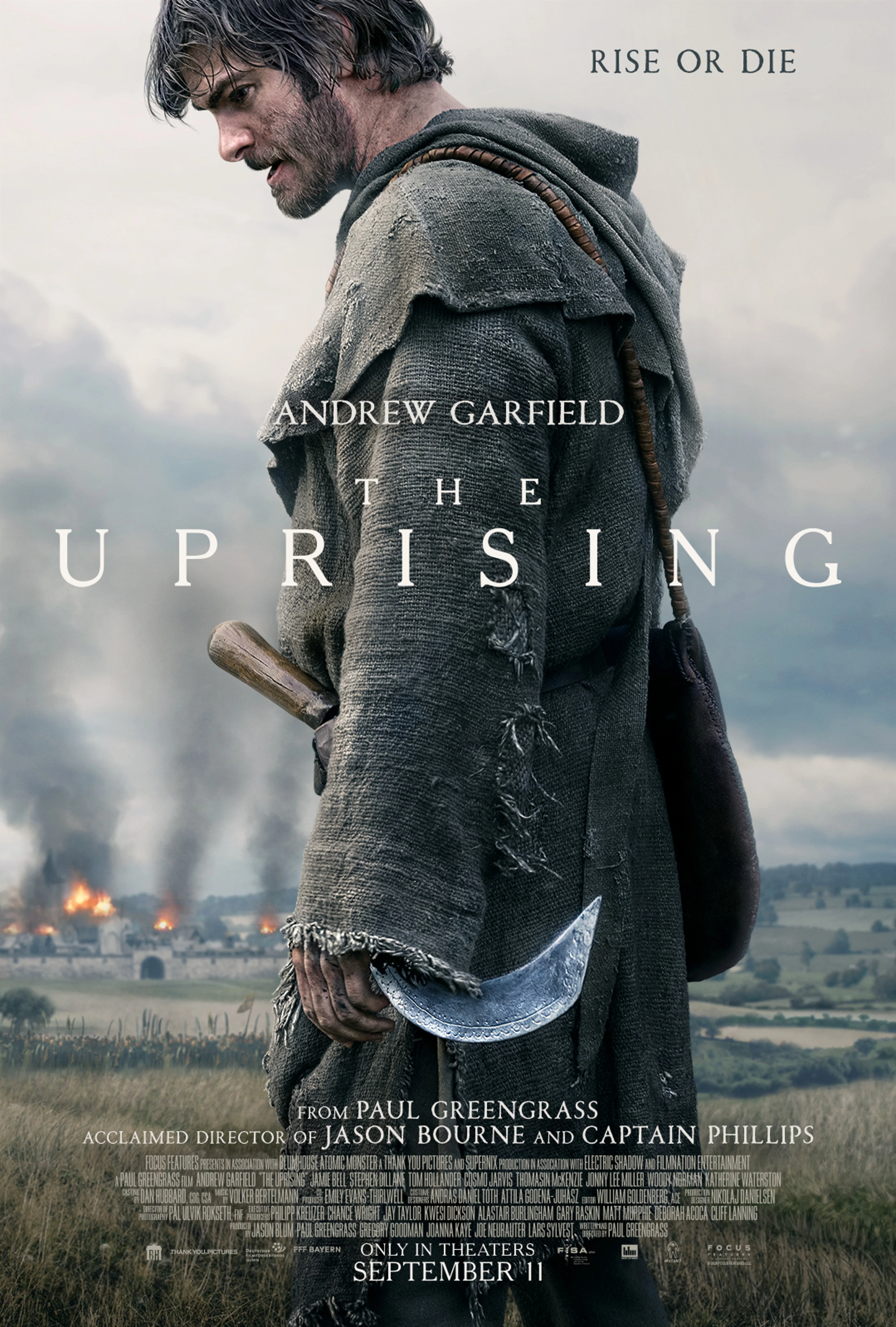
Those statements are easier to reconcile if the Robin Hood material is treated as a thematic and fictional bridge. Ploughman can move toward the life of an outlaw without the film becoming a conventional adventure about Sherwood Forest, Prince John, or the usual band of Merry Men.
What The Uprising Is Actually About
The central event is the 1381 revolt against King Richard II’s government. The film’s Ploughman has lost his family after the plague and is crushed by debt and failing land. A new tax becomes the spark that pushes workers and farmers toward London.
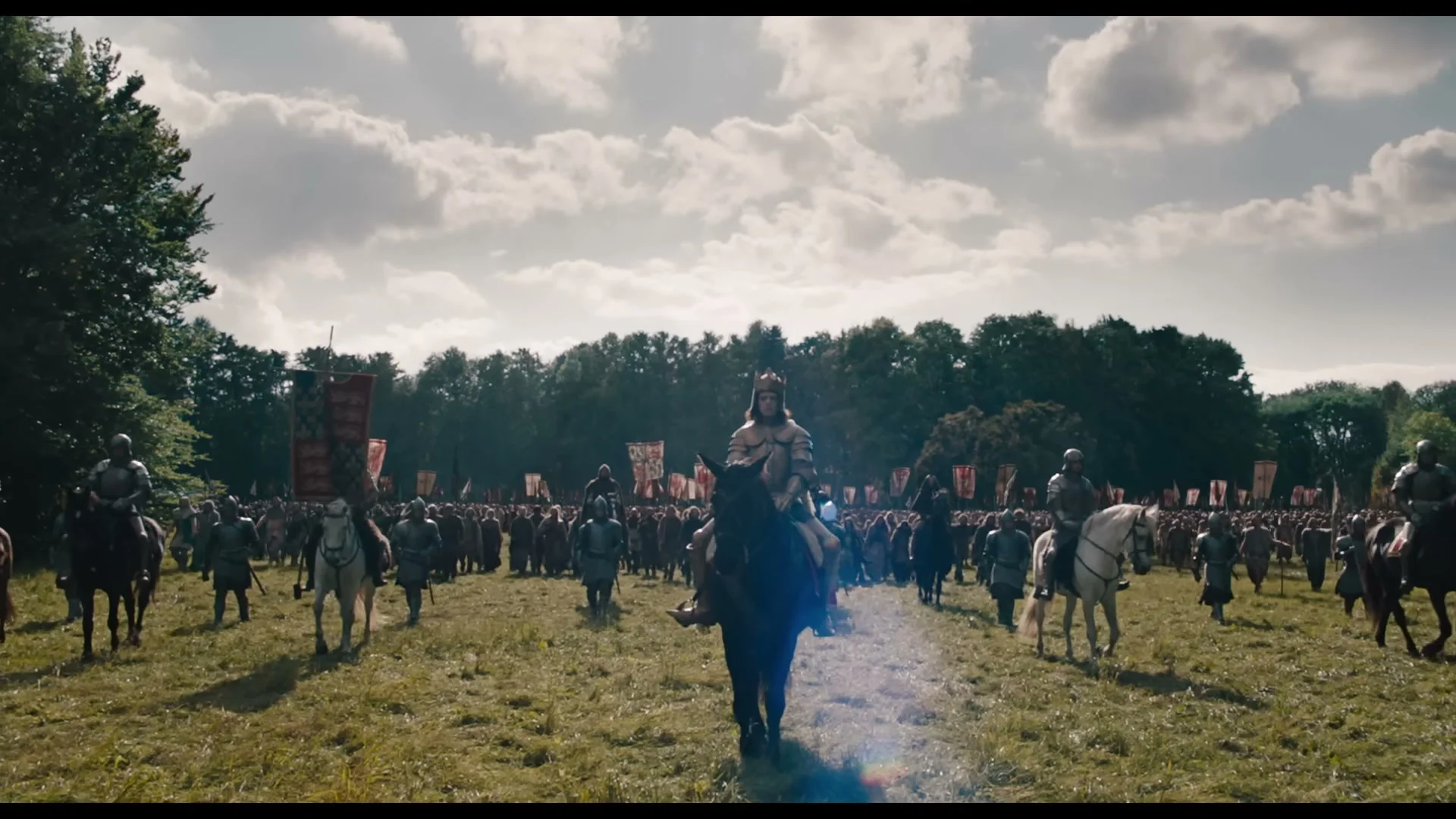
Historical figures surround the fictional lead. Cosmo Jarvis plays rebel leader Wat Tyler, Jamie Bell plays the radical priest John Ball, and Woody Norman plays the young King Richard II. The cast also includes Stephen Dillane, Tom Hollander, Thomasin McKenzie, Jonny Lee Miller, Katherine Waterston, and Sky Yang.
Advertisement

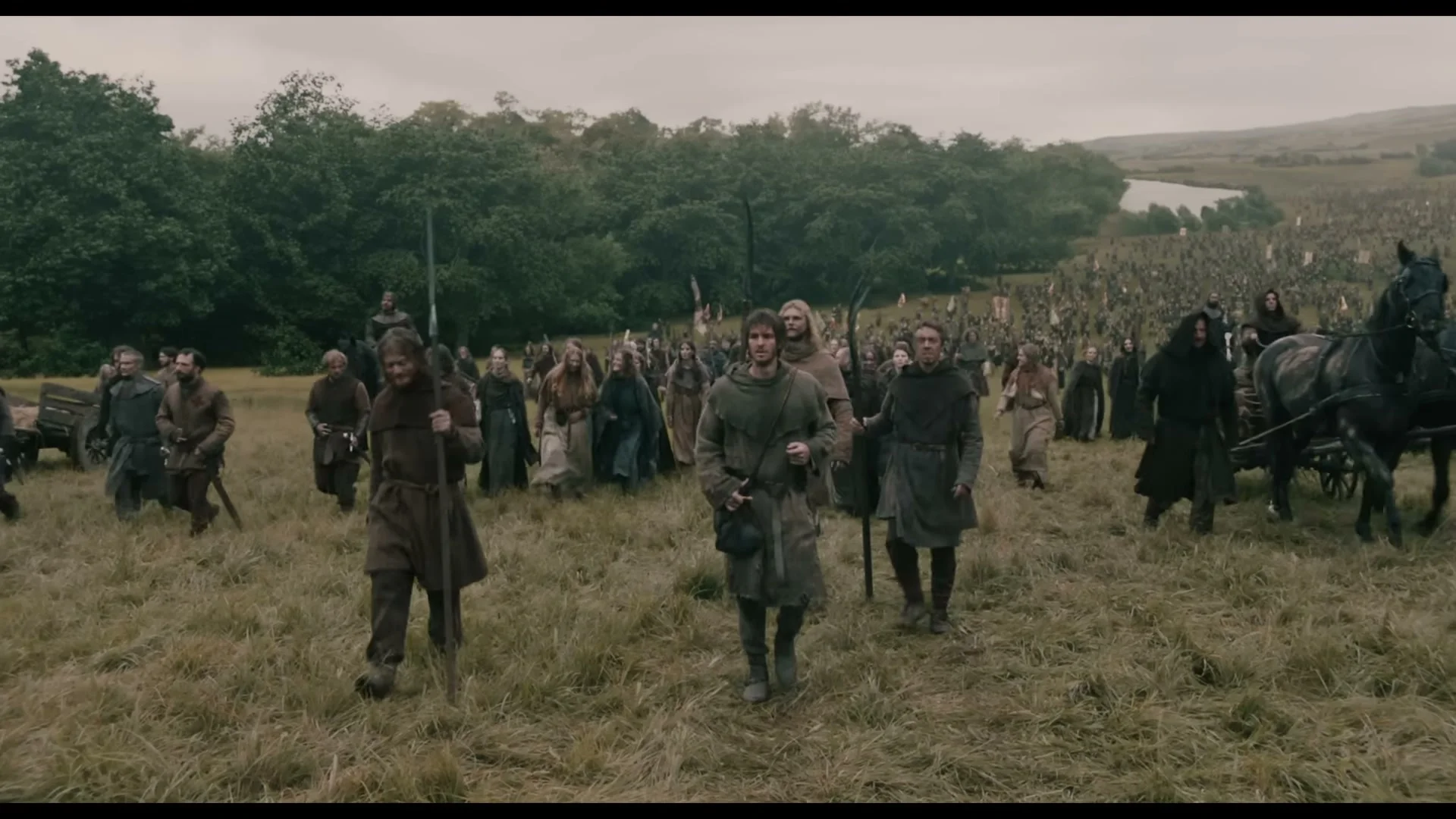
Greengrass wrote and directed the film. Focus Features lists Jason Blum, Greengrass, Gregory Goodman, Joanna Kaye, Joe Neurauter, and Lars Sylvest as producers. The official premise frames the uprising as a fight against royal power and economic pressure, while the Robin Hood connection arrives through the outlaw identity that follows.
How Much of It Is Real History?
The Peasants’ Revolt, Wat Tyler, John Ball, and Richard II are historical. Ploughman is the film’s narrative center, and Greengrass describes him as an ordinary farmer created for this story. The movie is a historical drama, not a documentary or proof that one real rebel became Robin Hood.
The film also compresses a fast-moving rebellion into a personal arc. In the Fresh Air interview, Greengrass describes tens of thousands marching on London over several days. His focus is how grief, inequality, and anger move one person from private loss into collective action.
Release Date and Official Trailer
Focus Features’ live page currently lists The Uprising for U.S. theaters on September 10, 2026. The official one-sheet still prints September 11, so local showtime listings are the practical source for the first available screening in a specific city.
The official trailer is embedded below. It introduces Ploughman, the tax-driven rebellion, and the scale of the march without settling the marketing debate by itself.
What the New Explanation Does — and Does Not — Confirm
- Confirmed: Ploughman becomes an outlaw, and Greengrass intentionally links his journey to the world that produced popular Robin Hood ballads.
- Not confirmed: that Garfield is playing a historically verified Robin Hood or that the film adapts the standard version of the legend.
- Current official framing: the revolt helped inspire the legend, while the movie remains centered on the Peasants’ Revolt and Ploughman’s transformation.
Where to Keep Track of the Film
The Pixel Twelve movie page for The Uprising keeps the current release date, trailer, cast summary, and related coverage together. The Movies hub lists other current film coverage.
If Focus changes the title treatment again or issues a more specific statement about Ploughman’s identity, that would be a new factual update. For now, Greengrass’s own explanation gives the clearest boundary: the film builds a fictional outlaw story out of the revolt-era conditions associated with Robin Hood’s growing legend.