
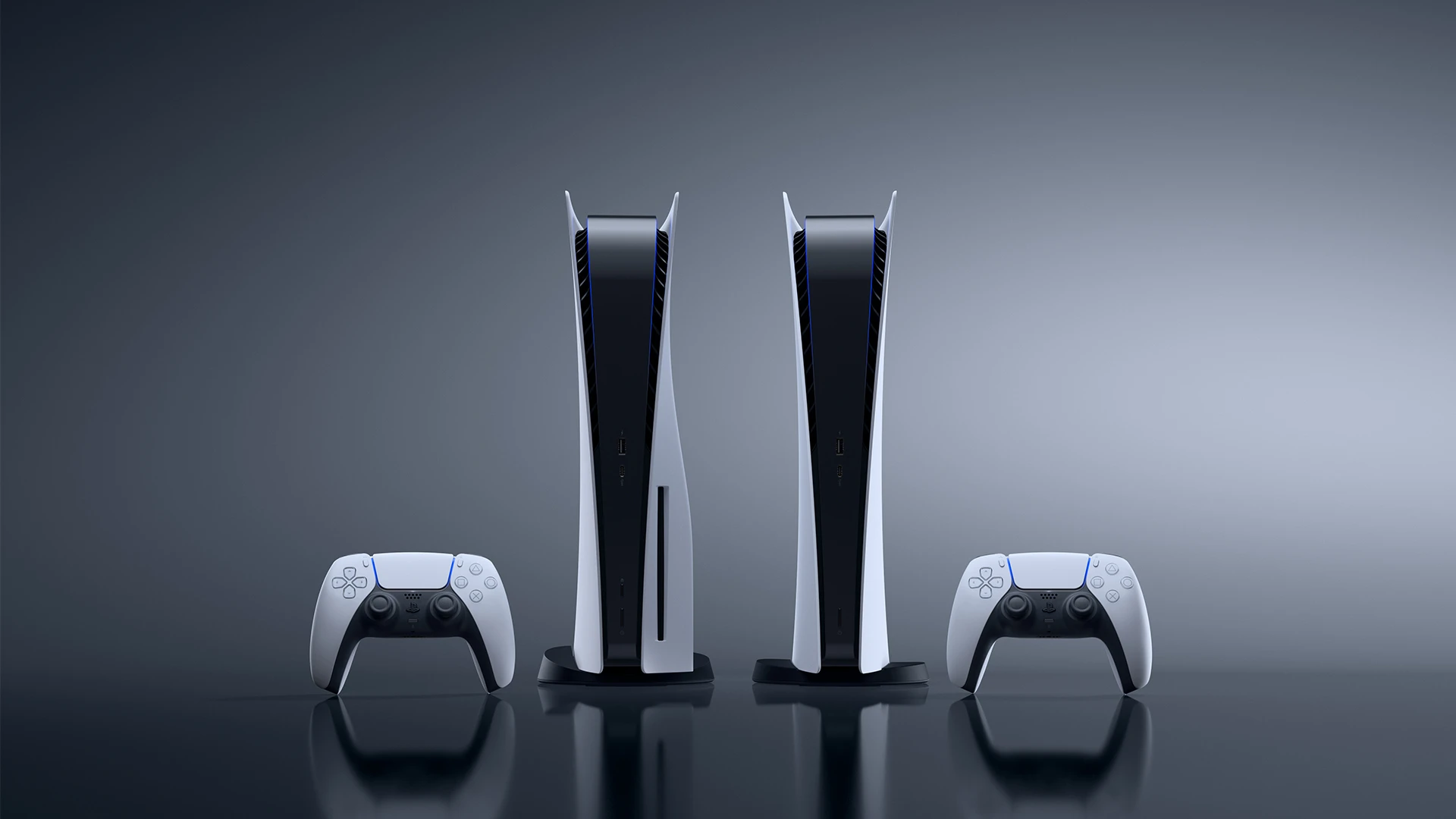
PlayStation had a strong financial quarter, and Sony says refunds from U.S. tariffs were a major reason its operating income increased.
Sony's Game & Network Services division reported 937.1 billion yen in sales and 202 billion yen in operating income for the first quarter of its 2026 fiscal year. Operating income rose by 54.1 billion yen, or 37 percent, compared with the same period last year. Foreign exchange rates helped, but Sony identified U.S. tariff refunds as the main reason for the increase.
The result has brought back a question PS5 buyers have been asking since console prices went up: if Sony is getting money back, will customers see any of it? Sony has not announced a refund program or a PS5 price reduction.
The Refund Helped Sony, Not PS5 Buyers
Sony expects about 80 billion yen in tariffs paid by the whole Sony Group to be refunded during the current fiscal year. The company did not disclose the exact amount going to PlayStation, though executives said most of the first refund would benefit the games division, with the rest going mainly to its imaging business.
The official financial presentation also raised the full-year operating income forecast for Game & Network Services from 600 billion yen to 660 billion yen. This is a corporate refund for tariffs Sony paid as an importer. It does not automatically create a legal refund for everyone who bought a console.
Operating income is the money left from the division's business after operating costs, before several company-wide financial items are counted. A tariff refund lowers a cost Sony had already recorded, so it can improve that number even without a sudden jump in console sales. PlayStation also benefited from favorable currency movement, which Sony valued at 19.1 billion yen for the quarter.
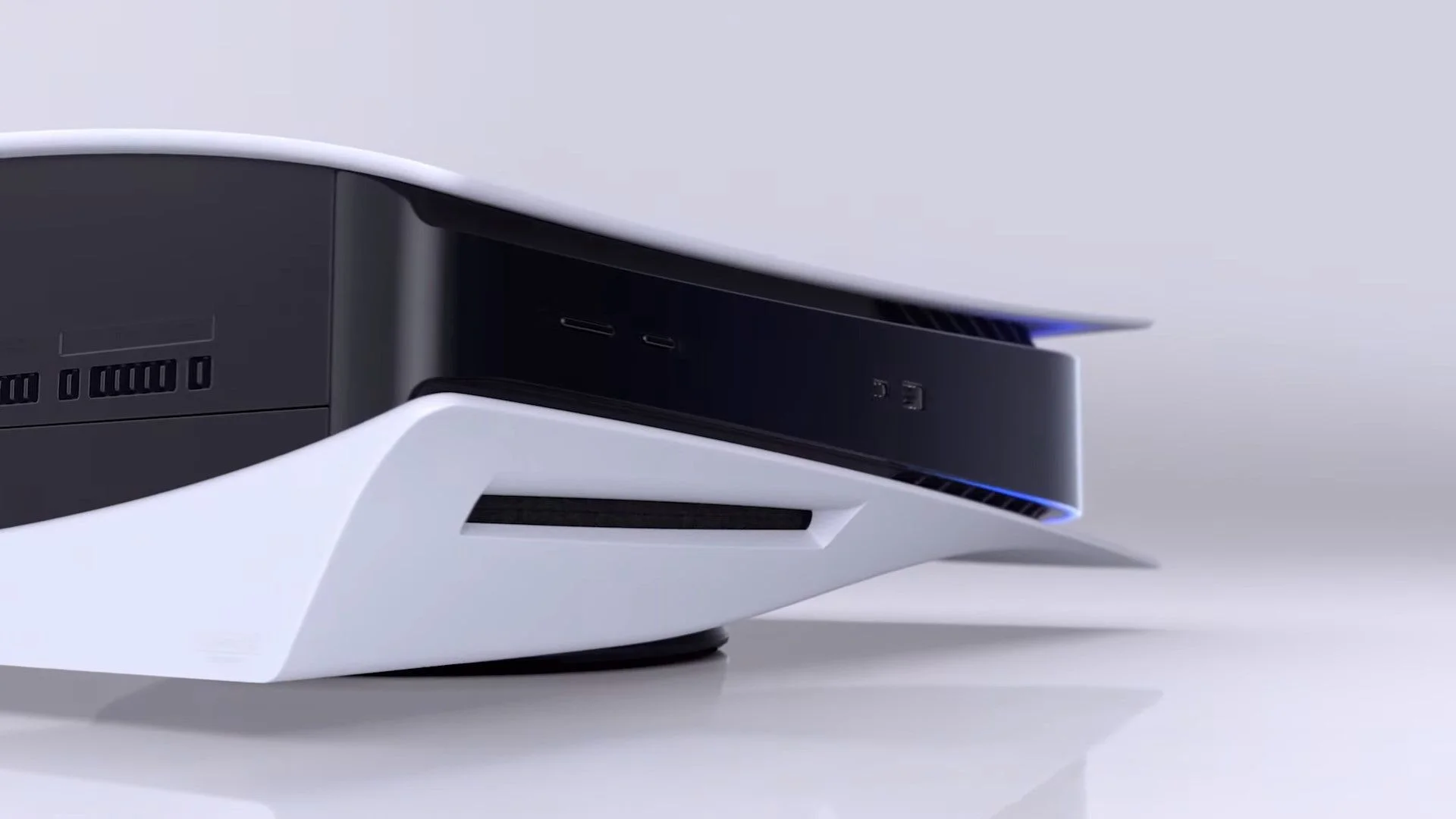
Sony raised U.S. PS5 prices by $50 in August 2025, saying it was dealing with a challenging economic environment. A second increase arrived in April 2026. The standard PS5 moved to $649.99, the Digital Edition to $599.99, and the PS5 Pro to $899.99. Sony again pointed to pressure across the global economy rather than naming one single cause.
Tariffs were part of the public discussion around those increases, but component costs, currency changes, and other market conditions also affected console pricing. Sony never promised that a future tariff refund would be passed directly to buyers. The company has also not said that the current U.S. prices are temporary.
This is why a direct calculation per console would be misleading. Sony has not disclosed how much tariff cost was attached to each PS5 model, how many affected units were sold, or how much of each price increase covered tariffs. The 80 billion yen estimate covers Sony Group as a whole, not only PlayStation hardware sold in the United States.
The difference is still difficult for customers to ignore. Buyers paid more during the same period that Sony faced higher import costs. Sony can now recover a large part of those tariff payments while the higher console prices remain in place.
A Lawsuit Is Already Challenging That Result
A proposed class-action lawsuit filed in May argues that Sony could receive a double recovery: higher revenue from consumers after the price increase and a refund from the U.S. government. Push Square reported that the complaint seeks money for people who bought PlayStation hardware at the higher prices.
The lawsuit is only an allegation. No court has ruled that Sony owes PS5 buyers money, and the case has not been certified as a class action. The Supreme Court decision that invalidated the tariffs dealt with what importers paid to the government. It did not order Sony or other companies to reimburse retail customers.
Players should also avoid confusing this dispute with other PlayStation settlements involving digital game sales. This case is specifically about hardware prices and tariff refunds. There is no official claim form for PS5 buyers connected to Sony's new quarterly results.
Sony's numbers show that the tariff refund is already helping PlayStation's financial performance. They do not show any plan to lower prices or send part of that money to customers. Anyone buying a PS5 today still faces the prices introduced in April.
The issue is likely to remain active as the lawsuit moves through court and Sony receives more of the expected refund. Until either Sony changes its pricing or a judge rules otherwise, the benefit stays with the company rather than the people who paid the higher retail price.