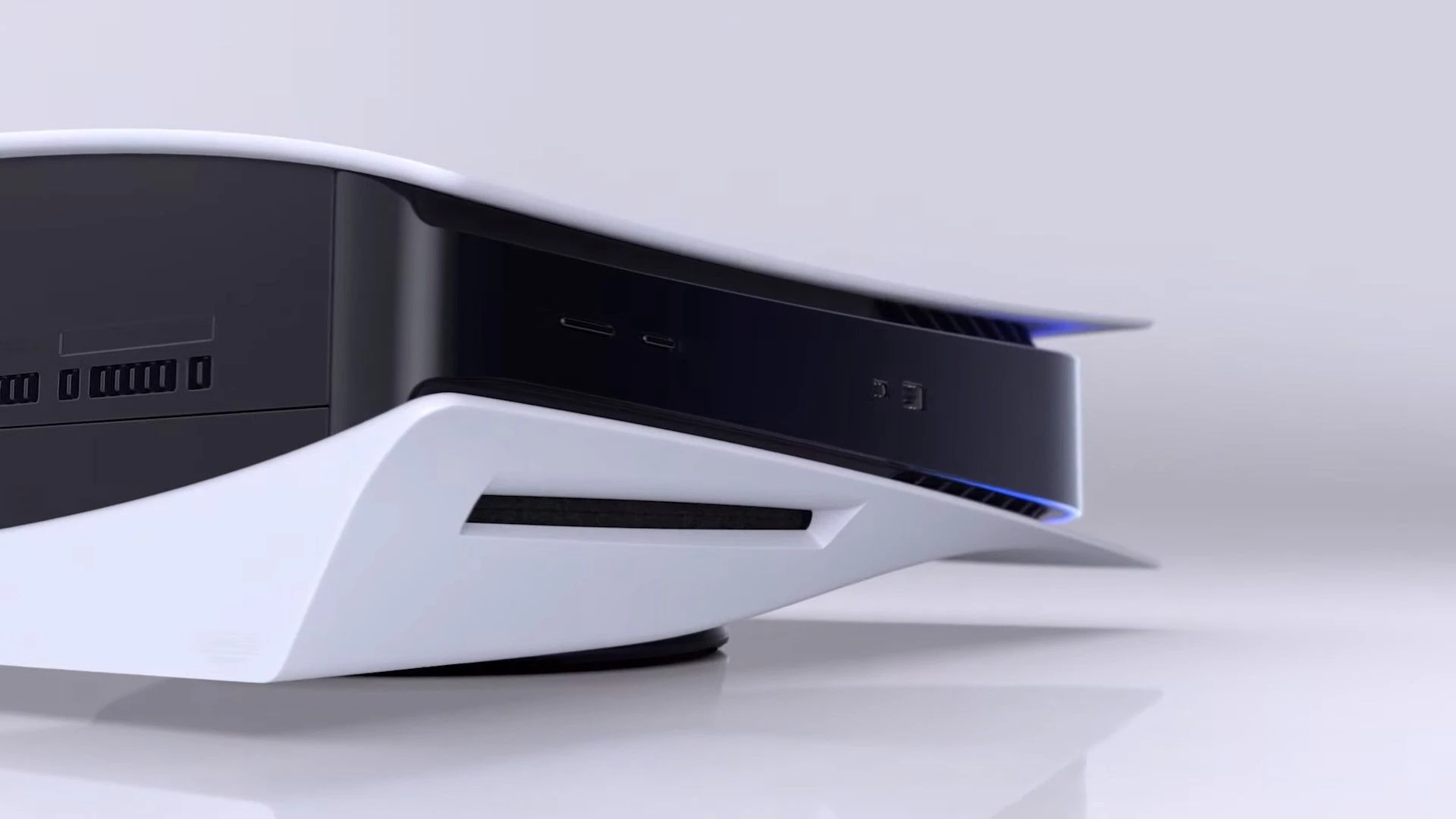
Last updated August 27, 2026. Sony has not announced a PS6 release date. The company has confirmed investment in a next-generation PlayStation platform, but it has not published a final name, launch window, price, specifications, or launch games. References to 2028 are estimates, not an official Sony date.
PS6 release date: confirmed status at a glance
- Official release date: Sony has not announced one.
- Official product name: Sony has not publicly named the console “PS6.”
- Price and specifications: not announced.
- What Sony confirmed: investment in a next-generation PlayStation platform is underway.
- What 2028 means: an estimate based on analyst interpretation and Sony’s disc policy, not an official launch date.
What has Sony confirmed about its next generation?
In Sony’s May 2026 corporate strategy Q&A, the company said it had not decided when to launch its next-generation console or how much it would cost. Sony also said memory prices could stay high through fiscal 2027 and that it was reviewing hardware technology, component costs, sales plans, and possible business-model changes.
Sony’s July earnings material adds one confirmed piece of progress: investment in the next-generation platform is already affecting the Game & Network Services segment. The same update says PlayStation reached 125 million monthly active users in June. Sony is building for the future while the current platform still has a very large audience to serve.
What Sony’s 2028 disc policy does — and does not — tell us
Sony’s 2028 disc policy is one reason analysts connect the next console to that year, but the policy does not reveal a hardware launch date.
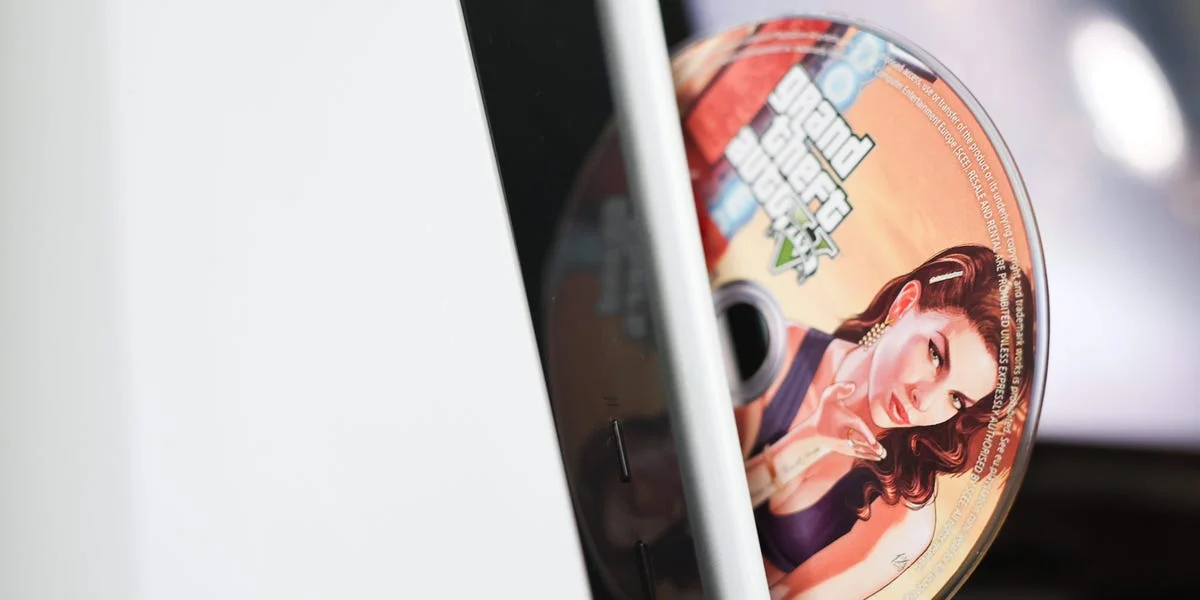
Sony announced in July that it will stop producing physical game discs for new PlayStation releases starting in January 2028. The policy does not remove existing discs, but it immediately raised PS6 questions: will the next console include a drive, will one be optional, and what will physical editions look like after 2028? Our earlier coverage of the disc backlash explains why the issue is tied to ownership, resale, lending, and preservation rather than only the plastic itself.
Why 2028 Is Only an Estimate
The PS5 launched in late 2020, so a seven-year console cycle makes 2027 an obvious reference point. GamesRadar described the second half of 2027 as the general expectation based on that pattern. That expectation is not an announcement from Sony, and Totoki’s latest comments do not confirm that the company has missed a target.
Other forecasts point to 2028 or later. VGC reported that Ampere analyst Piers Harding-Rolls viewed Sony’s decision to stop making new discs in 2028 as a sign that the next console would arrive no earlier than that year. That is an analyst’s interpretation, not a delayed date supplied by Sony.
Memory costs and supply can push those forecasts in either direction. Sony could wait, change the hardware, raise the price, alter its launch plan, or use a different mix of digital and physical products. Its public documents say those options are being assessed; they do not say which one has been chosen.
Why Sony Has Not Announced the PS6 Yet
Sony’s official Q&A about the next-generation platform describes a wider plan involving technology, hardware, business models, and play styles beyond the traditional living room. That gives investors a direction, but it gives players very little they can use to make a buying decision.
Sony does not need to show the entire console tomorrow. It does need to explain how its 2028 disc policy, component costs, and next-generation platform fit together before more decisions arrive on their own. Until the company uses a name, shows hardware, and gives a date, every PS6 timeline remains community math.