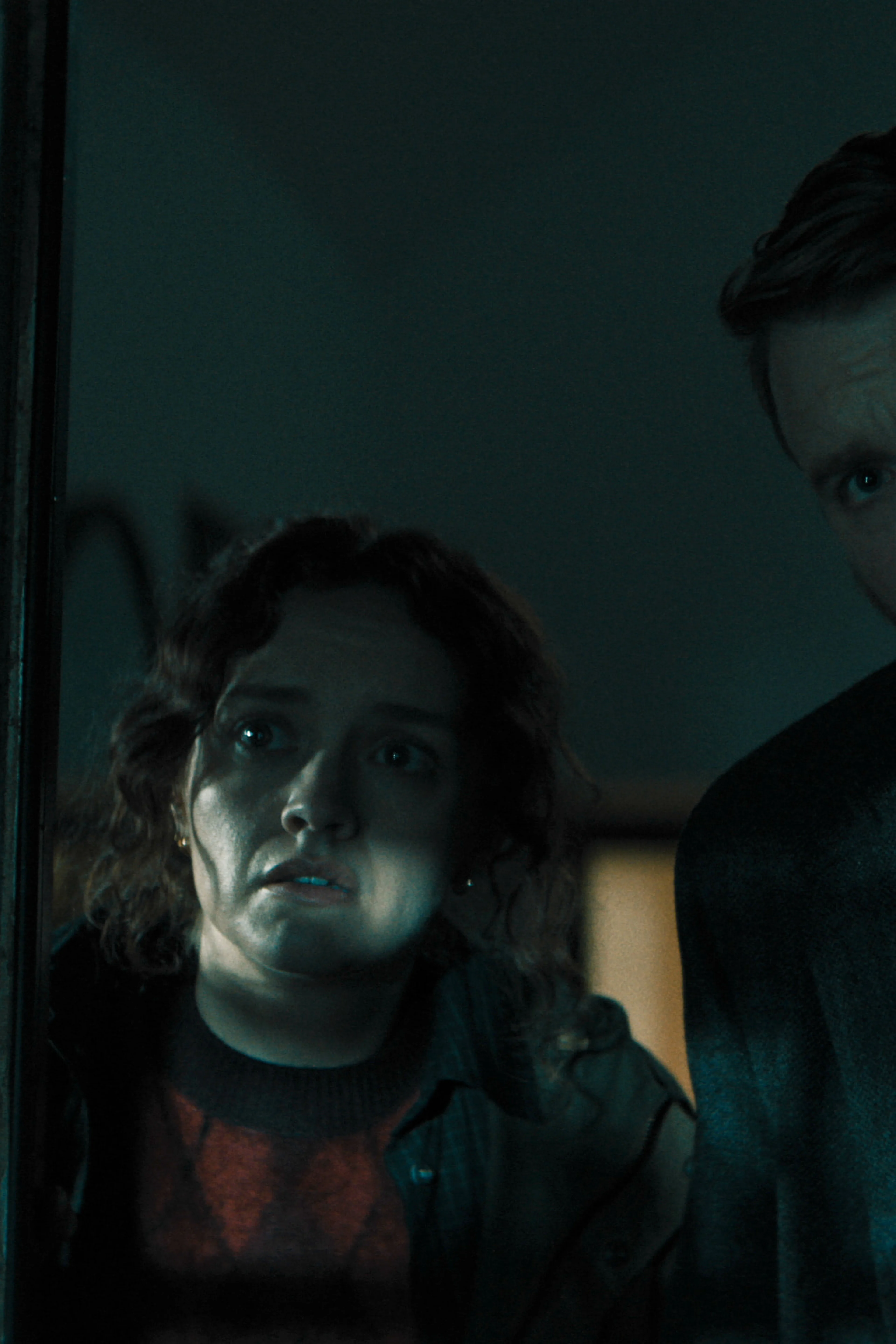
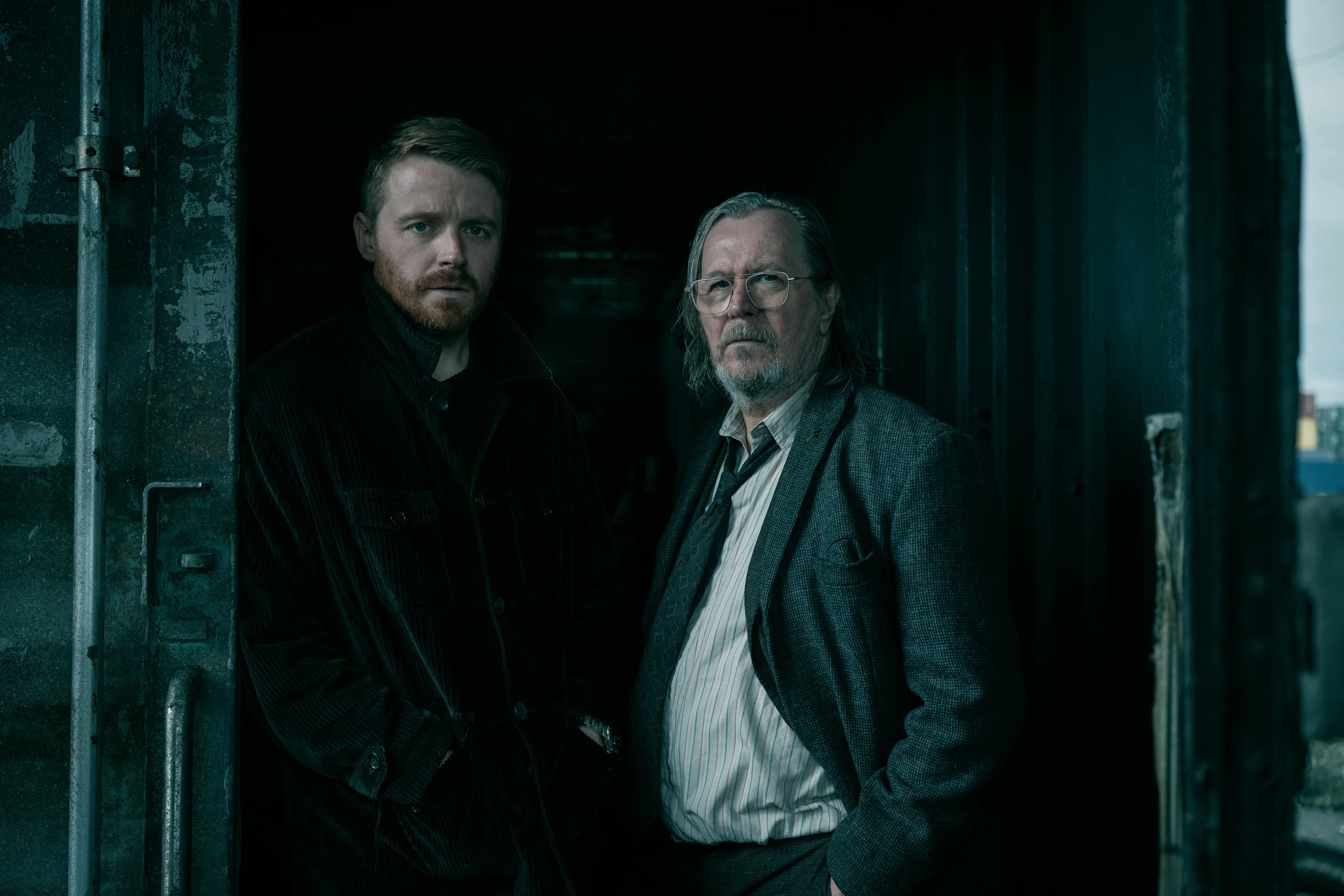
The agents at Slough House have not been paid. That would be an ordinary workplace problem if their employer were not MI5, Britain's domestic security service. Their names have disappeared from its records, and former colleagues are dying in suspicious circumstances. Jackson Lamb has to find out who is targeting his people before more of them are killed. Slow Horses season 6 makes the team's neglected status a practical danger, not just a reason for their boss to complain.
If you are new to the series, Slough House is a shabby London office where agents are sent after serious professional mistakes. They still work for MI5, but they are kept away from the important assignments. Gary Oldman's Lamb runs the department. He is rude and unpleasant, yet much better at protecting his staff than his appearance suggests. Jack Lowden plays River Cartwright, a younger agent whose desire to prove himself often produces another bad decision.
This six-episode season puts that difficult group under sustained pressure. The investigation is fast and the returning cast gives us plenty of reasons to care about the people being hunted. Our main reservation is familiarity: another threat to Slough House brings another conflict with its own employer. The actors make that arrangement entertaining, but viewers who have tired of the repeated setup will not find a completely different show here. This review covers the season without revealing its resolution or naming its casualties.
The team cannot assume MI5 will protect them
Lamb's first problem is working out whether the deaths are connected. Once he recognizes a pattern, the task becomes much larger than solving one suspicious incident. People who no longer work with him also need to be found and warned. That gives the returning characters a reason to reappear: their old connection to this office puts them at risk, whether or not they want anything more to do with it.
The missing personnel records add a disturbing complication. These agents normally rely on an organization with money, information and authority. Now even their place within it is uncertain. The administrative problem makes asking for help more complicated. It also gives the investigation two separate questions to answer: who is carrying out the attacks, and why has the organization that should help them removed their names?
Kristin Scott Thomas's Diana Taverner now holds MI5's top job. Earlier seasons established how determined she was to reach it. Here, being in charge means dealing with political pressure while trying to control what other people know. Scott Thomas is especially enjoyable when Taverner treats an alarming situation as something to be managed before anyone can blame her. She rarely needs to raise her voice to make an exchange uncomfortable.

Taverner's conversations with Lamb remain a major pleasure. He does not respect the authority she expects others to acknowledge, and she has little patience for his methods. Their exchanges matter because they are arguing about people whose lives depend on the decisions being made. The insults are entertaining, but the disagreement would still hold our attention without them. Each character has information the other needs and reasons not to share it freely.
The immediate threat comes from two assassins played by Kyle Soller and MyAnna Buring. They approach the job calmly, which is more unsettling than a villain who announces every intention. We understand why Lamb needs to act quickly. Their pursuit also keeps the season moving: even when one part of the investigation produces an answer, the people on the list still need somewhere safe to go.
Gaby Chiappe takes over as lead writer, with Adam Randall directing the season. The adaptation combines material from Mick Herron's Joe Country and Slough House novels. You do not need to read the books to understand the danger. The missing records and targeted agents establish it directly. The harder task for a newcomer is remembering the relationships from earlier seasons, rather than understanding the new investigation.
River and Sid give the pursuit a personal reason to matter
River wants to be taken seriously as an agent, but he often acts before thinking through what could happen next. That can be funny until his confidence puts someone in danger. Lowden makes the frustration believable: River has genuine skills, yet those skills do not stop him from reacting emotionally. Season 6 gives him more personal strain without replacing that recognizable behavior with a suddenly faultless action hero.
An early family occasion shows how easily River's private life can become another source of pressure. He is already struggling emotionally, and the people around him cannot be relied on to behave kindly. Lowden's performance gives those moments a sadness that is different from watching a spy lose an argument. River is more compelling when being good at the job cannot solve his immediate problem. His eagerness to act then feels understandable, even when the action is unwise.
Olivia Cooke returns as Sid Baker, an agent introduced in the first season who has been absent for years. Her return is part of the season's promotion; the explanation for her absence is something we will leave to the episodes. She and River already have a history, so their reunion is not a meeting between strangers. It also is not a simple return to the way things used to be.
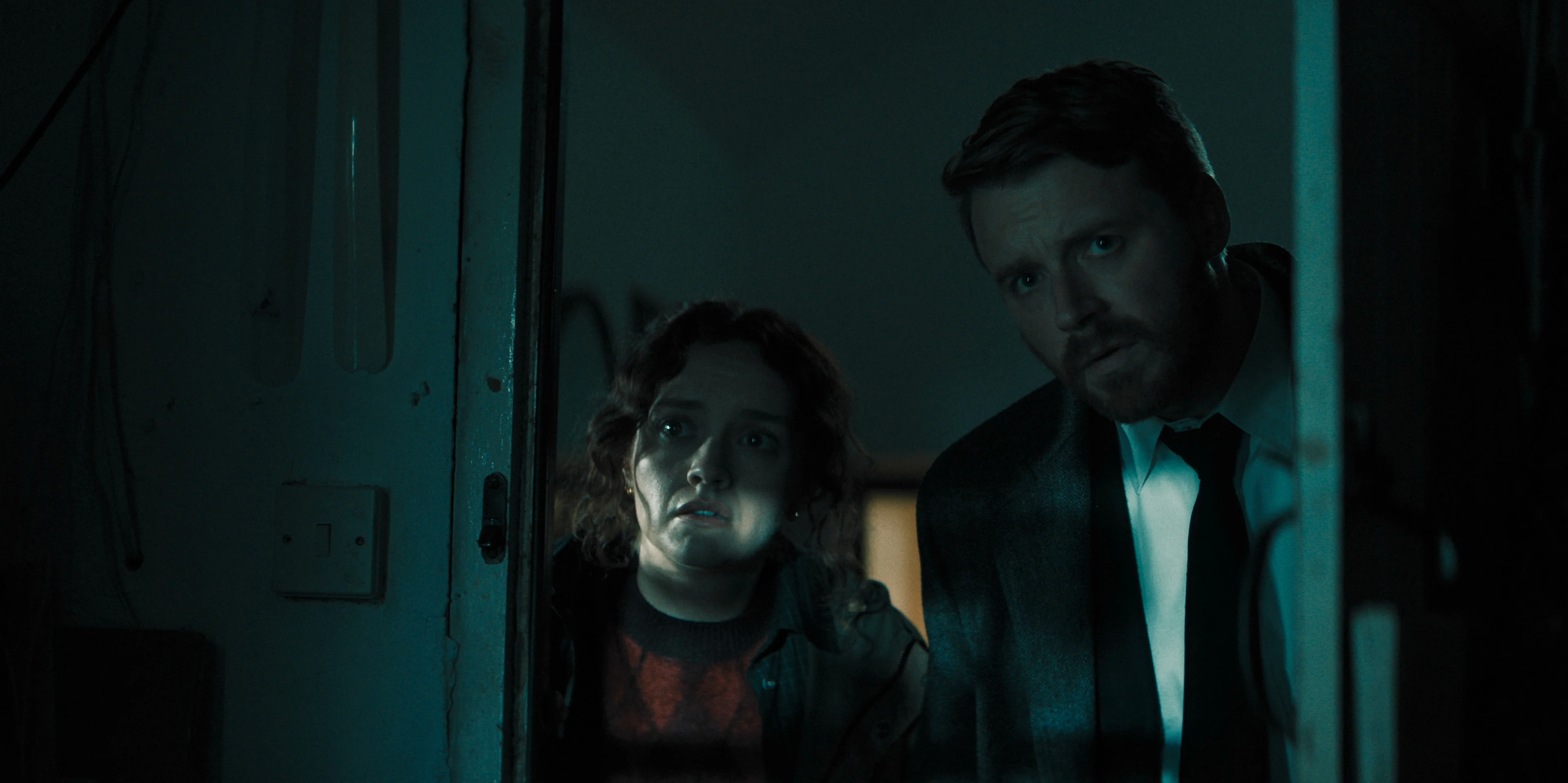
Cooke and Lowden make the reunion worth the wait. Their characters can argue while still paying attention to each other's safety. The attraction is not just seeing a familiar actor again. Sid gives River someone who can respond to his confidence without accepting his version of every situation. Cooke's dry delivery is particularly welcome in a season where urgency could otherwise make every conversation sound equally strained.
Hugo Weaving also returns as Frank Harkness, whose connection to River was established earlier in the series. Frank brings a different kind of discomfort from Lamb. River can resent his boss and still have good reason to trust his judgment in a crisis. Frank makes trust itself more difficult. Weaving's controlled manner helps those encounters feel threatening before anyone starts fighting.
The supporting agents do more than wait for River to finish his part of the story. Coe, played by Tom Brooke, has a very different way of responding to danger, and pairing him with River produces a useful contrast. Ruth Bradley's Emma Flyte also spends time working with the group. Changing who works together prevents every problem from producing the same exchange. A colleague who challenges River is more interesting than one who merely listens to his plan.
The season is less convincing as a fresh start for people who have not followed the series. A returning face means more when you remember the earlier relationship, and a strained conversation can depend on something that happened years before. We would start with season 1. The basic chase is understandable on its own, but understanding the characters' trust and resentment is a large part of the enjoyment.
Six episodes keep the danger moving, but the pattern is familiar
The compact season benefits from having a concrete task: find the people at risk while identifying whoever is responsible. There is little need for a separate case each week. The six-episode length suits a story about an active pursuit, because the investigation cannot pause for long without making the attackers seem less threatening. New information changes what the agents can do next rather than simply adding background to a problem they will address later.
The humor also comes from people who remain difficult even when cooperation would help. Lenny Rush plays Reece Nesmith, a young civilian caught up in events. His scenes with Lamb and Roddy Ho are a welcome change from arguments between career spies. Rush does not play every exchange as though the adults automatically know better. Roddy's self-importance is particularly vulnerable around someone who does not grant him the respect he expects.

Reece adds comedy without requiring another long introduction to MI5. He brings a different response to the same unpleasant adults we already know. That helps the season avoid depending entirely on Lamb for laughs. Christopher Chung's Roddy remains capable of saying something thoughtless at the wrong moment, and putting him beside a younger character makes his immaturity harder to excuse.
Saskia Reeves supplies a quieter contrast as Catherine Standish. She does not need to compete with Lamb's insults to hold a scene. When a conversation becomes hurtful, her response makes the harm noticeable instead of letting the exchange end as just another joke. The comedy works best when the characters still have to live with what they say. A sharp line is less interesting if everyone immediately forgets it.
There is a limit to how much novelty a new combination of familiar characters can provide. MI5's internal hostility and River's risky impulses are established habits by now. We enjoy the performances without finding every development surprising. The season's strongest reason to return is the cast, not a reinvention of the premise. If the previous seasons' repeated professional disasters frustrated you, another efficient six episodes may not change your mind.
Slow Horses season 6 images
3 screenshotsThe violence needs a separate warning. This is an adult thriller, and the assassins' work is brutal even when a nearby scene is funny. The insults do not turn the danger into harmless comedy. Viewers looking for a gentle workplace series should not mistake the bickering for an indication that the deaths will be mild or that every regular character is safe.
Season 6 began on Apple TV on September 16, 2026. Episodes arrive weekly through October 21, so the complete season is not yet available to watch at once. The first five seasons are already available. For someone deciding whether to catch up, the short seasons make that commitment more manageable than six years of long network-TV seasons, but we would still watch in order rather than skip directly to the new episodes.
Pixel Twelve score: 8.4/10 — Great. Slow Horses season 6 gives its neglected agents an immediate survival problem and keeps the investigation moving. Lowden and Cooke make River and Sid's reunion engaging, while Oldman and Scott Thomas remain excellent opponents in conversation. The familiar setup limits the surprise, and newcomers should begin earlier. For returning viewers, the performances and compact storytelling are strong reasons to continue.
Loading results