
Frances Neagley investigates other people's problems for a living. When an old friend dies in suspicious circumstances, she cannot treat his death as just another assignment. She starts asking questions in Chicago and finds people who would rather threaten her than answer. Maria Sten plays her as someone capable of handling those threats, but much less comfortable dealing with the grief behind the investigation. That difference makes her worth following for a full season.
If you have never watched Reacher, the connection is straightforward. Jack Reacher and Neagley served together as military investigators. He is the enormous former soldier who travels around solving crimes; she now works for a private investigation agency in Chicago. Alan Ritchson returns as Jack, but only as a guest. You do not need four seasons of Reacher to understand this case. Neagley's friend and the people involved in his death are introduced here.
Across eight episodes, the series combines a murder investigation with fights, gunfire and a closer look at Neagley's family. The result is entertaining without being consistently surprising. Sten is convincing both when she takes charge and when a conversation becomes painful. The criminals she pursues are less interesting, and some side stories delay the next useful discovery. For us, the people working with Neagley make those slower stretches easier to forgive, though not every detour earns its length.
The investigation is personal, but the action is still exaggerated
The dead friend is Tommy Crane, someone Neagley knew long before this case. His connection to Echo Canyon, a rural community led by Lawrence Cole, gives her somewhere to investigate. The community claims to help troubled people. That promise is important: Neagley is looking into an organization that attracts people who need support, not a criminal gang that announces what it does. The contrast between the help being promised and the danger around Tommy gives the mystery an unsettling start.
There is more questioning and research than the promotional shots of Neagley carrying weapons might suggest. Her job is to establish how people and organizations connect. The investigation eventually involves Pierce Woodrow, who runs a pharmaceutical company. You can follow the basic problem without knowing police terminology: Neagley needs to work out why her friend died and who benefits from keeping her quiet. The gradual move from one death to a larger operation provides a good reason to continue.
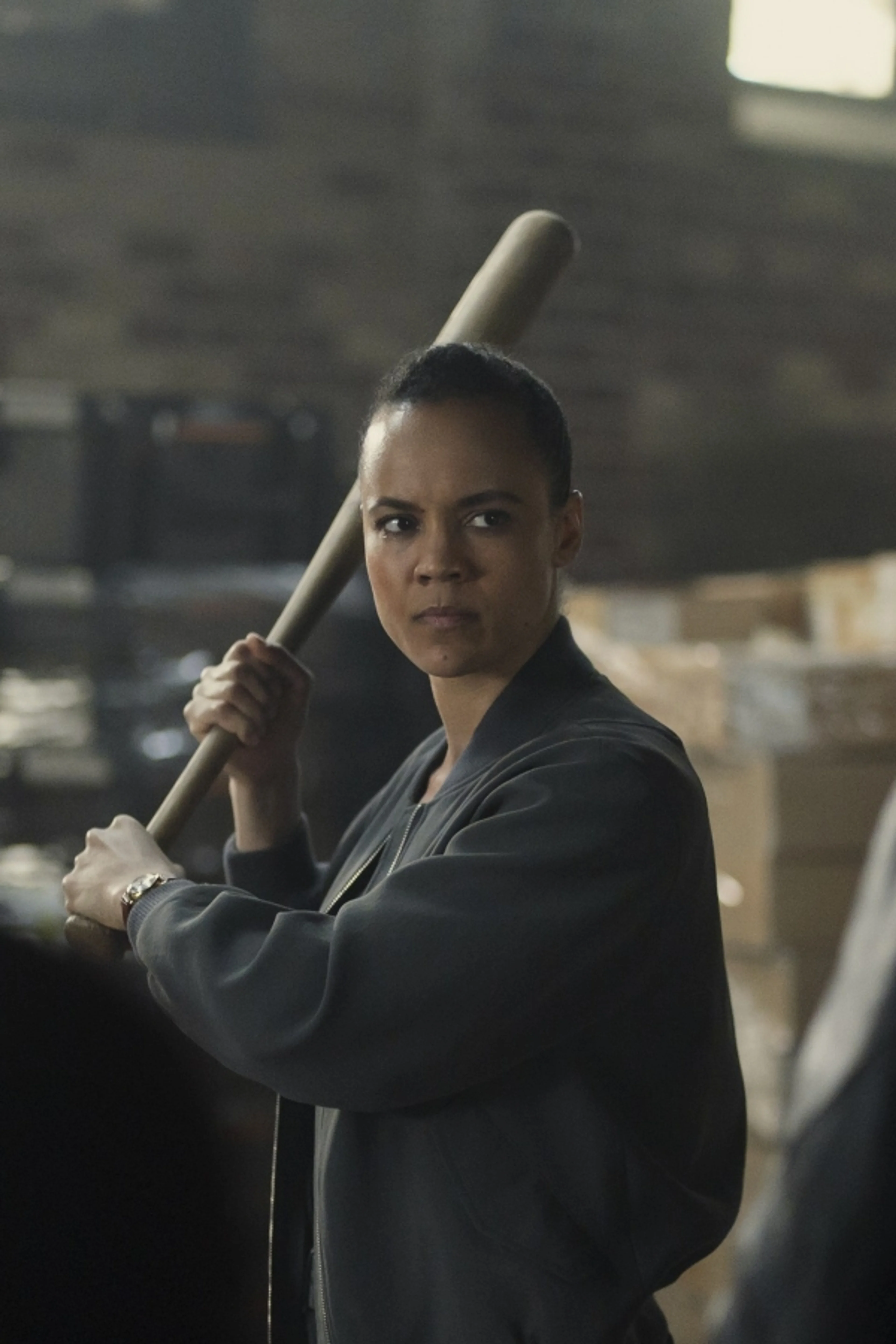
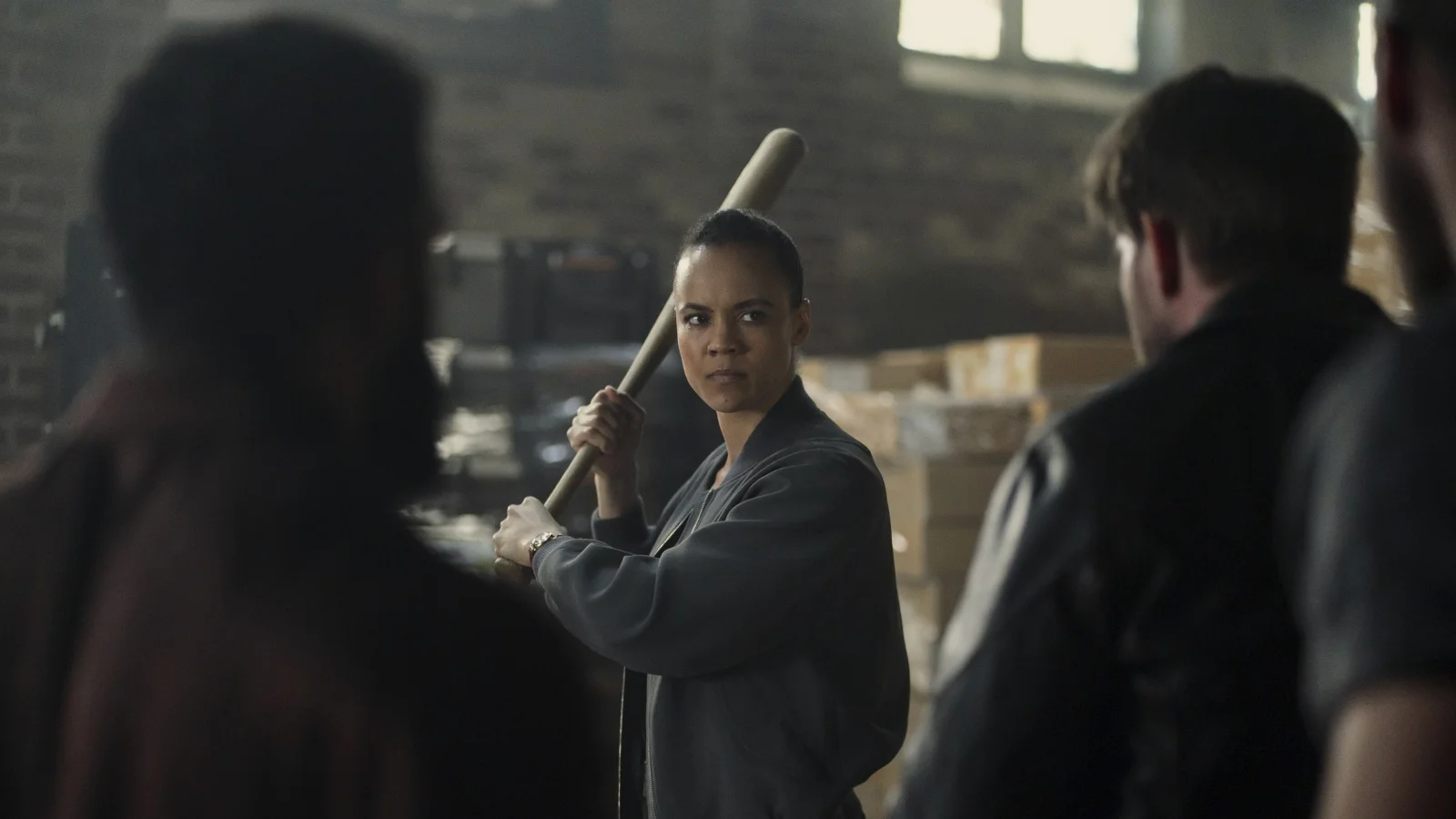
When someone does try to stop her physically, Sten makes Neagley's military background easy to believe. She handles weapons with confidence and looks prepared to fight, rather than surprised that an investigation has become dangerous. A warehouse confrontation involving a baseball bat gives the action an immediate, understandable setup. There are people directly in her way, and she has something she can use against them. The close-range confrontations are more engaging than the idea of another unbeatable action hero.
The problem is that the larger shootouts still make the heroes extremely difficult to hurt. Armed opponents can have a major advantage without making success feel particularly uncertain. You do not need realistic police work to enjoy a series like this, but the difference between Neagley's training and everyone else's luck becomes noticeable. Her civilian helpers sometimes survive situations that are harder to accept than her own escapes. The excitement comes more from watching the confrontation unfold than worrying about the outcome.
Lawrence Cole and Pierce Woodrow also make the moral choices unusually simple. Damon Herriman plays the cult leader, while Matthew Del Negro plays the businessman. Their cruelty gives Neagley strong reasons to pursue them, but being unpleasant is not the same as being unpredictable. Once their roles become apparent, the villains do less to challenge our expectations than their threatening introductions suggest. The investigation holds attention; the people responsible do not always justify how much time the season spends on them.
Expect a harsher tone than the occasional joke or familiar Reacher appearance might imply. The series includes strong violence and disturbing material involving abuse and suicide. It is not a light detective adventure just because the lead often wins her fights. That distinction matters when choosing what to watch: the action can be exaggerated entertainment while the personal material is genuinely uncomfortable. Viewers looking mainly for Reacher's humor may find the change less enjoyable than viewers interested in Neagley herself.
Maria Sten is strongest when Neagley cannot solve a problem by fighting
Neagley experiences intense fear around being touched. The term is haphephobia, but the effect is easier to understand than the name: ordinary physical contact can be frightening to her. The series treats that fear as part of her everyday life, not evidence that she is incapable of caring about someone. A woman who can confront an armed threat may still struggle with closeness. Sten makes those two parts of the same person believable without turning every scene into an explanation.
Her father Calvin, played by Tyrone Benskin, is seriously ill. Their conversations bring up questions about her childhood that she cannot settle through professional skill. He does not simply provide every answer she wants, and her frustration is different from the anger she directs at a suspect. The father-daughter scenes give Sten a more difficult conflict than the gunfights. She has reasons to want answers and reasons to fear what a conversation might do to their relationship.
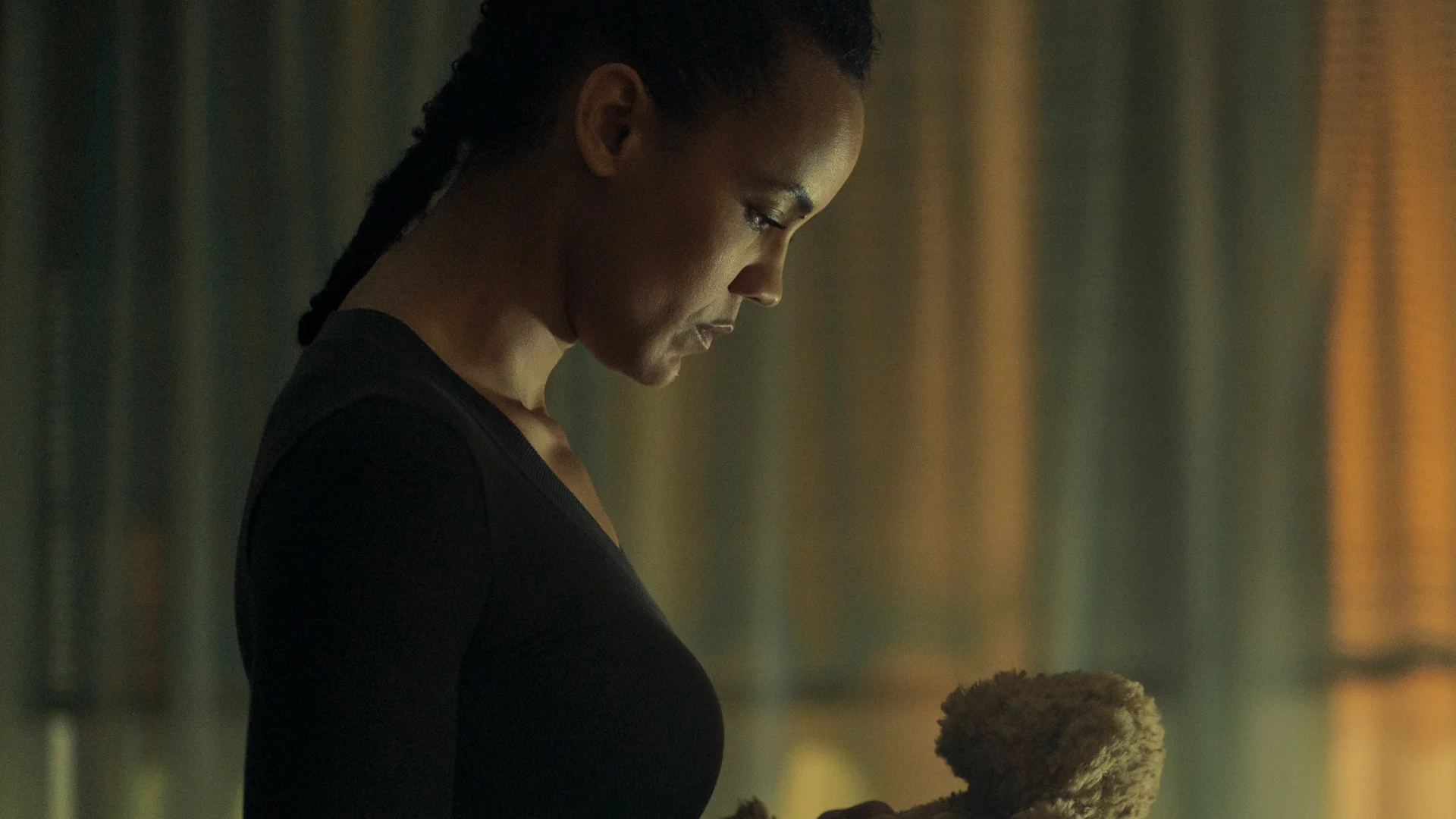
That material is also where the writing needs the most care. Explaining someone's past can help a viewer understand their behavior, but it should not reduce the person to one answer. The season sometimes organizes Neagley's personal questions much like its criminal investigation. We prefer the scenes that let her struggle with a conversation to the pressure to account for every part of her personality. Her boundaries are meaningful even before the story explains where they came from.
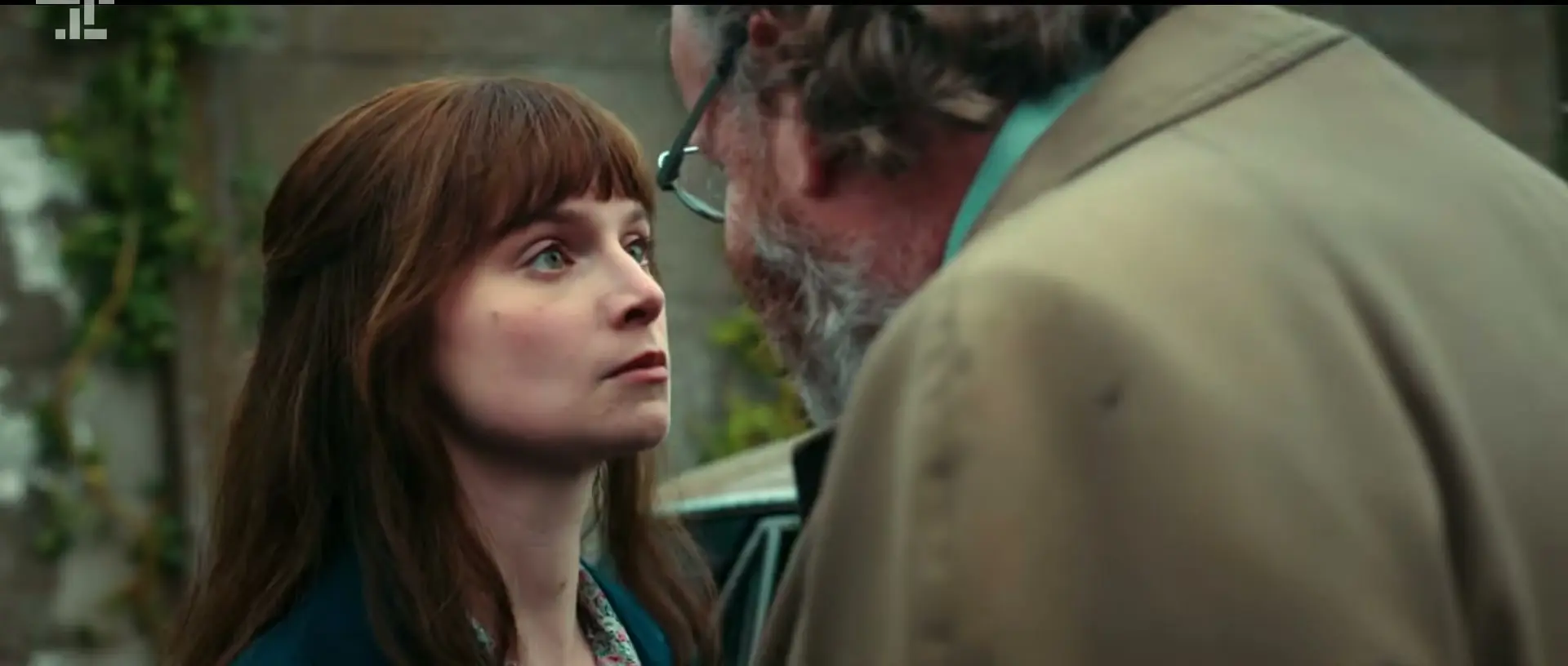
Hudson Riley is a Chicago detective who becomes involved in her investigation. Greyston Holt gives her someone to work alongside rather than another person she must repeatedly rescue. His own family background complicates his position as a police officer. Their growing trust provides a welcome change from scenes dominated by threats. Riley and Neagley's relationship works because cooperation comes before intimacy. The season gives them room to become more comfortable with each other instead of assuming that attraction makes her difficulties disappear.
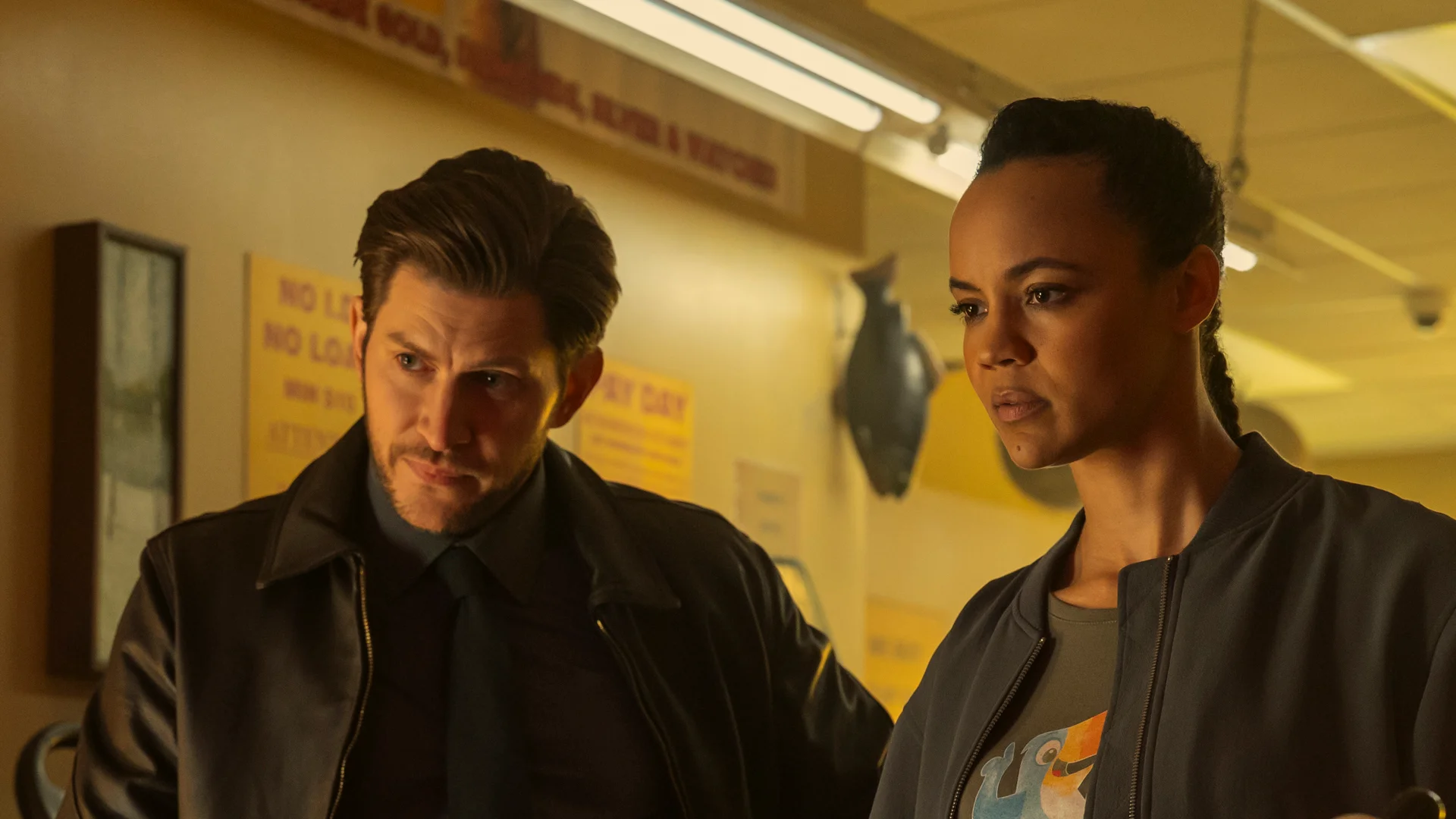
The other two main helpers have different reasons to get involved. Renee Birdwhistle works at Neagley's agency and wants to become an investigator. Keno is a young man living without a stable home who helps gather information. Adeline Rudolph and Jasper Jones make them easy to distinguish, which matters when the case starts moving among several locations. Renee wants a chance to prove herself; Keno has experience outside the professional world Neagley normally works in.
They are also a reason to care about the investigation beyond its solution. Neagley is no longer someone who appears only when Jack needs help. She has colleagues and people depending on her decisions. The team gives a potential second season people worth returning to, rather than requiring another Reacher visit to make it interesting. Not everyone is equally developed, but the different levels of experience prevent their conversations from becoming four experts repeating the same conclusion.
A good first season that could have used a tighter case
All eight episodes are available on Prime Video, so there is no weekly wait between clues. That helps when the investigation is moving, but it also exposes the stretches that could be shorter. The season divides its attention among the main case, the criminals and the investigators' personal lives. Neagley's family material usually justifies that time. Some of the other diversions interrupt the more interesting question of what she will discover next.
The difference is not simply between talking and action. A difficult exchange with Calvin can be more absorbing than another shootout because Neagley cannot predict his response or control what he tells her. Conversely, spending longer with a familiar sort of villain does not necessarily reveal anything useful. The season needs fewer delays around the case, not fewer quiet scenes with Neagley. Cutting those personal conversations would remove much of the reason to watch this show instead of another action thriller.
Reacher's guest appearance is enjoyable, particularly because Sten and Ritchson already seem comfortable together. But wanting him around more is a different thing from needing him to solve the show. Neagley has enough responsibility here to establish herself as the lead. Fans hoping for an equal partnership throughout the season should adjust that expectation. This is her investigation, and the time spent with Riley, Renee and Keno is more important to its future than extending Jack's visit.
Neagley Season 1 cast and images
3 screenshotsOur recommendation is strongest for viewers who enjoy capable investigators, a continuing mystery and frequent action. It is weaker for anyone expecting a realistic police drama or a crime story built around surprising suspects. Newcomers can start here, while existing fans get more of Neagley's life than her supporting appearances allowed. The violence and difficult subject matter remain worth considering even if the familiar cast initially makes the series look like an easy evening watch.
Pixel Twelve score: 7.4/10 — Good. Maria Sten makes Neagley convincing as an investigator and engaging as someone dealing with painful personal questions. Her relationships with Calvin and the new team give the season enough substance to recommend. Predictable villains and an unevenly paced case keep it below the strongest crime thrillers, but they do not outweigh the pleasure of seeing her lead. We would watch another case with these characters; we would want it to spend less time delaying their progress.
Loading results