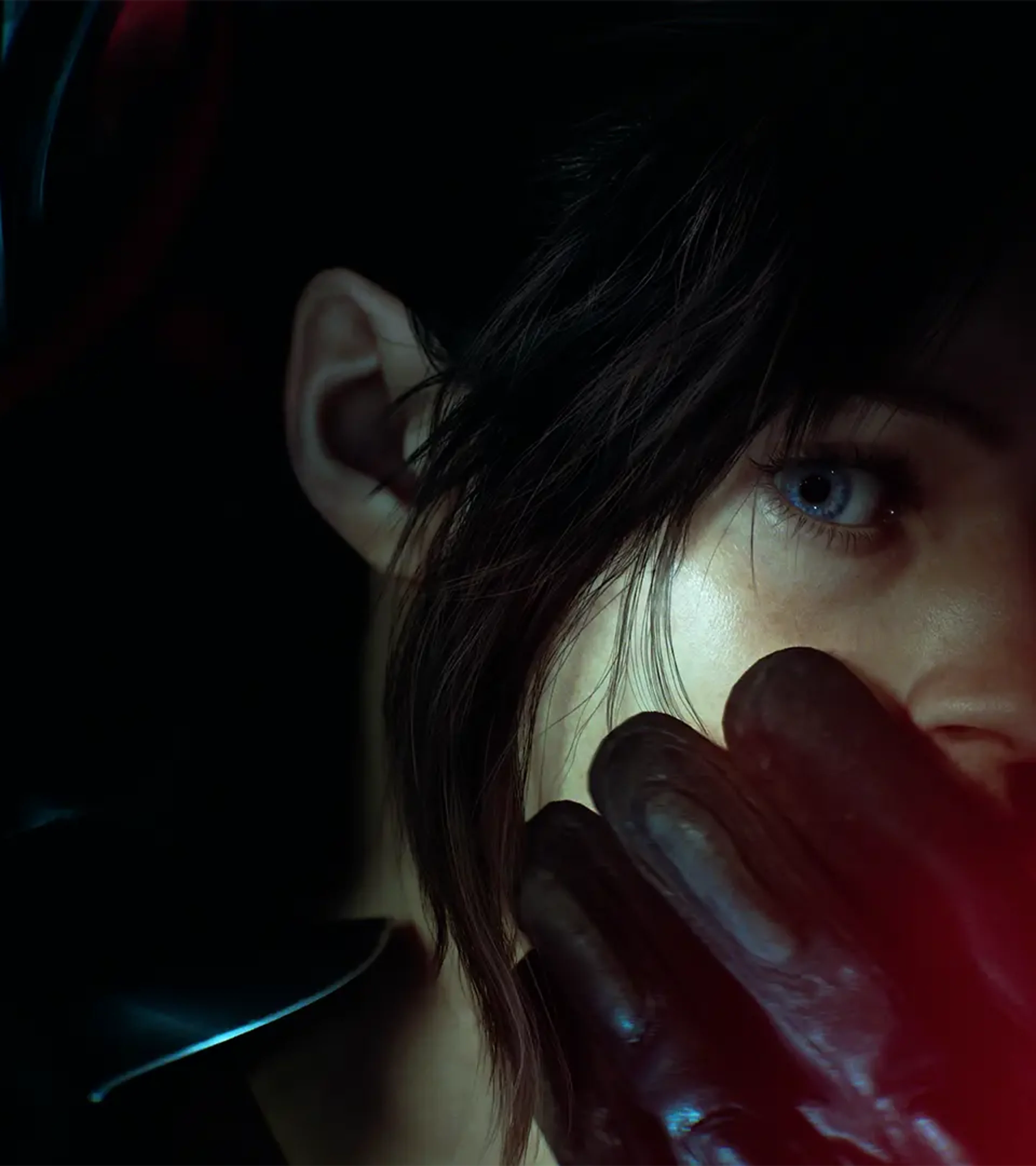
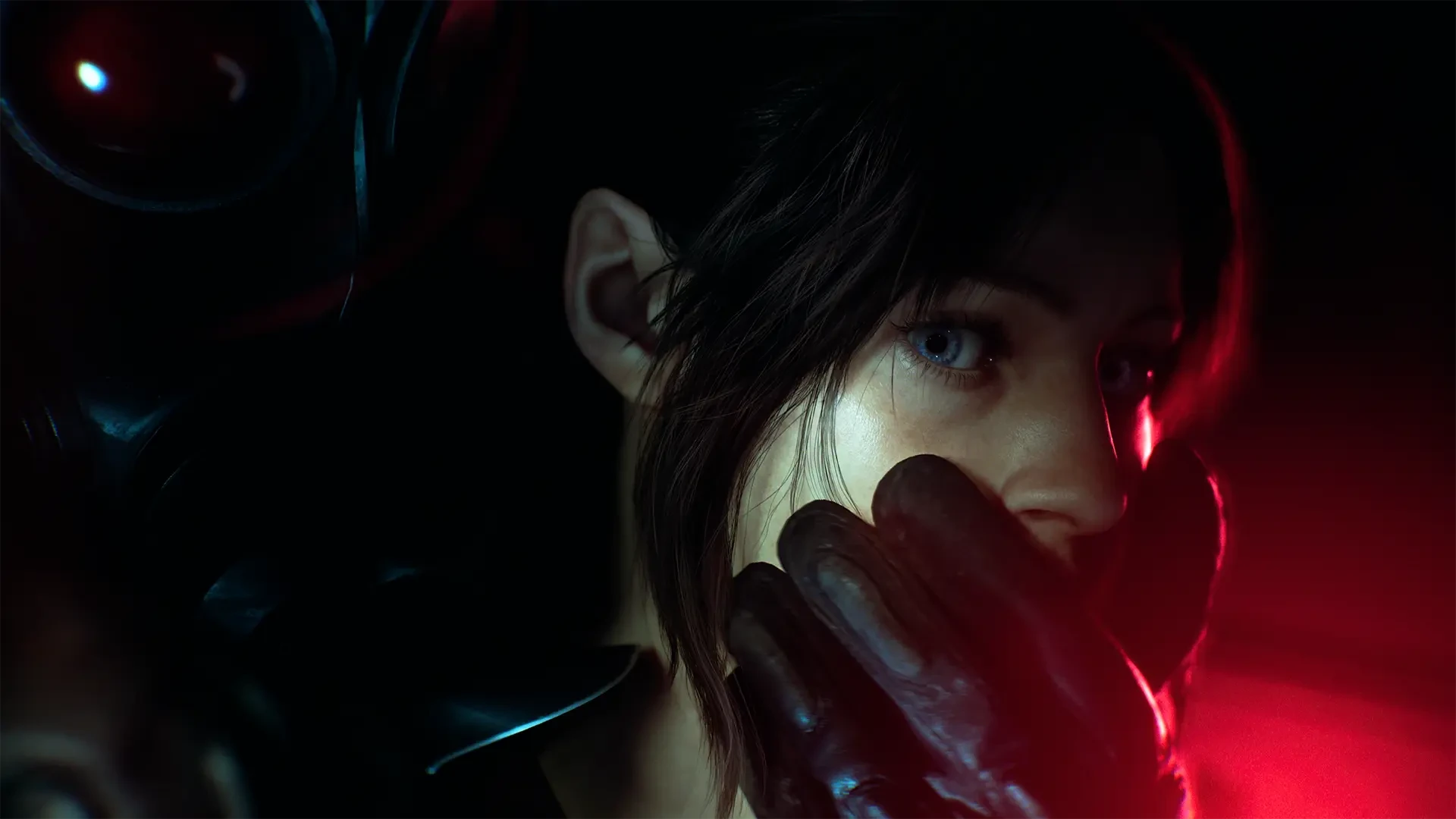
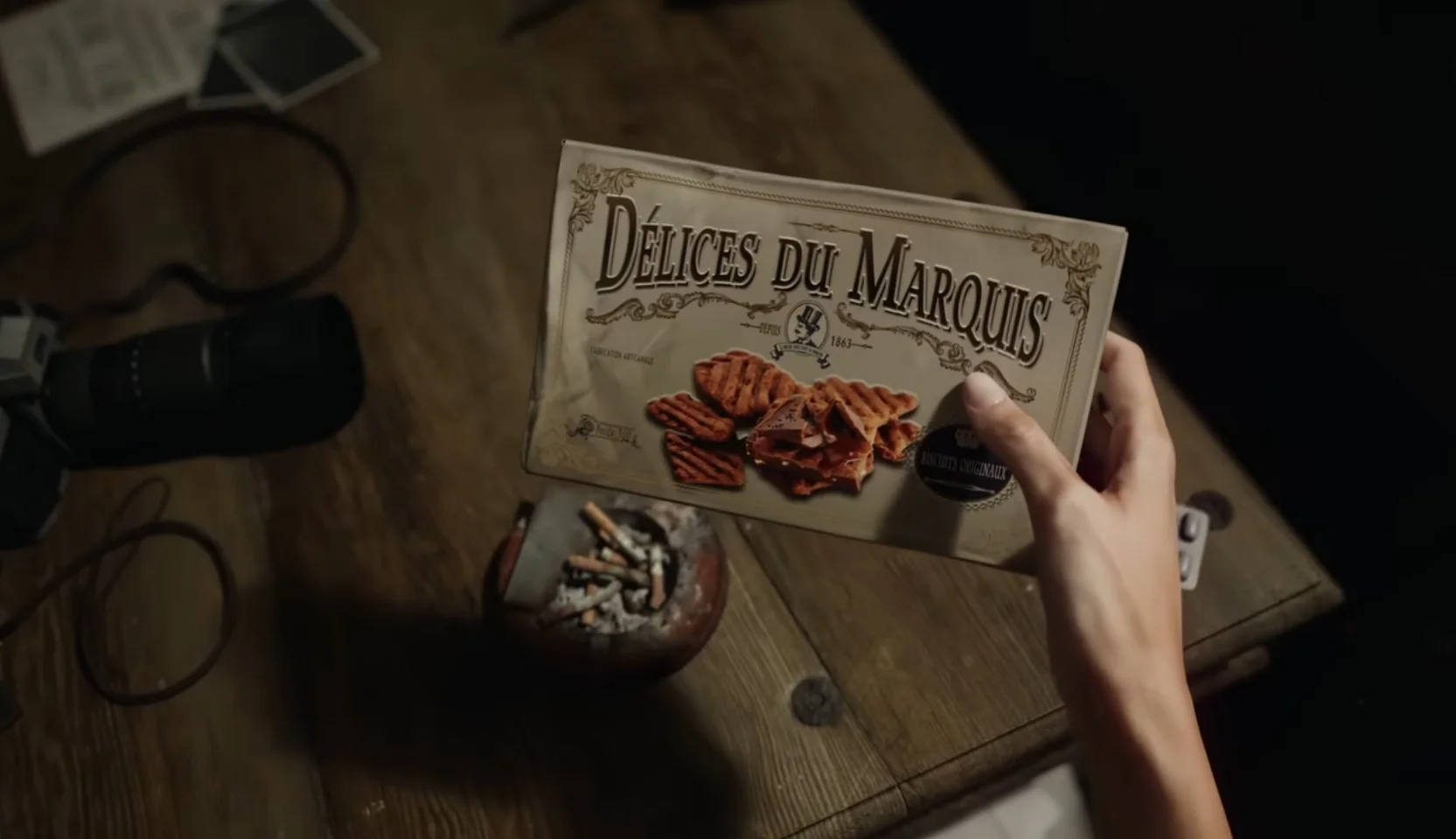
For a few seconds, Resident Evil Veronica looked like a first-person game. The reveal trailer opens through someone’s eyes: hands move across a table, a camera sits nearby, and the frame feels trapped inside the scene. Fans noticed immediately.
Then Capcom clarified the remake is third-person. No dramatic reversal. No camera system changed because people complained. The trailer had simply used one perspective to create tension while the game itself was being built around another.
The confusion ended up helping the reveal. Capcom’s official Resident Evil Veronica page establishes the remake, while PlayStation’s post-show coverage reports that producer Yoshiaki Hirabayashi confirmed third-person gameplay. A tiny piece of presentation became a useful test of what players expect from a modern Resident Evil remake.
Why the trailer looked like a first-person game
The opening is staged to make the viewer feel present rather than merely observant. You see hands, objects on a table, and a restricted slice of the room. It borrows the visual language players associate with Resident Evil 7 and parts of Resident Evil Requiem, where the camera can make danger feel uncomfortably close.
That first-person framing was trailer language, not a gameplay promise. The fake-out worked because the series has taught fans to read the camera as evidence. Once the image appeared, people were not only asking who they were seeing. They were asking how they would be allowed to see the entire game.
Capcom confirmed the remake is third-person
In PlayStation’s Summer Game Fest hands-on roundup, Hirabayashi confirmed Resident Evil Veronica will use a third-person perspective. The same presentation identified the project as a 2027 remake developed by the team behind the Resident Evil 2 and Resident Evil 4 remakes.
That gives players a much firmer idea of the experience. Claire and Chris Redfield will remain visible in the frame. Positioning, enemy spacing, narrow corridors, and the character’s physical reaction to danger can all be built around the over-the-shoulder style that now defines Capcom’s remake line.
For release timing, platforms, story information, and the remaining unknowns, use our Resident Evil Veronica remake hub.
A camera is a survival-horror promise
Perspective changes more than what fits on the screen. First-person horror creates intimacy. The monster is in your space, and looking away means physically turning from it. Third-person horror gives the player more information, but it also makes the character’s vulnerability visible.
With Claire on screen, a hallway can feel like a space she has to cross rather than a tunnel the player is floating through. Her stance, breathing, injuries, and hesitation can carry part of the fear. The player gains awareness around her body, while the environment gains another object to squeeze.
Neither style is automatically scarier. The better question is whether the level design understands the chosen view. A good survival-horror camera controls information without feeling like it is fighting the player.
Advertisement

Third-person fits Claire and Chris
Resident Evil Veronica is not only about escaping a bad place. It reconnects Claire with Chris and brings Albert Wesker back into their story. PlayStation’s official coverage says Capcom considers Veronica as important to the series as the numbered entries because those characters carry so much of the larger lore.
Keeping Claire and Chris visible supports that character focus. Their faces and body language can stay inside the action instead of being saved for cutscenes. The remake can still use first-person shots for specific moments, but the main camera gives the Redfields a constant presence.

The remake team has a difficult balance
Capcom says the remake will preserve the essence of the 2000 game while modernizing gameplay, reworking the story, and updating the visuals. That sounds straightforward until every fan supplies a different definition of “essence.”
Some want the strange theatrical villains, long journeys, and dramatic turns preserved almost scene for scene. Others want tighter pacing and stronger continuity with the remade Resident Evil 2 and the rest of the series. The confirmed third-person camera is one answer, but it does not settle the larger argument.
Our earlier feature on the pressure facing the Resident Evil Veronica remake looks at why Capcom’s successful remake streak makes this project exciting and unusually exposed.
Why dropping “Code” also got attention
The remake is called Resident Evil Veronica rather than Resident Evil: Code Veronica. It is a cleaner title, but the missing word has the same effect as the camera fake-out: longtime players immediately start asking what else may be changing.
A shorter name makes the game easier to place beside modern Resident Evil releases, especially for people who never played the Dreamcast original. It also removes some of the pulpy personality fans attach to “Code Veronica.” The title does not prove the story is being simplified, but it signals that Capcom wants this version to stand as a current mainline Resident Evil game, not a preserved side chapter.
What the next gameplay footage needs to show
The next trailer does not need another perspective trick. It needs to show how the third-person camera behaves when the player is under pressure. How close does it sit behind Claire? How much space can players read? Does Rockfort Island feel cramped, exposed, or both?
Combat is only part of that test. Fans also need to see exploration, inventory pressure, puzzles, and a quiet room where nothing attacks for thirty seconds. Resident Evil lives on the pause before the noise as much as the noise itself.
The first-person opening created a good conversation, but the confirmed third-person design now has to carry the game. Players looking for the broader series context can also visit the Resident Evil Veronica game page. The camera question is settled. Whether Capcom makes every angle count is the part worth watching next.