Netflix paid approximately $587 million in cash for the March acquisition that trade outlets have identified as InterPositive, the filmmaking technology company founded by Ben Affleck. The price appeared in Netflix's latest Form 10-Q filing months after the streamer announced the deal without revealing its financial terms.
The filing does not name InterPositive. It says Netflix completed an acquisition in March for about $587 million, and Variety and TheWrap connected that disclosure to the InterPositive purchase announced during the same month. That distinction is important because the official document confirms the amount while the reporting identifies the company behind it.
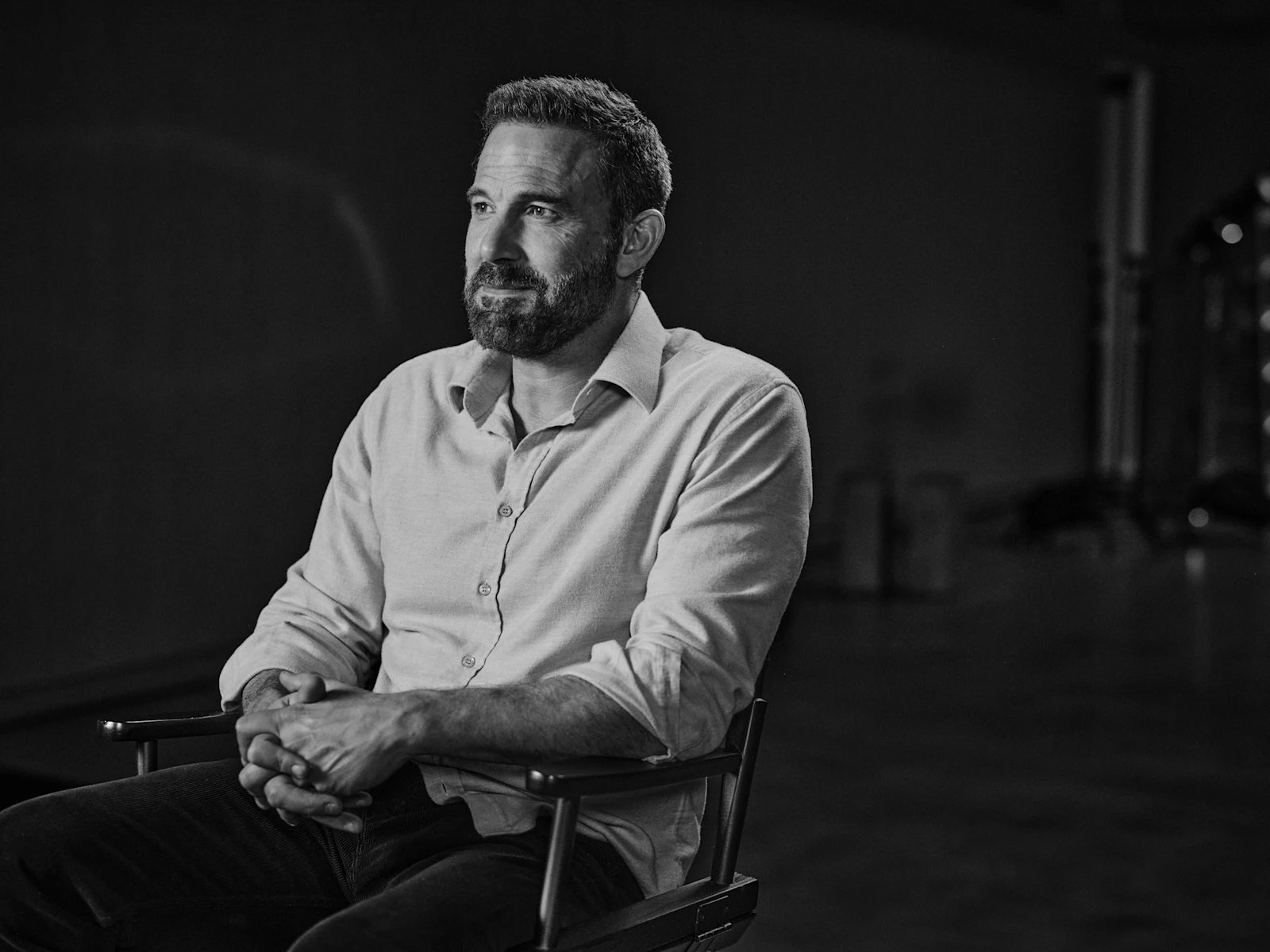
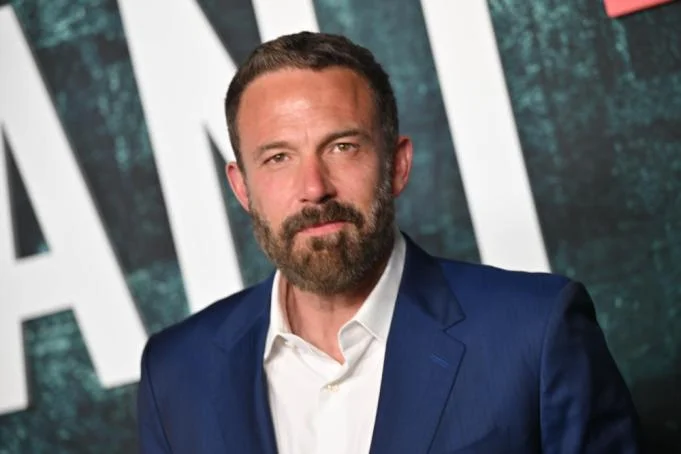
InterPositive is not a movie studio in the usual sense. Affleck founded the company in 2022 after watching early AI tools struggle with the practical details of a film set. Netflix brought its 16-person team of engineers, researchers, and creatives into the company, while Affleck became a senior adviser.
What InterPositive Actually Does
The headline can make the deal sound like Netflix bought a machine that generates movies from a prompt. Its stated purpose is narrower. InterPositive builds models for production and post-production work, using material created for a specific project instead of pulling performances and images from a giant open dataset.
Netflix's announcement says the company trained smaller models to understand visual logic and editorial consistency. The tools are meant to help when a production needs to replace a missing shot, correct lighting, reframe existing footage, improve a background, or add effects without losing the look of the surrounding scene. TheWrap described the system as working from a project's own dailies, the footage recorded during production.
For a normal viewer, the easiest example is continuity. A scene may be filmed over several days with changing light, weather, extras, and camera positions. Fixing a distracting mismatch can require a reshoot or a large effects job. InterPositive is being built to give filmmakers another way to repair that problem while keeping the director's original footage and choices at the center.
Advertisement

Why Netflix Was Willing to Spend So Much
A 16-person company carrying a $587 million price tag will invite questions. Netflix is buying more than the current team. It is taking control of the models, the production data, and a workflow it can connect to the systems used across its films and series. The company can also test those tools at a scale that a small independent startup could never reach on its own.
Netflix is already far past the trial stage with generative AI. During its second-quarter earnings discussion, the company said roughly 300 titles had used some form of the technology in 2026, with much of the work happening in post-production. InterPositive gives Netflix a filmmaker-led system it can point to while that number keeps growing.
The financial argument is easy to see. A tool that shortens difficult effects work can save time, rescue shots that would otherwise be dropped, and let a smaller production attempt images it could not afford before. Netflix has already described one 2026 project completing certain AI-assisted sequences twice as fast and at half the cost of earlier options. Multiply that possibility across hundreds of productions and the purchase starts to look like infrastructure, not a side experiment.
Creators Will Judge the Guardrails
Netflix and Affleck have repeatedly said the tools are designed to support artists rather than replace them. Affleck's explanation focuses on filmmaking techniques instead of performances, while Netflix says writers, directors, actors, and crews should remain in control of how a project is made. Those promises address the first question most people have when AI enters a production conversation: whose work disappears?
A press release cannot answer that on its own. Directors and crews will pay attention to which jobs the tools assist, which jobs they reduce, what material trains each model, and who approves the final image. A system trained only on a production's authorized footage is easier to defend than one built from work gathered without permission, but the way Netflix uses it will matter more than the description.
The size of the deal turns that scrutiny up. Netflix did not spend $587 million to keep InterPositive in a quiet corner of the company. It expects the technology to become part of how shows and movies are finished. Viewers may never notice a corrected background or a relit shot, but creators will notice whether the new workflow gives them more control or simply asks fewer people to do more work.
The next proof will appear in finished productions and their credits, not in the acquisition announcement. If the tools help filmmakers preserve shots, solve continuity problems, and stretch limited budgets without hollowing out crews, Netflix will have a strong case for the price. If efficiency becomes another word for replacing people, this deal will become one of the clearest symbols of Hollywood's AI fight.