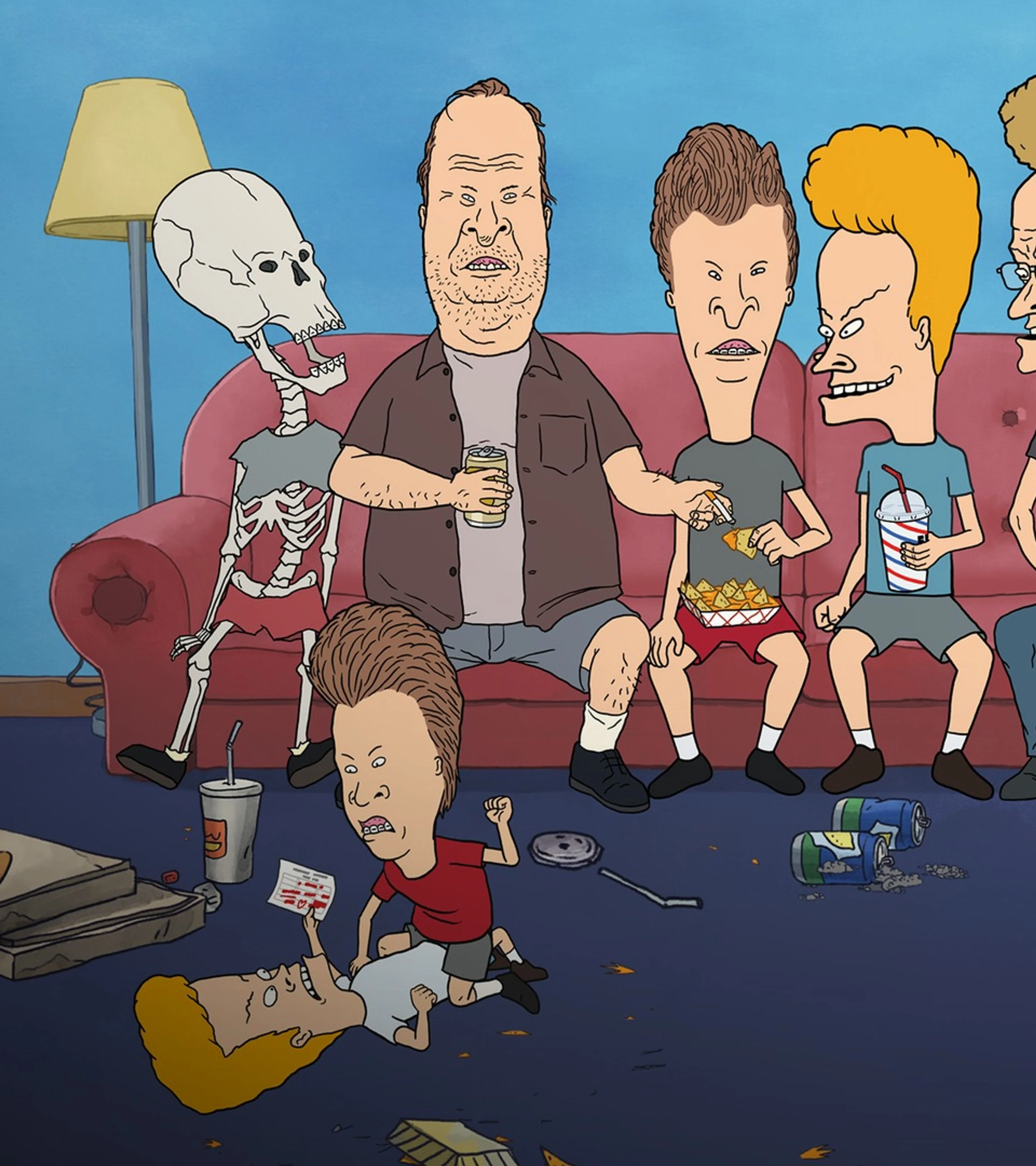
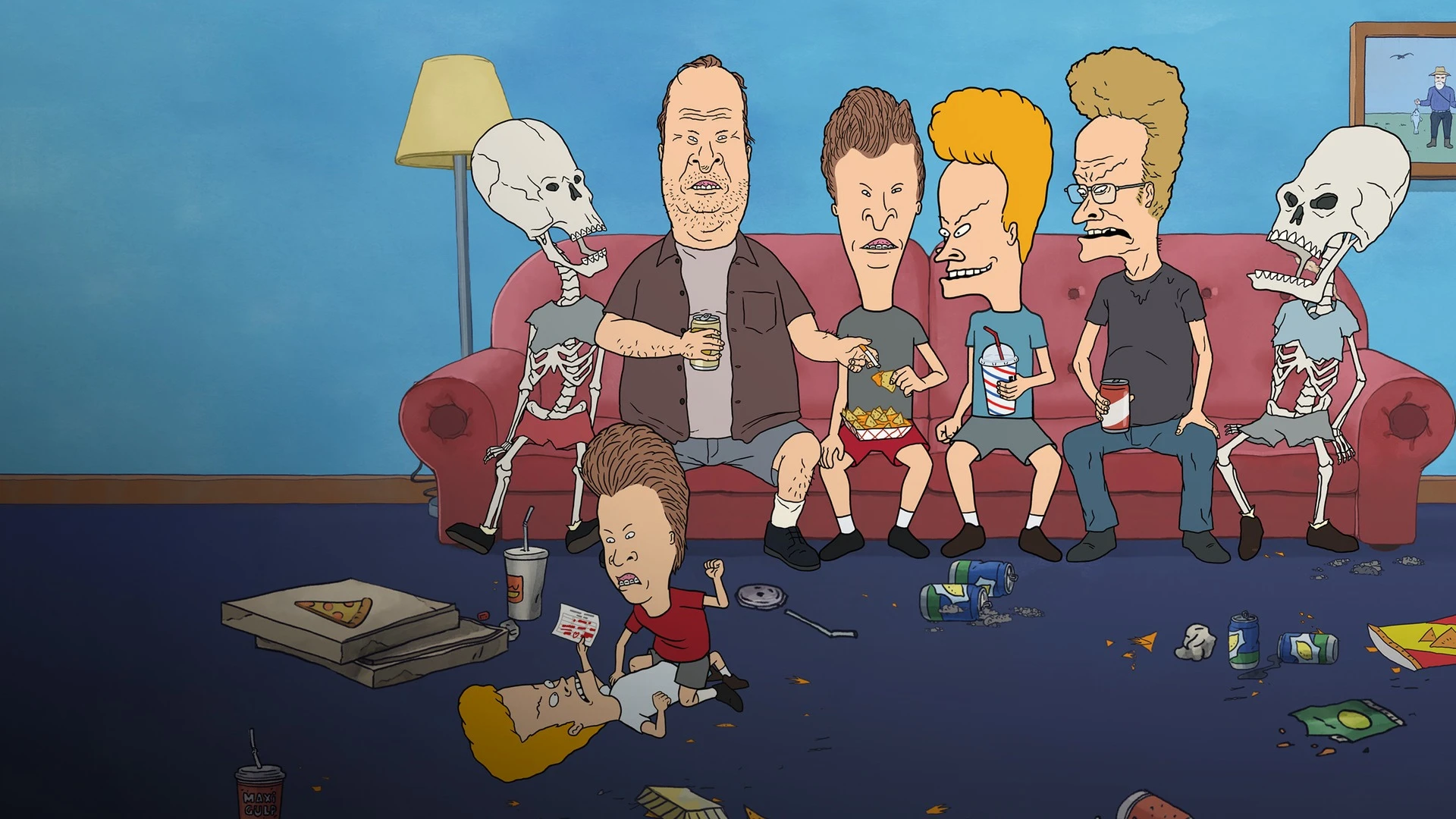
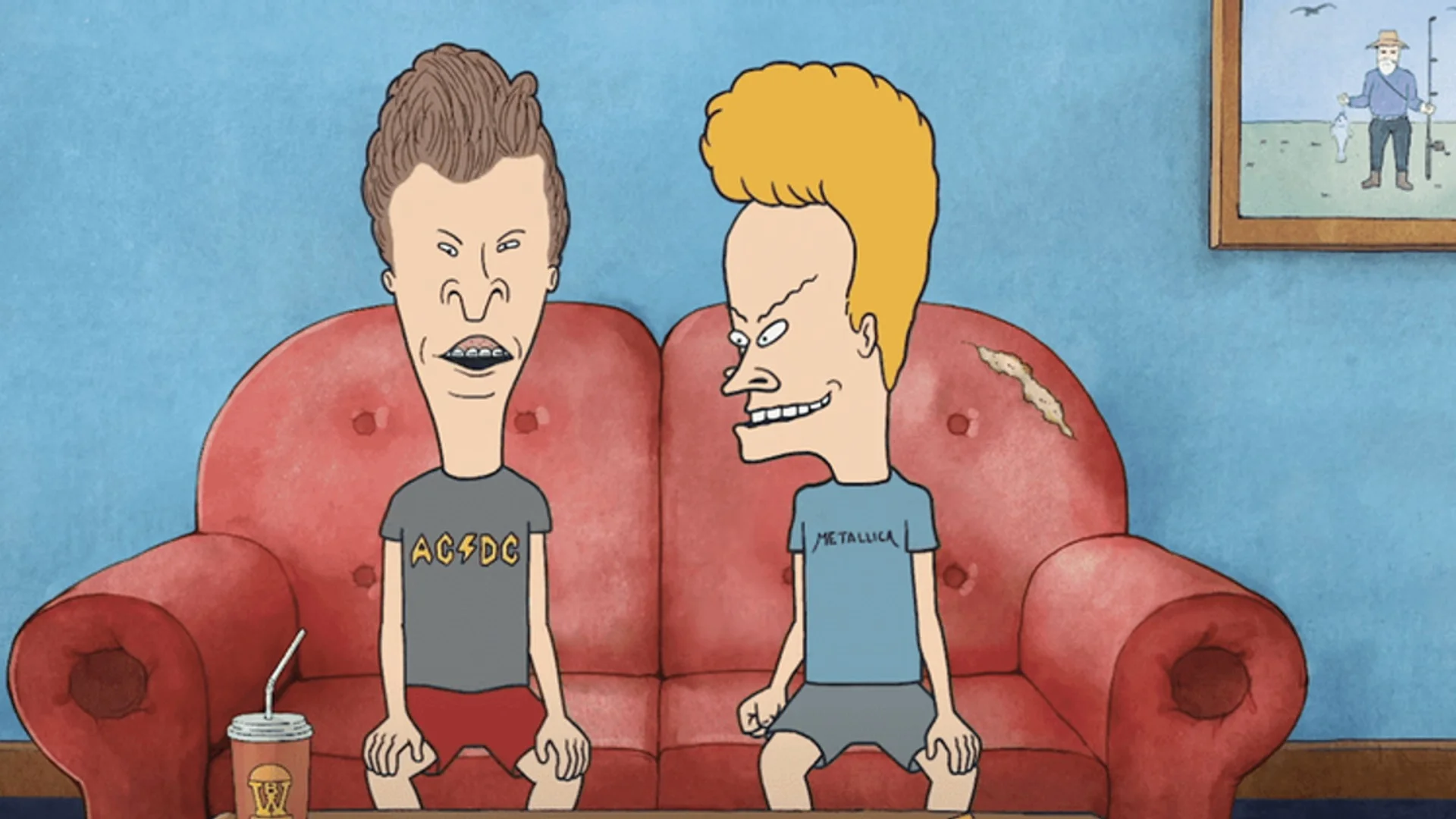
Mike Judge may be preparing to take Beavis and Butt-Head back from Paramount. Puck reports that Judge sent the company a “friendly lawyer letter” saying he plans to pursue copyright termination rights for the characters. That is a reported legal move, not proof that Paramount has already lost control.
The timing is tied to the duo’s unusual history. Judge created them in the 1992 short “Frog Baseball,” before MTV turned the idea into a full series. A possible 2027 window has now put one of the most recognizable adult cartoons of the 1990s in the middle of a rights fight.
What did Mike Judge reportedly send Paramount?
Puck says Judge notified Paramount through a lawyer and intends to use termination rights over Beavis and Butt-Head. The report does not publish a formal notice, identify the exact contract language, or say that a termination has been accepted. Paramount and Judge’s representative declined to comment to Puck.
That distinction matters. A private letter saying someone plans to exercise a right is not the same thing as a completed transfer of ownership. Until a formal notice and its effective date are established, Paramount remains the company publicly distributing the existing series and films.
Why is 2027 part of the story?
U.S. copyright law can let an author terminate certain grants made after 1977 once the statutory timing window opens. The starting point is generally 35 years after the grant, followed by a five-year period in which termination can take effect. The exact date depends on the agreement, the work covered, and whether any exception applies.
Because Beavis and Butt-Head first appeared in Judge’s 1992 short, 2027 is an obvious date to watch. It is not automatically the legal answer. The date of the relevant grant may differ from the short’s release, and the work-made-for-hire rules can change whether Section 203 applies at all.
How does copyright termination work here?
A qualifying author grant can be terminated only through a specific process. The notice must identify an effective date inside the allowed window, be served between two and ten years before that date, and be recorded with the U.S. Copyright Office. The law also has rules for joint authors, successors, and works made for hire.
The report about Judge’s letter does not establish that all of those steps have happened. It also does not tell us whether the agreement covers the characters, the original short, later episodes, derivative works, or separate trademark rights. Those details would decide far more than the headline does.
Would every Beavis and Butt-Head episode disappear?
No. Even if Judge eventually succeeds, old episodes and movies made under an earlier grant would not simply blink out of existence. Existing derivative works can generally continue to be used under the terms that created them, while future projects may require a new deal.
That is why this is better understood as a fight over future control than an announcement that Paramount+ is about to remove the library. Paramount’s official pages still list the current revival, including its third season, and the streamer remains the obvious home for the episodes already produced.
Why the timing is awkward for Paramount
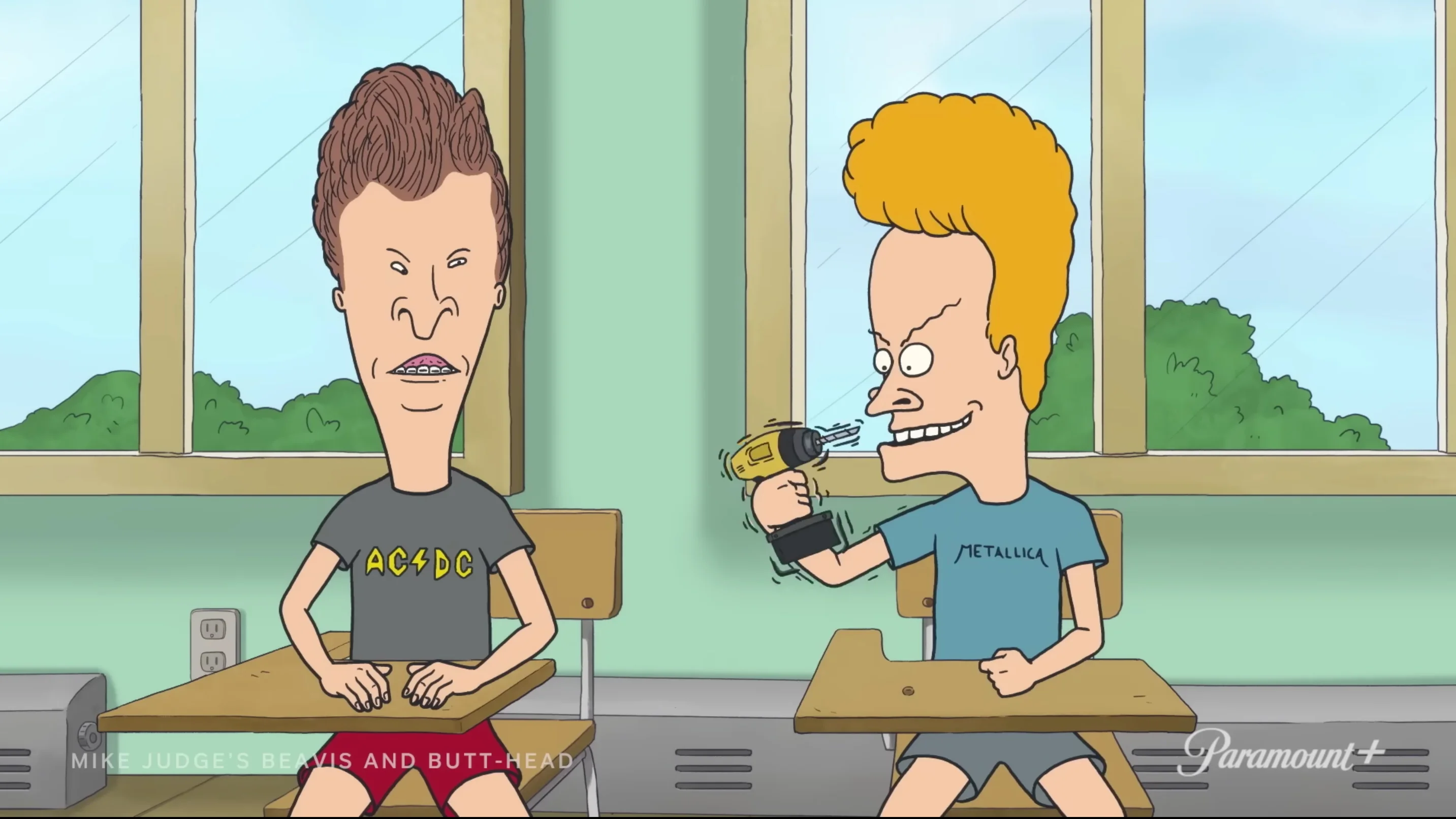
The report arrives while the franchise is still active. Paramount’s current series page credits Judge as creator and voice of both characters, and the company has continued building new episodes and films around the property. A rights dispute could complicate the next renewal, licensing plans, merchandise, or any project that needs Judge’s approval.
It also puts an old corporate arrangement under a modern streaming spotlight. Beavis and Butt-Head began as an independent short, became an MTV hit, returned in 2011, and then moved to Paramount+. The same history that made the characters valuable may now give their creator an opening to renegotiate who controls what comes next.
What could Judge do if the claim succeeds?
Judge could seek a new licensing arrangement, shop future projects to another buyer, or keep the characters close to his own production company. None of those outcomes is confirmed. A settlement with Paramount could also leave the franchise looking almost exactly the same while changing who receives the money and approves new work.
The creative question is just as interesting as the legal one. Judge has voiced Beavis and Butt-Head across their major revivals, so a change in rights would not necessarily mean a reboot with a different voice. It could instead give him more say over the tone, music, release strategy, and limits of future episodes.
Is Beavis and Butt-Head leaving Paramount now?
No. The current story is a report about Judge’s intent, not a completed handover. There is no public confirmation that a statutory termination notice has taken effect, and there is no announced move to another streamer or studio.
For now, the useful headline is simple: Mike Judge is reportedly trying to reopen control of the characters he created, just as a possible 2027 copyright window approaches. Fans do not need to pick a new streaming service yet, but they may be watching the next Beavis and Butt-Head announcement much more closely.