
The Walking Dead is about to take a break from its usual rules. The sixth episode of The Walking Dead: Dead City Season 3, titled “Genesis,” sends Maggie and Negan into a version of New York where the zombie apocalypse apparently never happened. The streets are intact, the city is modern, and Beth Greene is alive again.
AMC has not explained exactly what kind of reality this is. The promotion confirms the setup, but it has not said whether “Genesis” is a dream, a fantasy, or a literal alternate timeline. That uncertainty is part of the hook, not a detail to fill in with a guess before the episode airs.
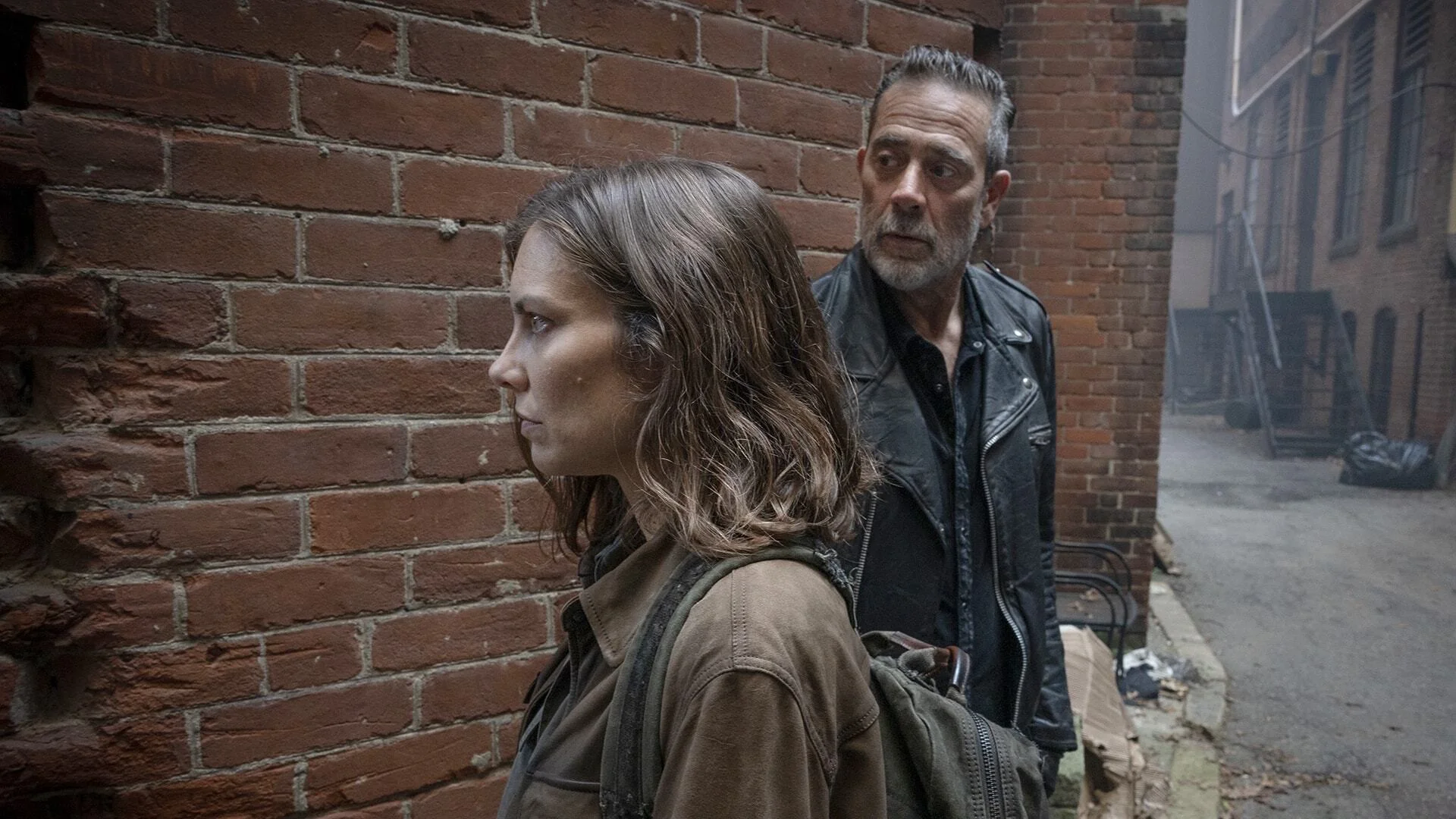
What is The Walking Dead: Dead City’s “Genesis” episode about?
“Genesis” is Season 3, Episode 6 of The Walking Dead: Dead City. Promotional material shows Maggie waking in a clean, contemporary New York rather than the battered Manhattan she has been trying to rebuild. The city has working streets and ordinary daily life, with no sign that walkers ever took over.
Negan appears in this version of the world as well, and the marketing brings back Beth Greene, Maggie’s younger sister. Emily Kinney is reprising Beth after the character’s death in Season 5 of the original series. The episode is using a different reality to put people together who could not otherwise share the same present.
The title “Genesis” fits the reset without explaining it. The episode may be showing a beginning, a private fantasy, or a glimpse of lives that the apocalypse erased. AMC is keeping the mechanism off the official synopsis, so the article should keep the distinction visible.
When does “Genesis” air?
The episode is scheduled for Sunday, August 30, 2026, at 9 p.m. ET/PT on AMC and AMC+. It is the sixth episode of an eight-episode third season, which means the alternate-reality story arrives near the back half of the season rather than as a separate special outside the show’s regular run.
Dead City Season 3 began on July 26 and is scheduled to continue weekly through its September 13 finale. Viewers will be able to watch “Genesis” through AMC’s television broadcast in the United States or the AMC+ streaming service, with availability elsewhere depending on local rights.
How can Beth return after her death?
Beth died during the fifth season of The Walking Dead, so “Genesis” is not quietly changing the main timeline. Emily Kinney’s return is tied to the episode’s altered circumstances, and AMC has presented her appearance as Beth coming back for a special story rather than a standard resurrection.
That lets the episode use Beth as a person instead of a twist. Maggie can see her sister in a world without the losses that shaped their family, while viewers can compare this version of Beth with the one they remember from the original series. The emotional pressure comes from knowing that the peaceful version cannot simply replace the life Maggie lived.
The footage and reports place Kinney with Lauren Cohan, which makes the reunion more important than a quick background cameo. The show has an opportunity to let the sisters talk, disagree, or enjoy a normal moment before the episode returns to the reality that created Dead City in the first place.
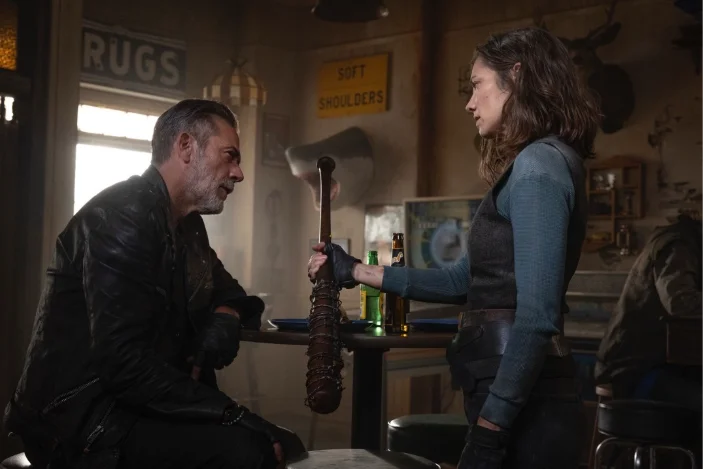
Is this a real alternate timeline?
Not according to anything AMC has officially explained. Recent coverage calls “Genesis” an alternate-reality episode, while also noting that the show has not identified the cause. The absence of a confirmed mechanism leaves room for a dream or fantasy sequence, and The Walking Dead has used those kinds of emotional detours before.
The modern New York setting is a clue, but it is not proof of a multiverse. The Walking Dead is normally grounded in a world where the outbreak is the one impossible event; introducing a permanent second timeline would be a much larger change than giving Maggie a vision of a life she lost. Until the episode airs, “a world where the apocalypse never happened” is the accurate description.
The episode can still have consequences without becoming a new branch of canon. A conversation with Beth might change Maggie’s choices, expose what she is carrying, or show Negan a version of himself that never became the man viewers know. The emotional result can matter even if the setting disappears at the end.
Why are Maggie and Negan in this story together?
Dead City is built around an uneasy partnership. Maggie has every reason to hate Negan for killing Glenn, while Negan has spent years trying to live with the person he was. Season 3 has moved them toward building a community in Manhattan, but their history has not vanished just because they need one another.
A world without walkers removes the pressure that normally forces them into the same room. They have to meet as different people, with the old violence missing or changed. That gives the episode a clean way to ask whether Maggie and Negan would ever have chosen each other as allies if the apocalypse had not made every relationship a survival decision.
Beth’s presence sharpens the contrast. Maggie is not only seeing a sister she lost; she is seeing the family life and ordinary future that the outbreak took from them. Negan’s place in that picture should be uncomfortable on purpose, especially for viewers who still see the debt between him and Maggie as unfinished.
What does “Genesis” reveal about Dead City Season 3?
The season’s main story has Maggie and Negan trying to build Manhattan’s first thriving community since the apocalypse. That plot is about governance, trust, and the danger of bringing old wounds into a new settlement. “Genesis” temporarily steps outside that work to look at the lives they might have had before the city fell apart.
The detour can make the main plot feel heavier. A peaceful New York is not just a visual change; it gives Maggie a reference point for everything she has lost and gives Negan a chance to exist without the empire and violence that defined him. The episode is still part of a horror franchise, but its scariest idea may be an ordinary life that was always out of reach.
It also shows how much room Dead City has inside The Walking Dead universe. The spin-off began as a revenge trip through ruined Manhattan. Season 3 is now willing to test character history, grief, and the shape of the world itself without abandoning the series’ central pair.
Could the alternate reality affect the main story?
That will depend on how the episode ends. If “Genesis” is a dream or fantasy, its effect may be psychological: Maggie could wake with a clearer idea of what she wants, or Negan could have to confront a version of his life without the choices that made him a villain. If the show presents a literal timeline, it would raise much bigger questions about how The Walking Dead handles worlds beyond its main continuity.
There is no official confirmation that Beth is returning to the regular present-day story, and the promotion does not suggest that her death has been reversed. Fans should treat her appearance as part of “Genesis” until AMC says otherwise. That keeps the emotional stakes intact without turning a special episode into a continuity promise.
The episode is asking a painful what-if
The Walking Dead has spent years asking who survives. “Genesis” asks a different question: who would these people be if survival had never been required? Maggie gets Beth, Negan gets a life before the bat, and New York gets to remain a city instead of a graveyard. The comfort of that picture is exactly what makes it unsettling.
The episode does not need a multiverse explanation to work. It needs enough time with Maggie and Beth to make the reunion feel personal, and enough tension around Negan to keep the scene from becoming a painless fan-service visit. The strongest version of “Genesis” will let the characters enjoy the impossible for a moment before reminding them what the real world cost.
“Genesis” airs August 30 on AMC and AMC+. Until then, the confirmed story is a one-episode detour into a modern New York where the apocalypse never began, with Beth alive and Maggie forced to look at the life she lost.
The episode expands a franchise that already reaches far beyond the original drama. You can catch up with our coverage of The Walking Dead’s Netflix deal before “Genesis” changes the question from where the survivors are going to who they might have been.