Netflix is bringing Gene Wilder’s Willy Wonka back through an AI-generated voice. The recreation will appear in Wonka’s The Golden Ticket, a reality competition series that sends contestants into a new version of the chocolate factory. Netflix says the Gene Wilder Estate approved the use of his voice.
Wilder died in 2016, so this is not a new performance, an actor recording fresh lines, or old dialogue pulled from the 1971 movie. The show is using synthetic narration made for a new production. That choice makes the voice the story before the competition has even begun.
What Netflix is actually bringing back
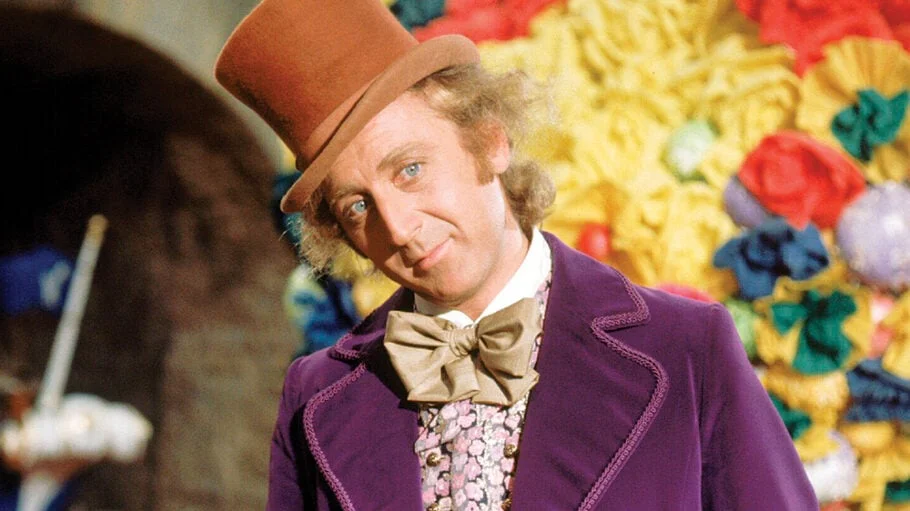
Wilder’s voice will be used as Willy Wonka in new narration for the series. Netflix’s Tudum announcement calls it a “re-created voice” and says the Gene Wilder Estate gave its consent. Variety reports that Netflix worked with ElevenLabs, an AI audio company, to produce the recreation.
The wording matters. Viewers are not getting a lost Gene Wilder recording or a restored scene from Willy Wonka & the Chocolate Factory. The voice model is delivering new material written for Wonka’s The Golden Ticket, putting a digital version of Wilder’s most famous character inside a modern reality show.
The teaser makes that use clear. The voice introduces the competition and ends with a new line that was never part of the 1971 film. It is a licensed imitation of a performance, not the performance itself.
What is Wonka’s The Golden Ticket?
The series is an unscripted competition inspired by Roald Dahl’s 1964 novel Charlie and the Chocolate Factory and the 1971 film adaptation. Twelve golden-ticket winners will enter Wonka’s factory, and each contestant can bring a partner of their choice.
Inside, the pairs face games, tests, and temptations built around the factory. Netflix says the challenges are meant to push contestants physically, mentally, and morally, so the show is aiming for more than a string of candy-themed obstacle courses. The contestants also have to adapt to the factory’s rules and to one another.
Only one contestant will win the series’ life-changing prize. Netflix has not explained the full prize, the host, or the elimination schedule. Variety reports that the season contains nine episodes, but the service has only announced the September 23 launch and the two-part finale on September 30.
ElevenLabs made the voice with the estate’s permission
Netflix did not announce the AI partnership in its first description of the series. Variety identified ElevenLabs as the company involved in recreating Wilder’s voice, while TheWrap reported that the new narration appears in the teaser. Netflix’s later Tudum update confirms the result without describing the technical process in detail.
Karen B. Wilder, Gene’s wife, gave the estate’s statement. She said the family was pleased that the series would celebrate the warmth and imagination he brought to Wonka while introducing that connection to new viewers. The statement makes the legal position clear: the estate consented to this use.
That approval answers one question, but not every question. An estate can license a voice after an actor’s death; it cannot turn a synthetic performance into a recording Wilder personally made. The distinction will matter to viewers deciding whether the show feels like a respectful tribute or a shortcut to familiar nostalgia.
Why fans are already arguing about it
The reaction began as soon as the teaser appeared. Some viewers object to any AI recreation of a dead actor, even when the family estate agrees to it. Others say the voice sounds too artificial and that a new actor could have played Wonka without trying to reproduce Wilder at all.
Those reactions are audience criticism, not a public fight between Netflix and the Wilder Estate. The family has endorsed the project, and Netflix is presenting the recreation as a way to honor the 1971 performance. The disagreement is about whether permission is enough when the person whose voice is being used cannot speak for himself.
The debate also arrives at a moment when licensed digital voices are becoming a business model. ElevenLabs has worked on other estate-approved recreations, so Wonka’s The Golden Ticket is part of a wider experiment in turning famous voices into new entertainment assets. That makes the show relevant beyond Wonka fans, especially for anyone watching how Hollywood handles posthumous performances.
The 1971 movie connection goes beyond the voice
Netflix is rebuilding the factory’s look as well as borrowing the original film’s most recognizable voice. Rusty Goffe, who played an Oompa Loompa in the 1971 movie, will return for the competition. Netflix has not said that he is reprising a named character, but his presence gives the new series a living link to the classic film.
The show is not a sequel to Willy Wonka & the Chocolate Factory, and it does not continue Charlie Bucket’s story. It uses the book and film as its starting point, then turns the factory into a contest for a new group of players. That difference should be clear before viewers treat the synthetic voice as a continuation of Wilder’s Wonka.
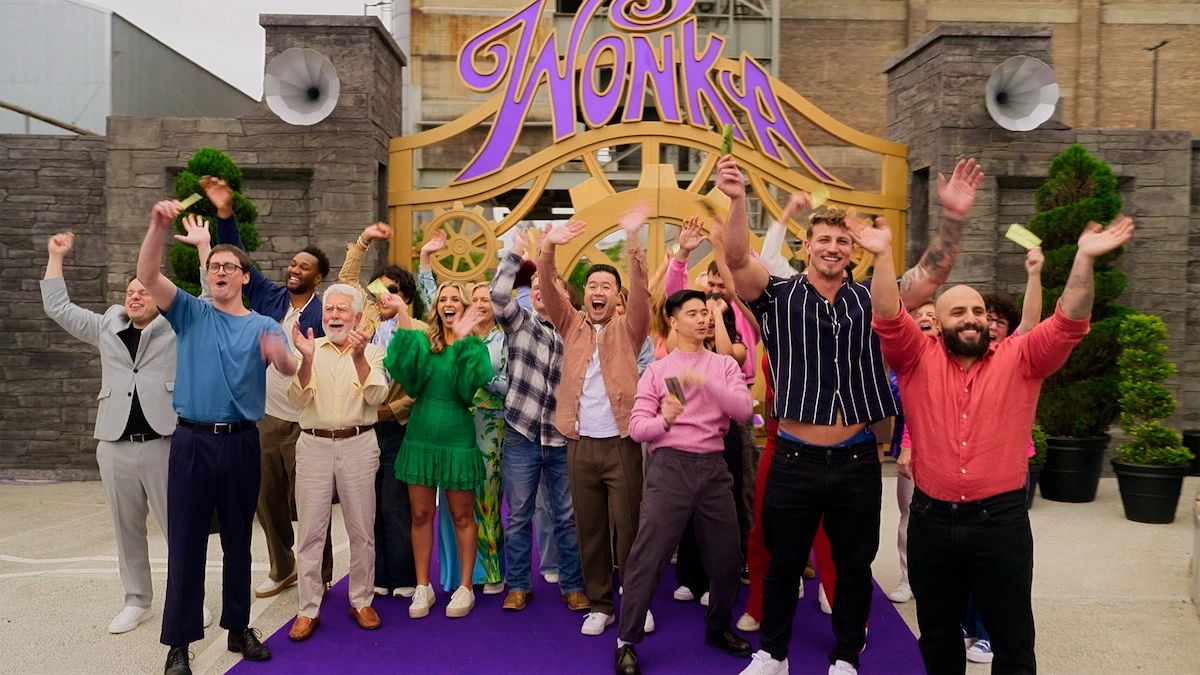
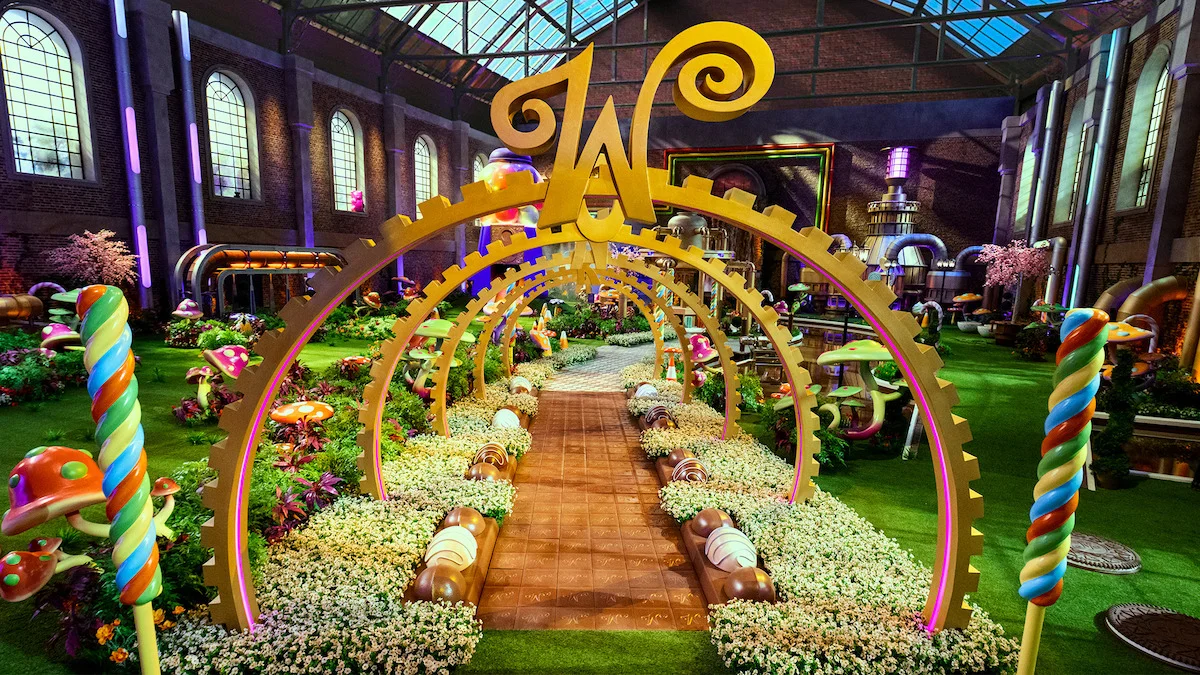
The factory itself is a practical hook. Netflix’s first images show contestants gathered outside the Wonka gates and a large interior built around candy-colored machinery, gardens, and game spaces. The setting has to carry nine episodes, not just a trailer, so the challenges will decide whether the nostalgia is useful or just decoration.
When does Wonka’s The Golden Ticket premiere?
Wonka’s The Golden Ticket premieres on Netflix on September 23, 2026. The service has scheduled a two-part finale for September 30. Netflix has not published the release pattern for the other episodes, so it is too early to say whether the first seven arrive together or roll out before the finale.
The series was produced by Eureka Productions and filmed in Australia. Netflix has confirmed the contestants, the factory challenges, the Gene Wilder voice recreation, and Goffe’s return. It has not yet named the host or explained exactly what the winner receives.
Can the show work without leaning on Wilder?
The AI voice will dominate the conversation, but it cannot carry a competition by itself. The players need to be interesting, the rules need to be easy to follow, and the factory needs to create problems that do not feel like ordinary reality-TV games painted purple and gold.
Using Wilder’s voice gives Netflix an instant connection to the 1971 film. It also puts pressure on every scene that follows. If the narration feels like a forced imitation, viewers will hear the technology before they see the contestants. If the challenges have their own personality, the voice may settle into the show instead of standing over it.
The confirmed answer is straightforward: Netflix is using an AI recreation of Gene Wilder’s Wonka voice in new narration for Wonka’s The Golden Ticket, with permission from his estate. It is a new reality competition, not Wilder returning to work. Whether that feels like a tribute or a bad idea is now part of the series’ premise, and audiences will make that call when the first episode arrives.
The choice also fits into Netflix’s growing interest in entertainment AI, including its reported investment in an AI company covered in our Netflix and Ben Affleck report, while other entertainment projects have faced backlash over AI-generated media, as discussed in our Stellar Blade music-video coverage.