
Unconfirmed GTA 6 footage is now circulating alongside AI-generated clips designed to look like it. The result is not simply another leak story. It is a verification problem: viewers are trying to judge disputed videos while other videos are being made to imitate the same visual language. GamesRadar's report documents how quickly those two streams became tangled together.
Axios reports that an anonymous hacker using the handle LEEK shared at least six purported gameplay clips, while PC Gamer's coverage describes videos that looked legitimate but remained unconfirmed. Rockstar has not authenticated any of them, so the clips should not be treated as a new official reveal.
The reporting confirms a wave of disputed clips
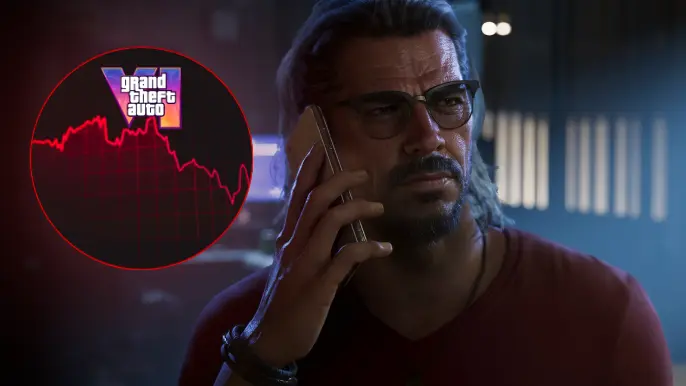
Axios says LEEK's posts included purported gameplay and map material, and that accounts spreading them drew millions of views across X, YouTube and TikTok. Most of the clips were later removed after copyright claims, while at least one account was suspended on X. The outlet also reported that Take-Two Interactive, Rockstar's parent company, lost $2 billion in market value amid the leaks, with the value later rebounding. Those are measurable effects of the leak story, not evidence that the videos show finished GTA 6. Read the Axios report for its account of the posts and removals.
PC Gamer reports that Cyberleek posted four clips across two days and describes them as plausible-looking, but explicitly says they are unconfirmed. The site also says Rockstar has not commented on the source or legitimacy of the videos. GamesRadar similarly reports that Cyberleek's alleged clips were mostly taken down. The available reporting supports the existence of a fast-moving stream of posts, not their authenticity.
AI fakes are filling the same feeds
GamesRadar says fake GTA 6 clips have flooded X and YouTube. Its examples of warning signs include strange camera movement, misspelled text and HUD details that do not stay consistent. The article also notes that high-fidelity footage can carry those red flags, which matters when a clip looks polished enough to spread before anyone checks it.
PC Gamer makes the same distinction from another direction: its coverage treats the leaked videos as plausible but unconfirmed and says apparent AI-generated fakes are circulating alongside them. That combination removes the usual shortcut of "bad-looking means fake, good-looking means real." A video can be visually convincing and still provide no reliable proof of what it depicts. does not authenticate the clips.