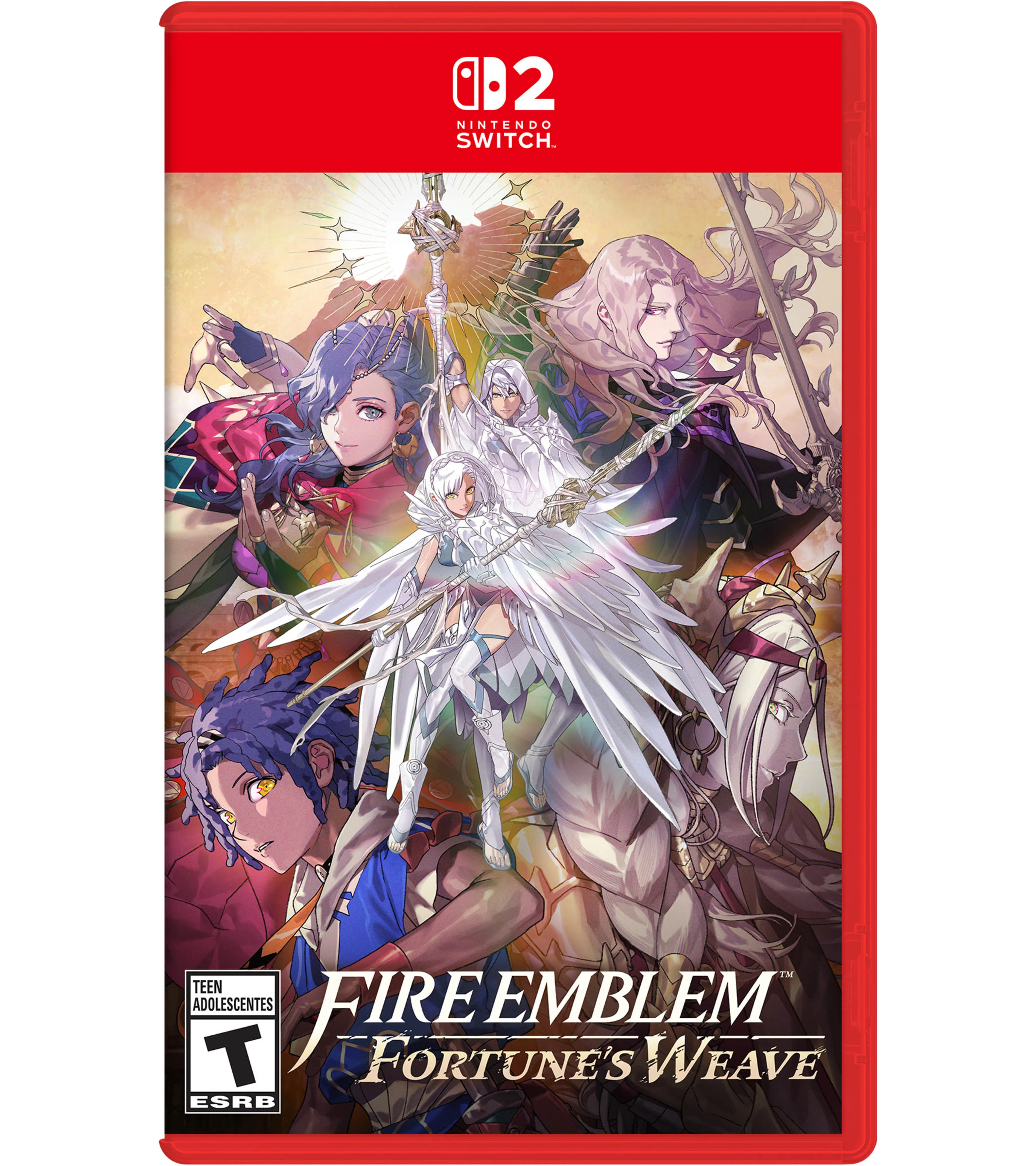
Nintendo’s Fire Emblem: Fortune’s Weave Direct confirmed that the Heroic Games are only one part of a much larger story. Players will follow four competing heroes, switch between their separate routes, and eventually use time travel to confront a future in which the demon god Balor has pushed Dagda toward destruction.
The 22-minute presentation also explained the game’s combat, class progression, recruitment, city activities, world exploration, and dungeon encounters. Fortune’s Weave launches exclusively for Nintendo Switch 2 on September 17, 2026.
The Direct’s biggest reveal connects all four hero routes
The story begins with the Heroic Games in Dagsion, capital of the Dagdan Empire. The winner is promised one wish by the ruler, giving four very different heroes a reason to enter.
- Cai wants to free his father, who was imprisoned on Cai’s 15th birthday.
- Dietrich enters because he is constantly searching for a stronger opponent.
- Theodora fights to defend her kingdom’s faith and restore the honor of its goddess.
- Leda is pursuing the unknown person who murdered her father.
Players choose which hero to follow, and that choice changes how the story begins. Progress is stored separately for each route, but Nintendo confirmed that players can switch heroes at the Pale Raven’s Perch and advance all four stories in parallel.
The larger twist arrives five years after the Heroic Games. Dagda is close to destruction, Balor has returned, and the four heroes have disappeared. The player controls the story’s true protagonist and can either face Balor’s forces in the ruined future or use the goddess Fortuna’s time-travel power to change the heroes’ fates.
That reveal answers the biggest question left by the earlier trailers. The four routes are not isolated tournament stories. Their choices, allies, and outcomes feed into a future conflict that connects the entire cast.
Battles use positioning, counters, terrain, and two types of special attacks
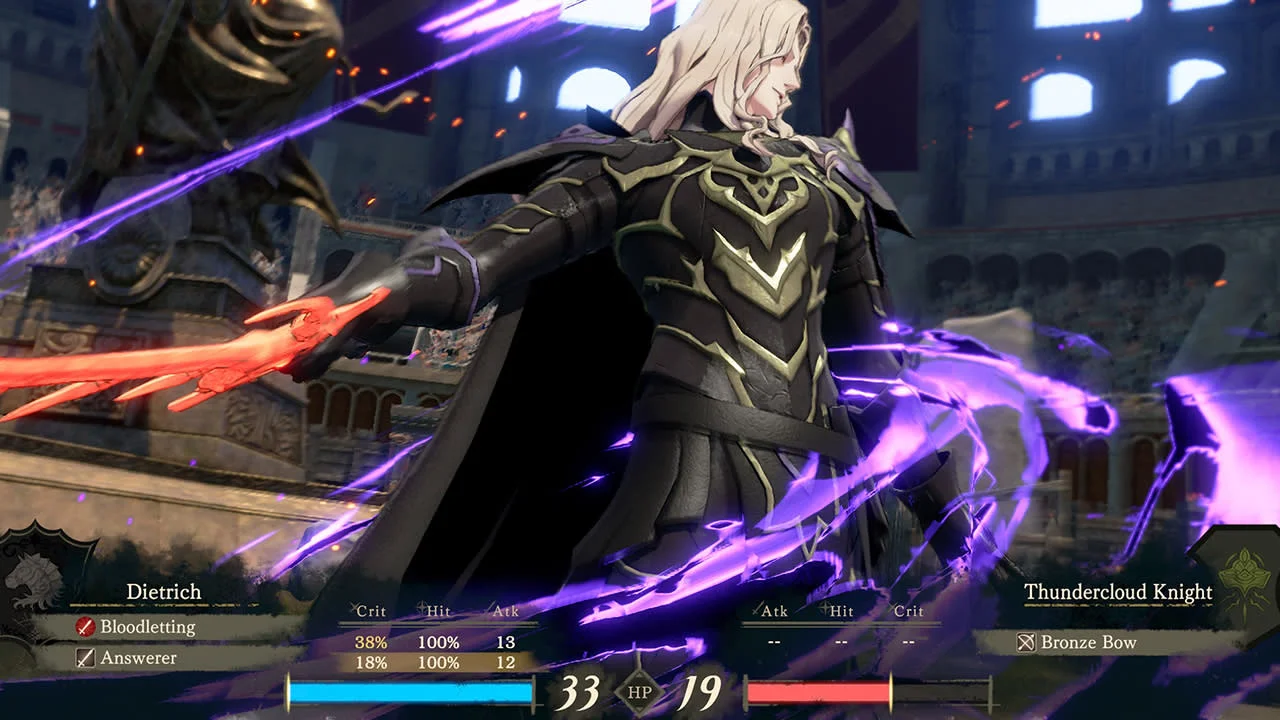
Fortune’s Weave keeps Fire Emblem’s turn-based tactical combat. Before a match, players choose their units and starting positions. Blue spaces show movement range, red spaces show attack range, and victory conditions can include defeating the opposing leader.
Weapon choice affects how units should approach each enemy:
- Swords are direct and easy to use.
- Gauntlets improve a unit’s ability to avoid attacks.
- Spears are especially effective against cavalry.
- Axes trade accuracy for stronger attacks.
- Bows attack from a distance and are dangerous to flying units.
- Magic works well against heavy armor and can also heal or support allies.
Enemies can counterattack when they are hit from within their own attack range. A bow or spell can safely pressure some close-range units, while moving next to a ranged opponent may stop that enemy from responding effectively. Terrain can provide an advantage, and nearby allies can give each other buffs.
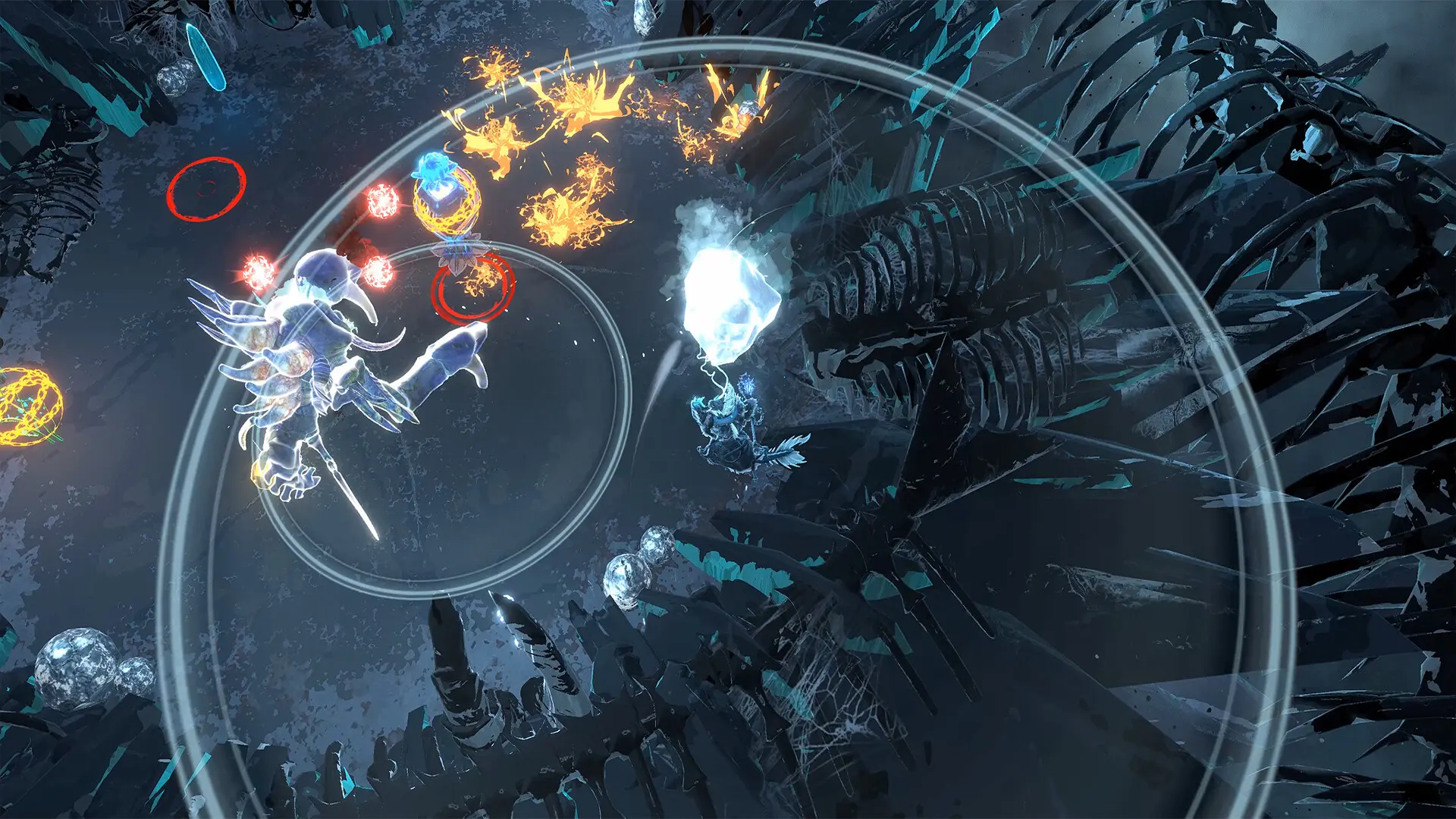
Combat Arts spend weapon durability to produce stronger attacks, longer range, or another useful effect. Blaze Arts are exclusive powers used by the four heroes. They can change a battle quickly, but activating one costs the hero health.
Cai can burn a wide area, Dietrich can warp to difficult positions, Theodora can tear up the ground and throw it at enemies, and Leda can strengthen allies or summon a monster through her music.
The game also includes a rewind system. If an ally falls or a move produces the wrong result, players can turn back time to an earlier point in the battle and try a different plan.
Classes move from beginner to specialty and advanced tiers
Each class changes a unit’s available weapons, abilities, and movement. Nintendo divided progression into beginner, specialty, and advanced classes.
Beginner classes establish the basic role of a unit. Specialty classes include more focused options such as armored knights, highly mobile winged soldiers, and charioteers that can strike several enemies in a line. Advanced classes combine strengths from multiple roles, while unusual late-game options include units that fight from giant beasts such as elephants.
Changing class requires a certification exam. The success rate depends on the character and the class they are trying to enter, so improving the correct skills before paying for an exam should reduce the risk of failure.
What players can do between Heroic Games matches
The time between major matches is limited. Players receive information about their next opponent and then decide how to prepare in Dagsion or elsewhere in Dagda.
The capital includes several useful facilities:
- Arena Plaza: provides additional training once per week between matches. Training unlocks new moves and access to stronger weapons.
- Shopping Arcade: sells weapons and tools and allows equipment upgrades with collected materials.
- Temple Row: contains seven temples. Volunteering at different temples grants temporary battle blessings, including stat bonuses or reduced damage.
- Certification exams: allow qualified allies to move into new classes.
- Town quests: have deadlines and provide rewards when completed on time.
- Recruitment: some warriors can be persuaded with gifts or a shared meal after initially rejecting an invitation.
- The inn: lets time pass while characters gain experience and gather materials automatically. Characters who grow close can also hold support conversations there.
These activities create a planning layer around the tactical battles. Spending time on training may unlock a needed skill, but traveling for materials, recruiting another unit, or completing a quest can solve a different problem before the next match.
Exploration includes towns, random battles, and dungeons
Players can leave Dagsion and travel across the continent. Time passes whenever the party moves, so an expedition must be weighed against the deadline for the next Heroic Games match.
Towns sell regional items and provide information. Enemies can appear randomly on the world map and trigger skirmishes that award experience. Traveling with allies also improves their battle abilities.
Dungeons provide weapon-upgrade materials and other treasure. Contact with an enemy inside a dungeon begins a smaller turn-based clash instead of a normal map battle. These encounters allow allied attack combinations and special field commands belonging to the four heroes.
Dietrich can expose hidden enemies. Theodora can recruit soldiers in towns, send them to collect materials, or deploy them in battle. Nintendo has not yet explained every hero command, leaving some exploration tools to be revealed before launch.
Release date, Dagdan Collection, and post-Direct extras
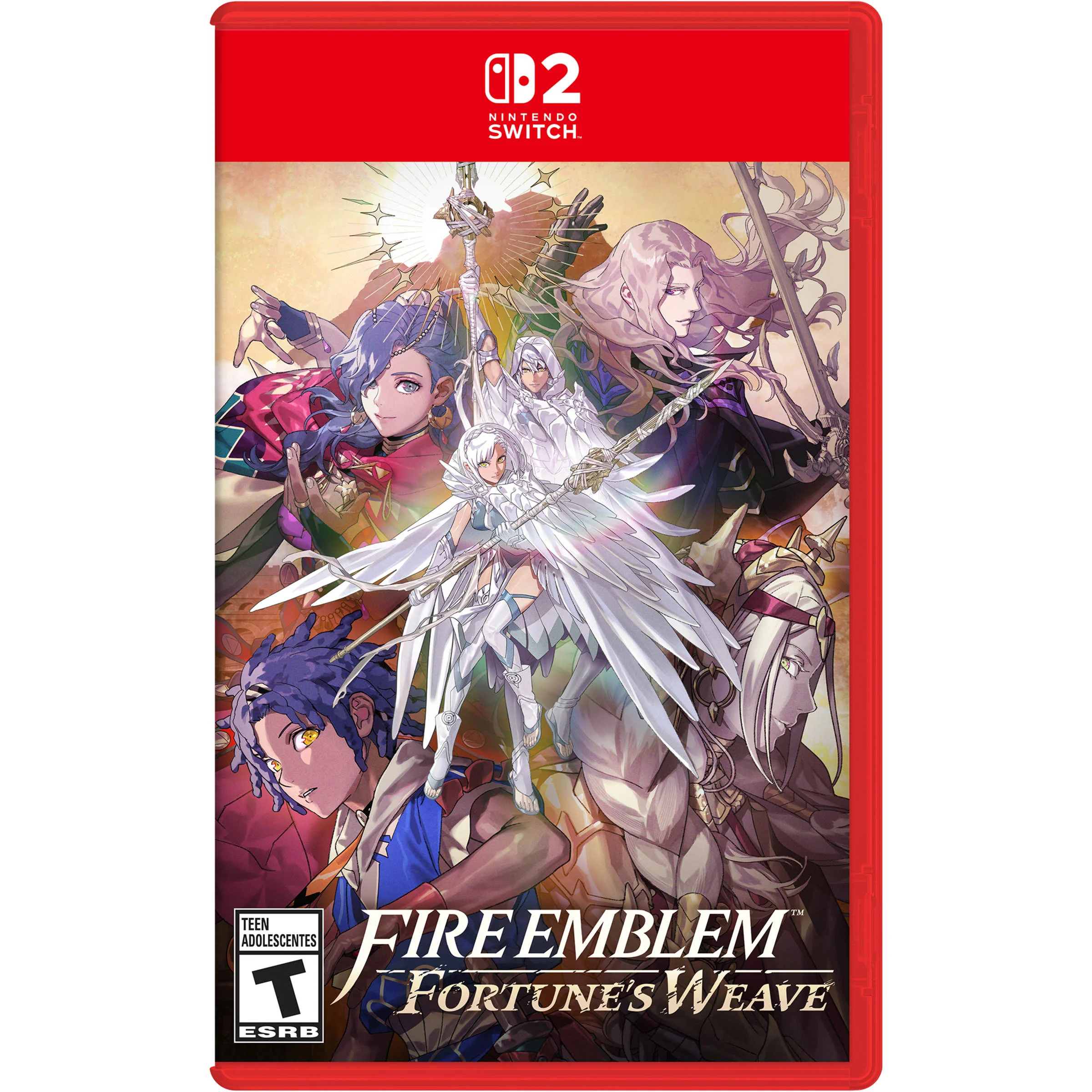
Fire Emblem: Fortune’s Weave releases September 17, 2026, only on Nintendo Switch 2. Nintendo is publishing the game, and Intelligent Systems is the developer. Preorders are available through the Nintendo eShop and participating retailers.
The physical Dagdan Collection launches on the same day. Nintendo says it includes the game, a steel case, a 150-page artbook, 12 character art cards, and a map of Dagda.
Nintendo Music is adding selected Fortune’s Weave tracks, including the main theme. The Nintendo Today app will receive a Fire Emblem theme and continue sharing game information before launch. Nintendo also scheduled an Ask the Developer interview for September 15, two days before release.
The full Direct remains available through Nintendo’s official video. Players avoiding story spoilers should stop before the final minutes, where Nintendo explains the future timeline, Balor, and the identity of the character who connects the four routes.