
Shailene Woodley Still Remembers Being Cut From The Amazing Spider-Man 2
Shailene Woodley says she filmed three scenes as Mary Jane Watson for The Amazing Spider-Man 2 before Sony decided to save the character for a sequel that never happened.

Franchise
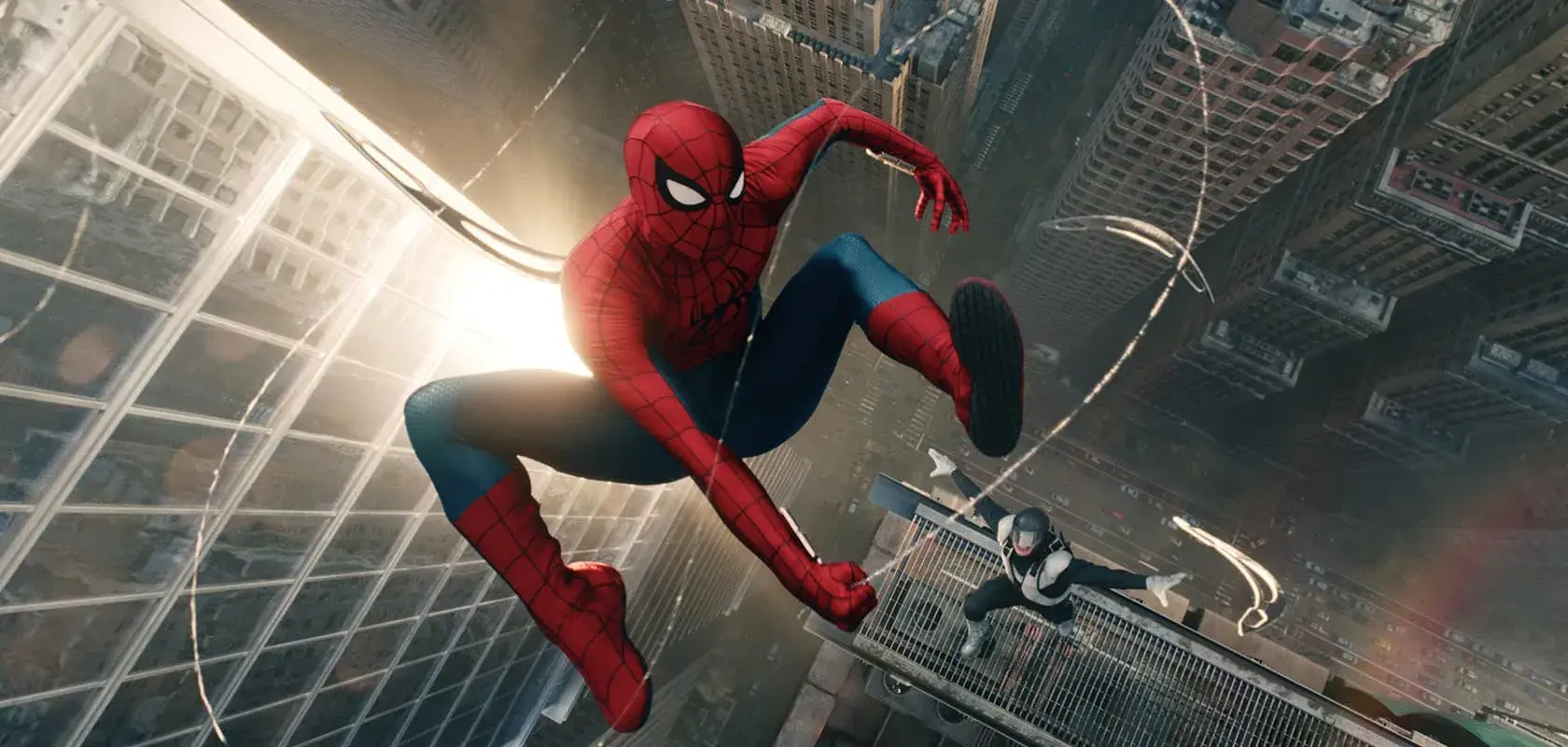
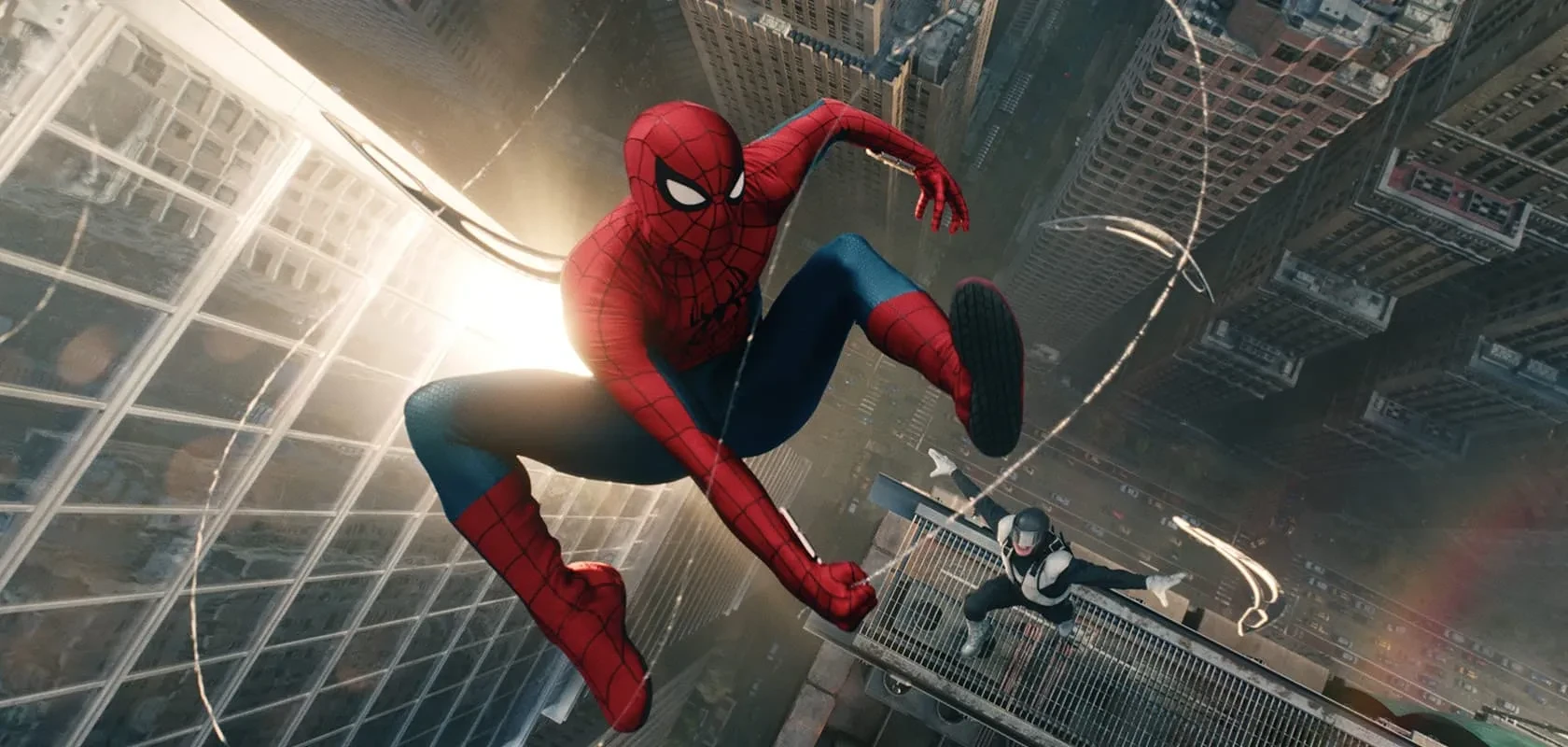
Spider-Man is Marvel's superhero franchise about Peter Parker and the other heroes who carry the Spider-Man name. It spans comics, films, games, and animation, with stories about responsibility, identity, crime-fighting, and life in New York across generations.
Explore
Movie
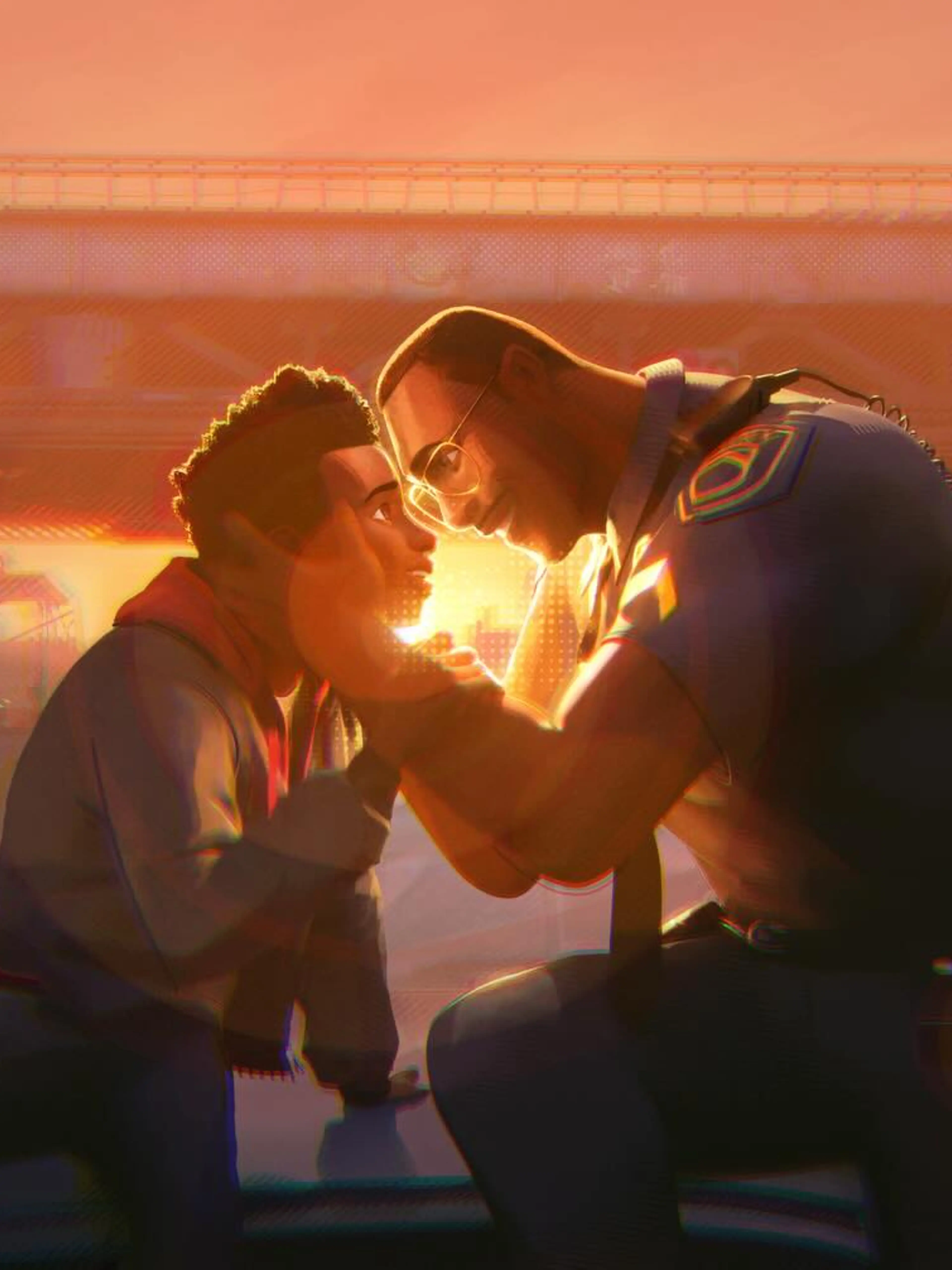
Spider-Man: Beyond the Spider-Verse is the final animated chapter of Miles Morales's Spider-Verse story. Miles searches for a way home after the Spider Society turns against him, while his family, Gwen Stacy, and other Spider-heroes face the consequences of the conflict across connected universes.
Movie
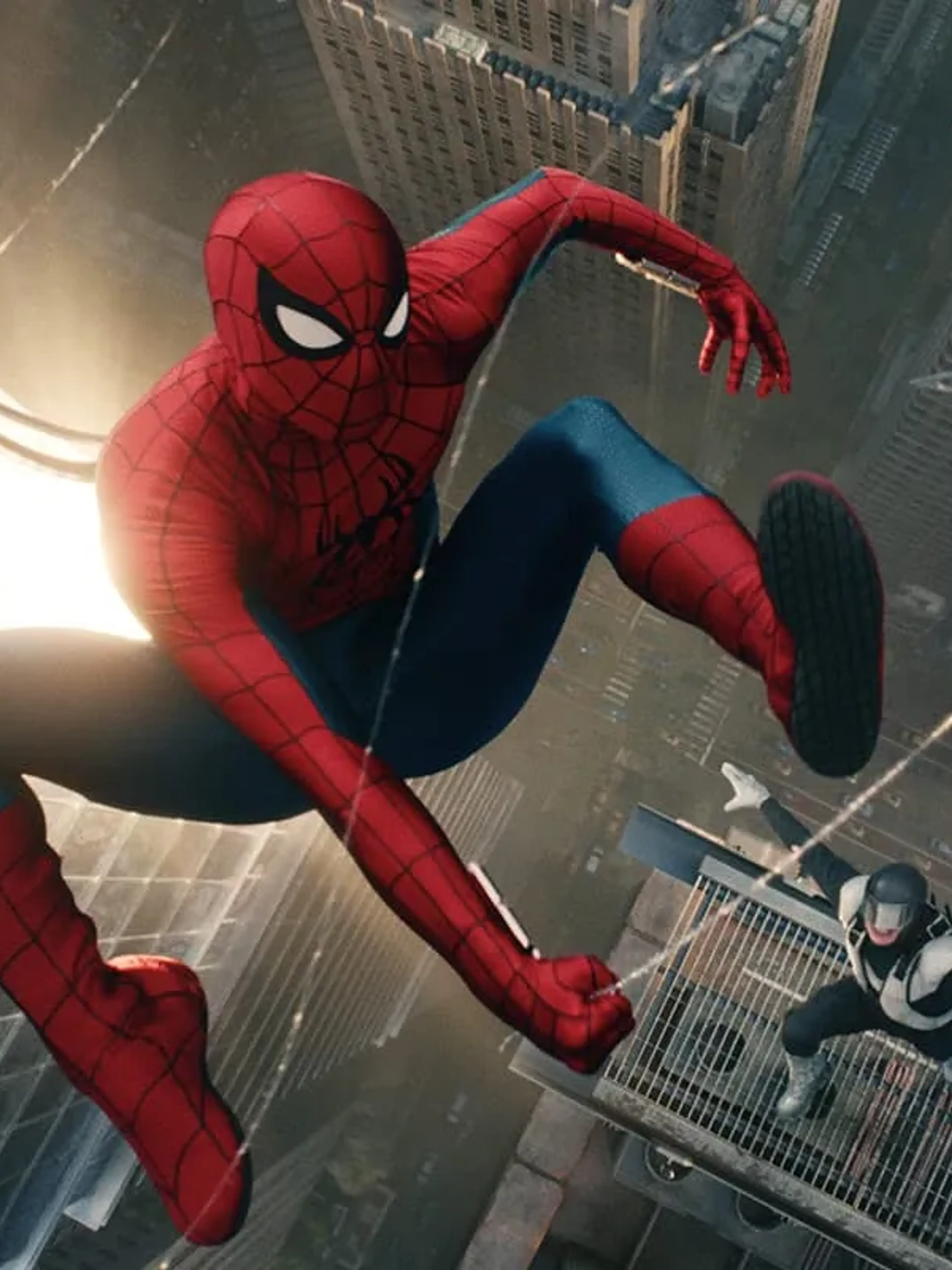
Spider-Man: Brand New Day sends Tom Holland's Peter Parker into a New York that no longer knows him, with full-time Spider-Man pressure, a July 31, 2026 release date, Destin Daniel Cretton directing, and a darker identity problem.
Read next
Shailene Woodley says she filmed three scenes as Mary Jane Watson for The Amazing Spider-Man 2 before Sony decided to save the character for a sequel that never happened.
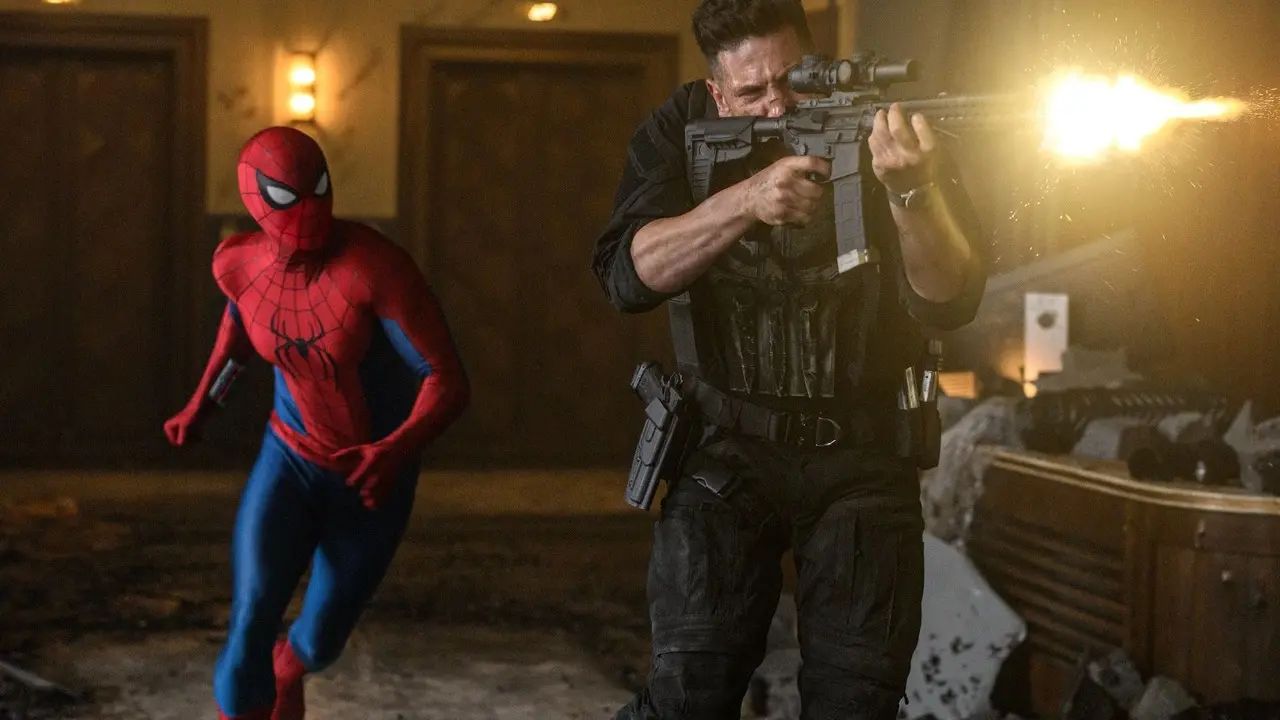
Spider-Man: Brand New Day has stayed No. 1 for four weekends and reached about $855 million domestic and $2.22 billion worldwide. The run shows how much trust audiences still place in Peter Parker, but it does not prove every Marvel movie has recovered.
Spider-Man: Beyond the Spider-Verse co-writer Chris Miller has responded after unfinished footage leaked online. Here is what he said and what Sony has confirmed.
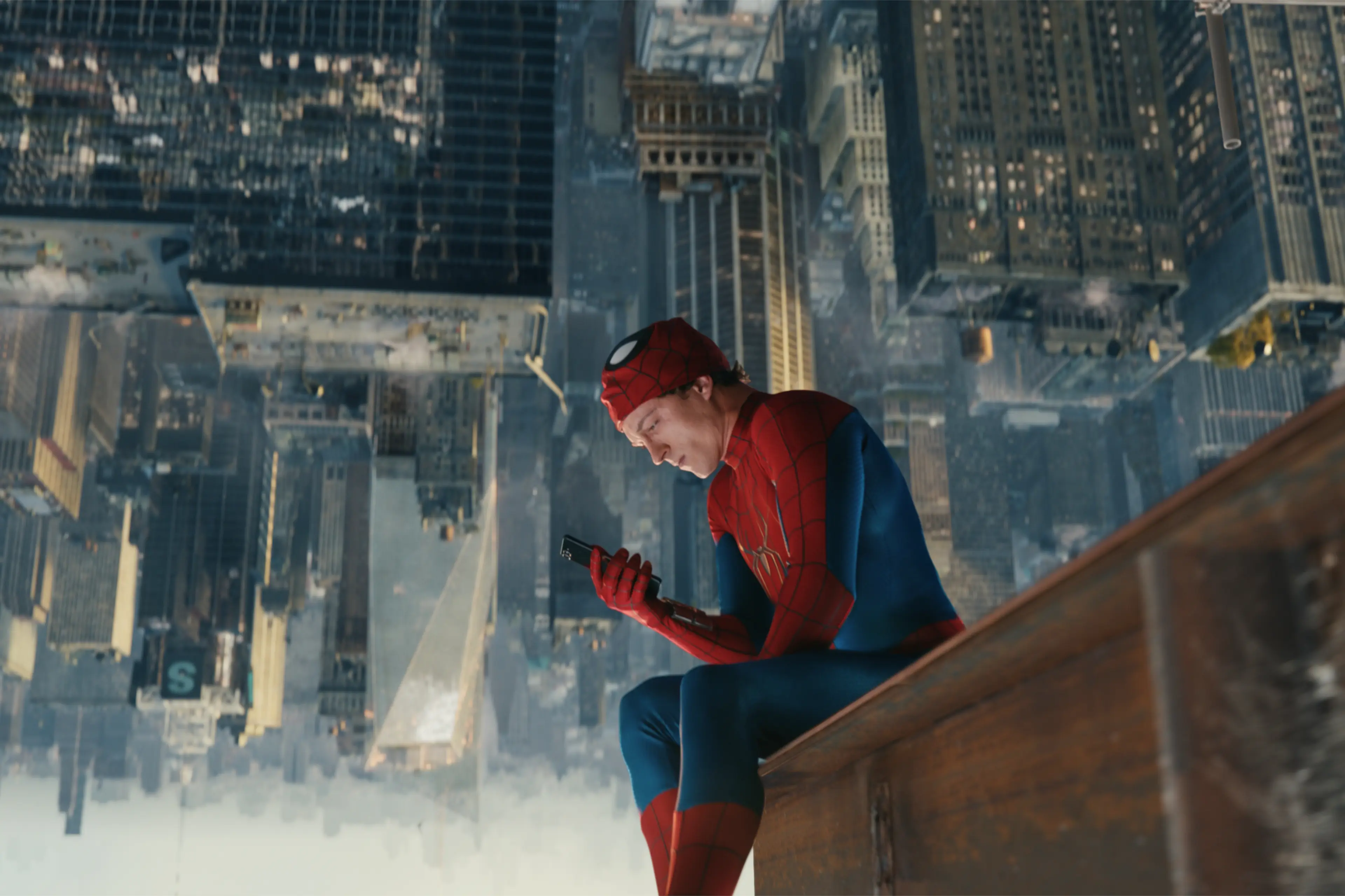
Spider-Man: Brand New Day reached $1.155 billion worldwide in seven days, passing Toy Story 5 as 2026's highest-grossing movie.
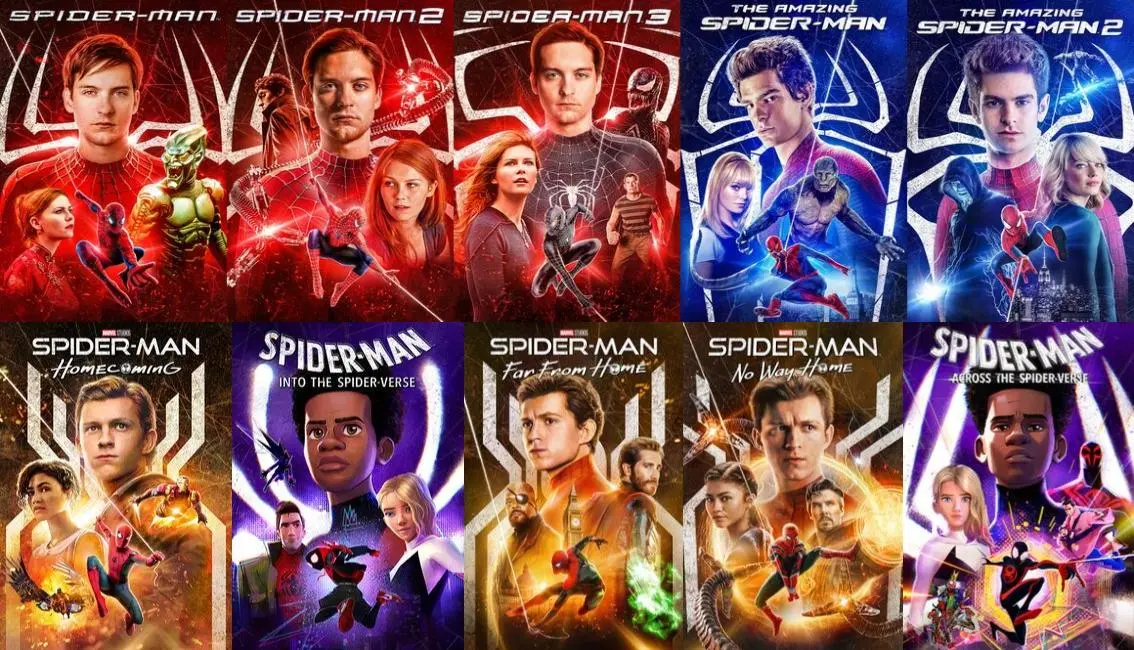
Sony's ten previous Spider-Man movies have matching digital covers across storefronts. The artwork is real, but it was not announced as a new poster collection today.
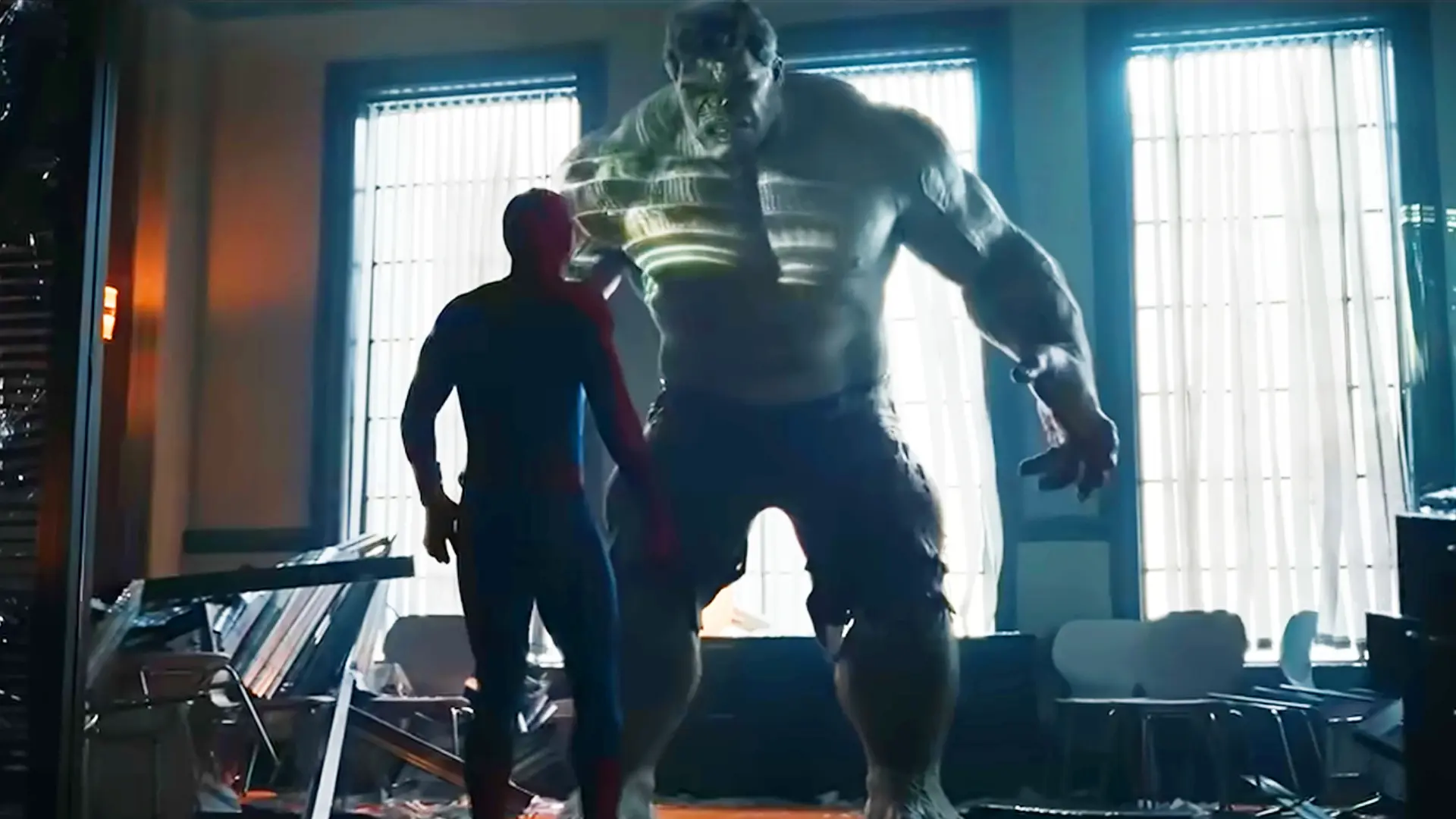
Jean Grey triggers Savage Hulk's return in Brand New Day, but the movie suggests she released an existing personality rather than creating one.