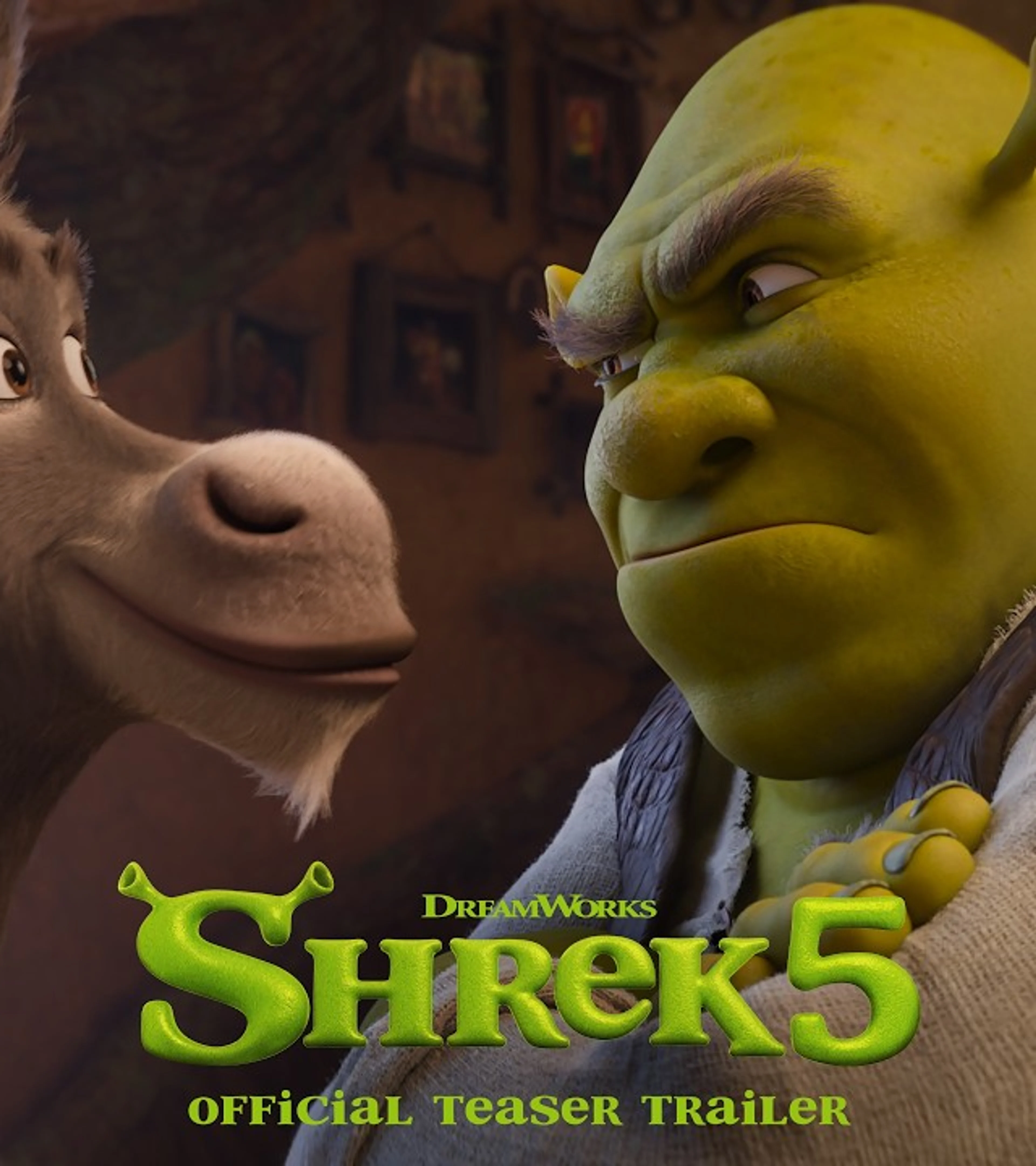
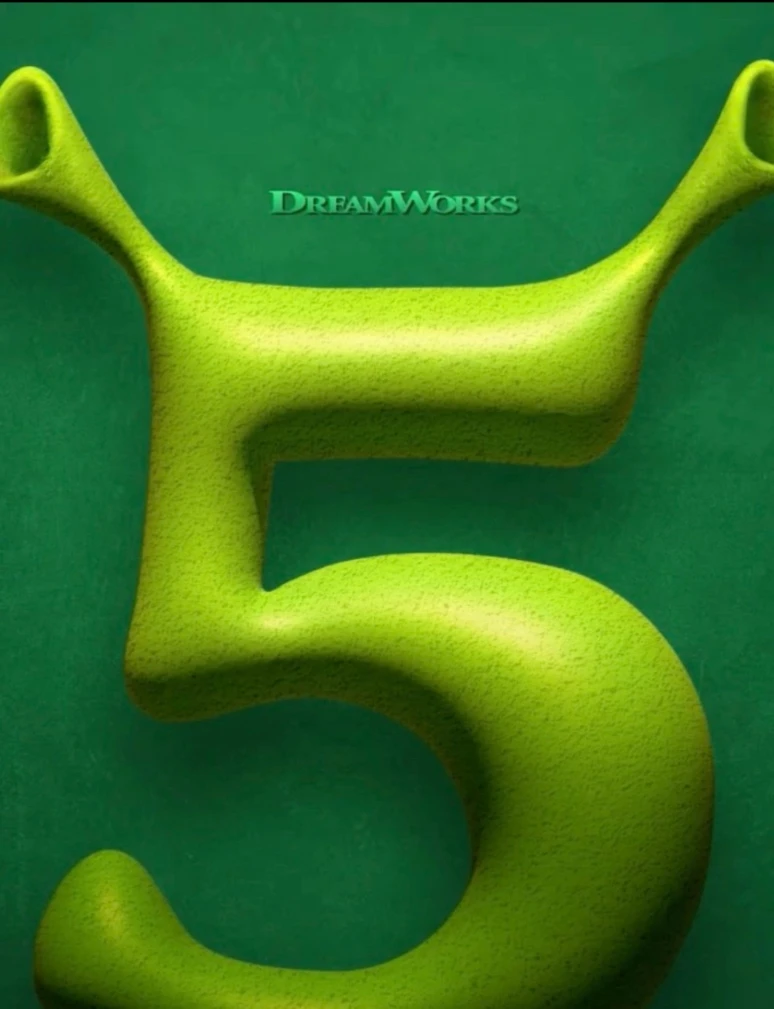
Shrek 5 has a first trailer out in the wild, and the immediate argument is not whether the swamp ogre is back. According to Entertainment Weekly, the trailer brings back Shrek, Donkey, and Fiona while sending the gang into a new big-city adventure. The sharper question is whether DreamWorks can revive the franchise’s old talent for fairy-tale chaos without sanding it into modern brand mush.
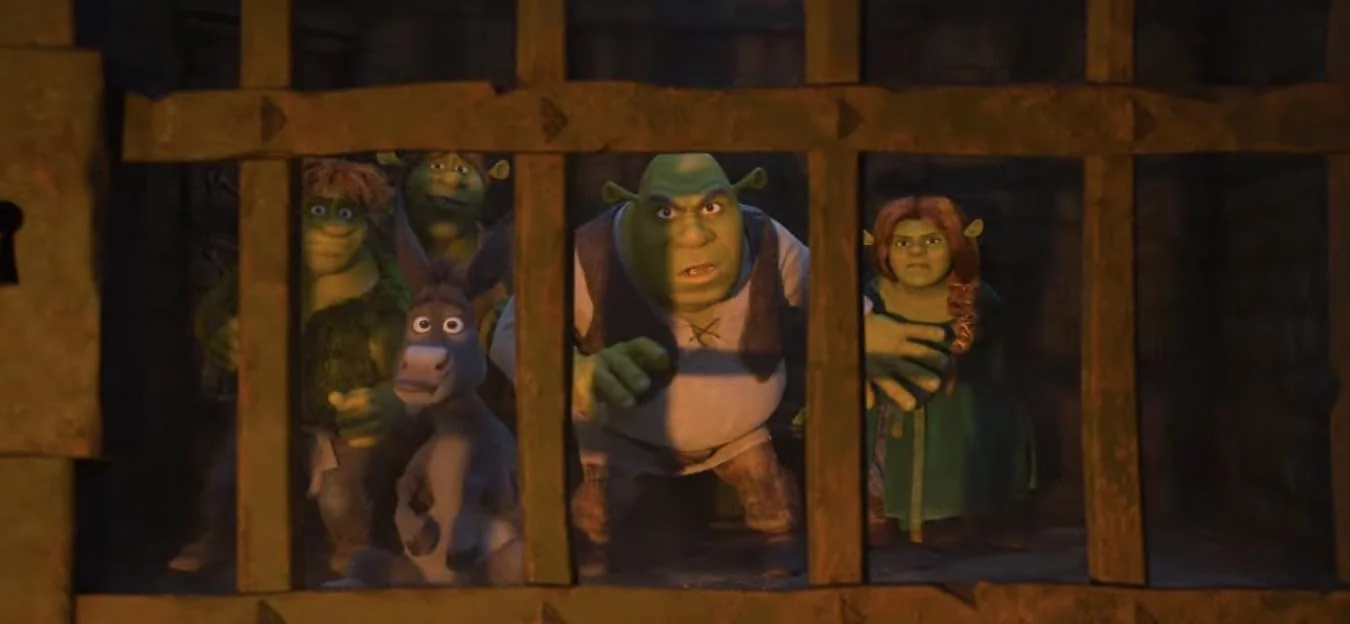
That tension is visible in the way the trailer is being discussed. CinemaBlend singled out a Frozen-style parody joke and the broader fairy-tale riffing around it, which is exactly the kind of referential swing Shrek used to build its whole personality on. Vulture, meanwhile, took aim at the updated animation style and compared the new look against the older Shrek visual identity. So the trailer is already doing two jobs at once: selling another trip with familiar characters and reopening the argument over what Shrek is supposed to look and feel like now.
The useful read is that Shrek 5 is not trying to hide from the franchise’s messier instincts. Based on the trailer coverage, it is leaning toward the old recipe: recognizable fairy-tale figures, pop-culture side-eye, a little noise, and the feeling that somebody in the room wants the joke to land before the sentiment does. That does not automatically mean the movie has its edge back. It means the trailer wants audiences to believe the edge is still in the drawer somewhere.
That distinction matters because Shrek’s whole deal has always depended on imbalance. Too sweet, and it becomes the exact glossy fairy-tale product it once mocked. Too snarky, and it turns into a parade of references with no emotional spine. The first trailer, as described by the sources, appears to push hard on the parody side, especially with that Frozen-style gag. Whether that reads as playful or desperate may depend on how much patience viewers still have for animated movies winking at other animated movies.
The Frozen-style joke is the cleanest flashpoint because it gives everyone something easy to sort themselves around. If you miss Shrek as a franchise that threw elbows at fairy-tale conventions, the joke may feel like a welcome sign that this sequel is not arriving in polite museum mode. If you think the series has been gone long enough that recycled parody energy risks feeling stale, the same gag may look like a franchise pointing at a bigger cultural phenomenon and hoping recognition does half the work.
Vulture’s criticism of the updated animation style adds a second, less meme-friendly but more important pressure point. Shrek’s older visual identity was never just character design; it was part of the joke. The swamp, the rubbery faces, the slightly grubby texture of the world — that visual oddness helped separate it from cleaner storybook fantasy. If the new movie looks too polished, some viewers will inevitably read that as evidence that the franchise has been dragged out of the mud and into the showroom.
Advertisement

To be clear, a trailer’s look is not the same thing as a finished film’s total effect, and the sources here are reacting to what has been shown publicly, not reviewing the movie. Still, trailer discourse matters for a series like this because Shrek is partly a memory object now. People are not just asking whether the jokes work. They are asking whether the shape of the faces, the rhythm of the gags, and the temperature of the parody match the version of Shrek they carry around in their heads.
Entertainment Weekly’s note that the trailer sets up a new big-city adventure also points to the sequel’s practical challenge. Moving Shrek, Donkey, and Fiona into a bigger, busier environment gives the movie more room for spectacle and more targets for parody. It also risks pulling the characters away from the specific comic contrast that made the swamp such a useful anchor. Shrek is funniest when the world bothers him and he bothers it back. A city can multiply that friction, but it can also flatten it into generic chase-and-crowd business if the jokes are not sharp enough.
The fan debate, then, is not as simple as nostalgia versus progress. A lot of the argument sits in the middle: audiences can want a Shrek movie that evolves visually while still feeling a little gross, loud, and allergic to perfect fairy-tale manners. They can want updated animation without losing the older visual attitude. They can want contemporary references without the movie behaving like a search bar with ogre ears. That is a narrow bridge to cross, and the trailer has already put DreamWorks on it.
There is also a tone problem that the movie will have to solve beyond the trailer. The packet’s best angle is that Shrek 5 seems to be reaching for the franchise’s slightly rude, referential energy again, but that should be treated as interpretation rather than a guarantee. A trailer can advertise irreverence in ten seconds. A feature has to sustain it without becoming exhausting, mean, or weirdly self-congratulatory about being naughty. Shrek worked best when the insult comic and the wounded romantic were stuck in the same green body.
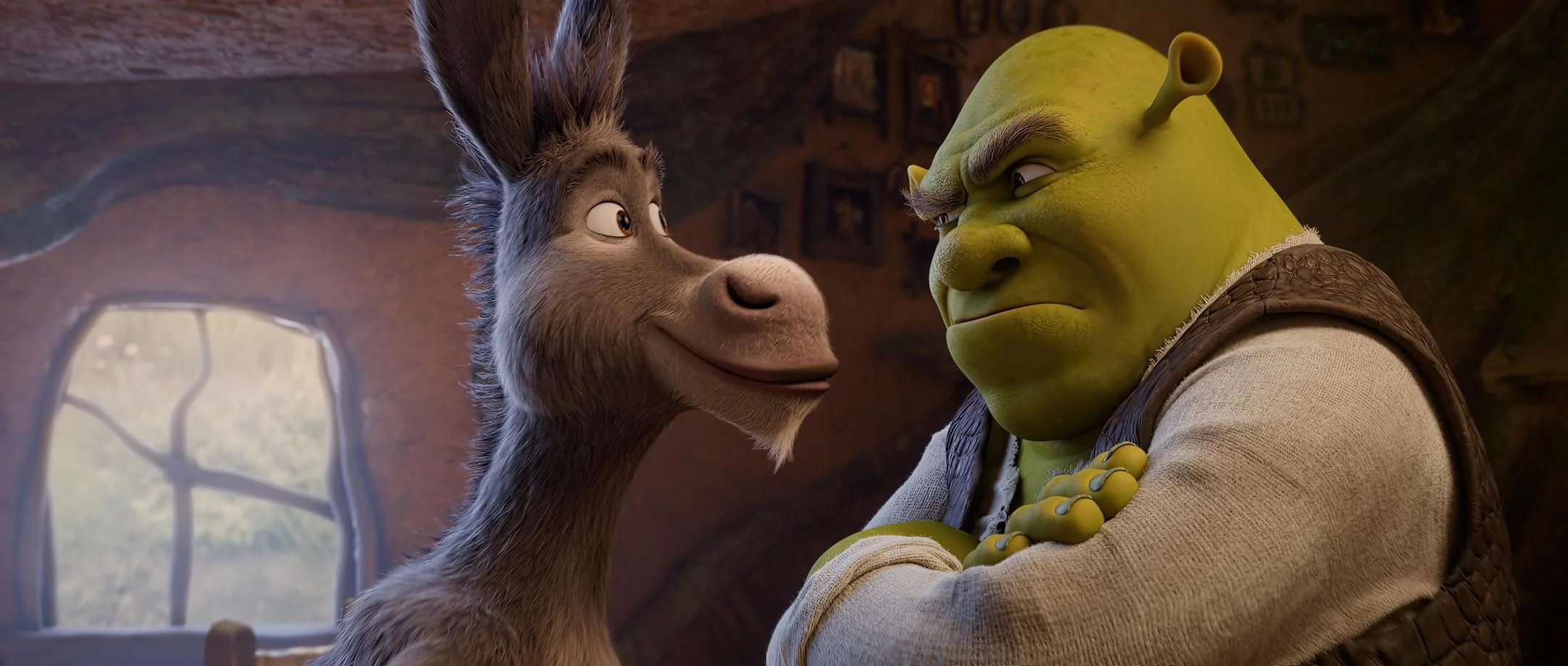
That is why the animation critique and the Frozen-style gag belong in the same conversation. One is about surface, the other about comedy, but both ask whether this sequel understands Shrek as more than IP inventory. The franchise’s appeal was never just that familiar characters returned. It was that fairy-tale order got shoved into a swamp, mocked, burped at, and somehow allowed to become sincere anyway. If Shrek 5 forgets either half of that equation, the discourse will notice fast.
The early takeaway is not that Shrek 5 is doomed, rescued, or secretly brilliant based on one trailer. The takeaway is that DreamWorks has made the exact trailer that invites a fight: old faces, a bigger setting, updated visuals, and parody aimed at fairy-tale culture that has moved on since the ogre first became the joke. Watch the next trailer for two things: whether the big-city adventure gives Shrek and Fiona actual comic pressure, and whether the references feel like jokes with teeth instead of brand-recognition confetti.