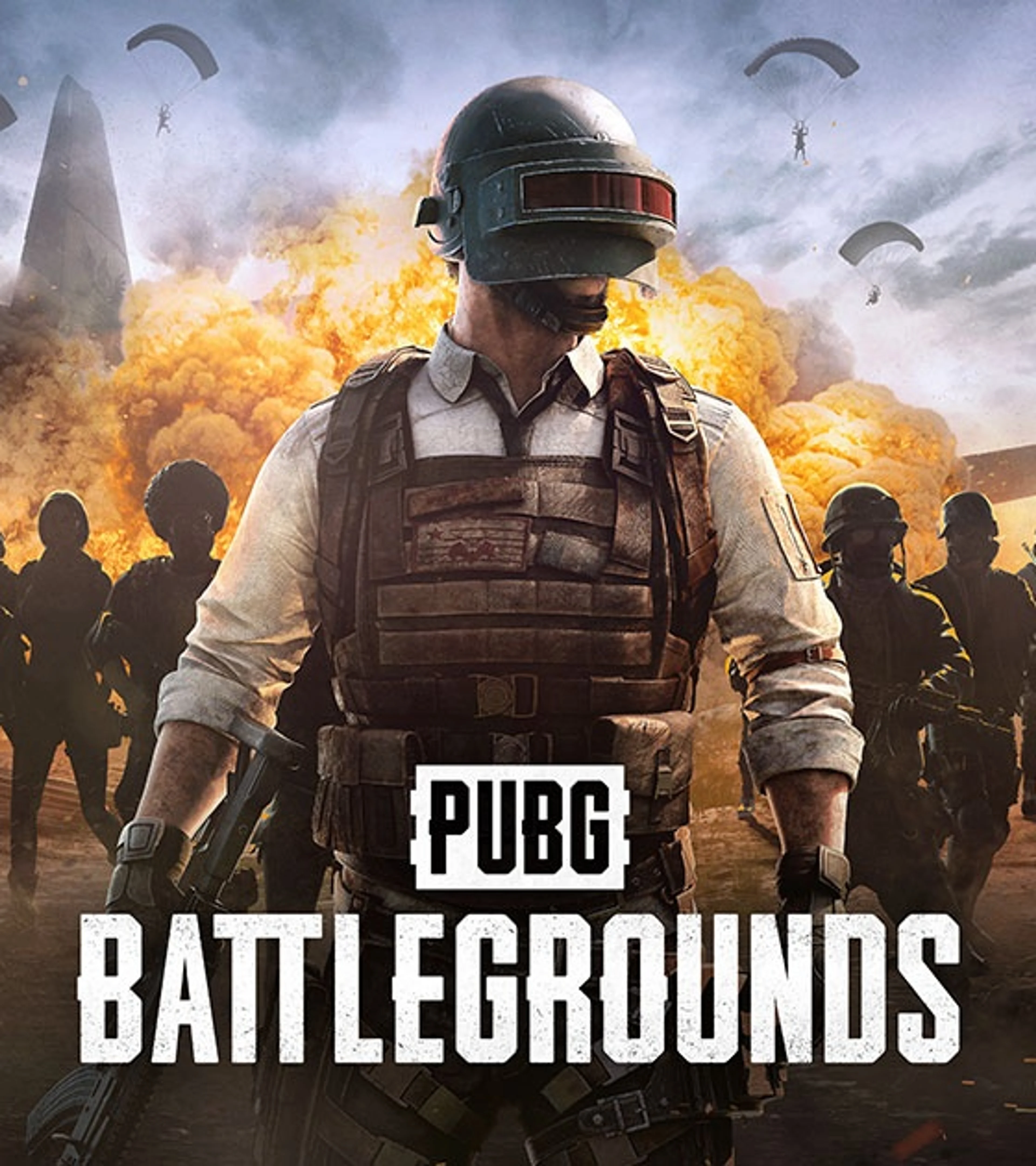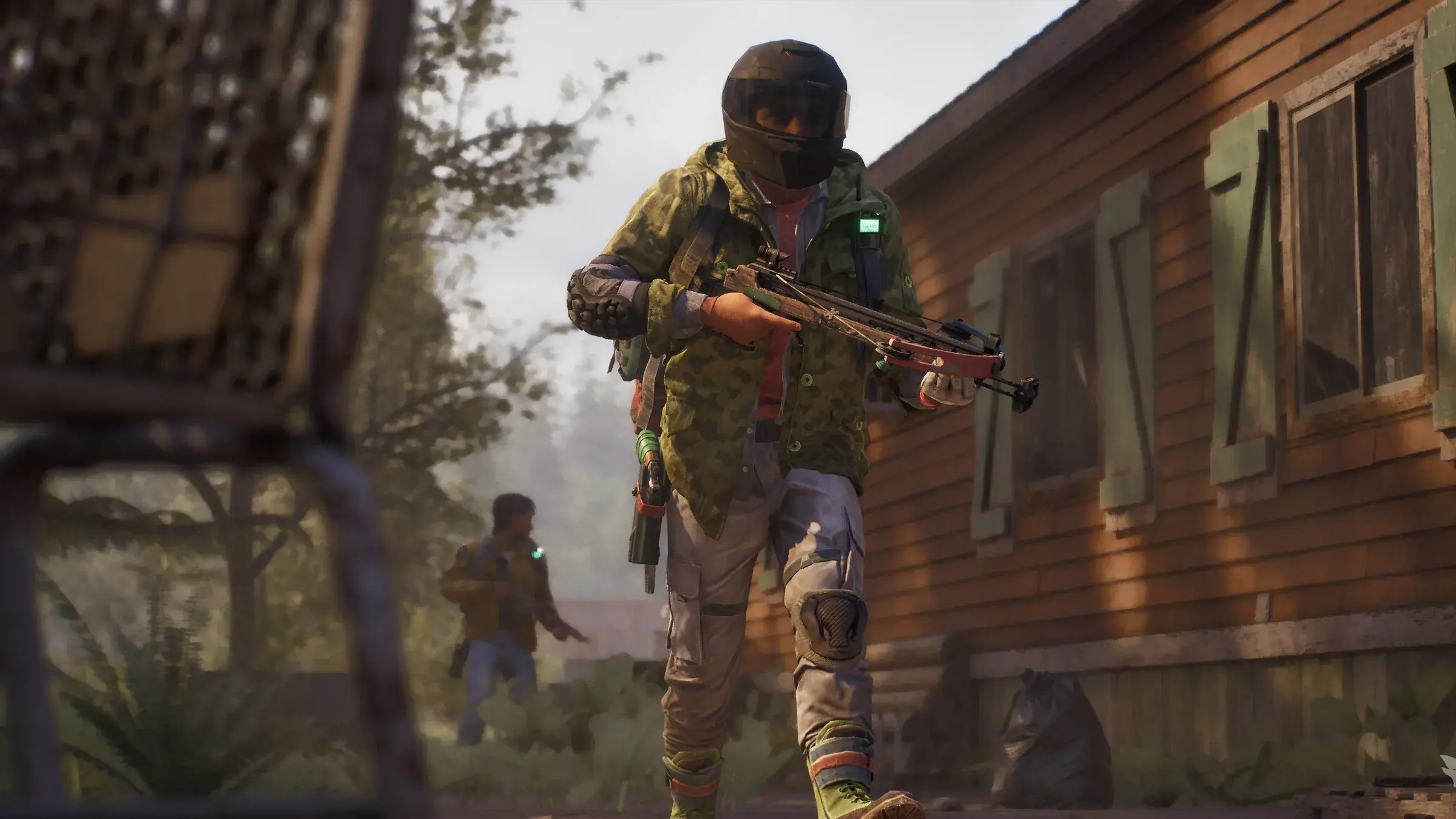

PUBG: DED.NET is not another battle royale. KRAFTON introduced it at Gamescom as a multiplayer first-person shooter with roguelite progression, set in a strange version of 1990s Cascadia. You scavenge, fight, make risky choices, and carry the consequences into the next run. The game has no release date yet, but its closed-beta waiting list is already open.
The title still carries PUBG's name, which makes the comparison unavoidable. The official material, however, puts DED.NET in a different lane. There is no promise of a shrinking circle or a last-player-standing match in the announcement. Instead, the pitch is a run-based survival shooter filled with scavenging, abilities, occult threats, and enemies that do not look like ordinary soldiers.
A New Kind of PUBG Game
PUBG: Battlegrounds made its reputation with a clear rule: land, loot, survive, and be the last player standing. DED.NET starts with a different question: what can you bring back from a dangerous run, and what changes after you lose it? The official tagline, “Death is Only the Beginning,” points to a loop in which failure is part of the structure rather than the end of a match.
That makes DED.NET closer to a multiplayer FPS built around repeated expeditions than to a direct sequel. The Steam listing calls out roguelite progression, while the announcement materials describe scavenging that affects what comes next. The team has not explained every progression screen yet, so it is too early to say how much equipment, character growth, or world change carries between attempts.
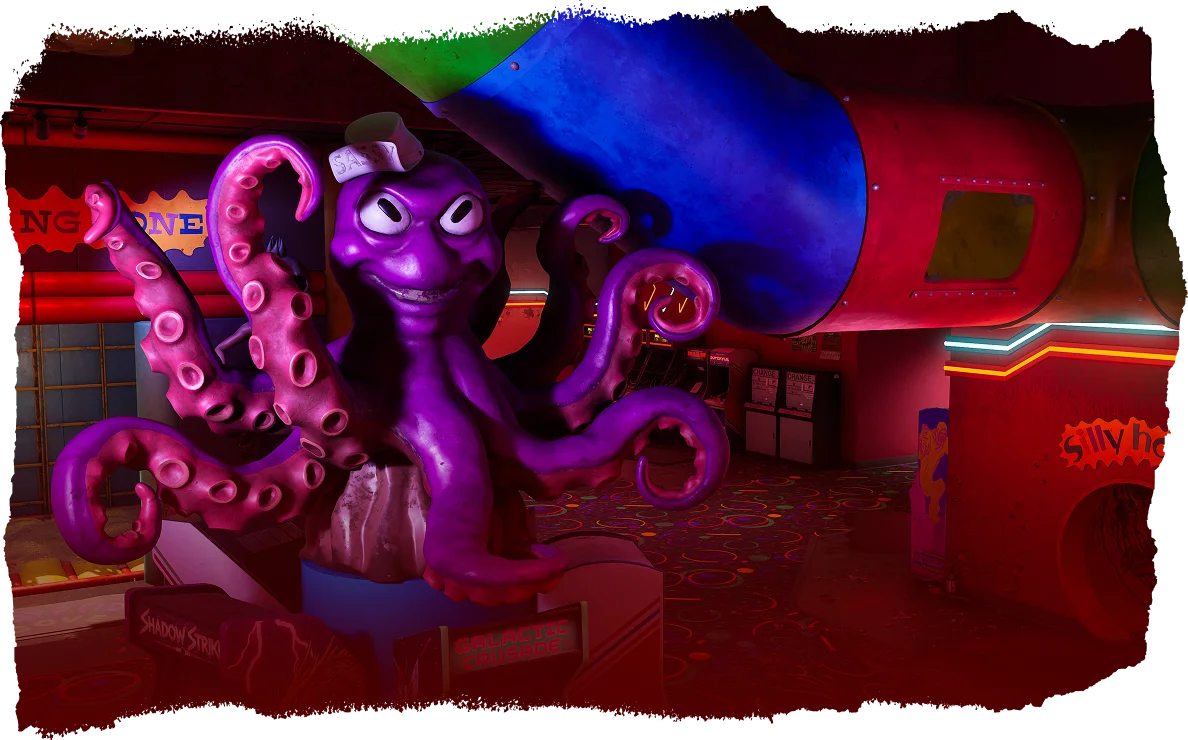
A 1990s Setting With a Horror Problem
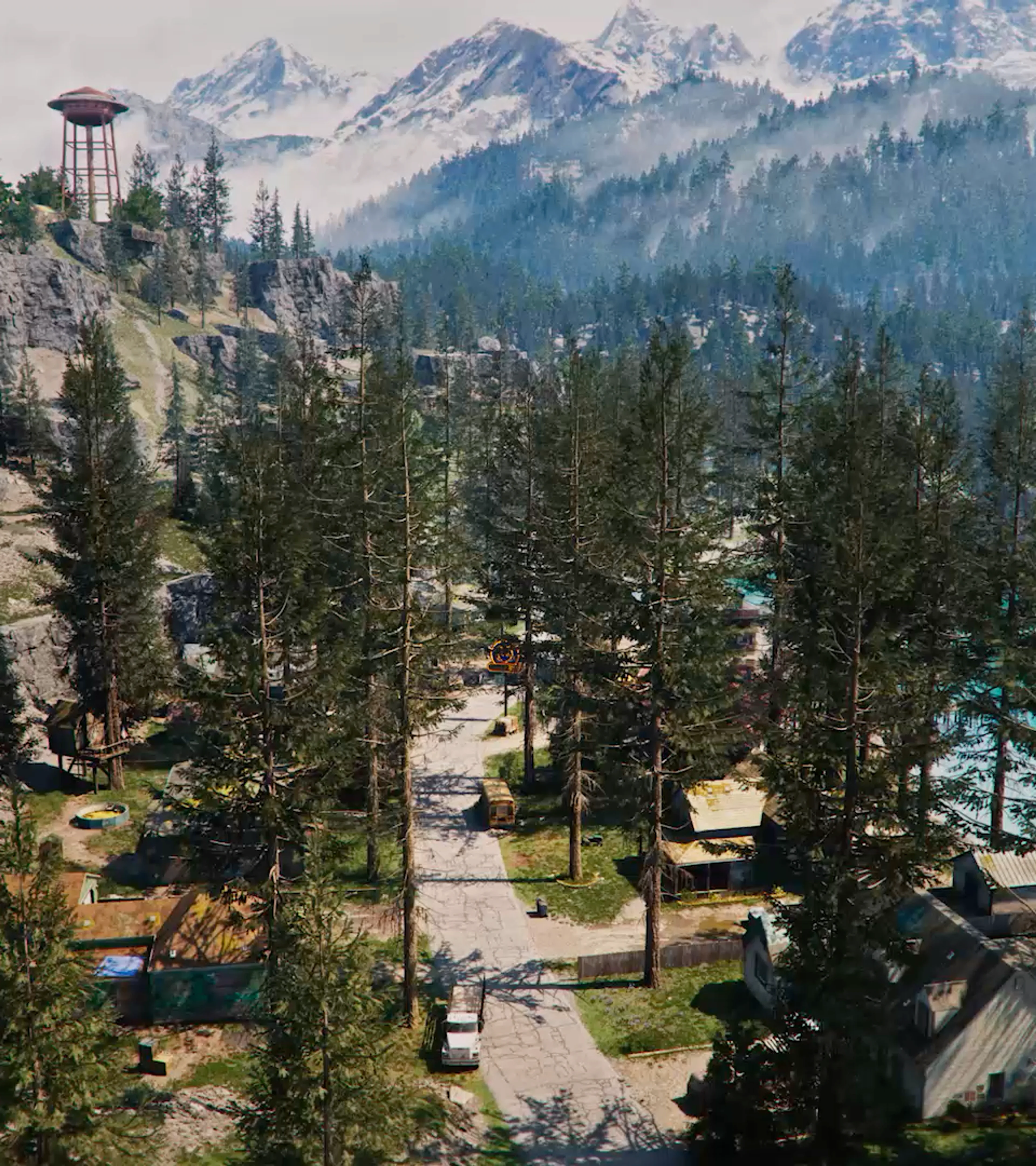
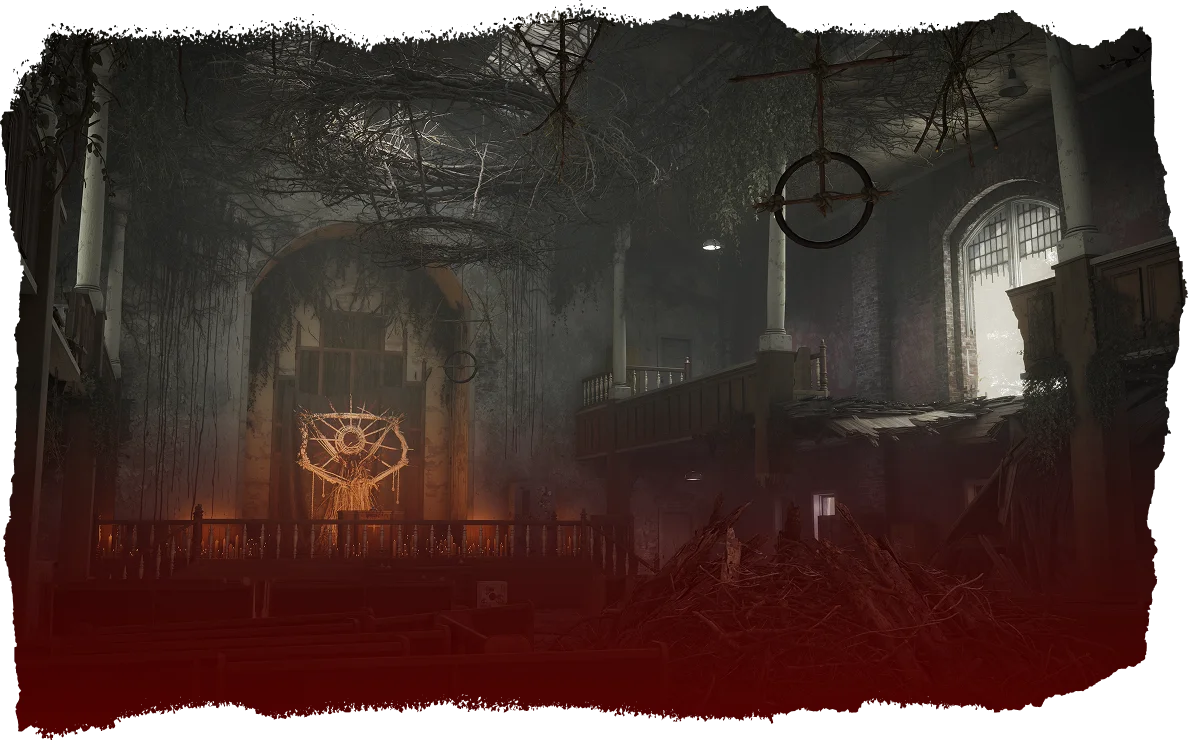
DED.NET takes place in Cascadia during the 1990s, a setting the official site fills with wet roads, aging buildings, forests, and the uneasy look of a town that has been left alone too long. It is not a glossy military playground. The visuals lean into grunge, body horror, and the occult, with locations such as Cryptid Cove and a church tied to a strange cult appearing in the reveal material.
The period setting is more than a color filter. Payphones, old cars, arcades, and analog equipment give the player a different set of objects to read and use. They also help DED.NET separate itself from the modern weapons and familiar military spaces associated with PUBG. The result looks like a survival trip through a regional nightmare, not a tournament broadcast from a war zone.
Death Changes the Next Run
The most interesting idea in the announcement is the run itself. DED.NET asks players to search dangerous spaces for resources while deciding how much longer they can stay. A safe exit may mean leaving useful gear behind; a greedy push may uncover something valuable and end the run. That tension is the reason the roguelite label matters here. It gives each trip a consequence beyond a scoreboard result.
The developer has not shown enough of the progression system to explain the exact rewards or penalties. We do know the official site treats death as a reset with a purpose, and the game is built around learning from each attempt. That could support a strong co-operative rhythm, but the announcement has not confirmed the final team size, matchmaking rules, or whether every mode will use the same loop.
Abilities Make the Shooter Less Ordinary
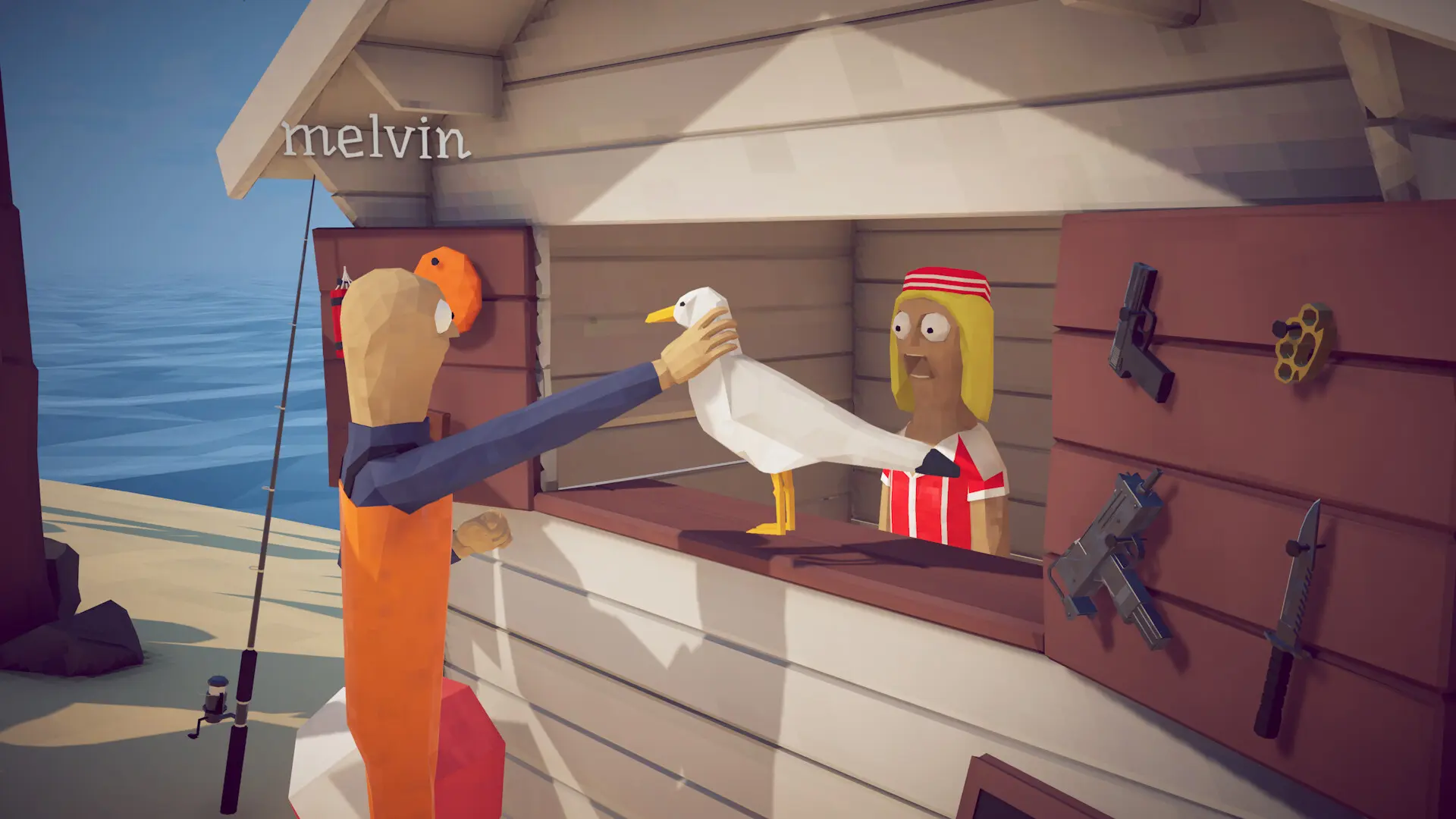
DED.NET is not built around shooting alone. The material shown so far teases abilities and improvised tactics that can change how a player approaches a fight. A car door can become a moving shield. Playing dead can create an opening. Payphones can be hacked, and one especially grim option involves taking health from an enemy by cannibalizing it.
Those examples are useful because they show the intended tone: desperate, practical, and a little unpleasant. The game wants players to look at a room and see more than cover and targets. The official pages do not yet explain cooldowns, loadouts, or how these abilities interact in a full squad, so the reveal should be read as a statement of direction rather than a complete mechanics list.
Cryptid Cove Is the First Big Hook
The name Cryptid Cove does a lot of work. It suggests the map is not just a backdrop for human firefights, and the images show creatures that would not fit into a standard PUBG match. A cult church and other occult spaces add another layer, hinting that the threat may come from a local mystery as much as from the players sharing the map.
KRAFTON has not laid out the story in detail, and it has not said whether DED.NET is built around a campaign, a series of missions, or a loose setting that supports repeatable matches. That uncertainty is fine at this stage. The important part is that the first look gives the game a distinct identity before the studio starts explaining every system.
Platforms, Beta, and the Missing Release Date
PUBG: DED.NET is listed for PC, PlayStation 5, and Xbox Series X|S. PUBG Madison is the developer, with KRAFTON publishing. None of the official store pages checked for this article gives a launch date, and the announcement does not promise a specific early-access window.
Players can register for the closed-beta waiting list through the official DED.NET site with a KRAFTON account. Joining the list is not the same as receiving an invitation, and KRAFTON has not published the test dates, regions, or final selection process. Those details will matter to anyone who wants to see whether the run-based loop works with real squads.
One other detail appears on the Steam page: a disclosure that the game includes AI-generated content. That label does not explain how much of the project uses those tools or which assets it covers. It is simply part of the store information currently available, so it should not be treated as a verdict on the game's art or production until KRAFTON provides more detail.
What We Still Need to See
The reveal establishes the setting and the mood, but the practical questions are still open. How long is a run? What happens to equipment after death? Can players extract together, betray each other, or split up to cover more ground? Does the world change between attempts, or does progression happen only through a character's abilities and gear?
Those answers will decide whether DED.NET feels like a real new direction or a collection of horror ideas around a shooter. A longer gameplay demonstration should also show how the creatures behave, how the occult locations connect to the objective, and whether the 1990s setting changes the tools players use rather than only the game's look.
Why the PUBG Name Still Matters
Using PUBG in the title gives DED.NET an audience immediately, but it also sets a high bar. Fans of PUBG: Battlegrounds will recognize the weapon handling and survival instincts, yet DED.NET needs to earn attention with its own rules. The 1990s horror setting, run-based progression, and strange abilities are the parts that make the project worth following. If the finished game leans too heavily on the old name, the new ideas could disappear under the comparison.
Right now, the split is clear enough: Battlegrounds is the competitive battle royale, while DED.NET is shaping up as a darker multiplayer shooter about surviving one more trip. The next test will show whether those two identities can coexist under the same publisher without one feeling like a reskin of the other.
DED.NET was one of the more unusual games announced during Gamescom. Our Gamescom 2026 Opening Night Live guide tracks the wider showcase, while the official waiting list is the place to watch for the first beta dates.