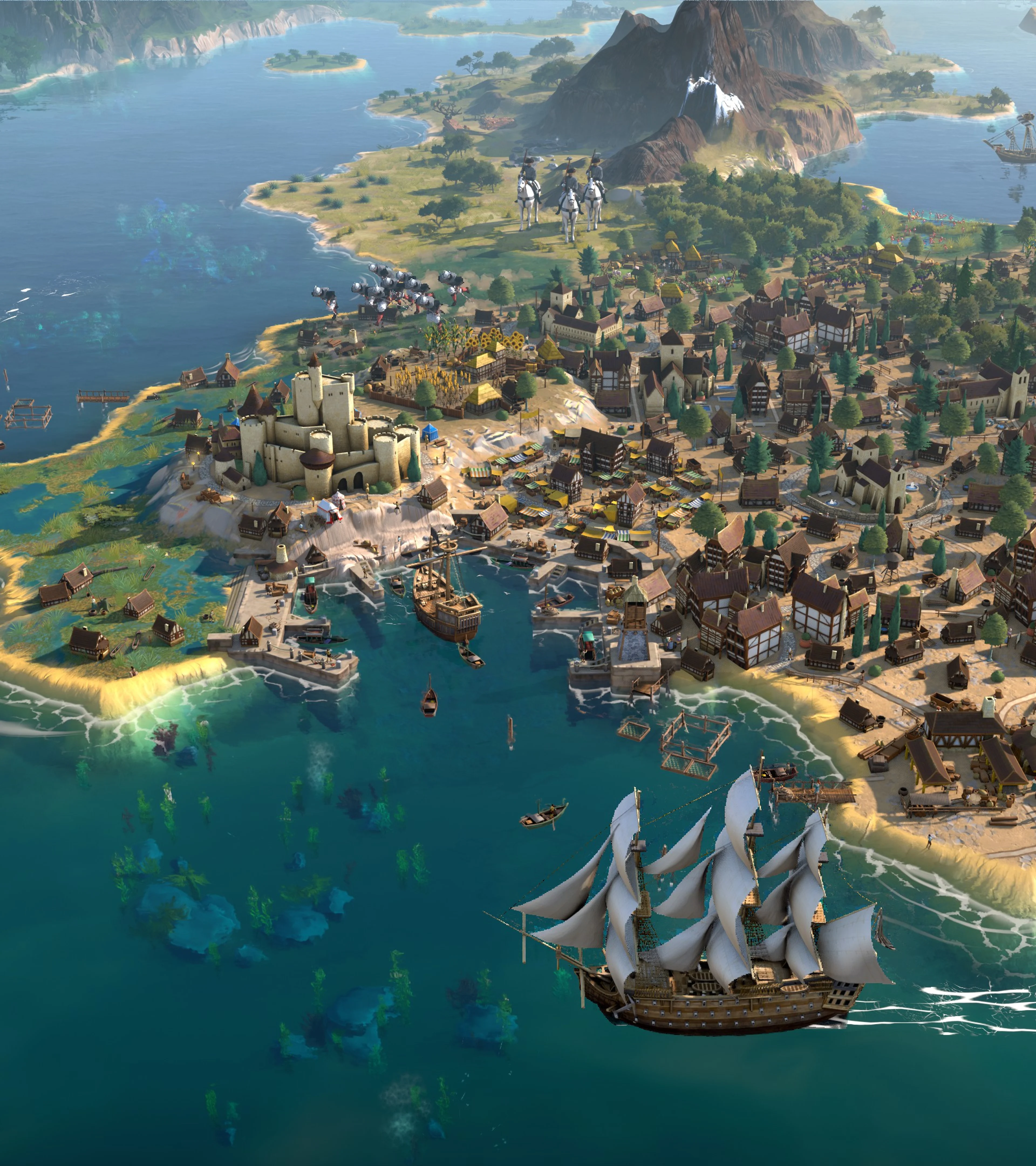

HUMANKIND 2 is official, but its first Gamescom trailer started a different conversation. Amplitude announced the historical strategy sequel for PC in 2027, then had to explain why viewers thought the live-action footage looked AI-generated. The game reveal and the trailer dispute are related, but they are not the same story.
Amplitude says the trailer used real actors, practical sets, and custom-made props. That answers how the live-action scenes were filmed. It does not confirm how every digital effect was made, so the careful version is a production statement rather than a claim that no generative tools appeared anywhere in the final video.
The Trailer Became the Story
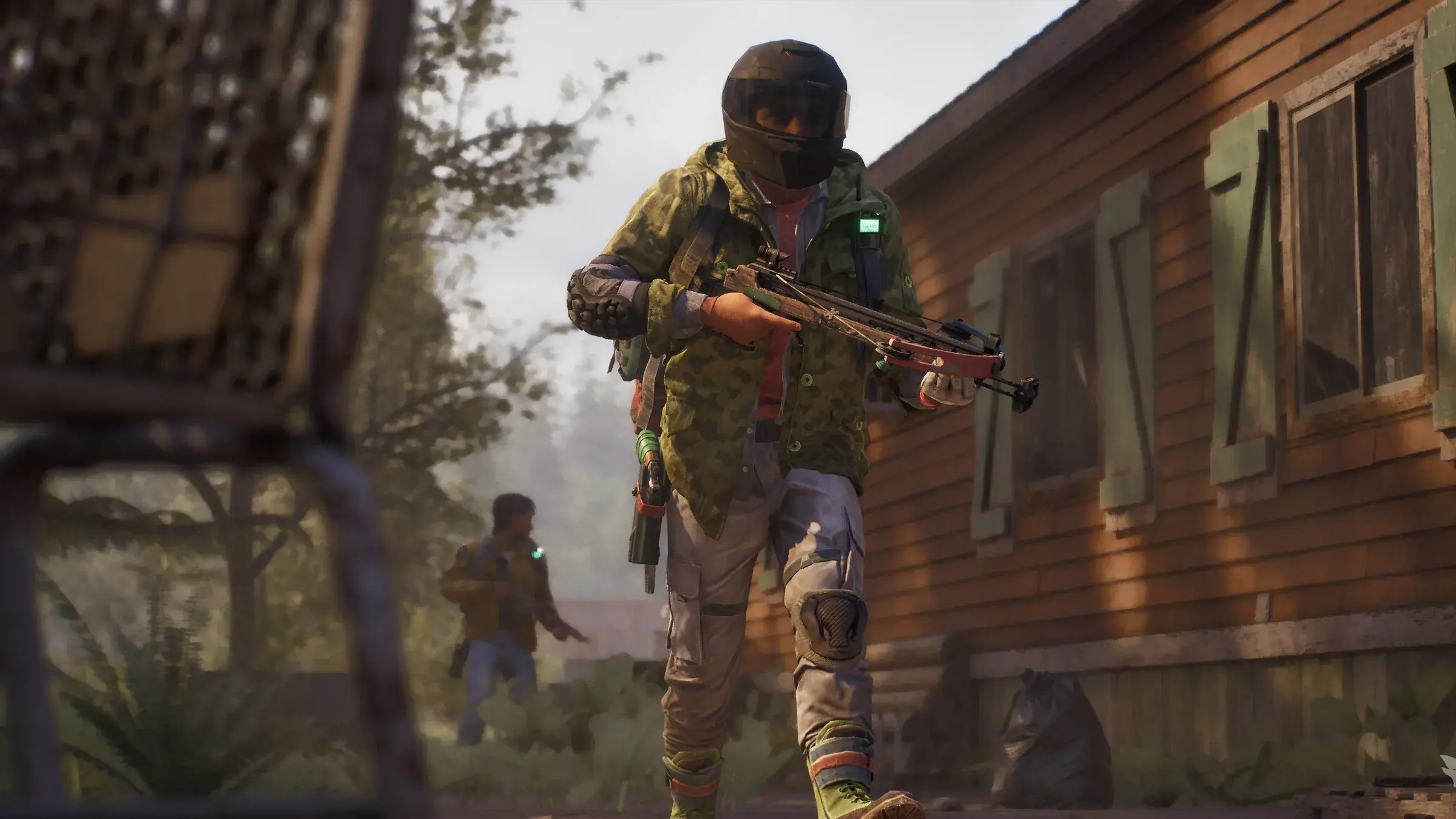
The announcement moves through different periods of human history from the viewpoint of a baby being held by people from each era. A prehistoric woman, a Viking, settlers, explosions, and other large background scenes appear in quick succession. The fisheye lens, smooth faces, and clean compositing made some viewers ask the same question that now follows almost every unusual game commercial: was this made with AI?
The question spread before the game itself had time to settle in. The trailer showed almost no interface and did not explain the systems that make HUMANKIND different from other 4X strategy games. Amplitude's response became the most discussed detail of the reveal, even though the project has a full Steam page and a clear strategy pitch behind it.
What Amplitude Actually Confirmed
Amplitude told PC Gamer that the live-action announcement was filmed at Nu Boyana Film Studios in Sofia. The production used real actors, practical sets, and props made for the shoot, and the studio said it would share behind-the-scenes images. That is specific evidence about the physical production instead of a vague denial posted after the reaction had already spread.
The statement stops short of explaining the trailer's visual effects. The background disasters, space shots, and historical transitions may include ordinary digital compositing, but Amplitude has not published a technical breakdown. A real set and computer effects can exist in the same trailer, so neither side needs to be treated as an all-or-nothing answer.
Why It Looked Like AI
The suspicion came from the style, not from a confirmed production leak. Close-up faces stare directly into a wide-angle camera while impossible environments appear behind them. The lighting is even, the camera moves smoothly, and the montage jumps across thousands of years without showing the seams. Those choices overlap with the visual habits of generated video, even when a crew filmed the foreground in a studio.
That does not make the accusation correct. It shows how quickly audiences now read an unfamiliar visual style as a sign of automation. Amplitude's promised behind-the-scenes photos may clarify the sets and performers, but they still may not answer how the digital backgrounds were finished.
What HUMANKIND 2 Is
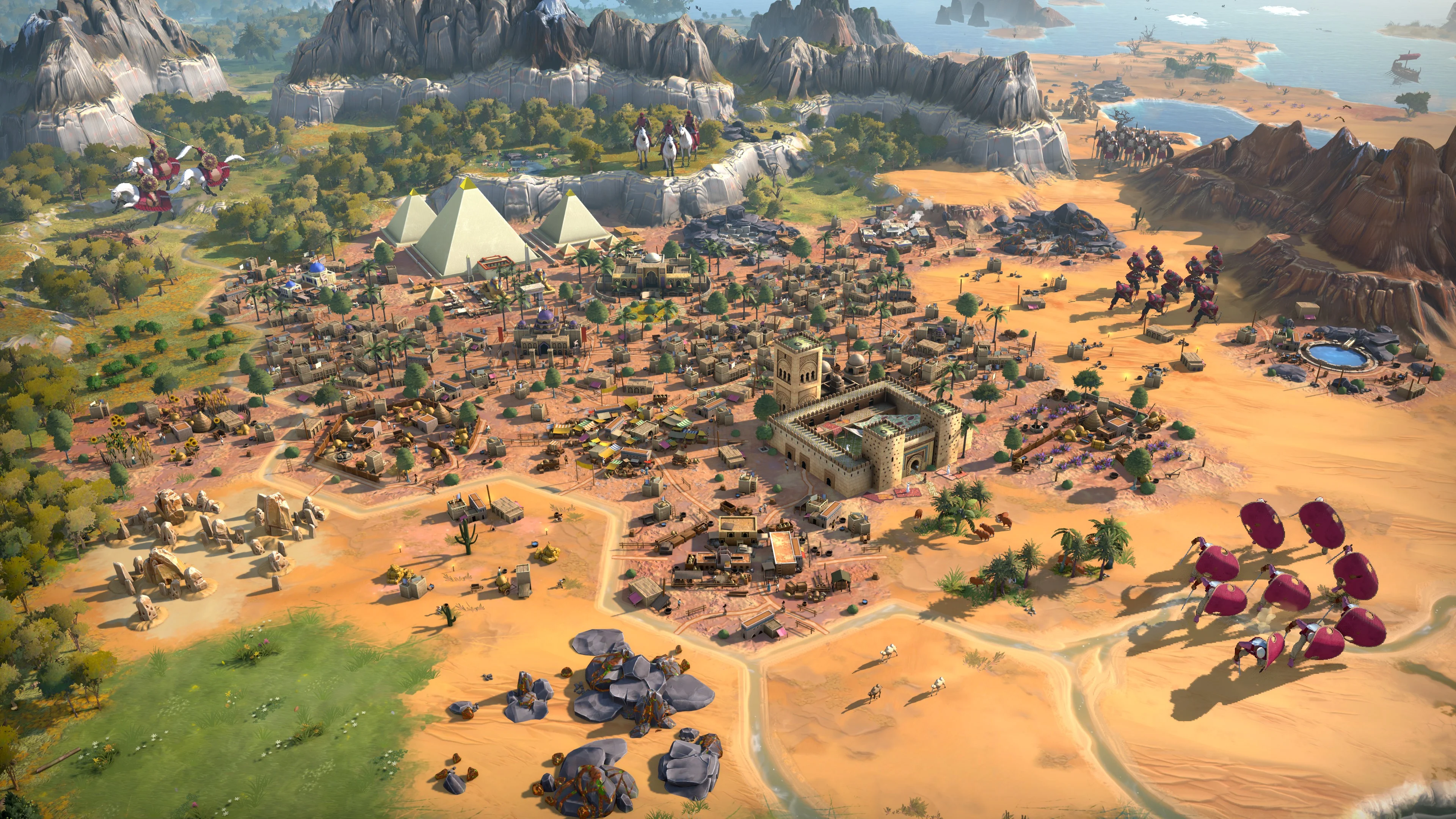
Behind the trailer, HUMANKIND 2 is a turn-based historical 4X strategy game. Players lead a civilization from ancient times into the Modern Age, develop cities, trade or fight with neighboring powers, and combine cultural choices as the campaign moves forward. The series' central idea is that a civilization changes through the cultures it adopts rather than staying tied to one fixed identity.
The official reveal describes the sequel as a new cultural journey built from player feedback and the studio's experience with the first game. The Steam page expands that description with evolving cultures, armies, alliances, new stories from around the world, and a climate system that can change the strategic map. Those are the mechanics players need to see next; the live-action trailer cannot demonstrate them.
What the Sequel Is Changing
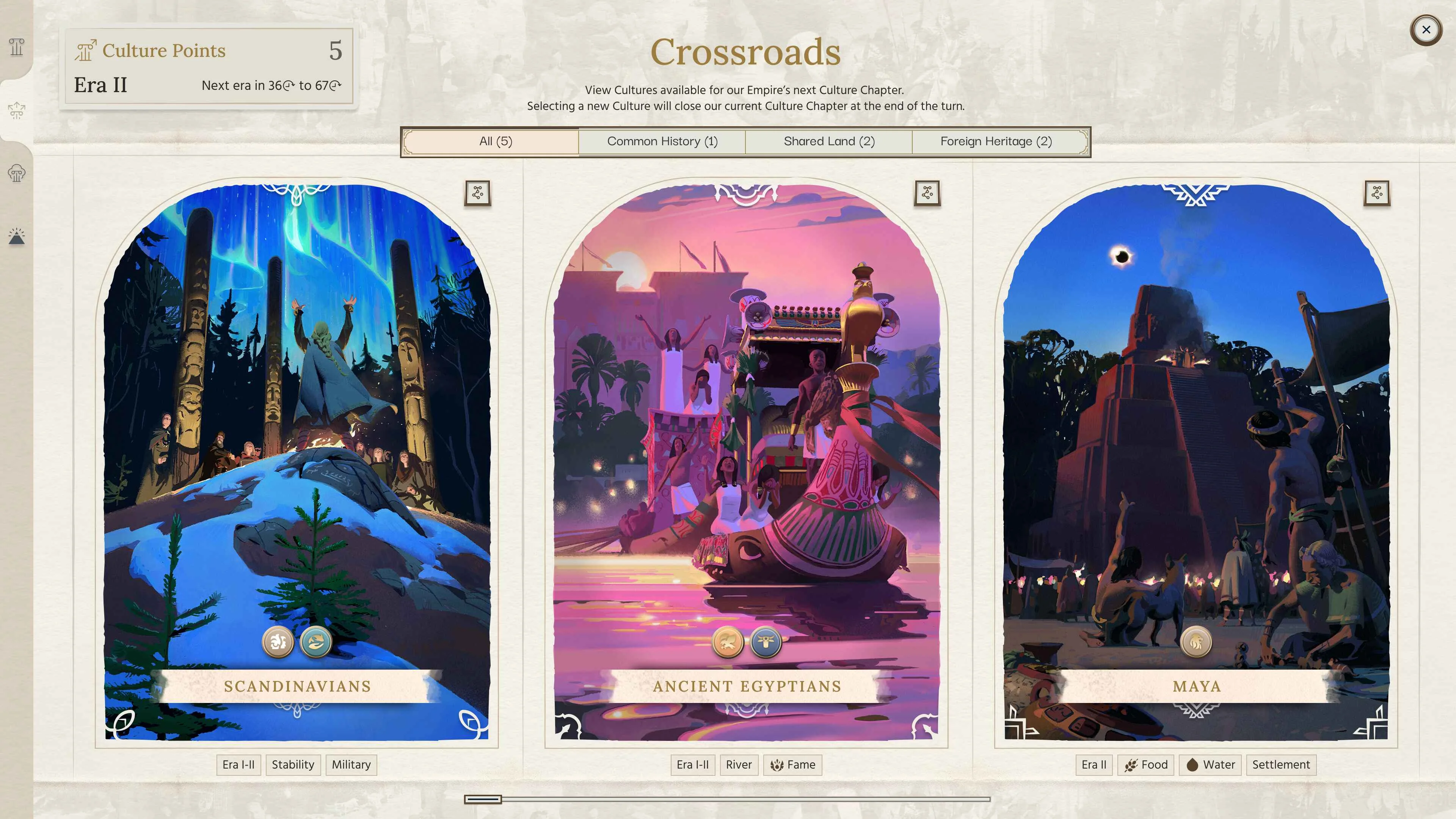
Amplitude and the Steam listing point to deeper cultural progression trees, with customs that can build on earlier choices. A player can follow a historical path or combine influences into a civilization that takes a different direction. The climate system adds another pressure: changing environments can affect cities, resources, and the route a campaign takes across the map.
The sequel also promises a modernized interface and general gameplay improvements. The studio has not shown enough detail to judge how those changes solve the first game's weaker areas, and it has not published a full feature list. For now, the confirmed material describes a broader version of the original formula rather than a complete redesign.
Release, Platform, and the Missing Details
HUMANKIND 2 is planned for PC in 2027. Its Steam page lists single-player and multiplayer support, but there is no specific launch date and no console version announced in the material checked for this article. The page already includes minimum and recommended PC requirements, although those numbers can change before release.
Amplitude also says it is planning opportunities for players to try the game before launch and use their feedback during development. That could answer more practical questions than another cinematic trailer: how turns flow, how cultures change in a real campaign, how climate affects decisions, and whether multiplayer handles the series' biggest systems cleanly.
The Studio Still Has to Show the Game
The AI argument is a marketing problem, not a gameplay verdict. Amplitude has given a concrete account of the live-action shoot, but the trailer still left many viewers unsure what they were looking at. The fastest way to move the conversation forward is to show the strategy layer and release the promised behind-the-scenes material without pretending that a production explanation replaces gameplay.
HUMANKIND 2 has a clear audience waiting for a new historical 4X, and the official feature list gives that audience real reasons to pay attention. It also has to prove that the sequel improves the long campaigns, cultural decisions, and interface instead of only presenting a better-looking announcement. A playable build will answer that far better than a debate over one trailer's lighting.
HUMANKIND 2 Has a Game to Prove
The sequel is confirmed, the 2027 PC window is public, and the studio has explained the physical production behind its unusual reveal. The remaining questions belong to the game itself: how much the climate system changes a campaign, how deep the culture trees go, and whether the new interface makes a large strategy map easier to manage.
The next updates will likely arrive through gameplay footage and player tests. Our Gamescom 2026 Opening Night Live guide has the wider showcase schedule and other confirmed announcements.