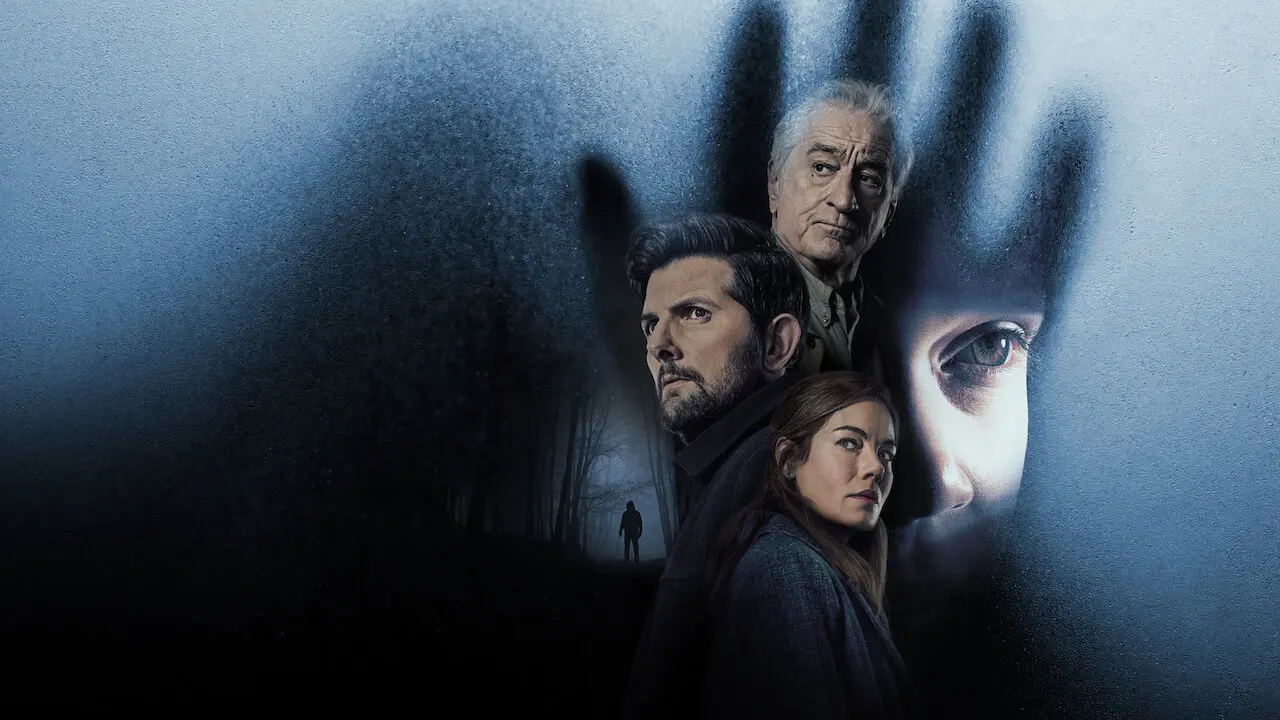
Obsession has finished its U.S. theatrical run, but the horror movie is still climbing overseas. The Focus Features release has reached $501.5 million worldwide, making it the first original film released in the 2020s to pass $500 million. It has also moved ahead of Pixar’s Elemental, which finished with $494.6 million, to become the highest-grossing original movie of the post-pandemic era.
The number could still move higher. South Korea had not been counted in the latest total, so the film’s final worldwide figure is not locked yet. Even before that last market reports, though, Obsession has already become one of the strangest theatrical success stories in years: an original horror movie, made for less than $1 million, playing in the same box-office conversation as major studio releases.
A $17.1 million opening became a $500 million run
Obsession opened in the United States with $17.1 million and eventually finished its domestic run at $263.4 million. Its overseas total reached $238.1 million, bringing the reported global total to $501.5 million.
The opening itself was solid, but the legs changed the story. Instead of disappearing after the first weekend, the film kept finding viewers and then added a substantial international run after its U.S. finish. That kind of staying power is difficult for any horror release; it is even less common when the title is not attached to a preexisting series.
This is not a superhero or sequel win
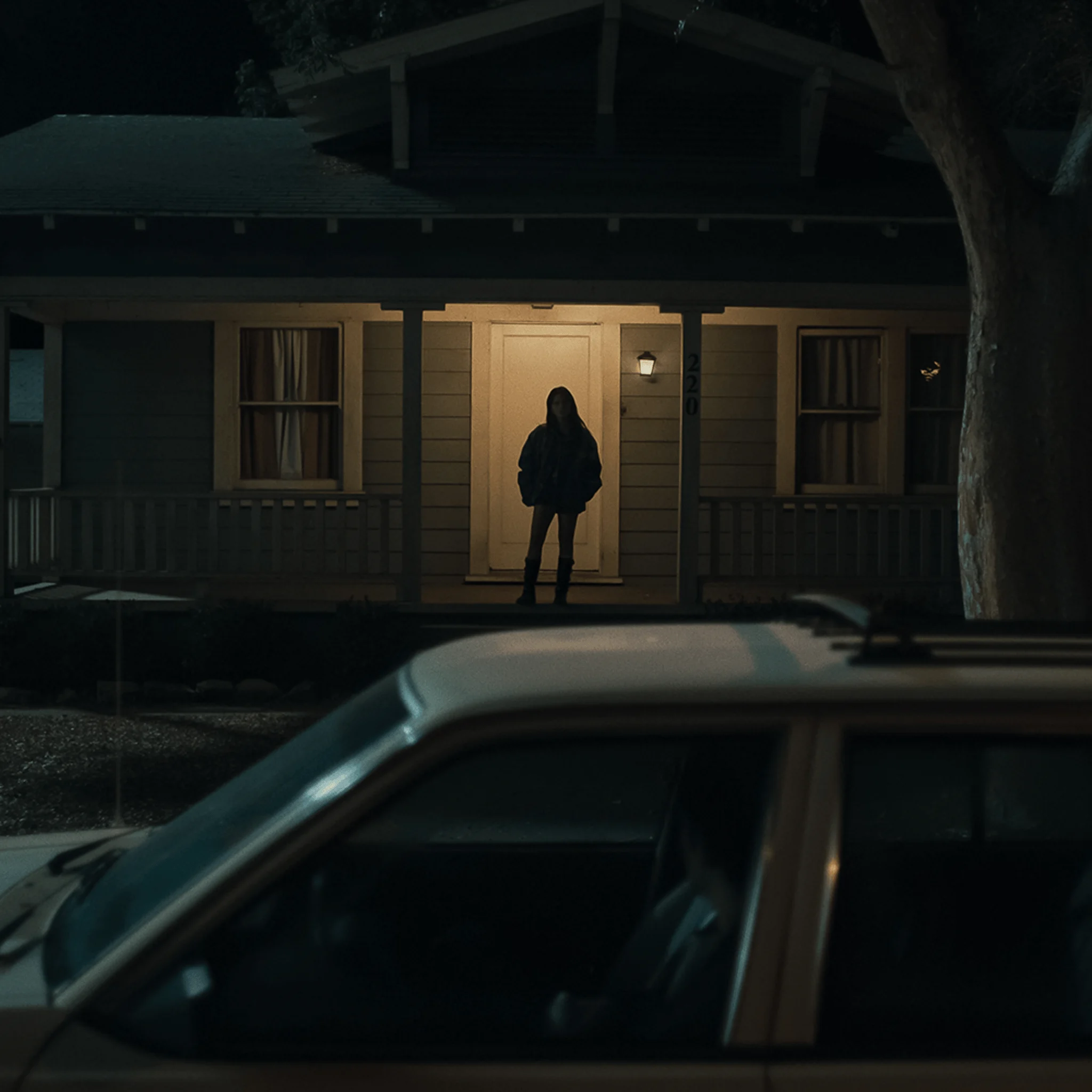
Obsession did not arrive with a comic-book character, a decades-old horror villain, or a built-in fanbase waiting for the next chapter. It had a new title, new characters, and a premise audiences had to understand from the marketing and word of mouth.
Passing Elemental is not a perfect apples-to-apples comparison. Pixar’s movie had the reach of a major animation brand, while Obsession is a darker, R-rated genre film. The comparison is still useful because it shows how far this one original story traveled. The film is now above the biggest original releases from a period when theaters have leaned heavily on sequels, remakes, and established universes.
The premise fits in one unsettling sentence
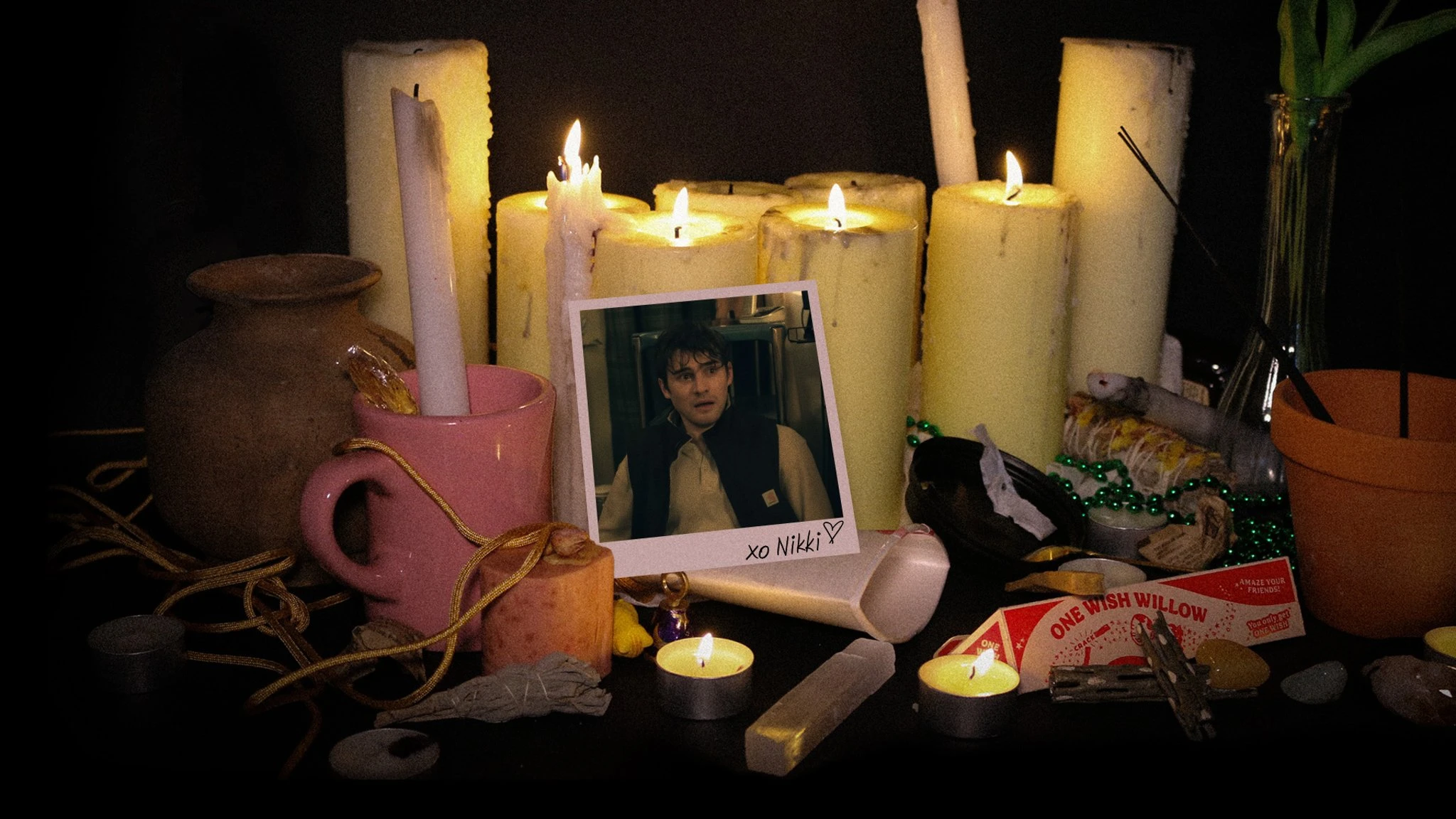
Curry Barker wrote and directed Obsession, which stars Inde Navarrette and Michael Johnston. The story follows a hopeless romantic who uses the mysterious One Wish Willow to make his crush love him. The wish works, but the relationship becomes something far more frightening than he wanted.
That is a clean hook: desire, a supernatural shortcut, and the terrible version of getting exactly what you asked for. It does not explain every turn in the movie, but it gives people an immediate reason to click a trailer, talk about the concept, or tell a friend what they just watched.
The budget is the part Hollywood will watch
Obsession is also being reported as the highest-grossing festival acquisition ever made for under $1 million, as well as the highest-grossing film produced below that budget line. The Associated Press previously reported a production budget of about $750,000, while the current box-office report uses the broader under-$1 million category.
A box-office total is not the same thing as profit. Theaters keep a share of ticket sales, distributors and exhibitors have different agreements, and marketing costs are not included in the production budget. The result is still enormous: a tiny production reached a worldwide audience at a scale normally associated with a much larger release.
For Barker, the path is part of the story. He built an audience through online horror work before making the jump to a studio-backed feature. Focus Features and Blumhouse gave the film a theatrical home, but viewers still had to decide that a strange new horror title was worth leaving the house for.
That path connects with the larger shift we explored in our guide to why internet horror is moving into theaters. Obsession is a much bigger result, but both stories point to audiences following creators and concepts across formats.
What Obsession’s run actually proves
It does not mean every microbudget horror film is about to make half a billion dollars. Obsession is an extreme outlier, and its theatrical distribution, timing, marketing, and audience response all mattered. Copying the budget without copying the idea would not recreate the result.
It does prove that original horror can still become a theatrical event when the hook is clear and viewers keep recommending it. The movie did not need a giant universe around it to grow. It needed people to be curious, then convinced enough to bring someone else along.
With South Korea still ahead, where do you think Obsession’s final worldwide total will land?