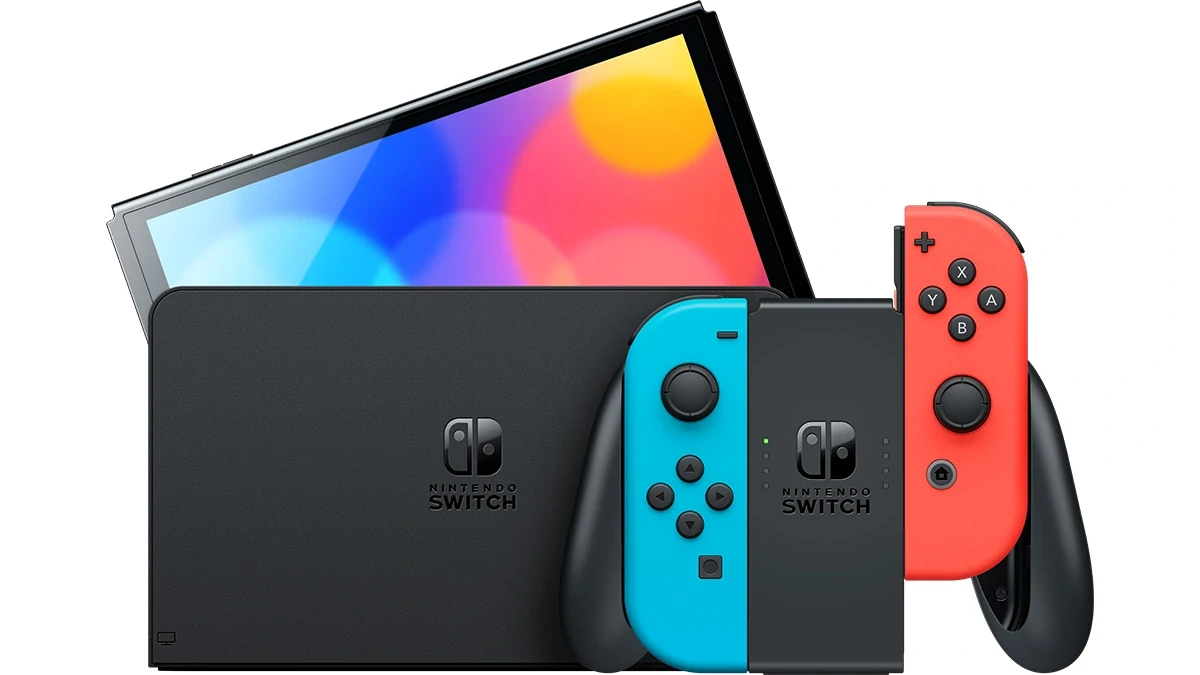
Nintendo of America has won $4.5 million and a permanent injunction in its Switch piracy lawsuit against James C. Williams, who used the name Archbox online.
The federal court entered a default judgment on September 23 because Williams did not respond to the lawsuit. The case did not reach a contested trial or a jury verdict.
What did the court order?
The judgment awards Nintendo $4.5 million in statutory copyright damages. It also orders Williams to disable online shops under his control that offered pirated Nintendo Switch games.
The injunction reaches social accounts, Discord servers, Telegram accounts, e-commerce sites, and other channels used to distribute unauthorized game copies or software designed to bypass Nintendo’s protections. It also bars Williams from helping others continue the same activity.
Why was the award $4.5 million?
Nintendo based its request on 30 copyrighted Switch games listed in the case. The court awarded the maximum $150,000 in statutory damages for each work after finding the alleged infringement was willful. Thirty games multiplied by $150,000 produces the $4.5 million total.
Nintendo alleged that Williams helped distribute thousands, and possibly hundreds of thousands, of unauthorized game copies through a network of online shops. Because he did not participate in the case, Nintendo said it could not use discovery to calculate a more exact loss.
Why did Nintendo say the amount was too low?
In its October 2025 motion, Nintendo argued that $4.5 million would not fully compensate the scale of the conduct it alleged. The damages request used 30 representative games, while the complaint described a much larger library of copyrighted titles.
That was Nintendo’s argument, not a separate finding that the judge added to the award. The court approved the exact amount Nintendo requested and found it proportional to the allegations in the case.
Was this decided at trial?
No. Williams was served with the lawsuit but did not file a response. In a default judgment, the court still reviews the complaint, the requested damages, and the legal basis for an injunction, but the defendant is not there to contest Nintendo’s version of events.
The judgment creates a legal obligation to pay and shut down the named operations. It does not say Nintendo has already collected the $4.5 million.
Nintendo received the full award it requested, plus a broad order aimed at stopping the shops and distribution channels tied to Williams. The company’s own filing explains why it still sees that number as smaller than the damage it claims was done.