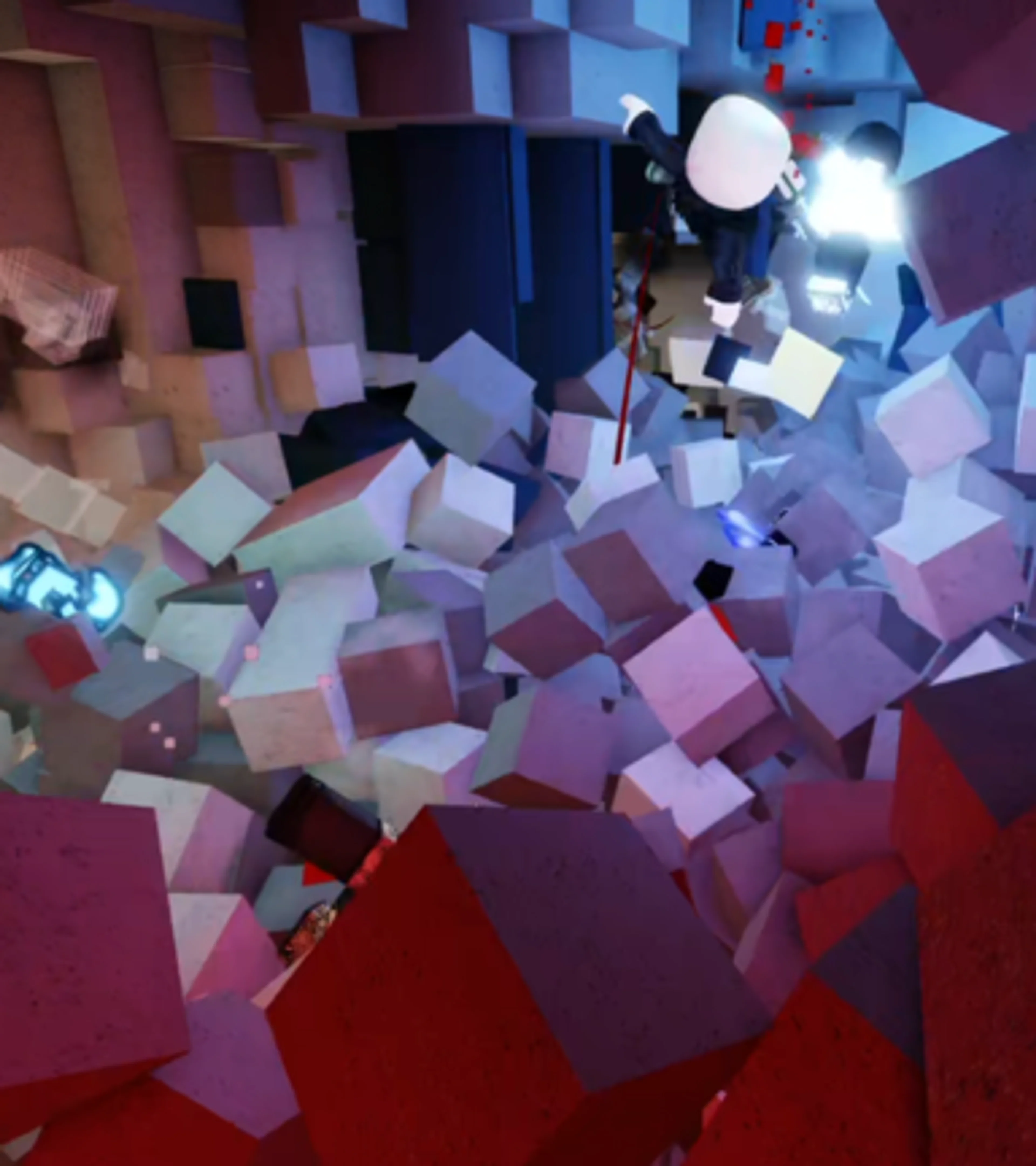

Learn movement and defense before trying to memorize a long combo in Jujutsu Shenanigans. The official PC controls give you a melee combo, four skill keys, a dash, block, a special action, sprint and awakening. Being able to find those inputs without looking down is a useful first target.
The bindings below are from the current Jujutsu Shenanigans Roblox page, operated by Tze's Shenanigans. They describe keyboard and mouse controls, not the position of touch buttons or a controller layout.
Basic attack and skill controls
M1, the left mouse button, is the melee-combo input. The number keys 1, 2, 3 and 4 activate skills. R is the special-action key, while G is the awakening input.
Start with one character and read the skill names currently shown on your screen. Test one skill at a time before adding another input. The purpose is to recognize what your chosen character does, not to assume that pressing the same number on a different character produces an equivalent move.
If an input does not produce the result you expected, check the on-screen state before pressing every other skill. A practice sequence is easier to understand when you can say which action you attempted and what happened next. This guide does not assign a universal skill order or claim every move can cancel into another.
Dash, block and sprint
Q is dash, and the developer specifically notes that it can be used during stun to escape. F is block. Press W twice to sprint; the official description says sprinting automatically avoids obstacles.
Practice these separately. First move through a familiar stretch of the map using ordinary movement and sprint. Then try the dash input while paying attention to where you finish. Finally, practice recognizing when you intend to block instead of attack. Combining unfamiliar movement and four unfamiliar skills immediately makes mistakes difficult to diagnose.
The developer's short control list does not specify every cooldown, exception or interaction. Do not read the stun-escape description as a promise that Q is available at every moment or defeats every attack. Watch the actual feedback in your current session.
A short practice routine
Choose one character and keep it selected while learning the inputs. Identify M1 and the four skill slots. Next, move across a familiar area with ordinary movement, sprint and dash so you can compare them without also trying to attack.
When you practice with another player, agree on a simple exercise first. For example, work on recognizing an approach and choosing a defensive input instead of immediately turning the session into a full fight. A willing partner makes it easier to repeat the same situation and notice what changed.
Add attacks gradually. Try one skill after an approach, then stop and examine the result. If you cannot tell whether a failed attempt came from distance, direction or input timing, simplify it again. A short sequence you understand is a better learning tool than copying a long sequence whose steps you cannot distinguish.
Do not copy old balance details as current rules
Controls and character behavior are separate kinds of information. A video can demonstrate the general layout while showing an older roster, different skill behavior or a past balance state. Check the current character panel and game description before relying on an old tutorial's exact sequence.
Keep a failed attempt specific: which character, which action and what position? That gives you something to adjust. A vague conclusion that a character is unusable does not explain whether you missed an input or misunderstood the move.
Visit our Jujutsu Shenanigans page for the official game link and related coverage. This starter guide deliberately avoids unverified damage numbers, cooldown tables and universal combos.