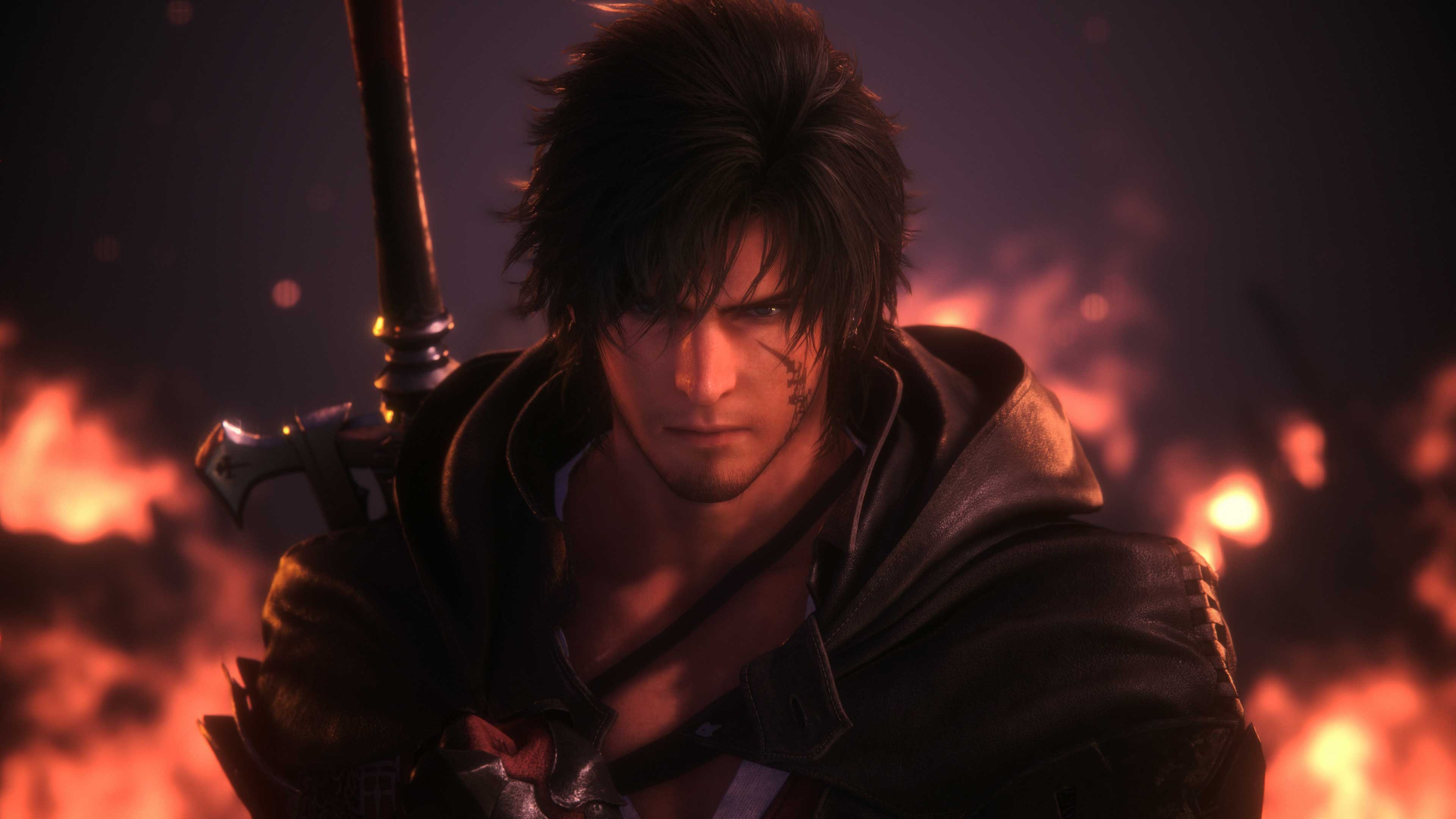
Final Fantasy XVI's arrival in the PlayStation Plus Game Catalog gives the game a cleaner second chance than launch ever could. At full price, every argument around it felt expensive: is this too action-heavy, too dark, too focused on Clive, too far from the party-based friction many players still associate with Final Fantasy? Through PS Plus, the pressure changes.
The game is no longer asking curious players to buy into the debate first. It is asking them to try the actual thing: a severe, spectacular, sometimes narrow action RPG about revenge, power, crystals, summoned gods, and one man carrying more narrative weight than the game can always comfortably hold.
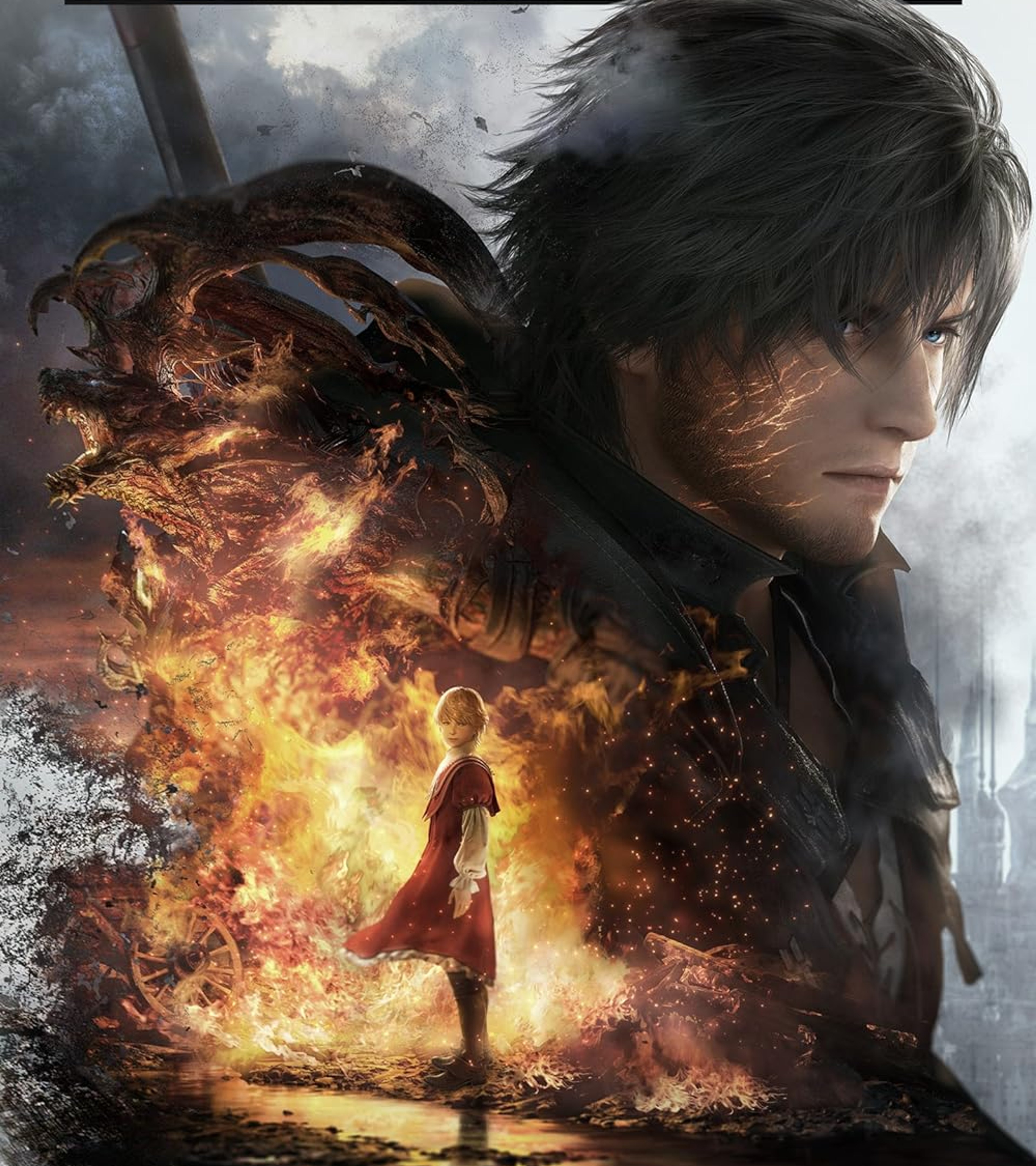
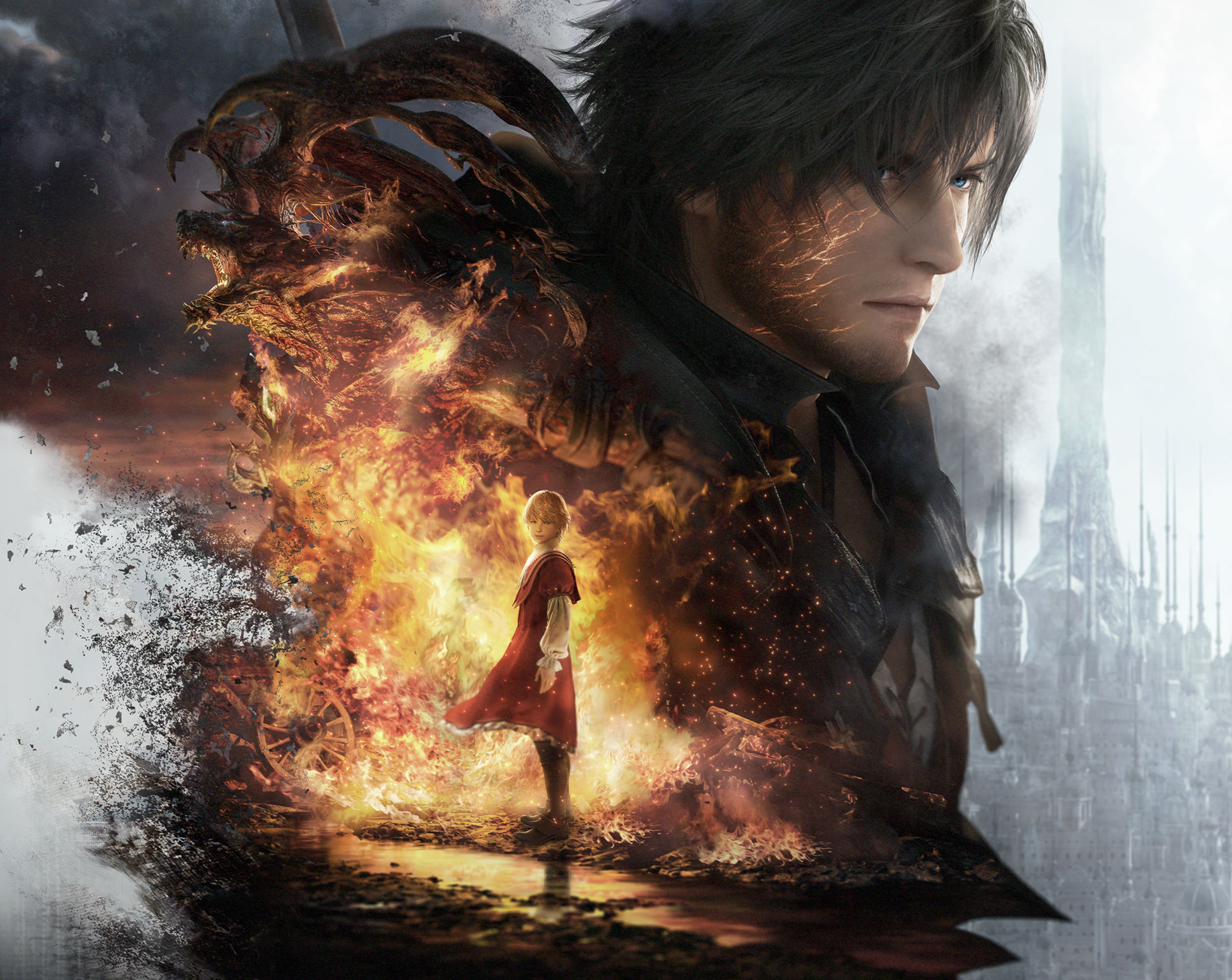
That new context matters because Final Fantasy XVI is much easier to judge when it is not being treated as a referendum on the entire series. PlayStation's own catalog description is blunt about the pitch: Clive Rosfield, First Shield of Rosaria, protects his younger brother Joshua, the Dominant of Phoenix, in the first fully fledged action RPG in the mainline Final Fantasy series. Square Enix frames the same idea around Valisthea, Mothercrystals, fading aether, deadlands, and Eikonic powers. This is not a game hiding what it wants to be. It is a Final Fantasy that wants the impact of a prestige dark fantasy drama and the immediacy of character-action combat.
The question is whether that version of Final Fantasy is worth your time now. Mostly, yes. Final Fantasy XVI is not the richest RPG in the series, and it is not pretending to be. It is a focused action epic with enormous boss fights, strong performances, a towering score, and enough mechanical bite to make Clive feel good in motion even when the surrounding role-playing systems are thinner than they should be. Its best moments are volcanic. Its weaker stretches are flatter than a world this dramatic should allow. That makes the PS Plus second chance useful: it lets more players meet the game where it actually lives, between spectacle and limitation.
The Action Combat Wins More Than the RPG Systems Do
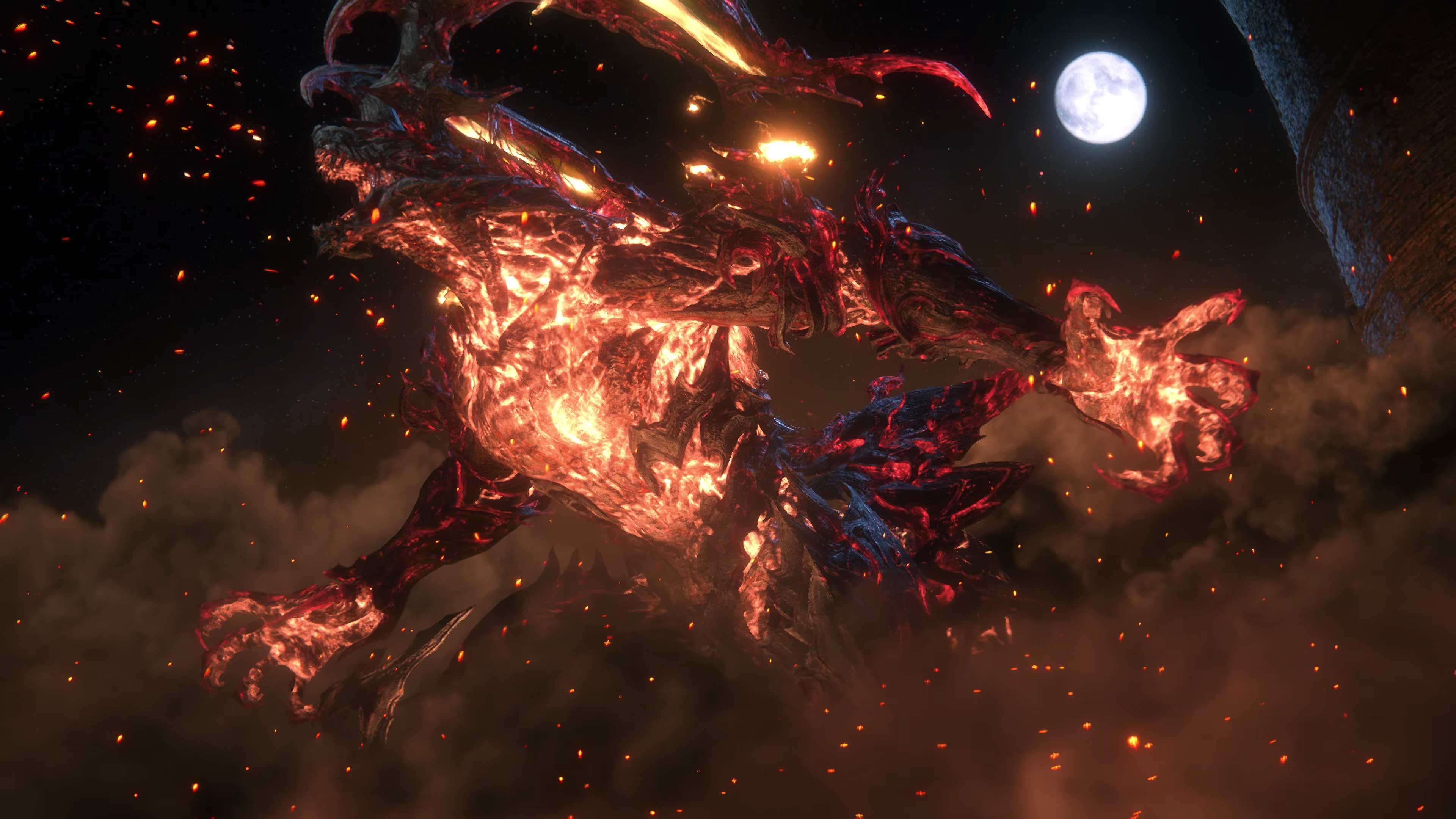
Final Fantasy XVI's combat is the clearest dividing line. As an action game, it is fast, readable, and satisfyingly theatrical. Clive's basic sword work is simple enough to understand quickly, but the Eikonic abilities give each loadout a stronger rhythm. Phoenix Shift turns distance into pressure. Garuda's tools make stagger management feel aggressive. Titan gives heavier punishment. Ramuh, Bahamut, Shiva, Odin, and the rest of the Eikon kit let the player build a personal rotation of cooldowns, counters, launchers, area attacks, and finishers. The fun is not in managing a party spreadsheet. It is in making Clive's selected powers snap together cleanly during a stagger window.
That works best when the game makes you earn the drama through timing. Dodging cleanly, building Will damage, saving high-impact abilities for the stagger, and deciding whether to spend a cinematic attack now or hold it for the next burst gives the combat a satisfying cadence. It is not as deep as the most demanding character-action games, but it does not need to be. Final Fantasy XVI is at its best when it makes the player feel stylish without turning every encounter into a technical exam.
The issue is that the RPG side rarely pushes back with equal confidence. Gear upgrades are often too linear. Crafting and equipment choices do not create enough interesting build tension. Party members are emotionally important but mechanically distant. Torgal adds a welcome companion layer, and story allies give the journey shape, but this is still overwhelmingly Clive's game in your hands. If your favorite Final Fantasy memories are about managing a full party, discovering strange synergies, or feeling the battle system blossom through many characters at once, XVI can feel like a gorgeous corridor away from that tradition.
That does not make the combat wrong. It makes the trade explicit. Final Fantasy XVI chooses immediacy over party management, cinematic control over systemic sprawl, and protagonist focus over ensemble mechanics. Some fans will never accept that as the mainline future, and that reaction is fair. But through PS Plus, the question gets less defensive. You are not paying to settle the identity war. You are testing whether Clive's action system, with all its fire and friction, gives you enough pleasure to keep chasing the next impossible fight.
The game is also unusually welcoming for something so visually violent and emotionally severe. The timely accessories and broader accessibility options let players soften timing, defense, combos, or story friction without turning the campaign into a separate, lesser experience. That matters for the PS Plus audience. A subscriber sampling the game out of curiosity can meet the action at a comfortable level first, then decide whether to chase cleaner dodges, stronger rotations, and more deliberate Eikon setups later. Final Fantasy XVI wants to look intimidating; it is smarter than it looks about letting different players find the door.
The Eikon Spectacle Is the Game's Strongest Argument
When Final Fantasy XVI goes big, it goes enormous. The Eikon battles are the clearest reason the game still feels special years after launch. They are not subtle, and they do not want to be. They are operatic monster disasters, full of fire, wings, stone, lightning, screaming choirs, shifting camera language, and a sense that the world itself is being rewritten by beings too large for ordinary politics. In those moments, XVI understands Final Fantasy spectacle as emotional weather. Power does not just look cool. It looks catastrophic.
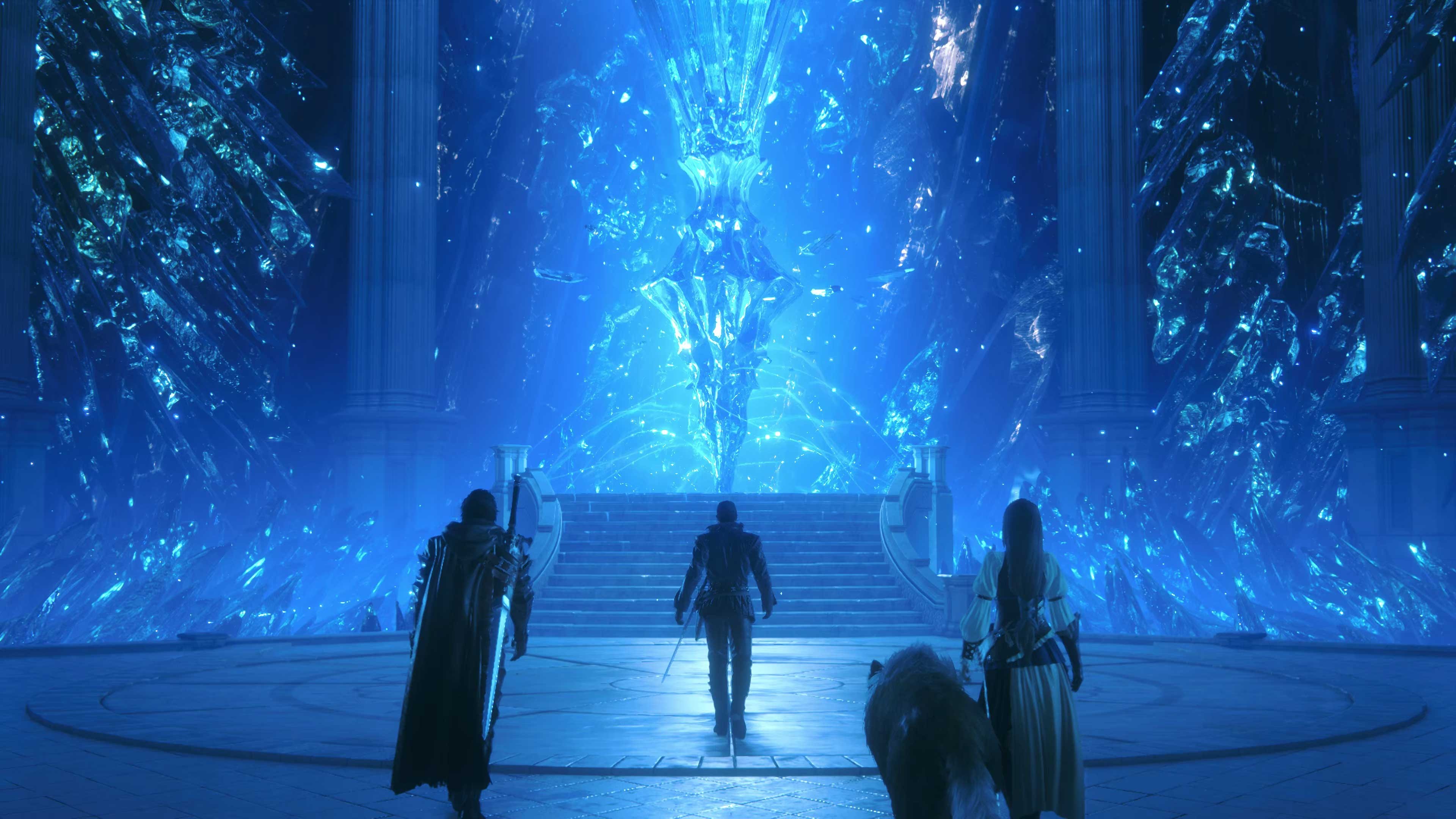
Masayoshi Soken's music is a major reason those peaks land. The score knows how to move from mournful fantasy grandeur into full mythic violence without making the transition feel cheap. Boss fights build like rituals. Quiet scenes often carry a bruised nobility. The soundtrack gives the game a heartbeat even when the quest structure is doing less interesting work. In a lesser production, the Eikon fights could have been noise. Here, the music helps turn them into memory.
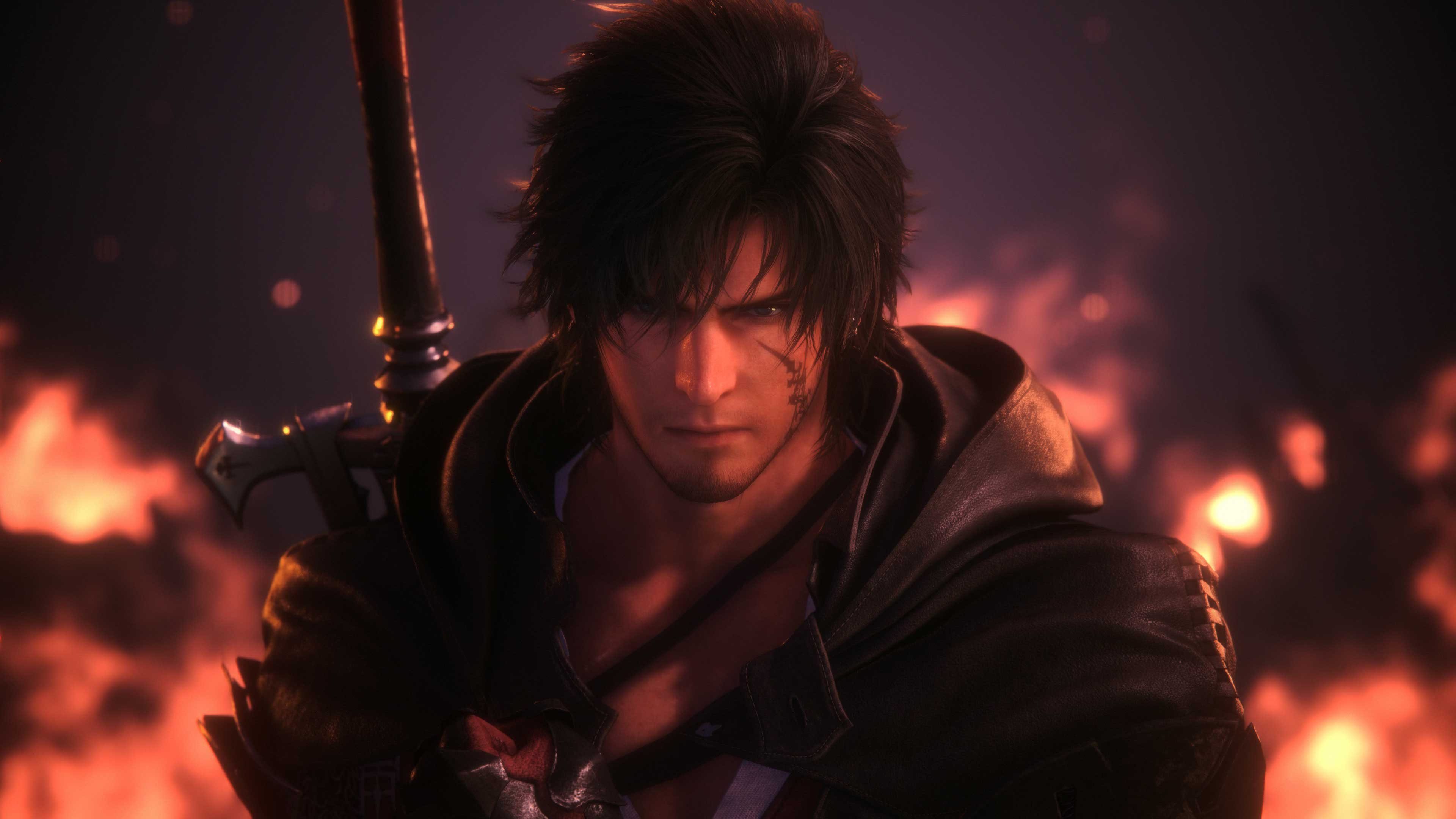
The performances also give weight to the scale. Clive works because Ben Starr plays him with more than generic hero pain; there is exhaustion, fury, tenderness, and a kind of clenched moral stubbornness under the sword-swinging. Joshua gives the story its wound. Jill gives it a quieter emotional gravity, though the game does not always use her with the force she deserves. Cid brings a lived-in spark that the early story badly needs. Benedikta, Dion, and other Dominants make the world feel like a battlefield of damaged people carrying mythological weapons inside their bodies.
That is where the darker tone pays off. Valisthea is built around exploitation: Bearers treated as tools, Dominants treated as strategic assets, nations circling Mothercrystals as the world rots around them. The game can be blunt, but the bluntness often works because the fantasy is already about people turning other people into fuel. Final Fantasy has always had room for melodrama. XVI simply drains much of the bright weirdness from the room and replaces it with fire, ash, blood, and political despair.
The best character writing comes when that political despair turns personal. Cid's Hideaway gives the campaign a cause that is easier to feel than any lore glossary. Benedikta makes the game's power politics hurt because ambition and survival are tangled together. Dion's arc gives the nobility of the setting a tragic grandeur the game otherwise risks losing under all the ash. Even minor quests work better when they show liberation as labor, not slogan. Final Fantasy XVI can sound grim for the sake of grimness, but when it connects the grand Eikon mythology to ordinary people being crushed underneath it, the severity earns its place.
Valisthea Is Beautiful, But the Journey Can Feel Too Directed
The main frustration is that Valisthea often looks more explorable than it feels. The world has striking locations, from blasted deadlands to imperial spaces to lonely stretches of wilderness, but the journey is tightly directed. That focus helps the drama keep moving, yet it also narrows the sense of discovery. Older Final Fantasy games often made the world feel bigger through detours, party banter, eccentric towns, strange minigames, and the feeling that the journey could surprise you sideways. XVI has lore and mood, but its connective tissue can feel overly controlled.
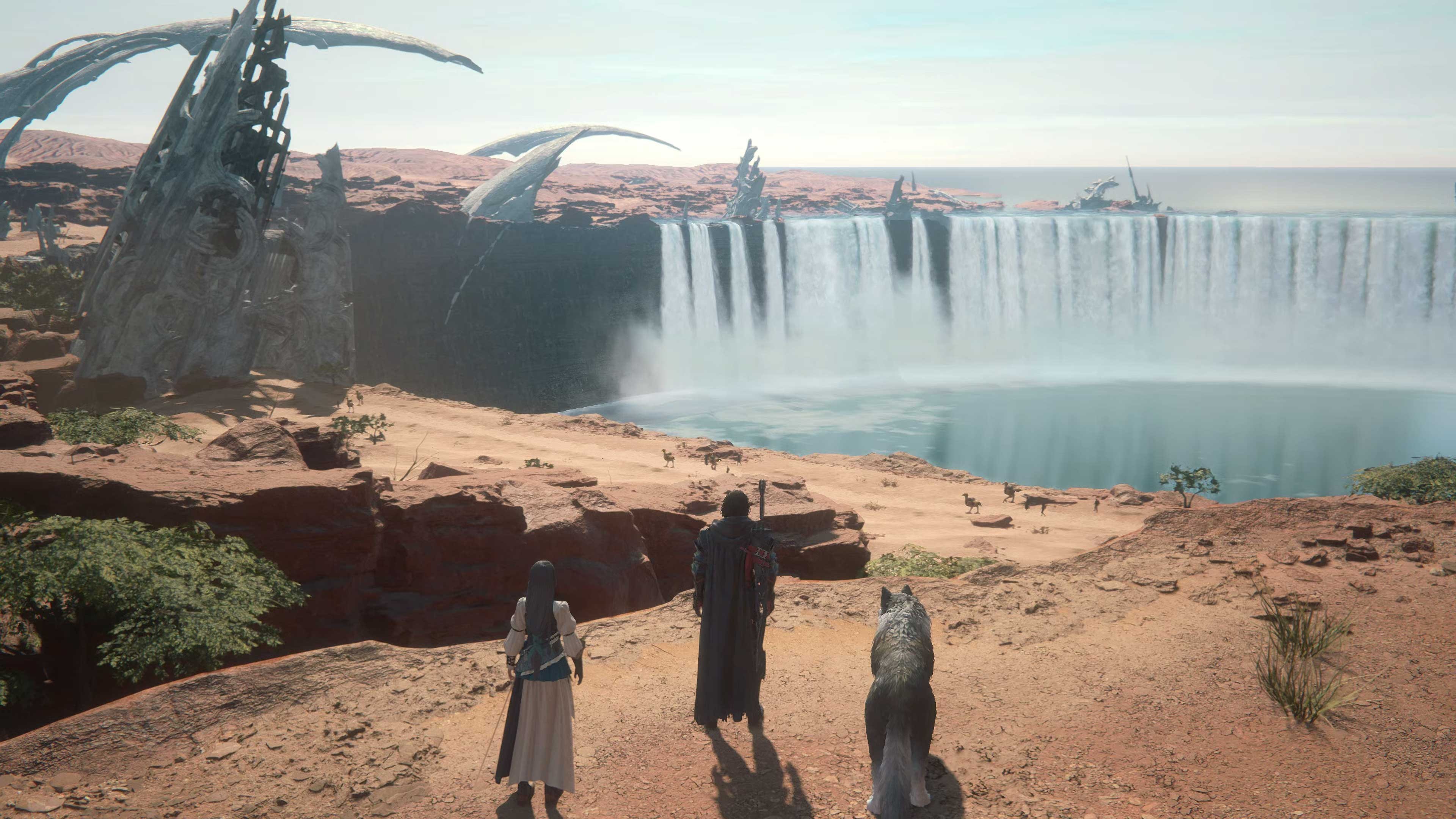
Side quests are the clearest example. Some are genuinely important because they humanize Bearers, clarify local politics, or give the Hideaway a stronger sense of community. Others ask for patience the game has not fully earned in that moment. The best side content turns Clive's rebellion into something lived-in, showing what liberation costs in small, ordinary lives. The weaker ones flatten into errands that interrupt a campaign otherwise built around urgency and thunder. That unevenness is not fatal, but it is exactly why the game is easier to recommend as a great action epic than as a fully rounded RPG.
The PlayStation Plus angle helps because it makes that caveat less punishing. If you are trying Final Fantasy XVI through the catalog, the right expectation is not 'classic Final Fantasy with action combat.' It is 'dark fantasy action drama wearing the Final Fantasy name with conviction.' That framing makes the strengths easier to appreciate and the absences easier to identify. You can admire the Eikon fights and still miss party mechanics. You can love Clive and still wish Jill had more playable presence. You can be moved by Valisthea's tragedy and still want a world that invites more wandering.
That is the mature verdict hiding under the old debate. Final Fantasy XVI is neither a betrayal nor a perfect reinvention. It is a bold, expensive, emotionally serious entry with a narrower mechanical soul than some players wanted. The series has always survived by mutating, and XVI's mutation is unusually dramatic: less party opera, more prestige action tragedy; less mechanical ensemble, more one-man myth. The result is powerful, frustrating, and absolutely worth reassessing now that the buy-in is lower.
The cleanest advice is this: do not start Final Fantasy XVI because you want the most flexible RPG in the catalog. Start it because you want to see a legendary series commit hard to cinematic action and live with the consequences. If that sentence sounds exciting, PS Plus is the best possible invitation. If it sounds like a warning, the game is honest enough to prove you right quickly.
Verdict
Final Fantasy XVI is a Great 8 because its peaks are too forceful to reduce to a franchise identity argument. The Eikon battles, Clive's best character work, Masayoshi Soken's thunderous score, and the cleaner PS Plus entry point make this the easiest time to appreciate what the game does well. But the caveats are real: the RPG texture is thin, the party fantasy is muted, and Valisthea can feel more directed than alive. Come for a dark fantasy action epic and it lands hard. Come for a classic ensemble RPG and the second chance may still feel like a compromise.