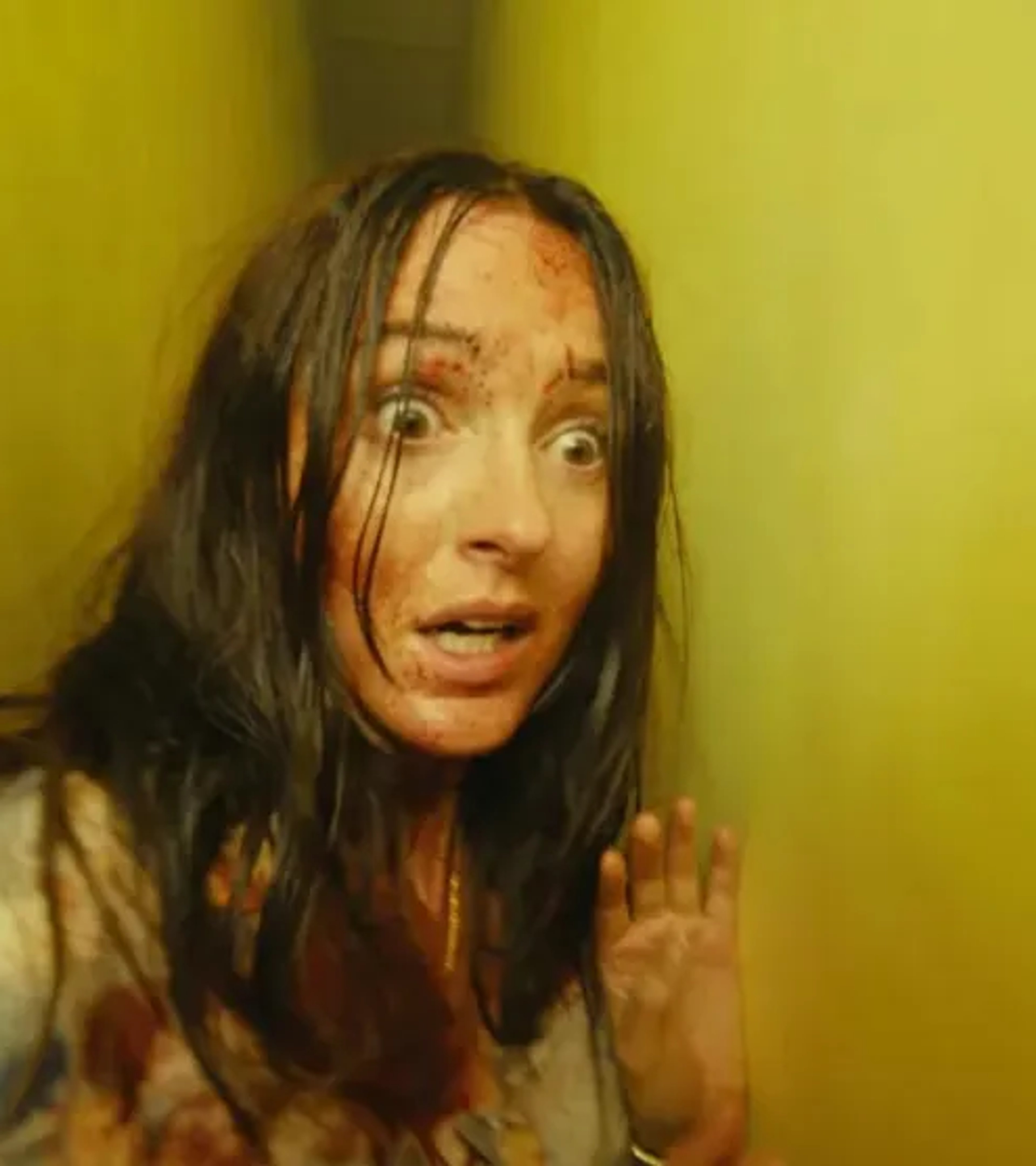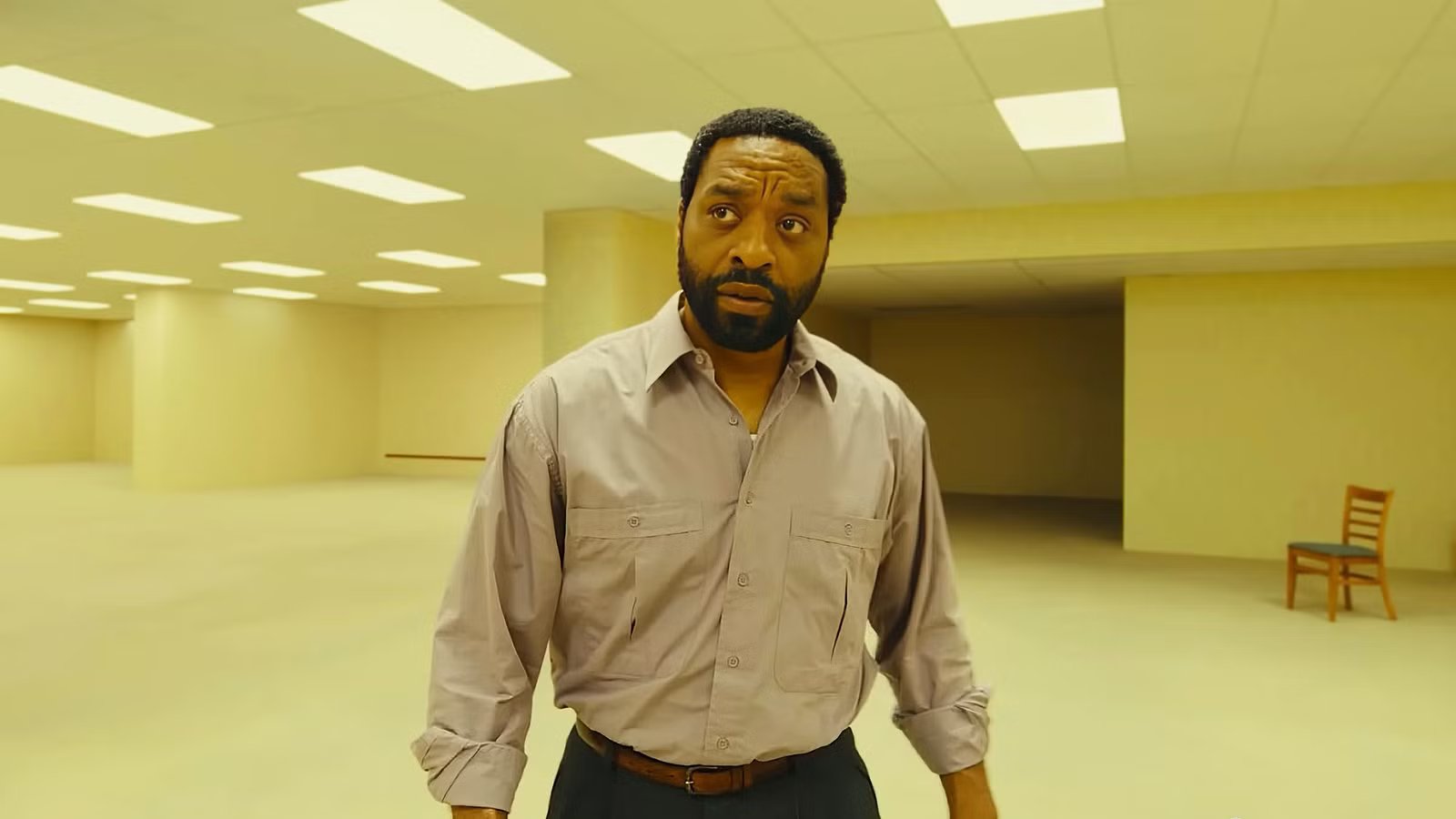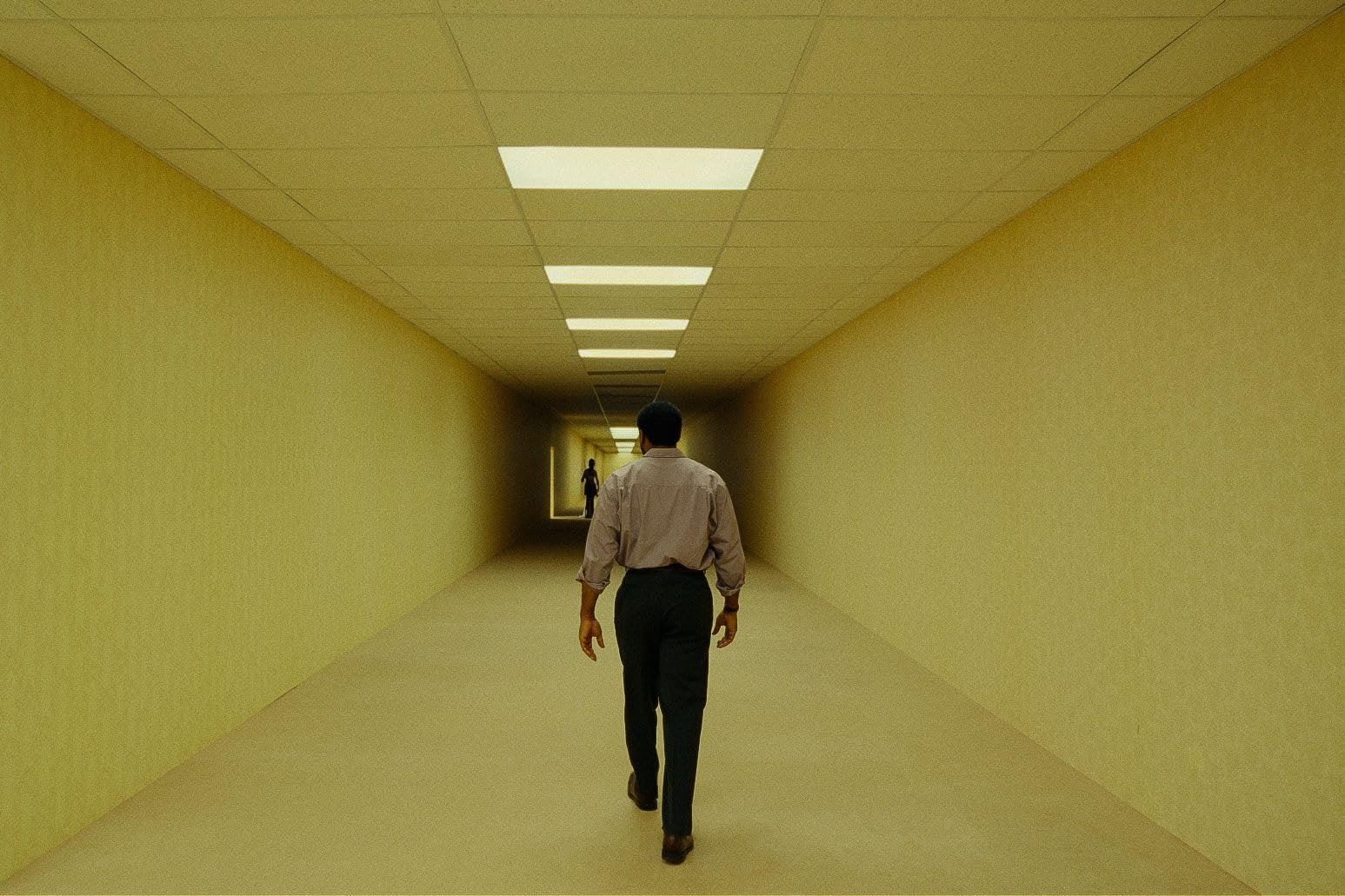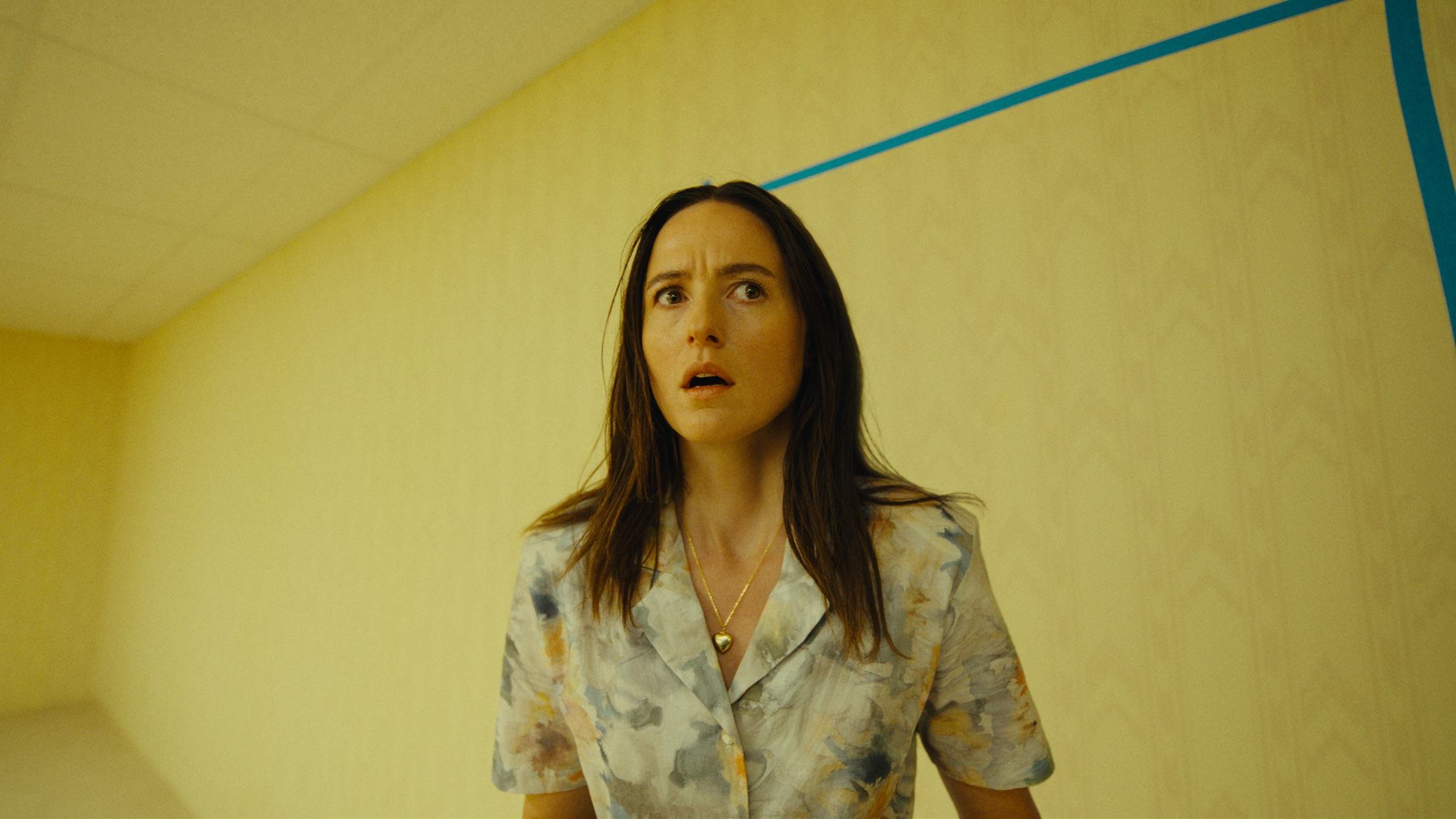
Backrooms has put Kane Parsons in the kind of position horror studios usually reserve for veteran names: according to the Associated Press, the 20-year-old YouTube creator directed the A24 horror hit, and The Guardian reported that he became the youngest filmmaker to open at No. 1 in the U.S. with the film. That is the hard news. The sharper read is that a viral internet nightmare has become a box-office argument.
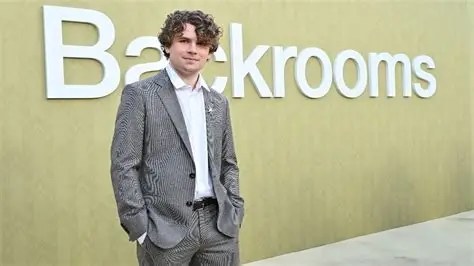
The temptation is to turn Parsons into a neat emblem: kid with a camera, internet audience, studio deal, history made. That version is too smooth. What makes Backrooms interesting is not just that it traveled from YouTube-adjacent horror culture into A24’s orbit. It is that the movie’s launch suggests a new kind of credibility transfer, where an online horror language can arrive in theaters without first being sanded into anonymous studio product.
AP framed Parsons as part of a broader story about digital creators reshaping Hollywood, and that context matters. This is not merely a director-discovery anecdote, the sort the industry likes to package when it wants to look adventurous. It is a test case for whether a creator shaped by online attention, short-form dread, and community-fed mythology can carry a theatrical feature without losing the unstable feeling that made the material travel in the first place.
The Guardian’s reported No. 1 opening gives the story its bite because horror is a genre where business results still punch above prestige language. A horror film does not need the same institutional permission as a awards-season drama to become undeniable; it needs an audience to show up. If the report holds as the clean headline around Backrooms, Parsons did not just get invited into the system. He delivered in the one arena where studios pay attention fastest.
That does not mean Backrooms has permanently changed horror, full stop. Pixel Twelve’s read is more measured: it has changed the burden of proof. For years, internet horror has been treated as a farm system, a mood board, or a marketing reservoir. Parsons’ case makes the opposite argument available. The internet may not simply be where horror ideas are tested before the real movie begins; it may be where some of the genre’s most commercially viable instincts are already being formed.
A24’s presence is crucial here. The company has become a recognizable home for genre films that can sell mood, authorship, and cultural temperature without needing to behave like conventional franchise machinery. The source packet identifies Backrooms as an A24 success, which gives Parsons’ leap a different industry meaning than a quiet experiment buried on a platform menu. This is not just a creator graduating upward. It is a boutique studio betting that online-born unease can carry a premium horror proposition.
The fan-community debate around Backrooms is not hard to locate as a tension, even without reducing it to a scoreboard. One side will see Parsons’ rise as validation: proof that audiences raised on digital horror do not need the genre translated by older gatekeepers. The other side will worry about extraction: that Hollywood can discover a strange internet object, scale it, and flatten the very ambiguity that made it frightening. The important distinction is that both reactions can be true pressures on the same film.
That is where the Parsons story becomes more interesting than the usual “YouTuber goes Hollywood” headline. The word YouTuber can still carry a sneer in film circles, as if platform fluency were the opposite of craft. Backrooms complicates that lazy divide. If a 20-year-old creator can anchor an A24 horror hit and, according to The Guardian, open at No. 1 in the U.S., the conversation has to move beyond whether digital creators belong in the room. The better question is what kind of room they are building.
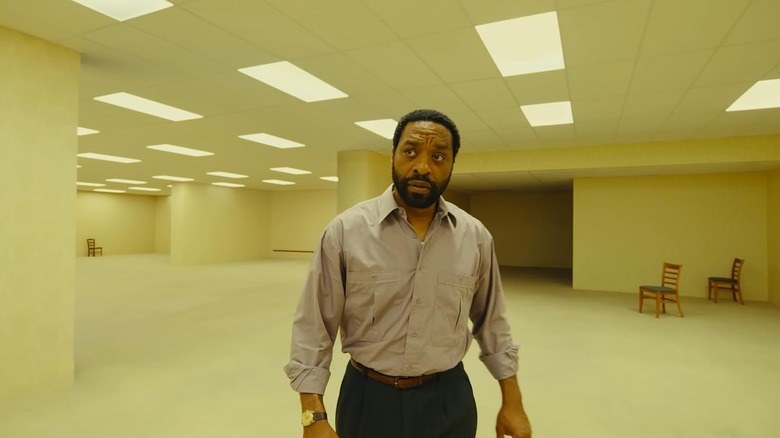
There is also a craft question hiding inside the business story. Internet horror often works by withholding polish: the image feels wrong, the space feels unfinished, the mythology feels discovered rather than delivered. A feature film, by contrast, usually demands shape, escalation, and a degree of legibility. The risk for any Backrooms adaptation is obvious from the premise alone: explain too much and the dread becomes lore management; explain too little and a theatrical audience may feel stranded rather than haunted.
That tension is why the reported success matters more than a victory lap. It suggests that at least in this case, the audience did not reject the migration from online nightmare to theatrical horror object. It also suggests that the industry’s old suspicion of creator-led projects may be increasingly out of date, especially in genre spaces where audiences are already fluent in internet-born formats, myths, and aesthetics before a studio campaign begins.
The clean takeaway is not that every viral horror concept deserves a feature or that every online creator is secretly a studio filmmaker. That would be the wrong lesson and the fastest way to drain the weirdness from the well. The takeaway is narrower and more useful: Backrooms has made Kane Parsons a serious data point in the argument over who gets to define modern horror, and the next thing to watch is whether studios learn from the specificity of his path or simply chase the surface of it.