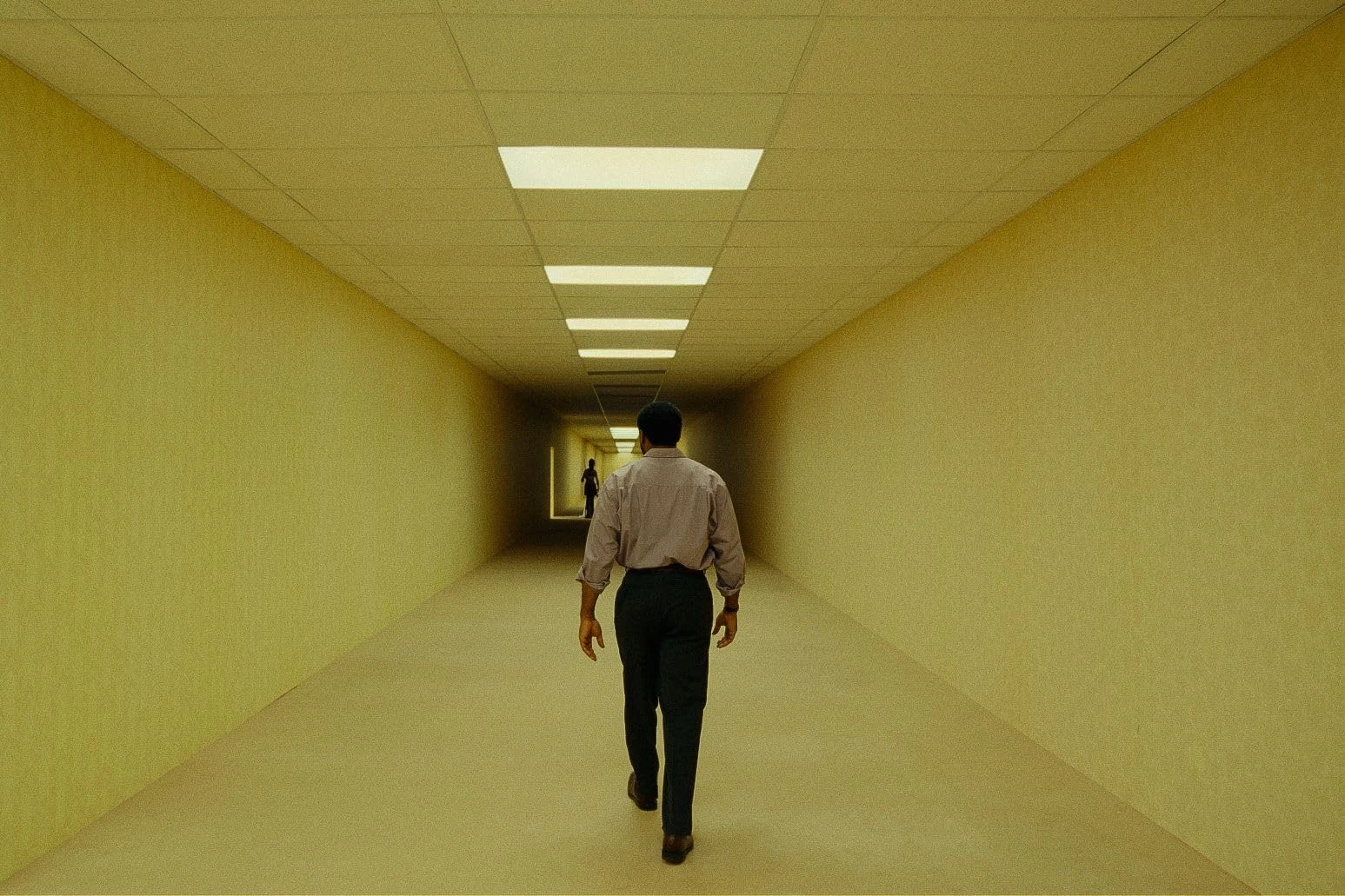
Why Backrooms Is Hollywood’s Biggest Internet Horror Test
Backrooms is no longer just a weird piece of internet horror.
According to the Associated Press, Kane Parsons and Backrooms are now part of a bigger conversation about digital creators changing Hollywood. That shift moves Backrooms out of the “viral internet thing” category and into a much harder question: can something built for online discovery actually work as a studio movie?
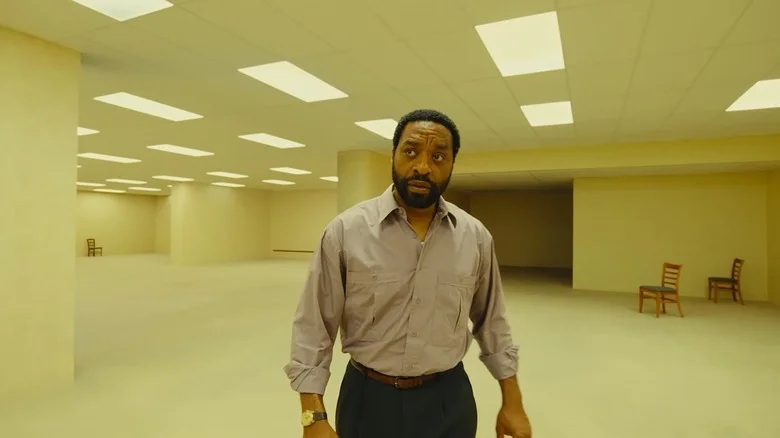
Hollywood has been borrowing from the internet for years. Studios already pay attention to memes, fandoms, online creators, viral videos, and audience behavior. But Backrooms is different because the fear behind it is so specific.
Internet horror does not usually work like a normal franchise. It often feels strange, unfinished, unstable, and half-discovered. People find it through clips, recommendations, uploads, theories, edits, and comment sections. Part of the appeal is the feeling that you stumbled into something you were not fully supposed to understand.
That is easy to lose when Hollywood gets involved.
The factual context is simple: AP has framed Kane Parsons as part of a new wave of digital creators reshaping Hollywood's talent pipeline. The Backrooms film may be one of the hardest versions of that transition because its fear depends on texture, timing, and the feeling of finding something online that should not exist.
Why? Because horror audiences can tell when something has been over-packaged.
A comedy can survive a bigger studio version if the jokes still work. A superhero movie can lean on characters people already recognize. But Backrooms depends on atmosphere, uncertainty, and unease. It has to preserve the feeling that made people lean closer to the screen in the first place.
That is where the debate begins.
The question is not just whether a Backrooms movie can be made. The bigger question is whether it should explain too much.
A lot of internet horror works because it refuses to behave like a normal story. It does not always give viewers a clean setup, a clear monster, a simple explanation, or a neat ending. The mystery is part of the fear.
A studio movie usually needs more structure. It needs characters, pacing, scenes, stakes, and a reason for people to stay invested for a full runtime. That does not automatically ruin the idea. But it does create risk.
The more official Backrooms becomes, the harder it may be to keep the strange, uncomfortable energy that made it work online.
That is the trap.
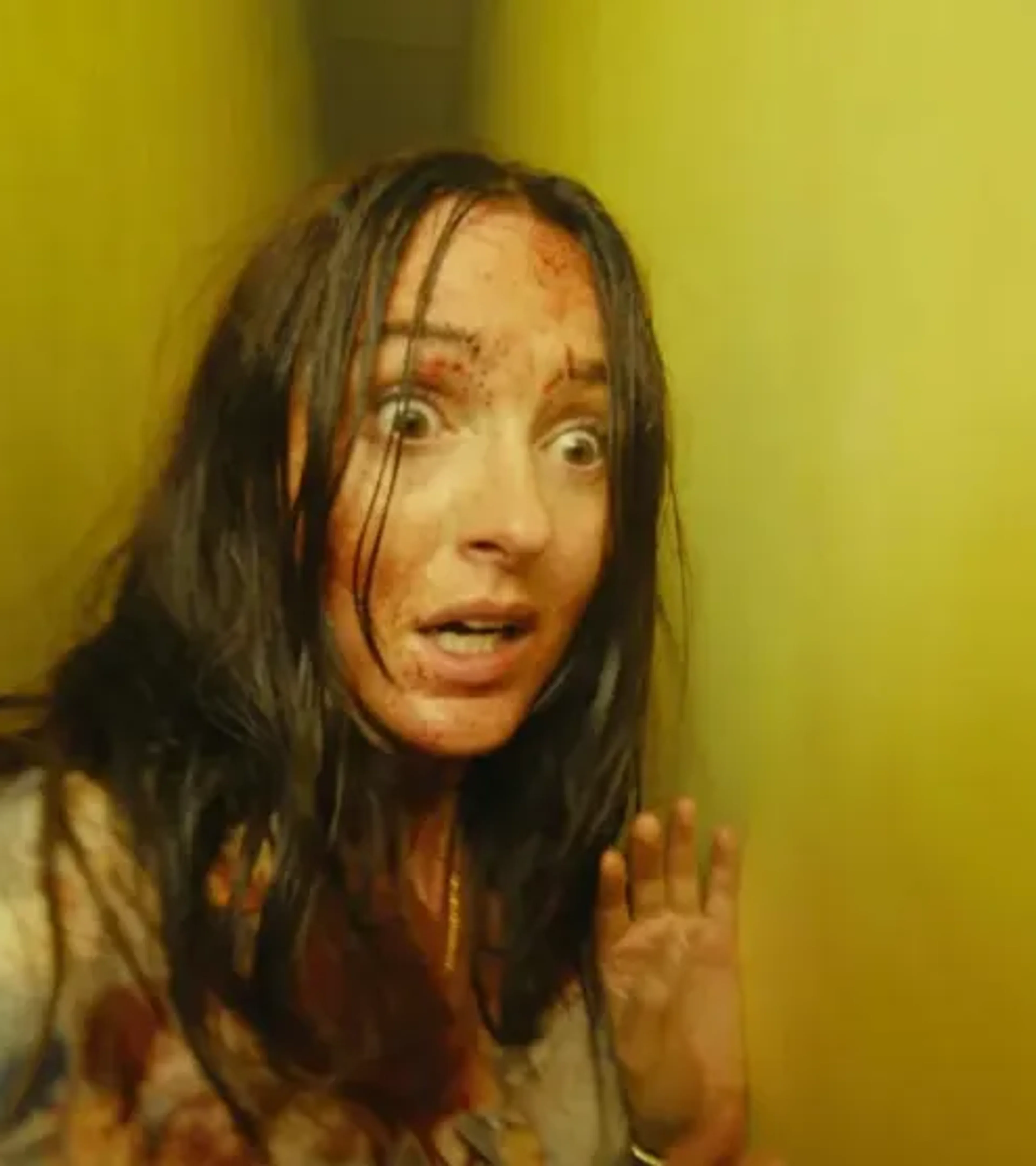
Backrooms already has recognition. People know the image, the feeling, the empty yellow rooms, the endless spaces, and the sense that something is wrong even before anything happens. But recognition is not the same thing as a movie.
A title can be famous without being easy to adapt.
A concept can be scary in short form without automatically having enough story for a feature film.
A creator can build a powerful online audience without fitting the old Hollywood idea of what a filmmaker is supposed to look like.
Advertisement

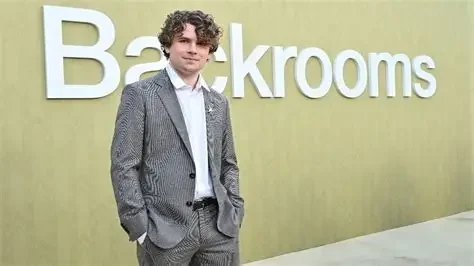
Kane Parsons gives this conversation its industry weight because he represents a different path into Hollywood. Traditionally, studios looked for proven filmmakers, bestselling books, major stars, comic books, games, and recognizable IP.
Digital creator-driven horror changes that model.
Now, the proof of concept can come from audience behavior. People have already reacted. They have already watched, shared, argued, analyzed, and built meaning around the work before the traditional entertainment industry fully knows how to categorize it.
That is exciting, but it is also dangerous.
Hollywood loves pre-awareness because it makes a project easier to sell. If people already know the name, the studio does not have to start from zero.
But internet horror often works because it feels like the opposite of a clean product. It feels like something found in the wrong place. Something without a guide. Something that does not care if you understand it immediately.
A Backrooms movie has to protect that feeling.
The best version would not just turn the concept into a lore machine. It would understand what actually made it scary.
If the fear comes from atmosphere, the movie cannot rely only on explanations. If the fear comes from space, sound, emptiness, and confusion, then the camera, pacing, production design, and silence have to do a lot of the work.
The movie does not need to act like a message board or a YouTube upload. It still has to be cinema. But it needs to know the difference between adapting the idea and over-explaining it.
The worst version is easy to imagine: take a strange internet concept, define every rule, explain every mystery, add too much mythology, and remove the ambiguity that made people care in the first place.
That is not a prediction. It is the risk every internet horror adaptation faces.
The audience that helped make Backrooms visible is also the audience most likely to notice if Hollywood misunderstands it.
That is why the AP context is more interesting than a simple movie-development headline. This is not just about Backrooms getting attention. It is about whether Hollywood can understand the language of internet horror without turning it into something too clean.
Horror is actually one of the best genres for this kind of experiment. It has always been open to outsider voices, strange ideas, and smaller projects that do not need superhero-sized budgets.
But horror audiences are also hard to fool.
They do not need everything to look expensive. They need it to feel specific. They need a point of view. They need the movie to understand what kind of fear it is selling.
Backrooms forces Hollywood to separate popularity from cinematic readiness.
Just because something is known does not mean it has already been solved as a movie. Just because a creator is influential online does not mean the studio system automatically knows how to translate that influence. And just because there is audience heat does not mean the adaptation should explain everything that made the original feel mysterious.
That is the real takeaway.
Backrooms is not just a viral horror concept moving toward Hollywood. It is a test of whether Hollywood can adapt internet-native fear without sanding off the parts that made it feel dangerous.
The next thing to watch is not only whether the project moves forward. It is how the industry talks about it.
Does Hollywood treat Backrooms as raw material to be processed into a normal horror franchise? Or does it understand that internet horror has its own language, rhythm, and rules?
AP has put Kane Parsons and Backrooms inside the larger Hollywood conversation.
Now the question is whether Hollywood can stay weird enough to deserve them.