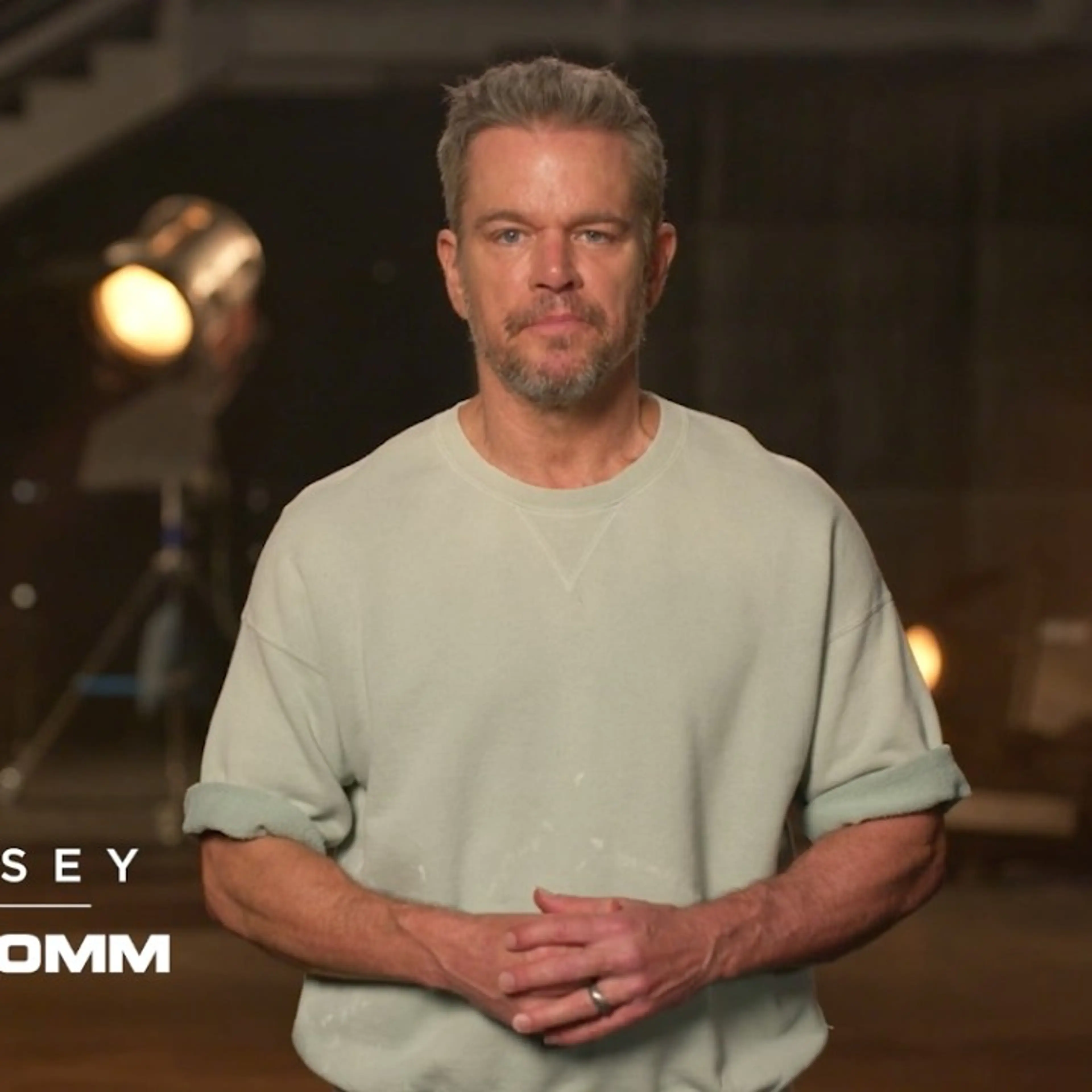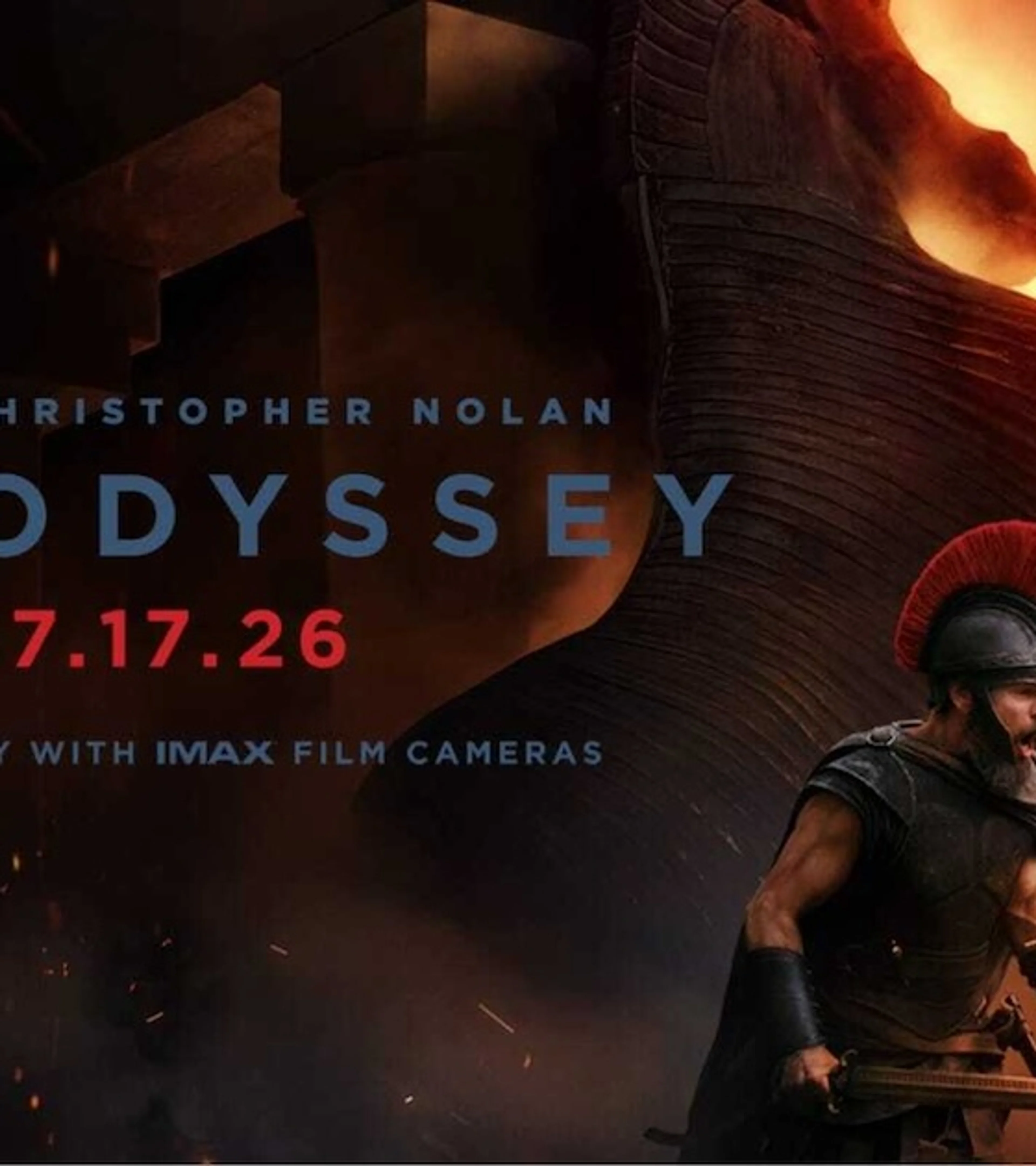
The Odyssey has already done something Oppenheimer never did: it turned a Christopher Nolan release into a $264.1 million global opening weekend. Universal's updated total includes $124.5 million from the United States and Canada, giving Nolan the biggest worldwide debut of his career.
The final weekend total landed higher than Sunday's estimates, and the scale is clear. The Dark Knight Rises previously held Nolan's global opening record at roughly $249 million. Oppenheimer began with about $180 million worldwide in 2023 before growing into a $975 million phenomenon. The Odyssey has started nearly $84 million ahead of it.
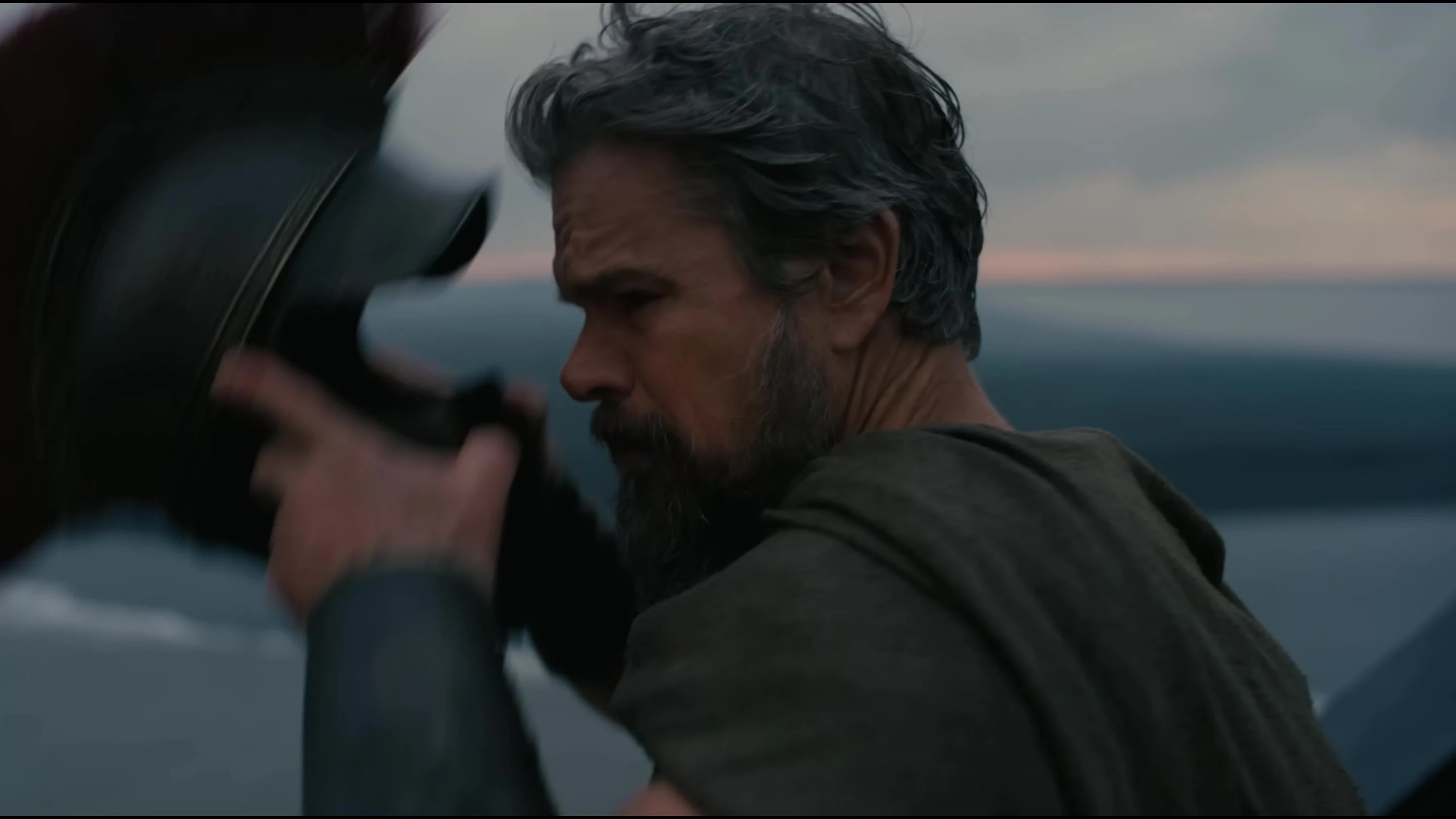
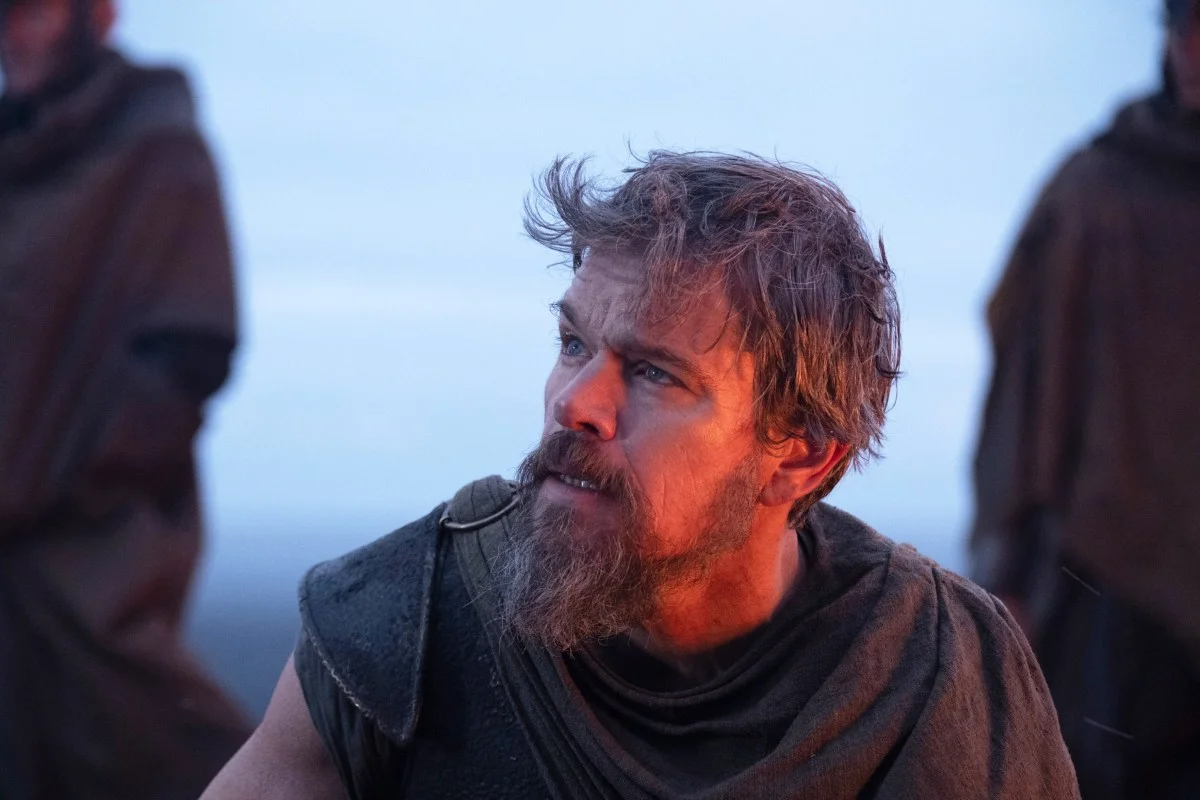
For anyone coming to the story fresh, The Odyssey adapts Homer's ancient Greek poem about Odysseus, played by Matt Damon, and his punishing journey home after the Trojan War. Universal spent a reported $250 million on a three-hour, R-rated epic filled with gods, monsters and one exhausted man trying to reach his family. It was never a small bet.
People Came for Nolan, Not a Sequel
The Odyssey carries one of the most famous titles in literature, but it does not arrive with a modern film series leading viewers into the theater. There is no previous installment to catch up on and no post-credits promise holding the campaign together. Nolan is the familiar name. After The Dark Knight trilogy, Inception, Interstellar and Oppenheimer, audiences know what his movies ask from them: time, attention and a screen large enough to make the trip feel worthwhile.

Oppenheimer strengthened that trust. A three-hour historical drama about the creation of the atomic bomb opened to $82.4 million domestically, then stayed in theaters long enough to become one of Nolan's biggest films. The Odyssey jumped to $120 million at home without the accidental cultural boost of Barbenheimer. Moviegoers did not need another film opening beside it to turn the weekend into an event.
The cast helps, of course. Damon is surrounded by Tom Holland, Zendaya, Anne Hathaway, Robert Pattinson, Lupita Nyong'o and Charlize Theron. Yet an ensemble that large only becomes a selling point after viewers believe the director can give everyone a place in the same movie. Nolan's name did more than attract actors. It gave audiences confidence that an old poem could become a modern blockbuster instead of expensive homework.
The R rating narrows the available audience and makes the domestic result even more unusual. TheWrap notes that The Odyssey is only the fifth R-rated movie to open above $100 million in North America, joining a group dominated by Deadpool and It. A Greek war story has entered commercial territory usually reserved for established genre brands without lowering its rating or trimming itself into a conventional family adventure.
Advertisement

IMAX Did Real Business
The premium-format campaign was not decoration. The film is the first feature shot entirely with IMAX film cameras, and select IMAX 70mm tickets went on sale a year before release. Current estimates credit IMAX with roughly $30 million of the domestic opening and another $22 million internationally. About one quarter of the North American total came from a format available on only a fraction of the movie's screens.
Higher ticket prices are part of that number, but demand matters more. People planned trips, searched for rare showtimes and treated the format as part of the movie rather than an optional upgrade. Standard theaters still carried most of the audience, so the success cannot be reduced to collectors chasing film prints. IMAX gave the release urgency, then Nolan's broader reputation carried it far beyond those rooms.
Not Everyone Enjoyed the Spectacle
Opening-weekend money tells us how many people wanted to be there first. It does not tell us whether they will recommend the movie afterward. The reported $250 million production budget also excludes the worldwide marketing campaign, while theaters keep a share of every ticket. Universal still needs repeat business and international staying power before the financial argument is settled.
Most early reactions have been enthusiastic, and the film earned an A CinemaScore. On X and Threads, however, some viewers said the movie did not live up to the excitement around it. The acting became part of that criticism. Matt Damon's Odysseus felt emotionally distant to some viewers, while a few danger scenes were criticized because the characters did not show the fear or grief people expected. AP's review was positive overall but still found parts of the journey clunky.
The same social conversation kept returning to the presentation. Some posts described IMAX screenings as painfully loud, with music and effects making dialogue harder to follow. Others found the flashes during the storm and action sequences too intense. BFI IMAX carries an official warning for flashing-light sequences that may affect photosensitive customers. Those are practical concerns for anyone sensitive to intense sound or rapid flashes, not minor details to discover after buying a ticket.
The enormous image can be uncomfortable too. A few reactions compared the experience to seasickness: fast editing, violent movement on the water and a seat close to a towering screen left them feeling nauseous. One person's immersion can feel like motion sickness to someone else, particularly during a nearly three-hour film. A standard screen or a seat farther back may be the better experience for viewers who already struggle with large-format movies.
These complaints are still a minority within a broadly positive response, but they belong in the conversation. The same choices that made The Odyssey feel like a major theatrical event also made it exhausting for some viewers. Its opening proves that Nolan can bring a huge audience to an ancient story. The next few weeks will show how many of those viewers want to make the journey again or convince friends to join them.