Pixel Twelve
Diablo IV Guide — Lord of Hatred, Season of Death Awakening and Endgame

Explainer

Diablo IV Guide — Lord of Hatred, Season of Death Awakening and Endgame

Compare the Lord of Hatred campaign, seasonal systems and endgame activities so you know which progression paths and rewards apply to your character.

By Tess CalderGame: Diablo IVVerified Aug 16, 2026
Guide Type
Explainer
Last Verified
Aug 16, 2026

Guide details

Overview

Compare the Lord of Hatred campaign, seasonal systems and endgame activities so you know which progression paths and rewards apply to your character.

Watch

Official Trailers

Guide section

Current status

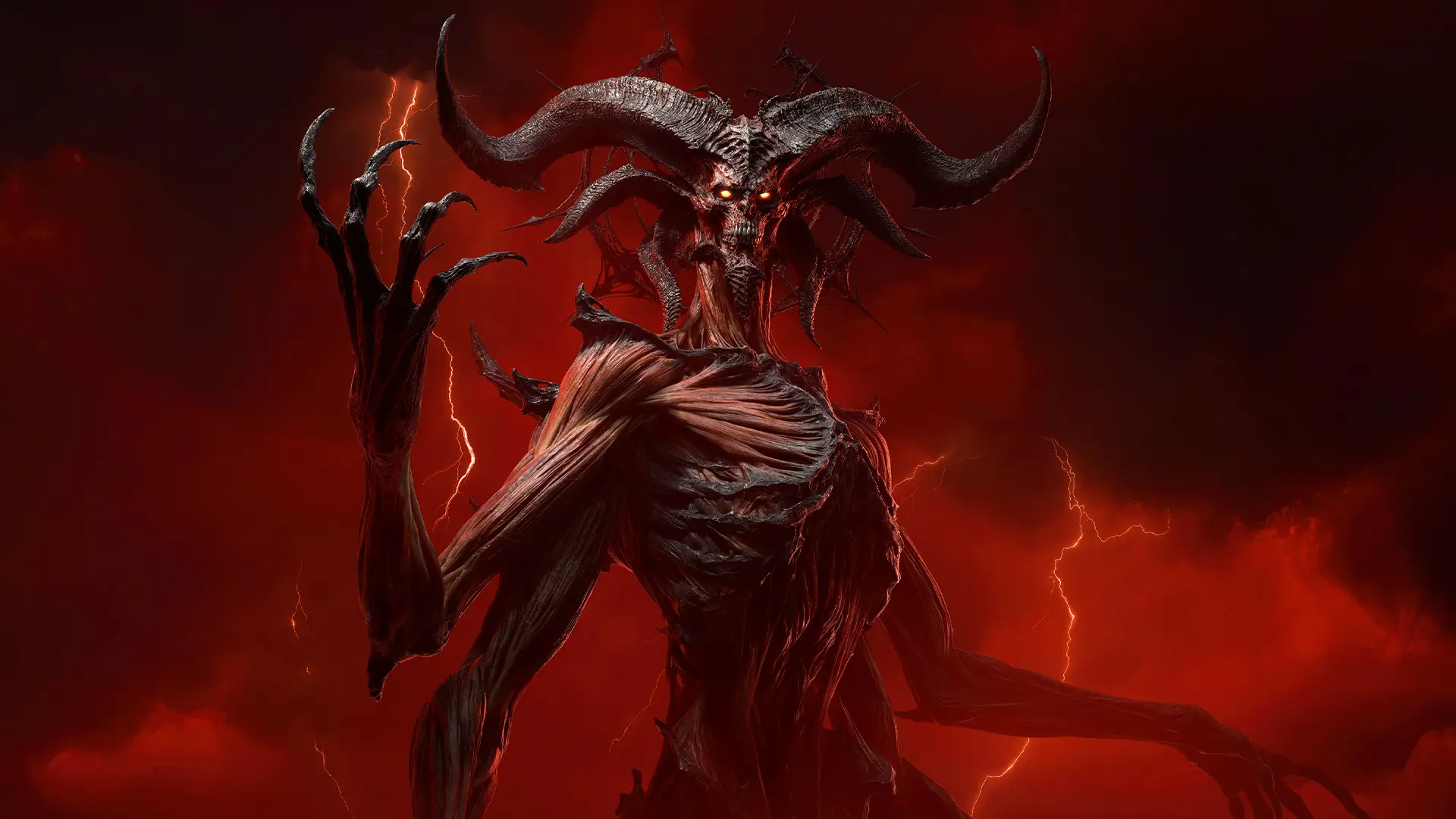
Diablo IV is currently in the Season of Death Awakening. Blizzard launched the season on June 30, 2026, after the conclusion of the Age of Hatred. The season adds Pandemonium Ruptures, the Tower and Leaderboards, Mythic Uniques 3.0, Solo Self Found and a seasonal Death Cult questline. The latest official patch listed as of August 16 is build 3.1.3, released for all platforms on August 12.

The current expansion is Lord of Hatred, which is available now and requires the Diablo IV base game. Its campaign follows the threat of Mephisto and expands Sanctuary with Skovos, new classes, updated class systems, the Horadric Cube, Talisman set bonuses and new endgame activities. Blizzard also states that some Season of Death Awakening objectives require Lord of Hatred, so seasonal play is not identical for owners of the base game and the expansion.

Guide section

Lord of Hatred campaign and Skovos

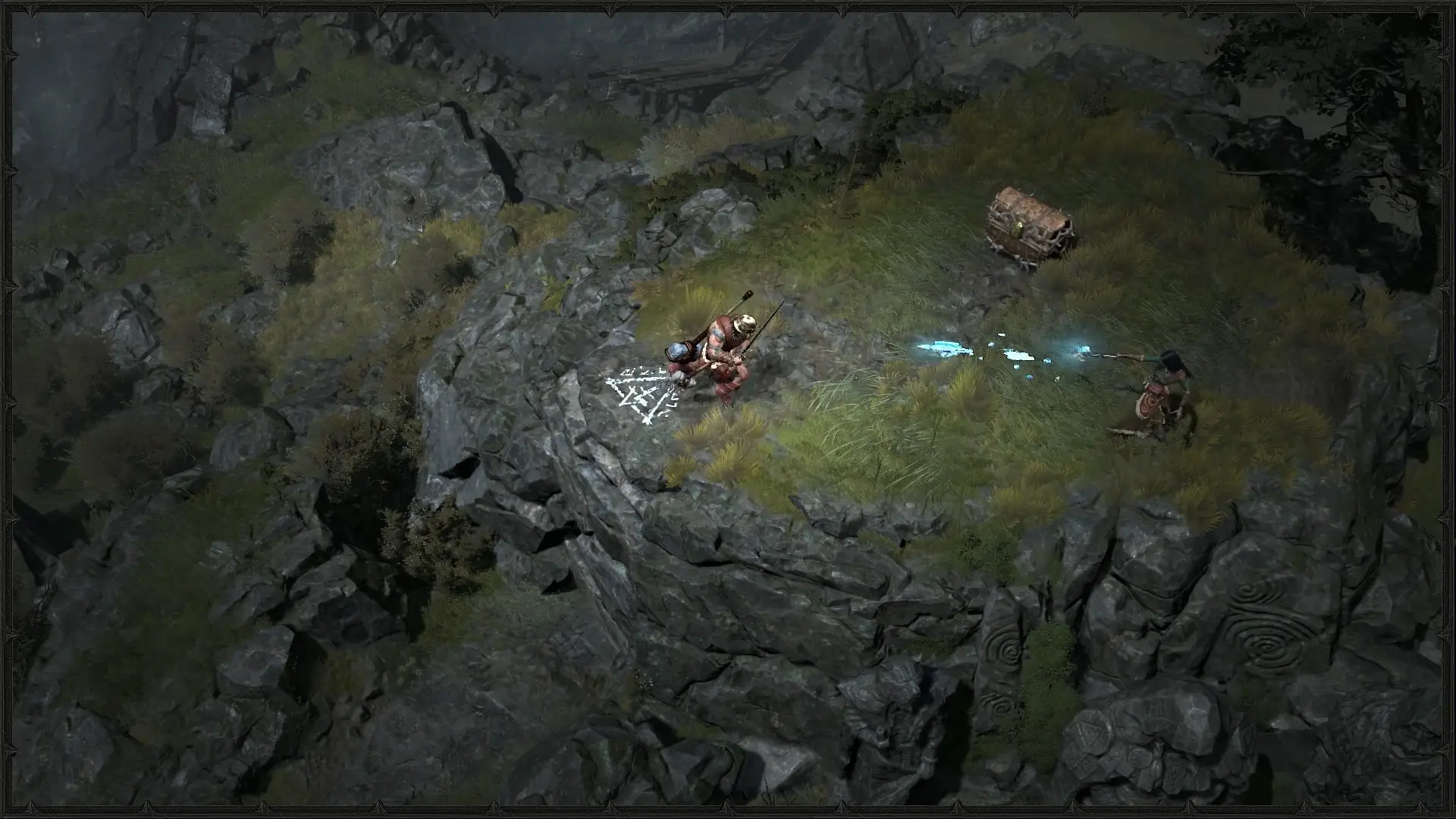
Lord of Hatred continues the story after Lilith’s defeat and Neyrelle’s struggle to contain Mephisto. The expansion sends players toward the ancient region of Skovos, described by Blizzard as the birthplace of the firstborn civilization and the former home of Lilith and Inarius. Its landscape includes volcanic areas, eastern forests, sunken land and waterlogged shores.

Skovos is not only a campaign backdrop. Temis, its capital, becomes an endgame hub after the Lord of Hatred campaign. Blizzard positions the city as a place where post-campaign activities and related systems can be reached from one location, while the campaign remains required to unlock some of the expansion’s systems.

Lord of Hatred adds the Paladin and Warlock classes. The Paladin channels Holy power through the Wardens of Light, while the Warlock uses forbidden powers and can command demonic forces. The expansion also includes the Spiritborn and Nahantu content from Vessel of Hatred, which is bundled as an instant unlock with Lord of Hatred editions according to Blizzard’s official expansion page.

Guide section

Progression changes for all players

The expansion release also reshapes hero progression across the game. Blizzard says all eight classes receive major Skill Tree reworks, new skill variants and a level-cap increase, whether or not the player owns Lord of Hatred. A Loot Filter is also available as a quality-of-life tool for sorting drops by the item properties that matter to a build.

The skill-tree changes are not a small balance pass. Blizzard’s official spotlight describes more than 40 reworked choices and 80 additional options, with expansion owners receiving 20 extra transformative variants. A Sorcerer’s Hydra is used as the example: variants can change attack speed, trigger explosions, create area damage or convert the skill toward Frost interactions. These examples explain the system’s scope, but they do not establish one universal build for every class.

Lord of Hatred also adds the Talisman. Charms drop in different rarities and become active when placed in the Talisman. Charms from the same set can unlock additional Set Bonuses, giving expansion owners another layer of equipment decisions beyond ordinary affixes.

The Horadric Cube debuts in Diablo IV as a crafting system. Blizzard describes recipes that can transmute affixes, change an item’s rarity, remove unwanted affixes and convert a common item into a Unique of the same type after the relevant unlock. Patch notes remain the authority for recipe costs and naming, because those values have already changed during Season of Death Awakening.

Guide section

Season of Death Awakening systems

The seasonal quest begins with a warning from an old friend and a Death Cult investigation connected to Zarbinzet. On the Seasonal Realm, players travel to Kyovashad and read the ominous scroll to begin A Gospel of Despair.

The main seasonal activity is the Pandemonium Rupture. Ruptures can appear throughout Sanctuary and occur more often in Helltide Zones. The longer a Rupture stays open, the more rewards it can provide. Closing one earns Glints of Hope, which can be spent at the reputation board in Zarbinzet.

Pandemonium Fragments come from the Reputation Board and the seasonal Lair Boss. Those fragments are used in the Horadric Cube to craft Mythic Unique items. Season Rank also unlocks Season Blessings and Smoldering Ashes, which can improve reputation, salvage materials, Masterworking results, Glyph upgrades or Ancestral Cache chances.

The Tower and Leaderboards provide a timed seasonal challenge with new rewards. Season of Death Awakening also includes Solo Self Found, which separates a character from ordinary player trading and group-based progression. Blizzard lists a Warlock trial as another seasonal feature, letting players test the class before deciding whether to purchase the expansion.

Guide section

Lord of Hatred endgame

The expansion’s endgame is built around choice between several activity types. War Plans lets a player create a chain of up to five activities from The Pit, Infernal Hordes, Helltides, Nightmare Dungeons, Lair Bosses and Kurast Undercity. The activity order can be played as one progression chain, and each activity has a related tree that can be customized.

War Plans can add modifiers to change how a run behaves. Blizzard gives examples such as a Butcher that can end a Pit run when killed, or a Lair Boss that infiltrates another activity. These modifiers turn the endgame into a planned sequence rather than a random list of separate errands, but the reward and difficulty results depend on the selections made in the War Plan.

Echoing Hatred is a rare event accessed through a Trace of Echoes obtained from loot. It sends the player into escalating waves of Mephisto’s forces, with randomized monsters, multiple bosses and increasing difficulty. The longer the run lasts, the stronger the test and the better the potential rewards. It is an endgame challenge for a build that can adapt under pressure, not a replacement for every other activity.

Guide section

Latest patch notes

Patch 3.1.3 on August 12 fixed a Season Rank objective involving beacons and Escalation Nightmare Dungeons, corrected a War Plans teleport issue on pre-Torment difficulties and fixed party access to the third stage of the Echo of Mephisto encounter. It also addressed class and visual issues affecting Druid, Necromancer and Warlock abilities.

Earlier 3.1 patches changed seasonal reward behavior, Superior Lair Key drops, Pandemonium Fragment rewards and Horadric Cube recipes. For example, the July 14 notes reduced the cost of the Upgrade to Mythic recipe from five to four Pandemonium Fragments, while later notes renamed that recipe to Craft for consistency. Read the current patch page before following an older material count.

Guide section

FAQ

Do I need Lord of Hatred to play Season of Death Awakening?

No. The season is playable without the expansion, but Blizzard says about 15% of seasonal objectives require Lord of Hatred, so some objectives and rewards are unavailable without it.

What is the difference between War Plans and Echoing Hatred?

War Plans is a customizable chain of up to five endgame activities. Echoing Hatred is a rare escalating-wave event accessed with a Trace of Echoes.

Is the Loot Filter exclusive to Lord of Hatred?

Blizzard describes the Loot Filter as a quality-of-life update arriving for the full game alongside the expansion. It is separate from the expansion campaign, although the exact options can change with patches.

What is the current patch?

The latest official patch listed on August 16, 2026 is build 3.1.3 for all platforms, released August 12.

Guide section

More Pixel Twelve coverage

Get Pixel Twelve's biggest stories first.

Add as a preferred source on Google