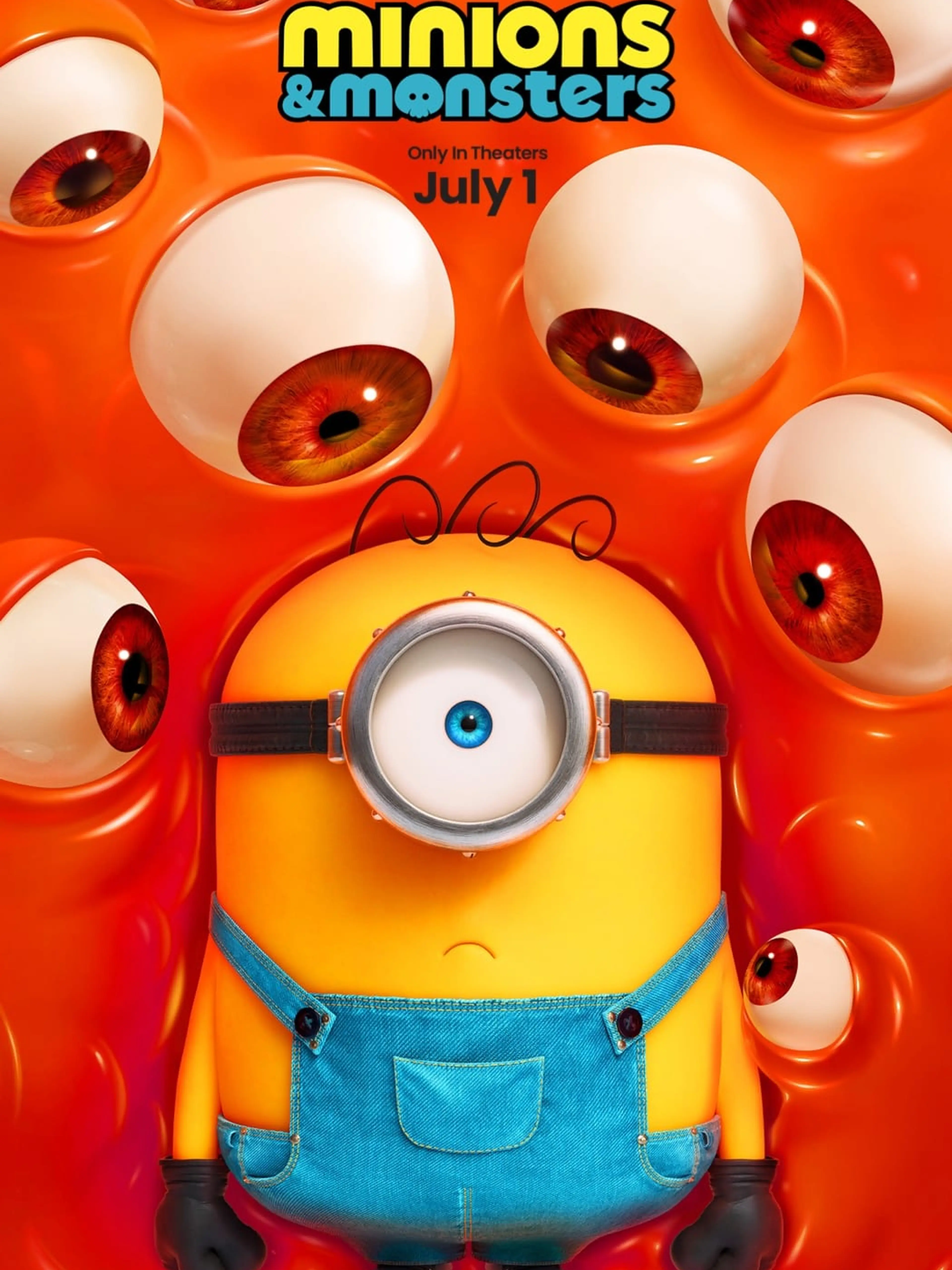
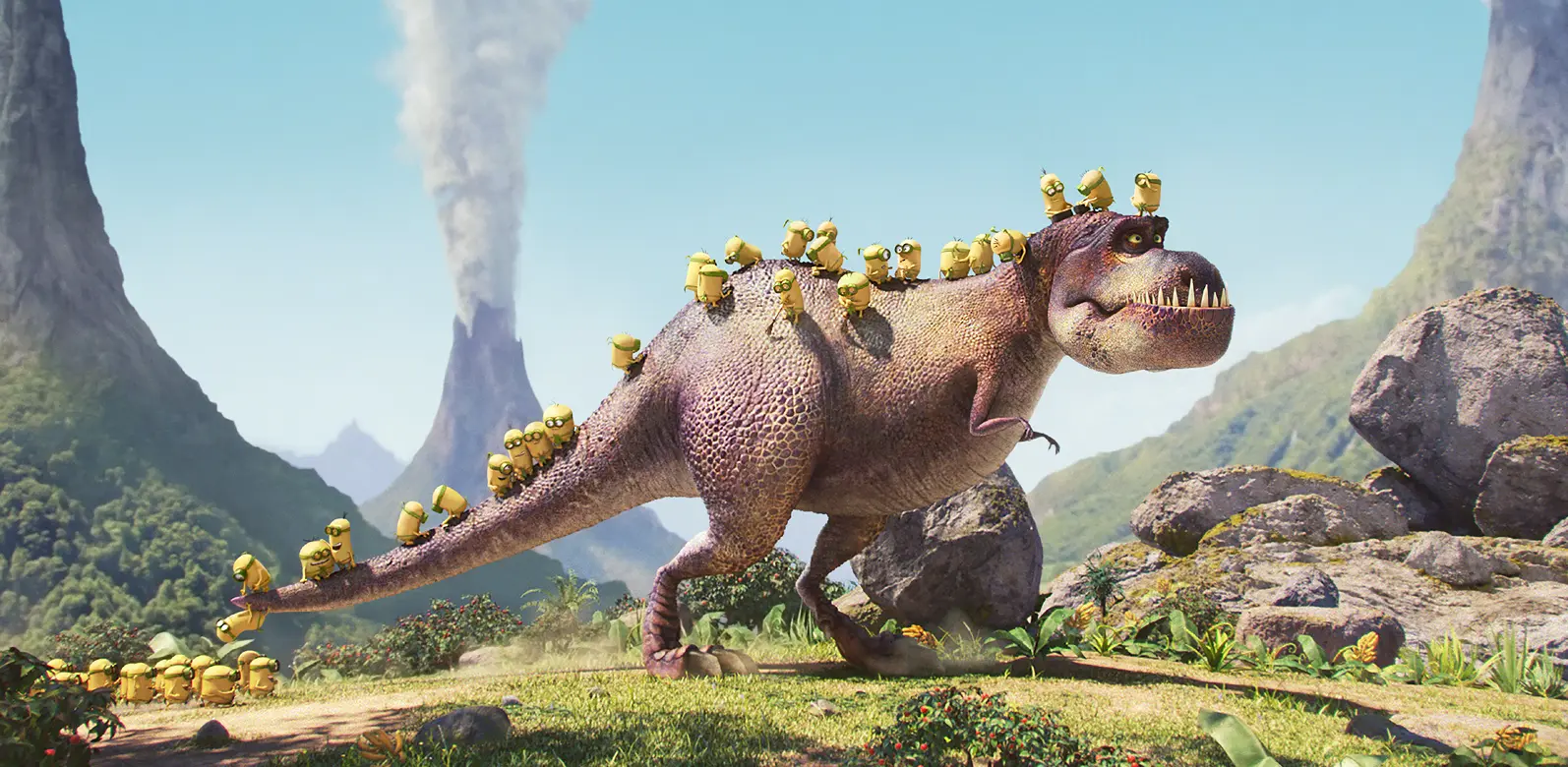
Minions & Monsters Review Companion: Why the Franchise Still Works
A review companion explaining why Minions & Monsters keeps the Despicable Me franchise alive through old Hollywood gags, slapstick, and family-friendly chaos.


Franchise
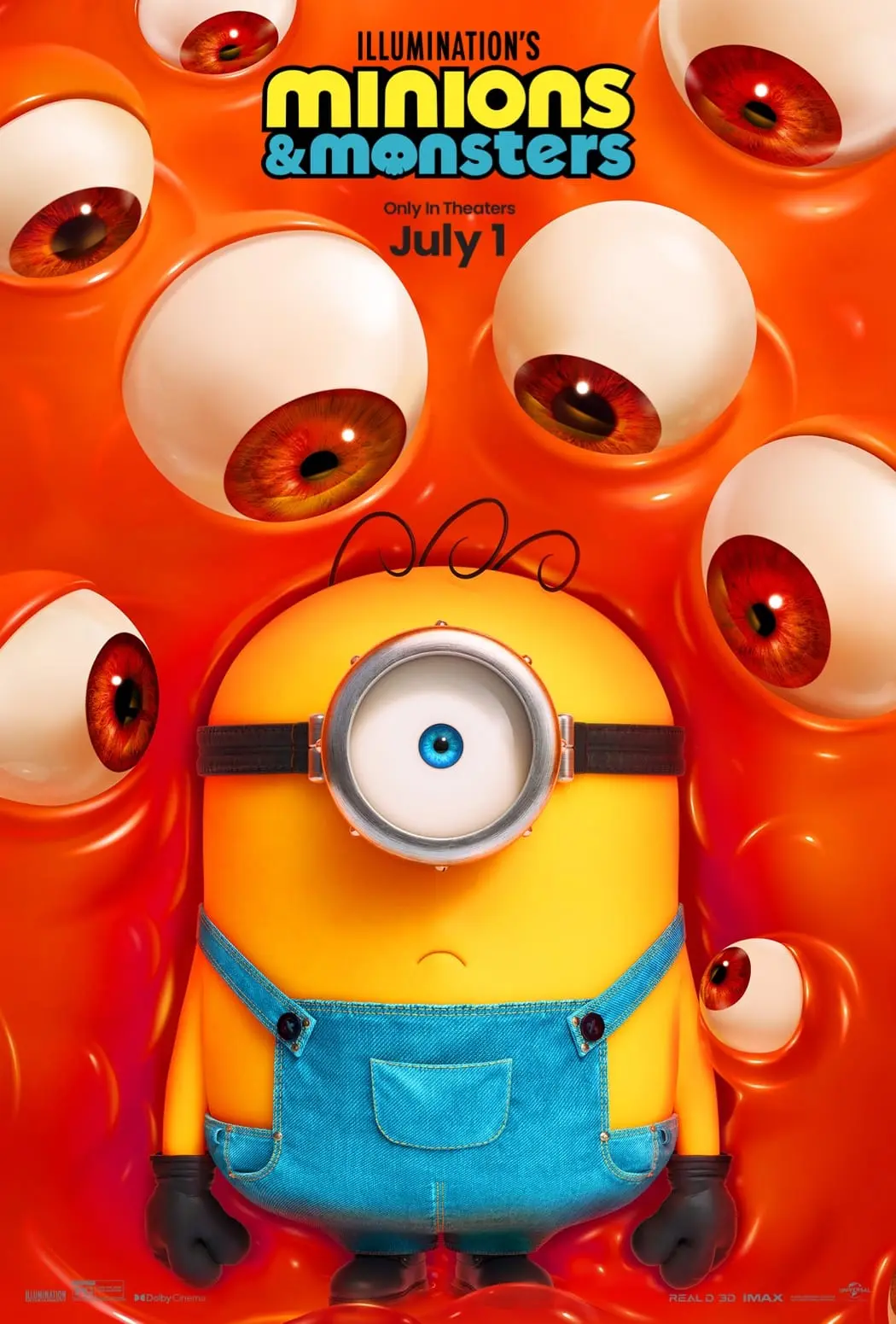
Minions is Illumination's Despicable Me spin-off franchise about Kevin, Stuart, Bob, and the yellow agents of chaos whose slapstick, nonsense language, villain worship, costume changes, old Hollywood detours, and accidental heroics keep turning mayhem into comedy.
Explore
Read next
A review companion explaining why Minions & Monsters keeps the Despicable Me franchise alive through old Hollywood gags, slapstick, and family-friendly chaos.
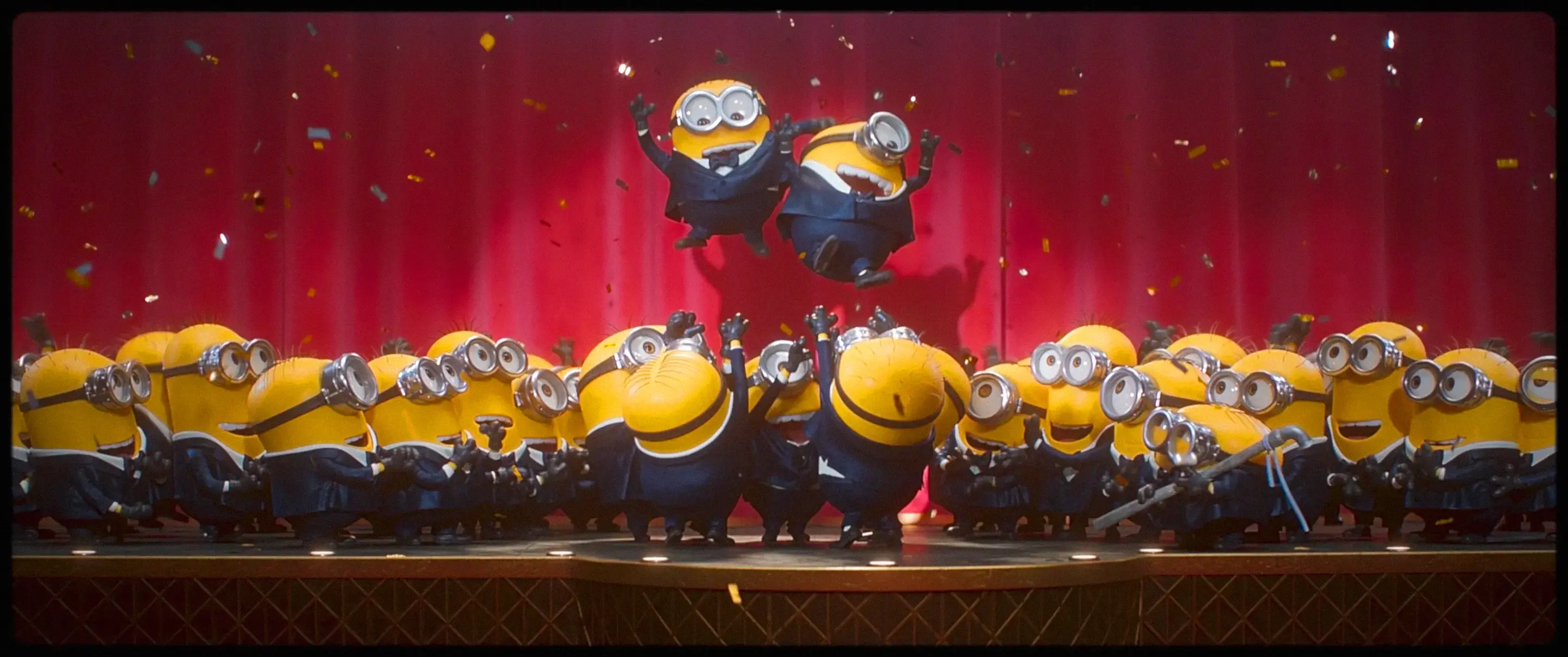
Minions & Monsters topped Toy Story 5 at the box office, but its franchise-low opening makes the victory look less comfortable.
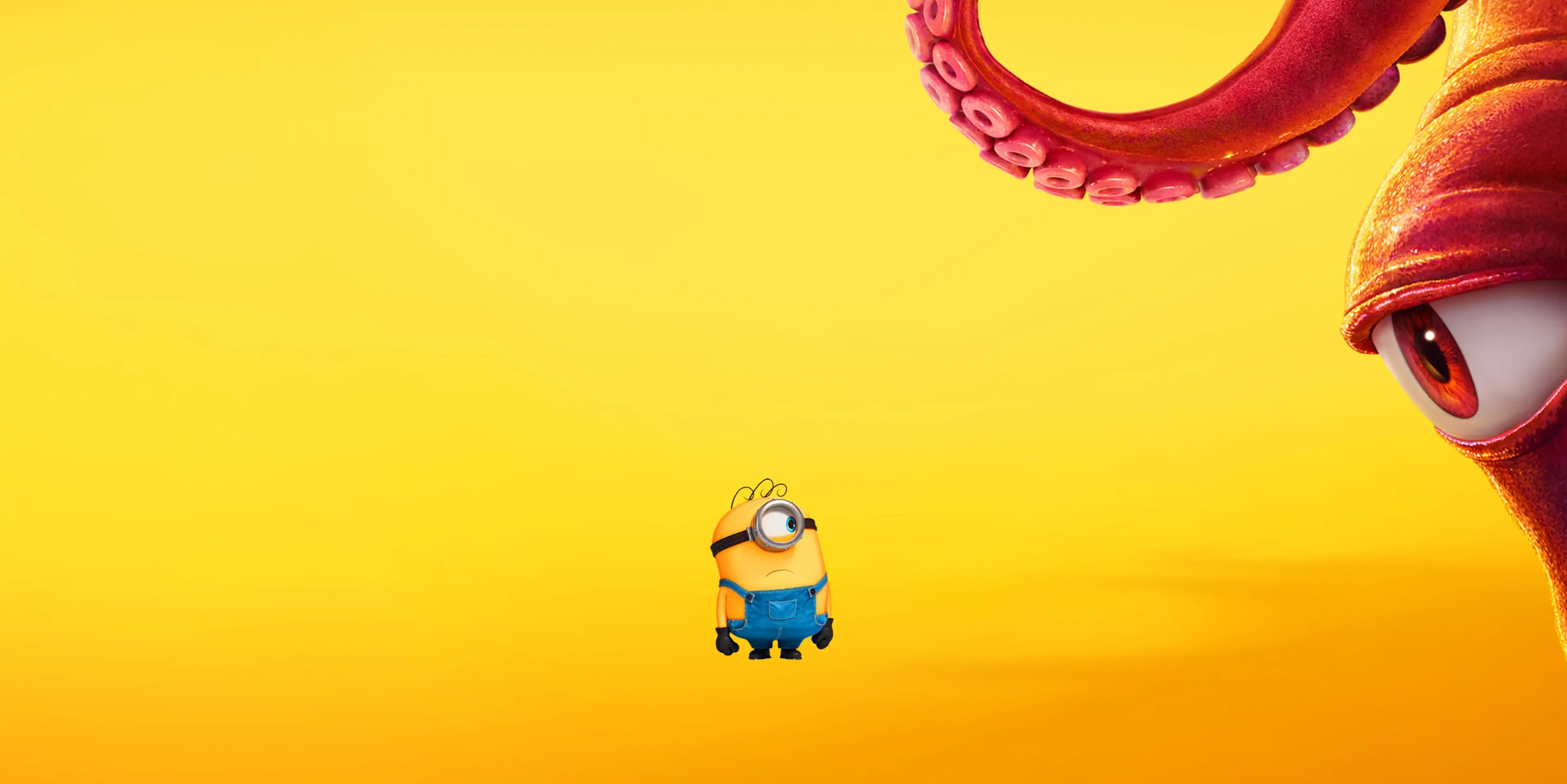
Critics praise Minions & Monsters for its old-Hollywood slapstick and movie-history jokes, while warning that its busy monster plot can crowd the frame.