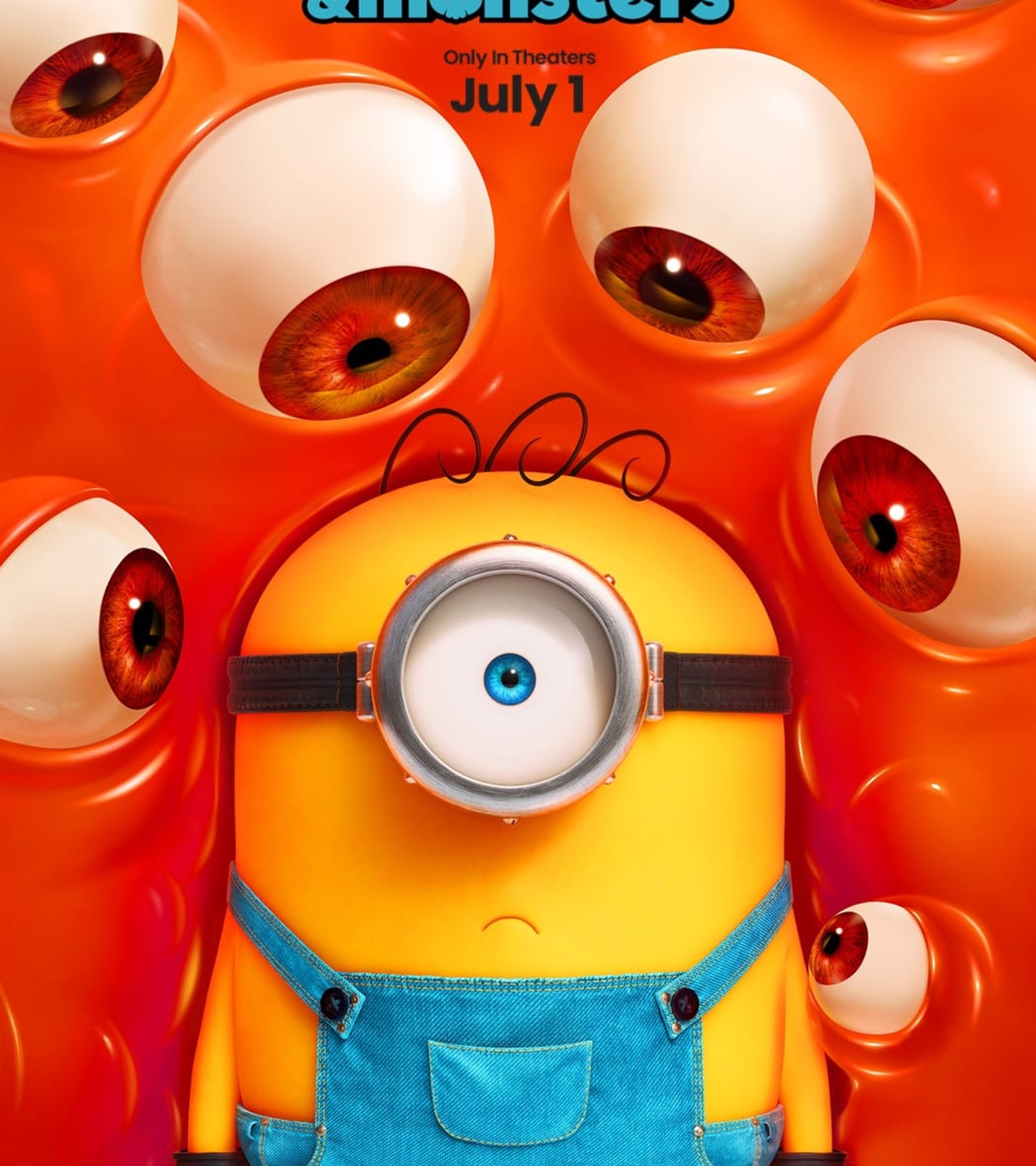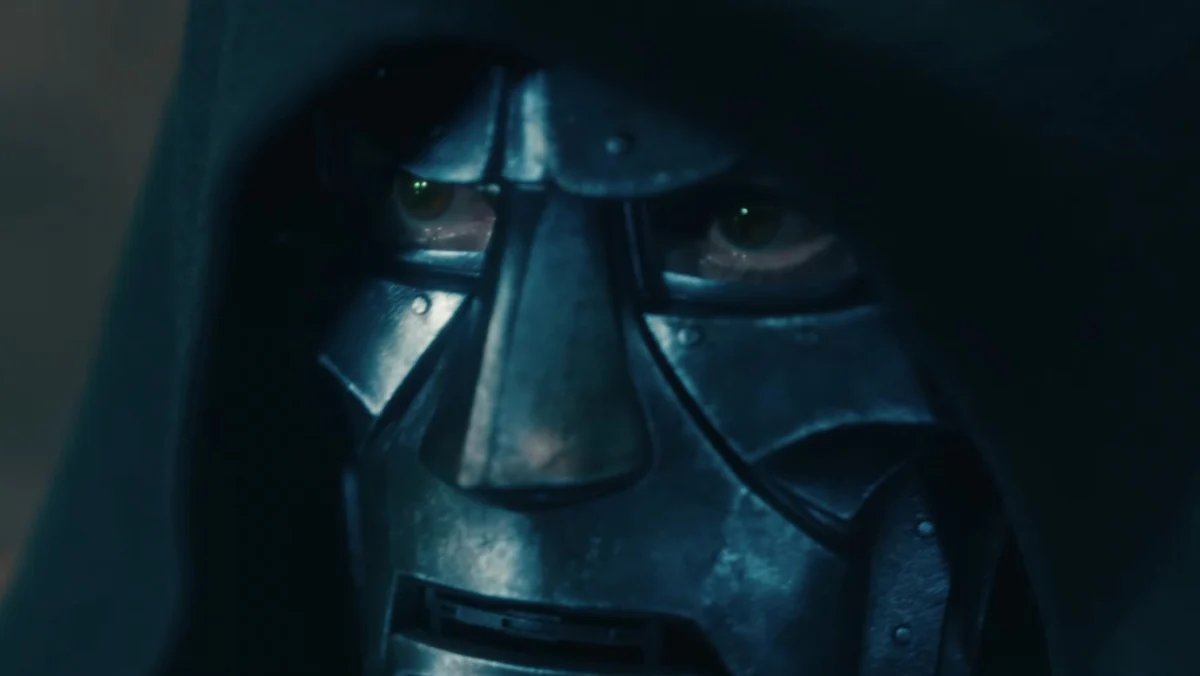
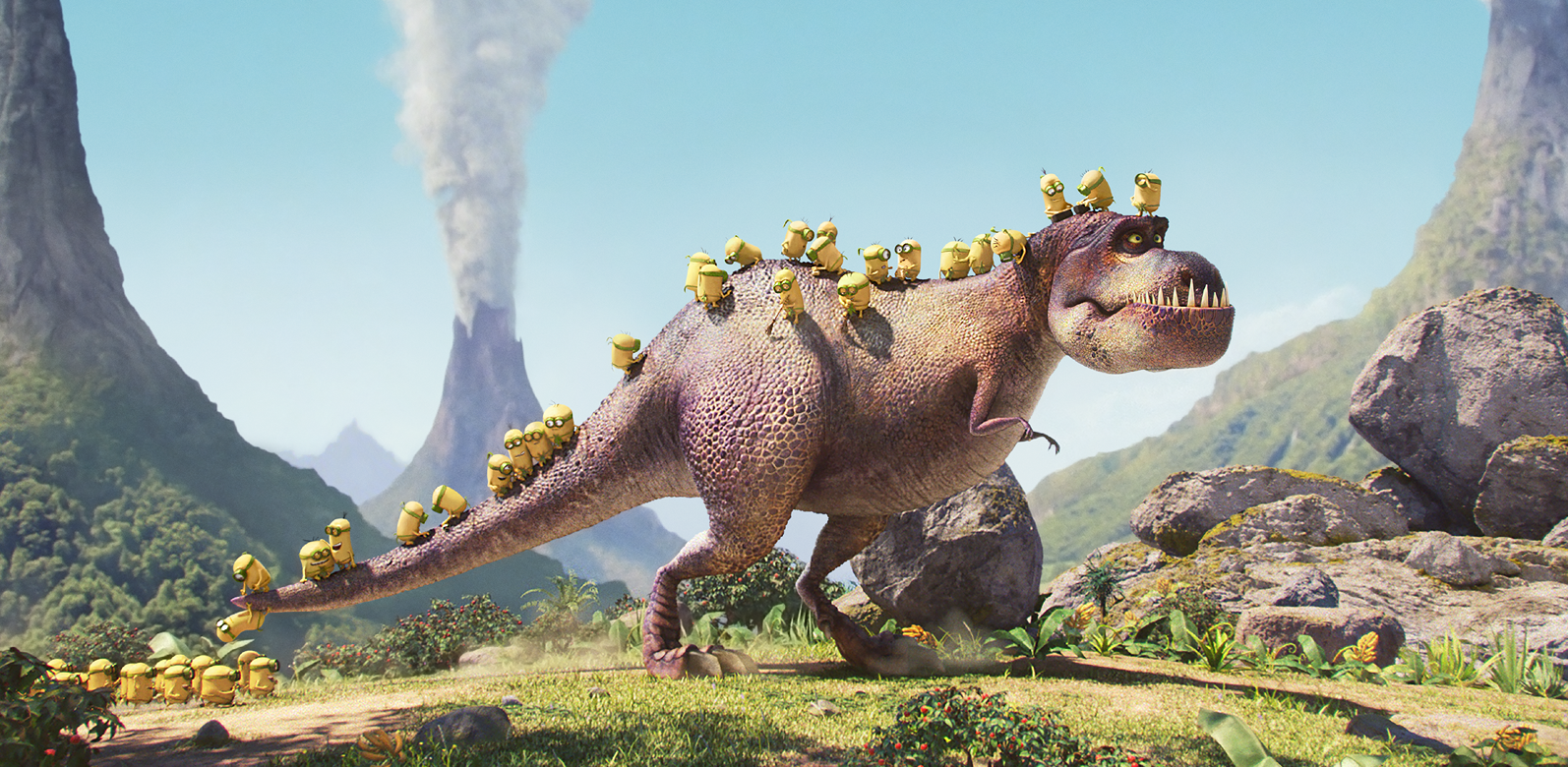
Minions & Monsters should not work as well as it does on paper. This is the seventh feature connected to Despicable Me and the third main Minions spinoff, which is usually the point where even fans start asking whether the yellow chaos has anything new left to do. The surprise is that the movie's answer is not to make the Minions deeper, sadder, or suddenly sophisticated. It lets them crash through movie history and turns their oldest joke into the point.
That is why the franchise still works. The Minions are not characters in the way Pixar leads are characters. They are comic engines. They run on noise, panic, bad decisions, physical timing, and just enough sweetness to keep the chaos from becoming mean. Minions & Monsters understands that better than some earlier entries did. It does not try to make them carry a heavy emotional arc by force. It gives them a playground that rewards their specific kind of nonsense.
The result is a review companion worth separating from a normal review. The question is not only whether Minions & Monsters is funny. The better question is why this franchise can still pull parents, kids, adults who pretend they are above it, and actual film nerds into the same room.
The Old Hollywood Angle Gives the Minions a New Toy Box
The strongest idea in Minions & Monsters is the Hollywood-history setup. Reviews from The Film Verdict and DiscussingFilm both point to the movie's love of old cinema, from silent-era chaos to moviegoing itself. That is a smart move because the Minions are basically silent-comedy creatures already. They speak in gibberish, they communicate through movement, and the joke is usually visible before it is verbal.
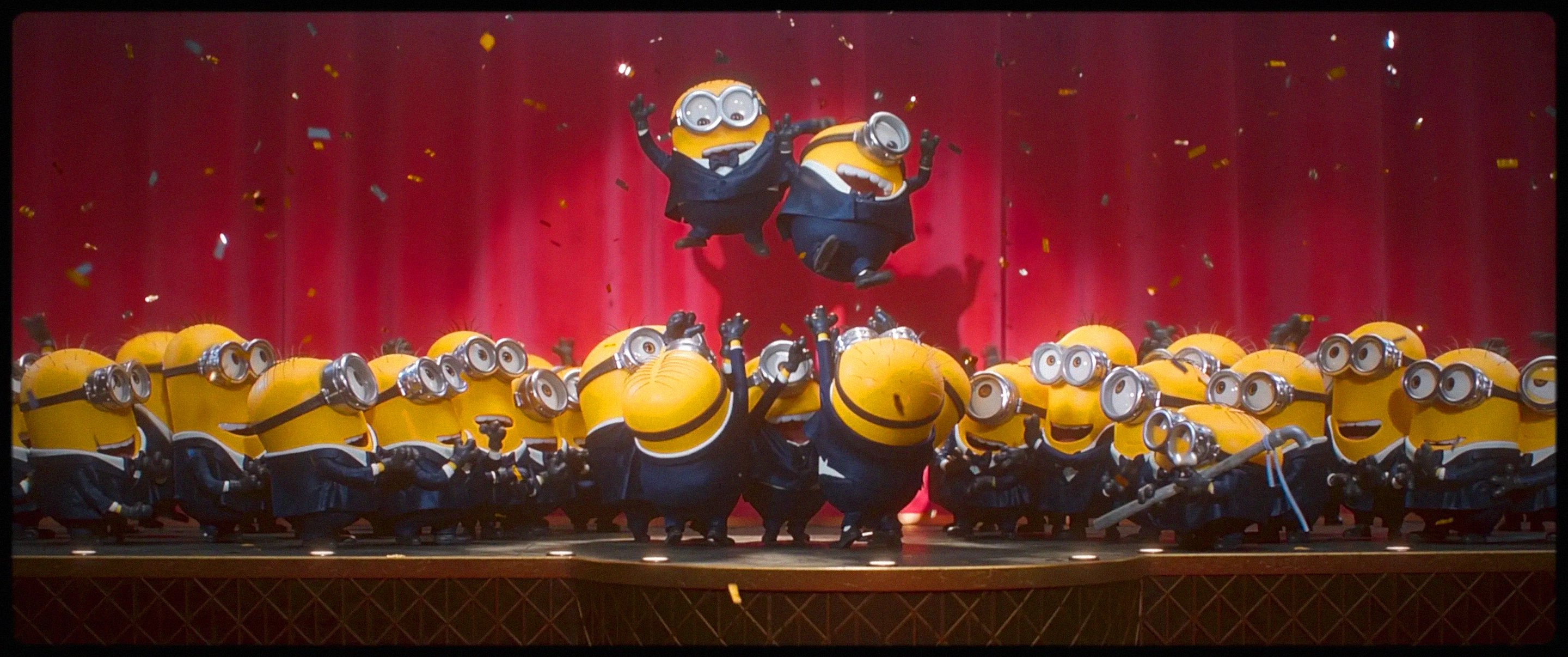
Put them in 1920s Hollywood, and suddenly the franchise's limitations become advantages. The Minions do not need elegant dialogue to riff on silent film. They do not need emotional speeches to crash into physical comedy. They are built for falling, running, misunderstanding, overreacting, and somehow surviving disasters they caused five seconds earlier.
That is also why the movie can appeal to adults without abandoning kids. A child can laugh because a Minion is getting swallowed by a movie set. An adult can notice the Chaplin, Keaton, Harold Lloyd, or Orson Welles flavor around the gag. The movie does not require film-school homework, but it rewards anyone who recognizes the references.
The Franchise Works Because the Minions Are Not Precious
A lot of long-running animated franchises start protecting their characters too much. Everybody has to learn, grow, heal, or deliver the trailer line about family. The Minions are funnier because they are not precious. They can be ridiculous, selfish, loyal, cowardly, brave, and completely useless in the same scene. They do not need to be role models every minute.
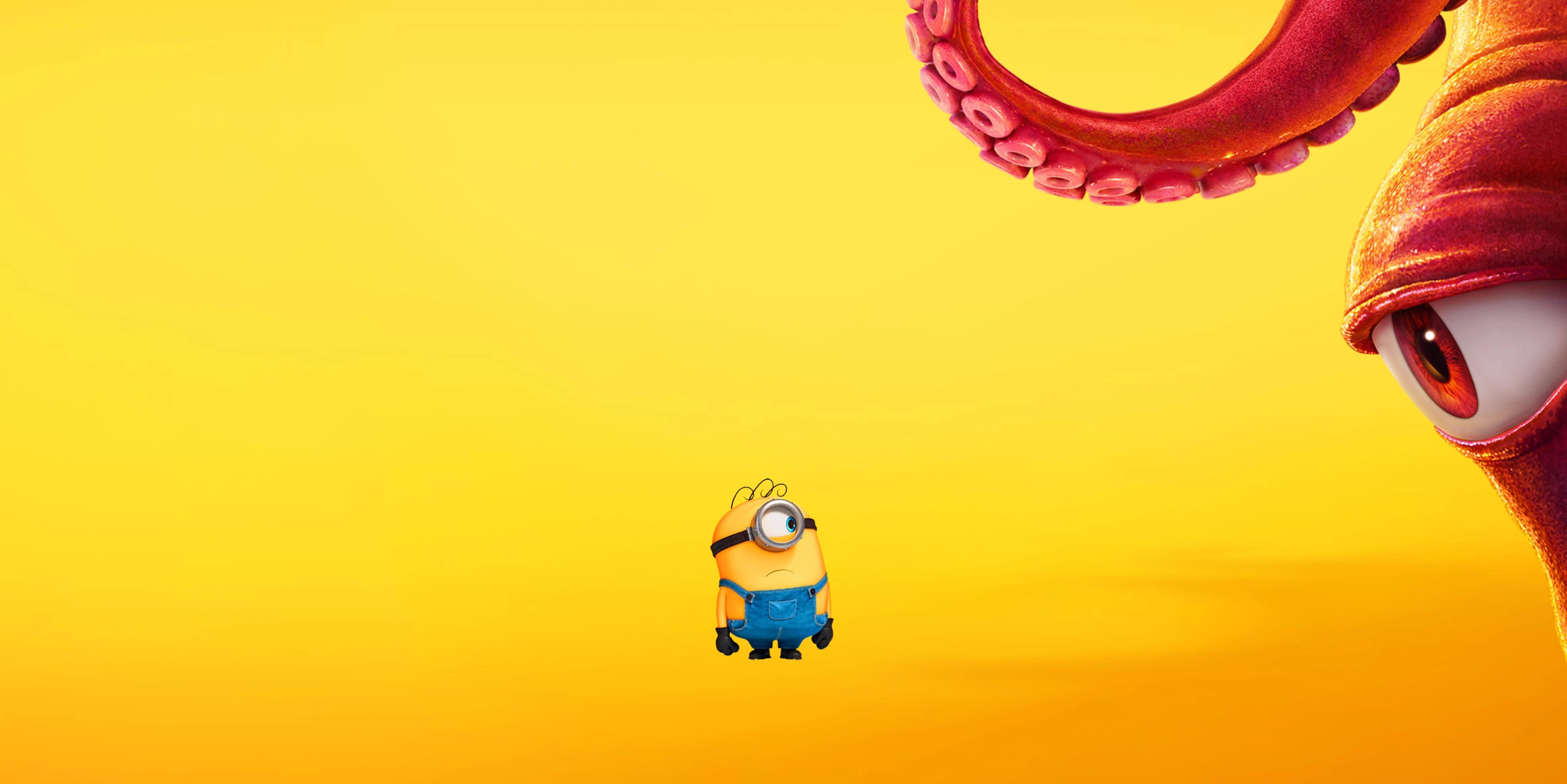
That looseness gives Illumination room to keep changing the frame around them. In Minions & Monsters, the movie can start as a tribute to early filmmaking, veer into monster-movie mayhem, and still feel like the same brand because the Minions themselves are the chaos glue. They are not there to make the plot realistic. They are there to keep the plot from sitting still long enough to feel stale.
The new characters help too. Reviews highlight James and Henry as Minions with filmmaking dreams, which gives the movie a slightly clearer engine than another quest for a master. That tiny adjustment matters. A Minion wanting to make a movie is still silly, but it gives the slapstick a direction. The chaos is not random noise; it is creative ambition filtered through creatures who should never be trusted near equipment.
That is a smart franchise correction. The Minions can become exhausting when the movie treats them like a volume knob and keeps turning it up. They work better when the chaos has a task. Make a movie. Survive a set. Impress someone. Ruin the exact thing they are trying to save. A simple goal gives every banana-brained detour a place to return to.
It Gives Adults Permission to Laugh
The secret to the Despicable Me and Minions machine has always been mixed embarrassment. Adults know some jokes are childish. They laugh anyway. Minions & Monsters makes that easier by wrapping the childishness in a bigger love letter to cinema. The Film Verdict calls out the practical magic of moviemaking and the collective experience of seeing movies together, which is exactly the kind of idea that lets adults lean in without feeling like they are only babysitting.
That does not mean the movie becomes high art because it references old Hollywood. It is still a Minions movie. It still wants easy laughs, fast movement, weird voices, and bright nonsense. The trick is that the movie's old-Hollywood frame gives those easy laughs a cleaner reason to exist. It turns the Minions into accidental movie-history participants, which is much funnier than simply dropping them into another villain chase.
Rotten Tomatoes' current consensus also points in that direction, framing the movie as an affectionate sendup of moviemaking magic and one of the franchise's more enjoyable entries. Aggregator scores move over time, but the pattern is useful: critics are responding to the fact that this one has an angle beyond more Minions.
That is the difference between a sequel that feels mandatory and a sequel that feels playful. Minions & Monsters is still an obvious studio bet, but the movie's shape gives it a reason to exist beyond brand maintenance. It uses the Minions to talk about cinema's oldest pleasures: scale, illusion, audience laughter, stunt timing, and the magic trick of making something fake feel alive.
Why It Still Connects With Kids
The adult-facing references would not matter if the movie stopped working for kids. The franchise still survives because the basic Minion language is immediate. You do not need to understand the history of silent comedy to enjoy a tiny yellow disaster sprinting through a scene. You do not need to know Universal's old logo history to laugh at the noise and escalation.
That accessibility is easy to underestimate. A lot of family movies try to split the difference by giving kids one movie and adults another movie in jokes over their heads. Minions & Monsters seems to work better because the same gag can hit both audiences at different depths. The movement is funny for children. The context is funny for older viewers. Nobody has to wait politely for their half of the joke.
That is why the franchise keeps surviving fatigue. Even people tired of Minion branding can understand the appeal when the gag is staged well. The characters are bright, durable, and readable from the back row. That may not sound glamorous, but it is exactly what family animation needs when the goal is to make a crowded theater laugh at the same time.
There is also a generational advantage. Kids do not experience Minion fatigue the way adults do. For a new young viewer, the characters are not a decade-plus marketing machine. They are little weirdos who make loud sounds and fall into trouble. The franchise keeps resetting itself because every few years there is another audience young enough to meet the joke for the first time.
The Weakness Is Still the Same Old Minion Problem
The danger is that too much Minion chaos can become mush. DiscussingFilm's review is positive, but even there the note appears: side quests and apocalyptic danger can overfill the movie. That is the franchise's recurring problem. The Minions are funniest in sharp bursts and clean visual setups. Stretch the noise too long, and the gag can start chasing itself.
Minions & Monsters works because its best idea is strong enough to cover some of that sprawl. Old Hollywood gives the movie shape. Monster-movie chaos gives it scale. James and Henry give it a small emotional lane. But the franchise should treat this as a lesson, not a blank check. The Minions do not need bigger stakes every time. They need better rooms to destroy.
That is where the Despicable Me side of the universe still matters. Gru gave the original franchise a family story, a villain-comedy hook, and an emotional reason for the chaos to land. The Minions on their own need a strong external frame because they are not built to carry sincerity for too long. Minions & Monsters finds one of the better frames by making the movies themselves the joke.
That is the real reason the franchise still works in 2026. It is not because every Minions joke is fresh. It is because the characters are flexible enough to become funny again when the world around them is specific. In Minions & Monsters, that world is cinema history, and the fit is better than expected. The little yellow goofballs are not evolving into something else. They are finally being used in a setting that understands what they were built to do.
That may be the healthiest future for the franchise. Do not try to make the Minions respectable. Do not pretend they are subtle. Put them in worlds with clear comic rules and let their stupidity collide with those rules as hard as possible. Minions & Monsters works because it remembers that the franchise's best weapon is not depth. It is timing, momentum, and a complete lack of shame.