
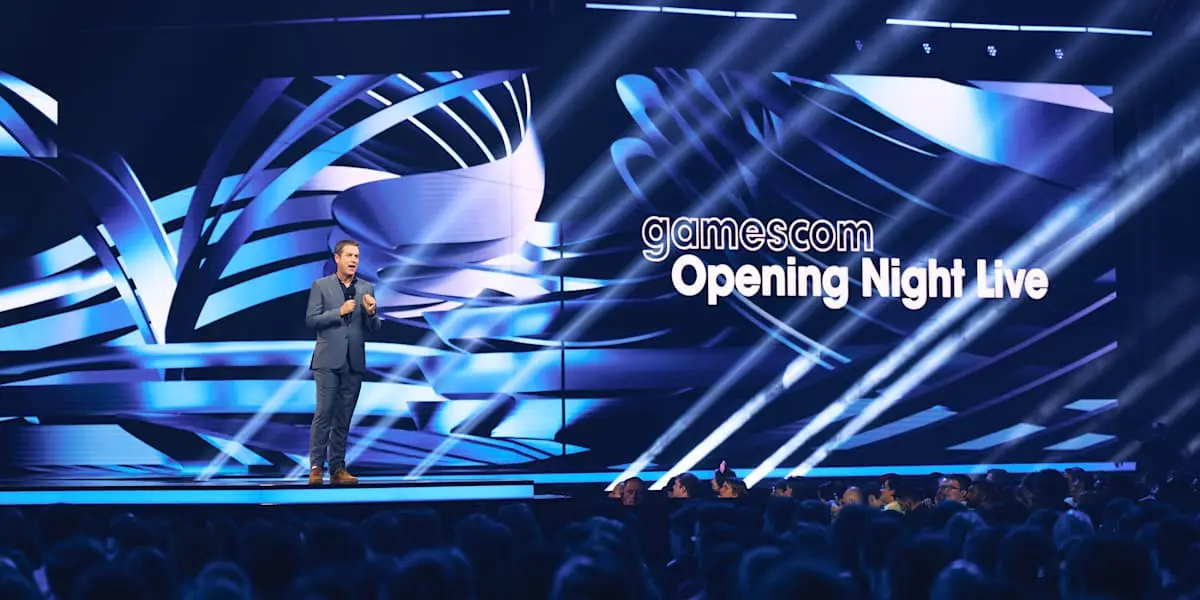
The 10 Games Everyone Is Talking About After Gamescom 2026
Gamescom 2026 delivered new trailers, playable demos, and release dates. These ten games are driving the early conversation around the show.


Franchise
Game of Thrones is HBO's Westeros fantasy franchise built from George R.R. Martin's world of dragons, succession wars, noble houses, betrayals, prophecy, and power that always seems to demand a blood price from anyone close enough to touch it.
Explore
Read next
Gamescom 2026 delivered new trailers, playable demos, and release dates. These ten games are driving the early conversation around the show.
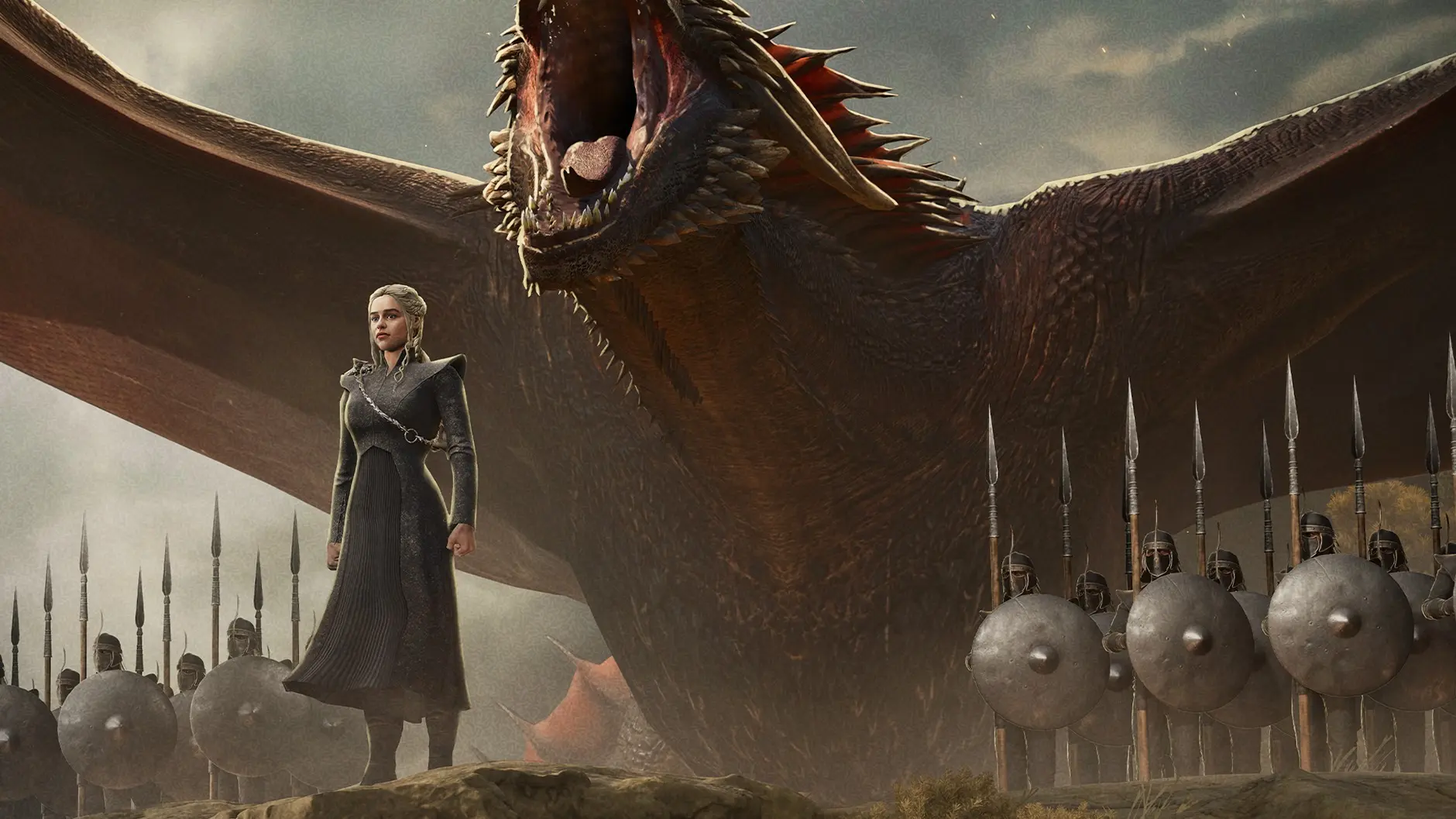
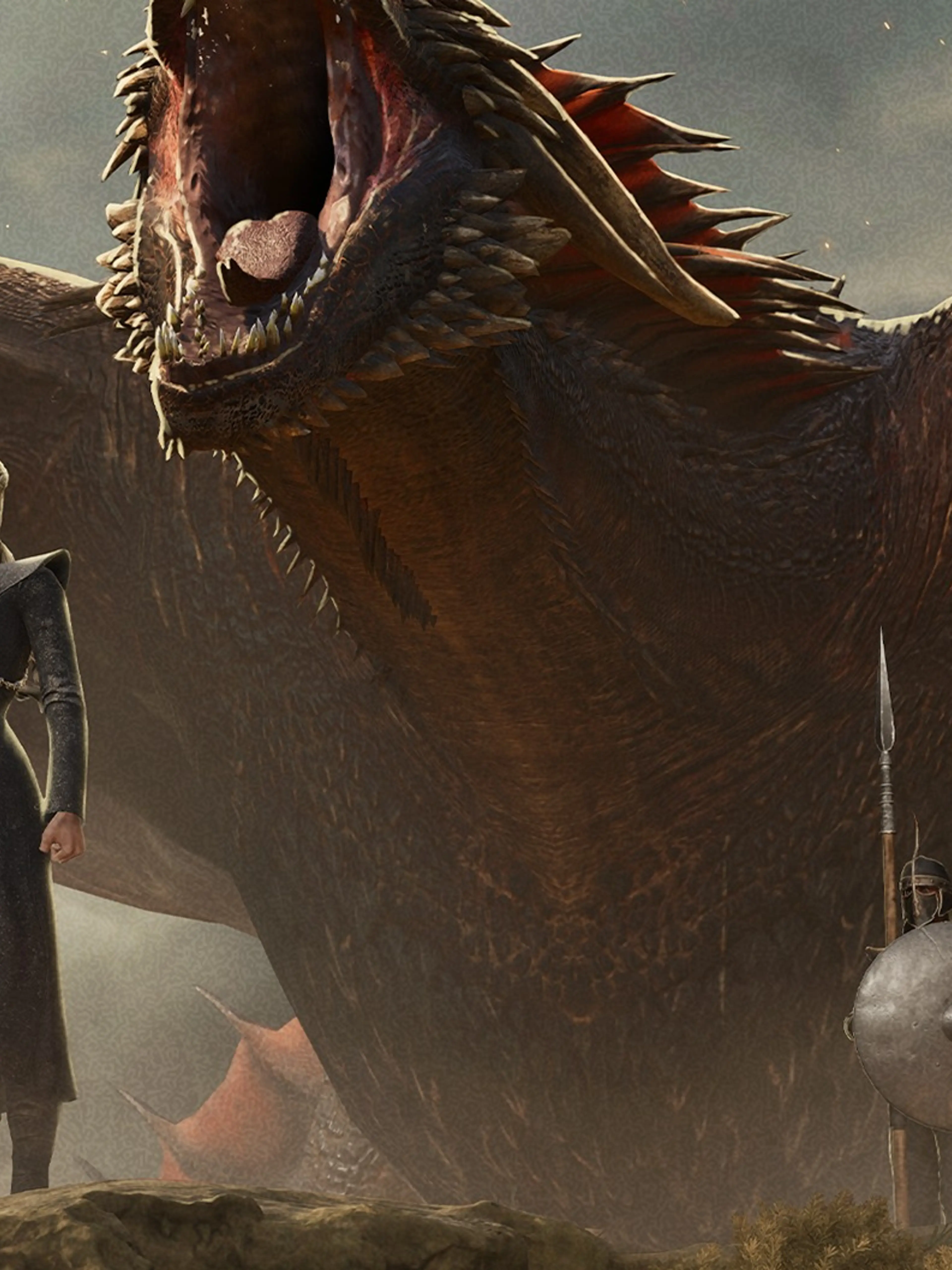
Game of Thrones: War for Westeros will show its first official gameplay trailer at Gamescom Opening Night Live. Here is what the teaser, factions, combat systems, and early 2027 window tell us before the reveal.
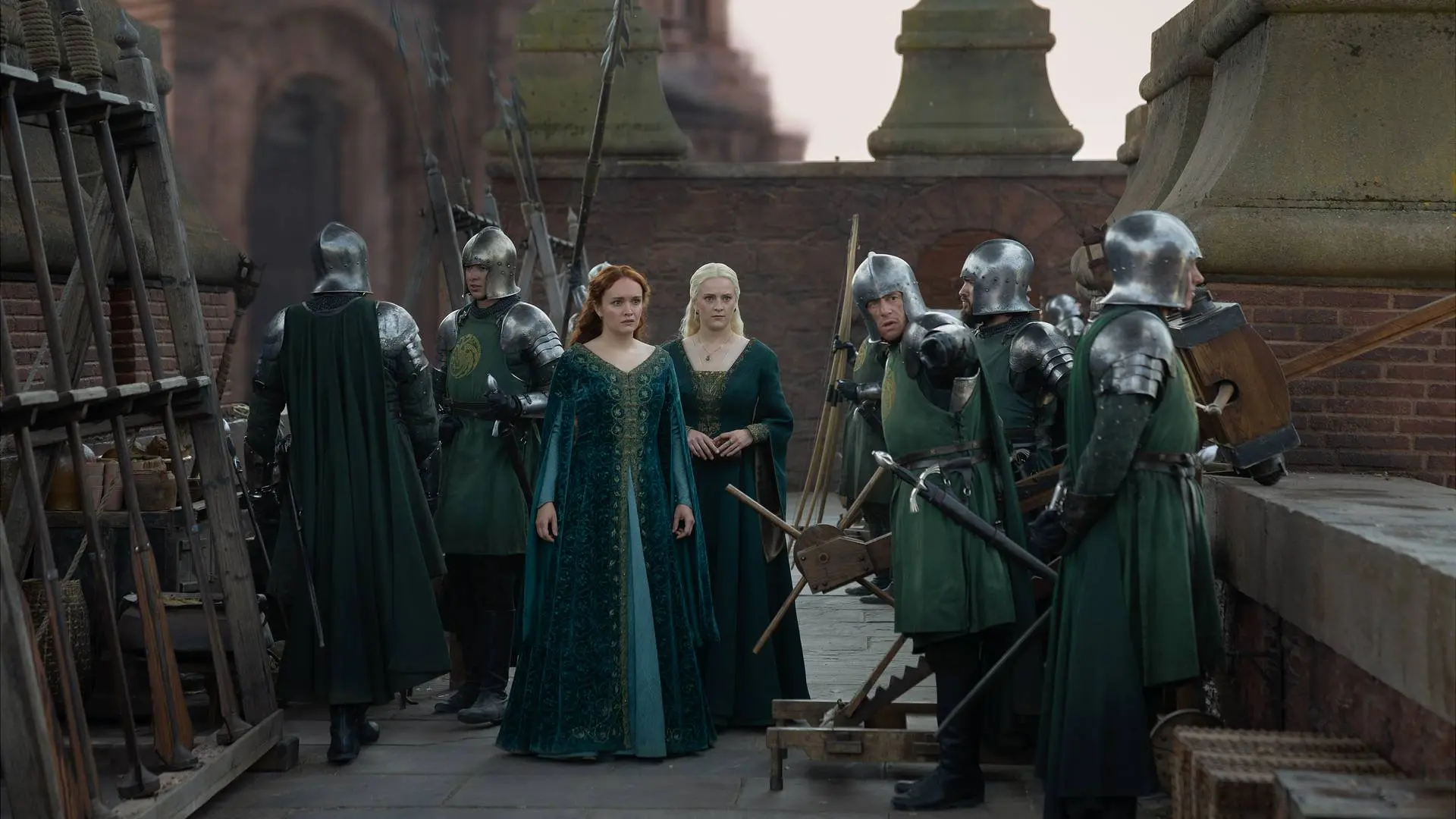
Fans think House of the Dragon Season 3 may have winked at George R.R. Martin's old toxic butterflies warning, but the bigger story is adaptation trust.