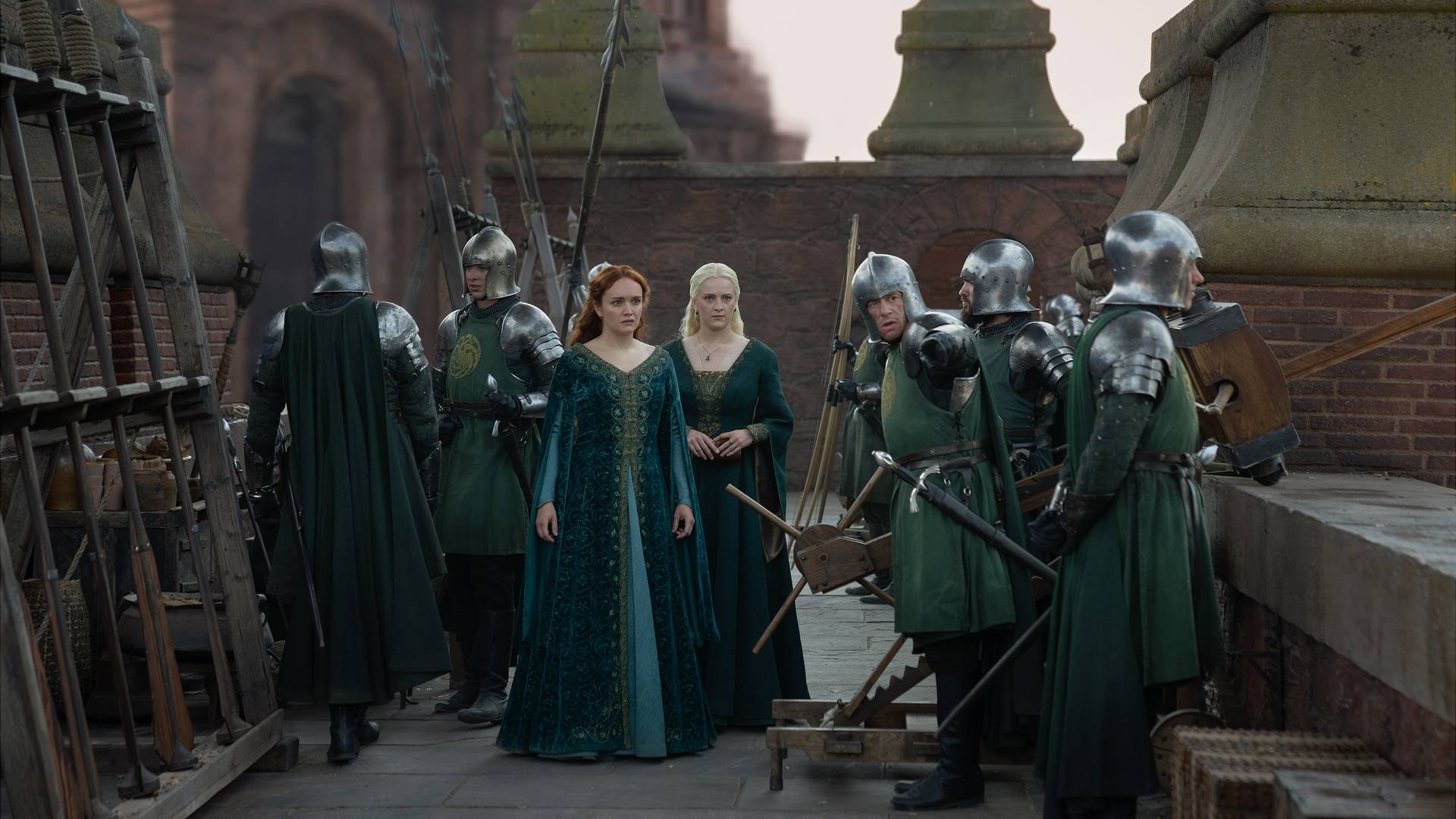
House of the Dragon fans did not need a dragon battle to start arguing this week. Season 3 Episode 2 already gives viewers a huge shift in Westeros, with Rhaenyra finally taking King's Landing and sitting the Iron Throne. But the moment that keeps traveling online is much smaller: Helaena reading about butterflies from Naath, the poisonous kind that can kill outsiders who come to the island.
On its own, that is a very House of the Dragon detail. Helaena has always been written as someone who sees the world sideways, and the show often gives her strange, quiet images while everyone else is shouting about crowns and armies. The reason fans locked onto this one is the wording. George R.R. Martin's deleted 2024 blog post about the show was titled Beware the Butterflies, and his biggest warning was about changes from Fire & Blood creating bigger problems later.
That is the whole fan theory in plain English: viewers think the show may have slipped in a little joke, wink, or jab at Martin's own complaint. No one from HBO has confirmed that. GamesRadar framed it as something fans think they spotted, not as official intent. Still, when a character reads about literally toxic butterflies after Martin once warned about toxic butterfly effects, it is not hard to see why the fandom noticed.
Why Fans Clocked the Butterfly Detail
The background matters because this was not a random old interview quote. Martin's post criticized the way House of the Dragon changed the Blood and Cheese story by removing Maelor, one of Helaena and Aegon's children from Fire & Blood. His argument was not only that the book version was harsher. He was worried that cutting one small piece would change the emotional logic of later events, especially Helaena's arc and the public reaction to tragedy in King's Landing.
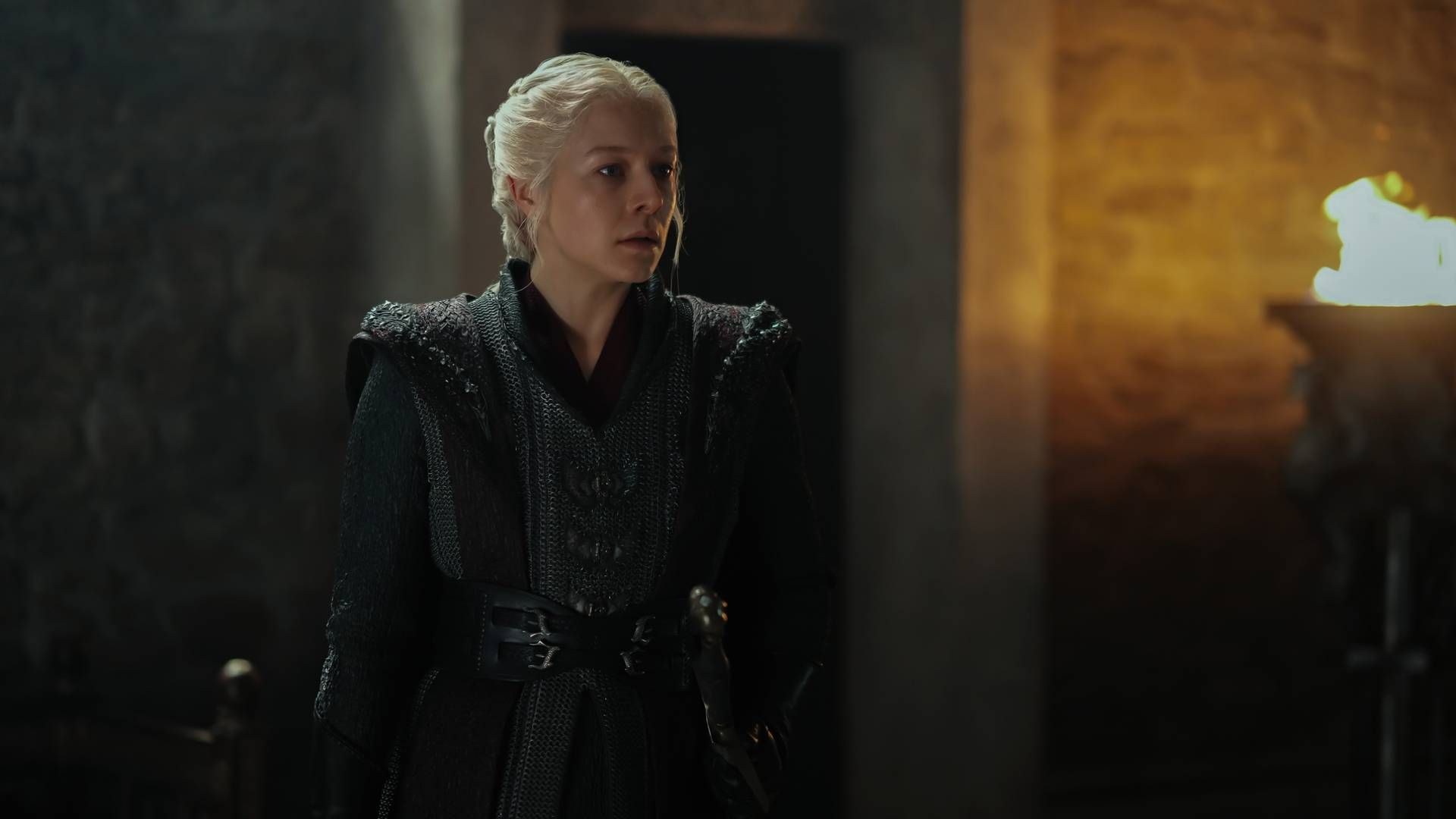
GQ and The Guardian both covered the deleted post at the time, and the useful point for casual viewers is simple: Martin was talking about cause and effect. In adaptation, one removed character or one simplified scene can force the writers to solve five problems later. That is what he meant by butterflies. Not insects in a garden, but story choices that flap once and become storms down the line.
That makes Helaena's butterfly book feel unusually pointed. Maybe it is only a clever bit of worldbuilding. Naath is already established in Game of Thrones lore, and the idea of beautiful creatures that are deadly to outsiders fits the series' taste for pretty, brutal symbolism. But because the butterfly phrase became attached to Martin's public frustration, the scene now carries baggage whether the writers meant it to or not.
The Bigger Issue Is Trust, Not One Prop
The most interesting part is not whether the show was being petty. It is that viewers are watching House of the Dragon with the adaptation drama in the back of their minds. A lot of shows make changes from the book. This one has the author himself on record saying some changes could have serious consequences. That gives fans permission to treat every unusual detail like a clue in two mysteries at once: what is happening in Westeros, and what is happening between the show and the source material.
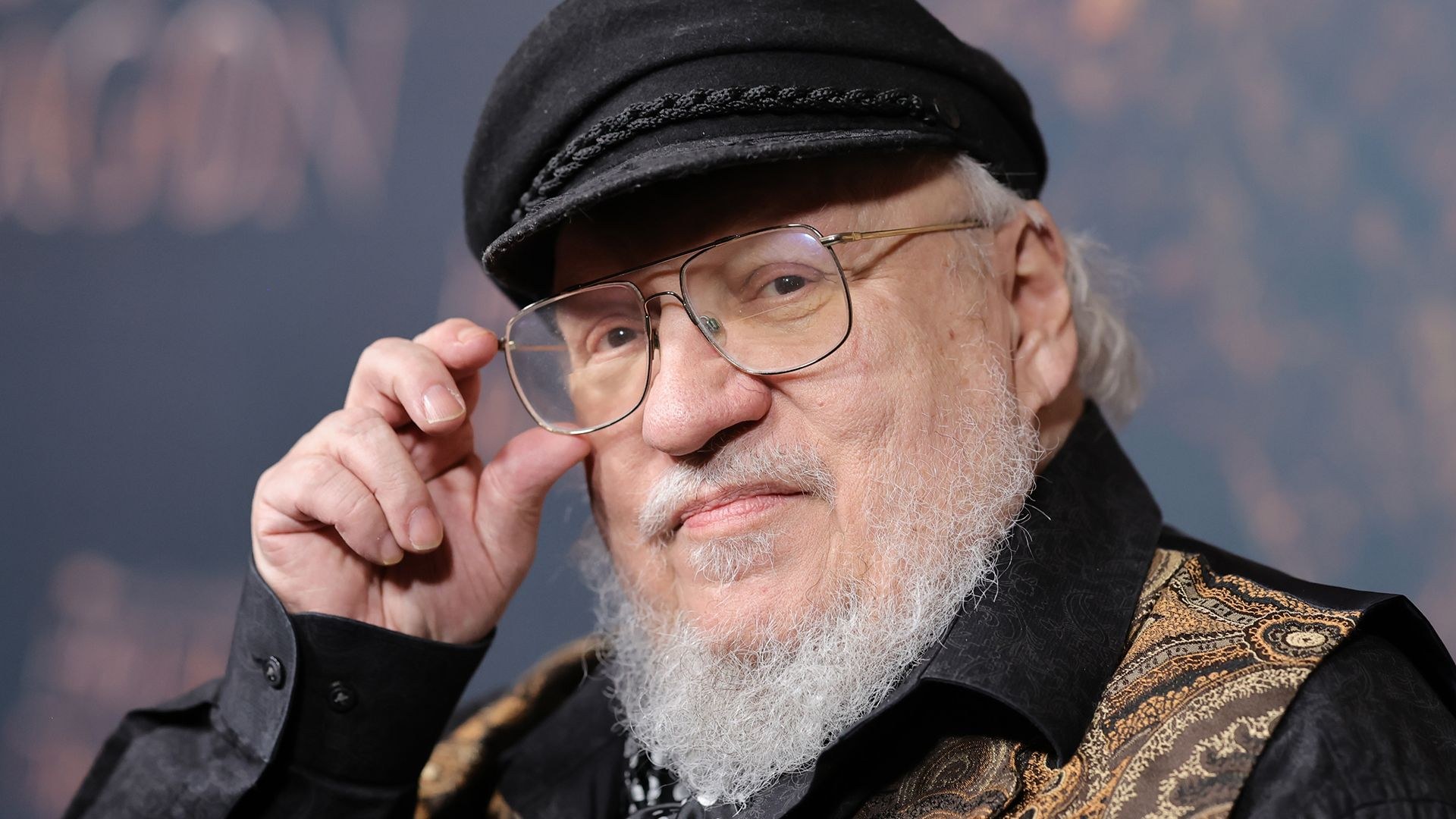
There are two easy ways to read the scene. The generous version is that House of the Dragon is having a little fun with a controversy everyone in the fandom remembers. That kind of self-awareness can work, especially in a show built on subtext, coded insults, and people saying one thing while meaning another. The harsher version is that the series is needling the author whose book it is adapting, which would make the joke feel less like confidence and more like a backstage argument spilling onto the screen.
The safer read is to keep it as fan interpretation. A butterfly reference does not prove intent. It does prove that Martin's warning has stuck to the show. The phrase has become shorthand for a real audience anxiety: if the series changes the chain of events too much, will the emotional payoff still make sense when the war gets uglier?
That is why the moment works as a fan-reaction story. It is easy to understand, it connects to a known behind-the-scenes tension, and it asks a fair question without pretending to have an answer. House of the Dragon now has two civil wars for viewers to follow. One is the Targaryen fight onscreen. The other is the argument over how much Fire & Blood the show can change before fans stop trusting the shape of the story.