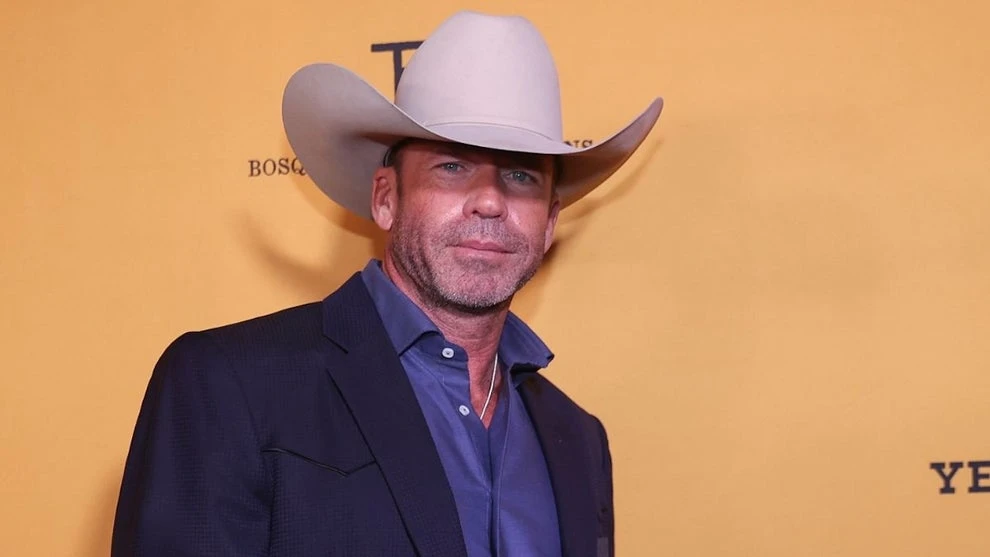
Yellowstone is now at the center of a copyright lawsuit, but the filing is an allegation, not a ruling. Virginia writer and entertainment journalist Lauren J. Salkin says a series pitch she sent to Taylor Sheridan’s representatives in 2016 and 2017 was later used in the Paramount Network drama. She called her project Sovereign Nation. Sheridan, Paramount, NBCUniversal, and several production companies are named as defendants.
What Salkin says happened before Yellowstone
According to the complaint reviewed by TheWrap and The Independent, Salkin submitted a pilot script and supporting materials for Sovereign Nation to Elevate Entertainment, the company that represented Sheridan. She says the company confirmed that her materials had been reviewed and sent a rejection saying Sheridan was unavailable for television projects.
The lawsuit says Paramount greenlit Yellowstone within months of that rejection. The series premiered on June 20, 2018, and followed Kevin Costner’s John Dutton as he fought to keep his Montana cattle ranch from developers, political rivals, and the neighboring reservation. The timing is part of Salkin’s argument, but a timeline alone does not establish that one project copied another.
The similarities she points to are more specific than “it is another Western”
Salkin’s complaint does not say she owns the general idea of a Western, a family ranch, or a fight over land. Instead, it identifies what she describes as specific choices shared by the two projects: a tribal casino acting as a center of political and development power, a confrontation in a tribal chairman’s casino office, trust land and zoning rules used as part of the expansion conflict, a 99-year lease mechanism, and repeated master-plan imagery.
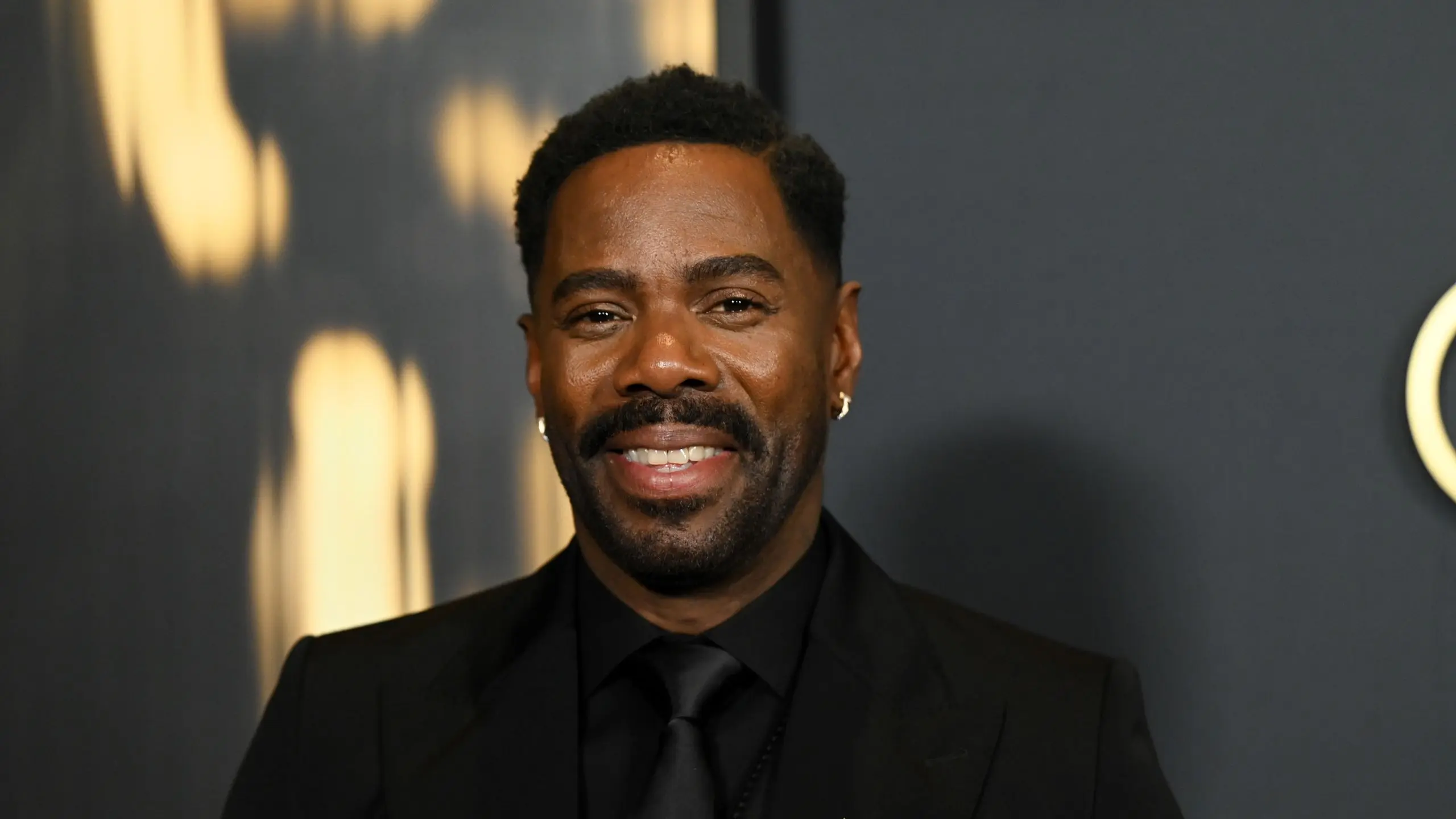
The filing also points to Danny Huston and Gil Birmingham. Salkin says she suggested both actors for Sovereign Nation and that they later appeared in Yellowstone in roles she considers structurally similar. These are claims made by the plaintiff and her lawyers. They have not been tested by a judge or jury.
Why a lawsuit cannot claim ownership of a genre
The complaint itself draws a line between an unprotected idea and a protected expression. A person cannot copyright the existence of a powerful family, a land dispute, a casino, or a modern Western as broad concepts. The legal argument is that the combination, arrangement, and presentation of those elements were copied after the defendants had access to Salkin’s work.
That distinction will matter if the case moves forward. Similar subject matter can appear in different shows without proving infringement, while a court can examine whether the details, structure, and production history point to something more specific. Fans comparing scenes online may keep the story moving, but those comparisons are not a legal finding.
Yellowstone is a much bigger target now
Yellowstone ran for five seasons and became the center of a growing television franchise. Its prequels 1883 and 1923, along with Marshals and Dutton Ranch, expanded the Dutton family’s world after the original series became a major hit for Paramount. The show also helped make Sheridan one of the busiest creators in television, with series including Mayor of Kingstown, Tulsa King, Lioness, and Landman.
Salkin is seeking an injunction and unspecified damages that could include profits connected to Yellowstone. The requested relief does not mean she will receive those profits, and it does not mean the franchise is in immediate danger. It explains why a lawsuit filed years after the show’s premiere can still carry large stakes.
No public response has changed the picture yet
Representatives for Sheridan, Paramount, and NBCUniversal did not respond to TheWrap’s request for comment at the time of publication. The Independent also reported that it contacted the parties. No public court ruling has found that Yellowstone copied Sovereign Nation, and the defendants have not been shown to admit the allegations. For comparison, Pixel Twelve has also covered another entertainment copyright lawsuit involving Netflix.
For now, the settled fact is that Salkin filed the case. Whether Sovereign Nation and Yellowstone share protectable expression will depend on the evidence and the court’s decisions, not on the headline alone. Do the alleged parallels sound like specific overlap, or like material two modern Western dramas could reach independently?