
Netflix is facing a lawsuit over a problem that sounds difficult to believe at a company built around digital movies. A hard drive containing an unreleased Nicolas Cage film was allegedly stolen from one of its Los Angeles offices. The producers of Fortitude are asking for at least $105 million, arguing that the missing unencrypted copy could damage the movie before it has been legally released.
The $105 million is a demand in the lawsuit, not money Netflix has been ordered to pay. No court has decided who is responsible, and Netflix says there is no evidence that Fortitude has leaked online.
What the Producers Say Happened
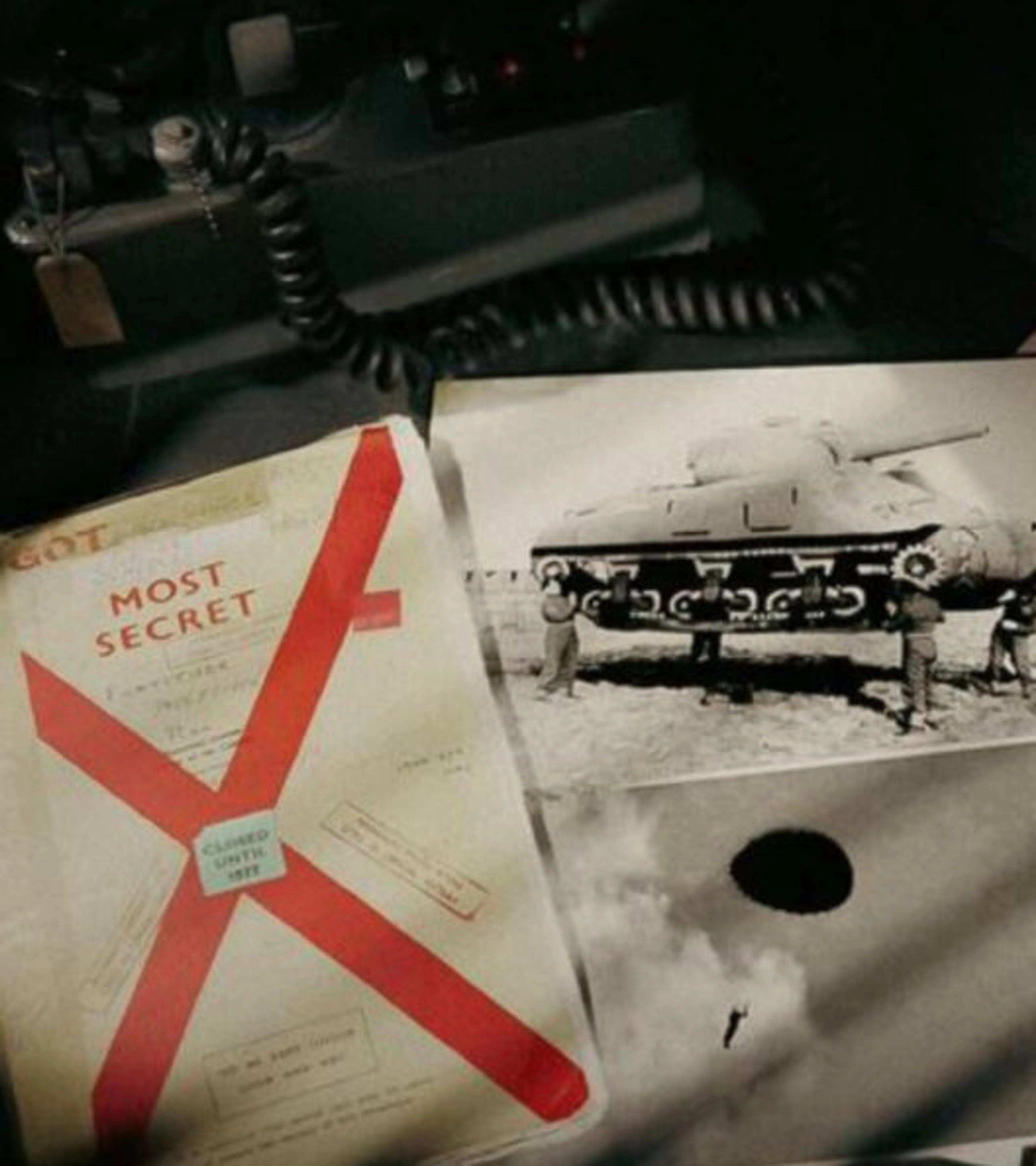
According to the complaint, a producer hand-delivered the movie to Netflix's office at Sunset Bronson Studios on June 15. The company was supposed to watch Fortitude and consider whether it wanted to buy or distribute it. The film was stored on a digital cinema package, or DCP, which is a set of digital files used to store and screen a finished movie.
About ten days later, a Netflix executive reportedly told the filmmakers that someone had stolen several hard drives from office desks. The drive containing Fortitude was among them. The producers say Netflix knew their copy was not encrypted, so it could be opened, watched, copied, or shared without a security key.

Writer and producer Simon Afram says he spent more than $45 million and seven years making the film. His lawsuit argues that the possibility of an illegal copy appearing online makes Fortitude harder to sell and could destroy the value of an official release. The court has not accepted that calculation, and the producers still have to prove both Netflix's responsibility and the amount of any financial damage.
Netflix Says It Is Not Responsible
Netflix rejects the claim that it should carry the loss. The company says the filmmakers delivered Fortitude without the security protections normally used for unreleased material. Netflix also points out that it does not own the movie and had only received a copy for review.
The streamer says it investigated the theft and offered to monitor piracy sites for any unauthorized sale or release. It has not found evidence that the movie is online. Netflix has also refused to share details of its ongoing investigation with Afram's lawyers, accusing them of taking a hostile approach and initially demanding $165 million.
The basic facts create a difficult argument for both sides. The drive was unencrypted before it arrived, but it was also reportedly stolen after it entered a Netflix office. The case may depend on what security Netflix agreed to provide, who had control of the drive, and whether the producers can show that the theft caused a real loss instead of only creating a future risk.
What Is Fortitude?
Fortitude is a World War II espionage thriller directed by Simon West, the filmmaker behind Con Air. Nicolas Cage plays Dusko Popov, a real Serbian double agent who worked with British intelligence and is often described as one of the people who helped inspire Ian Fleming's James Bond.
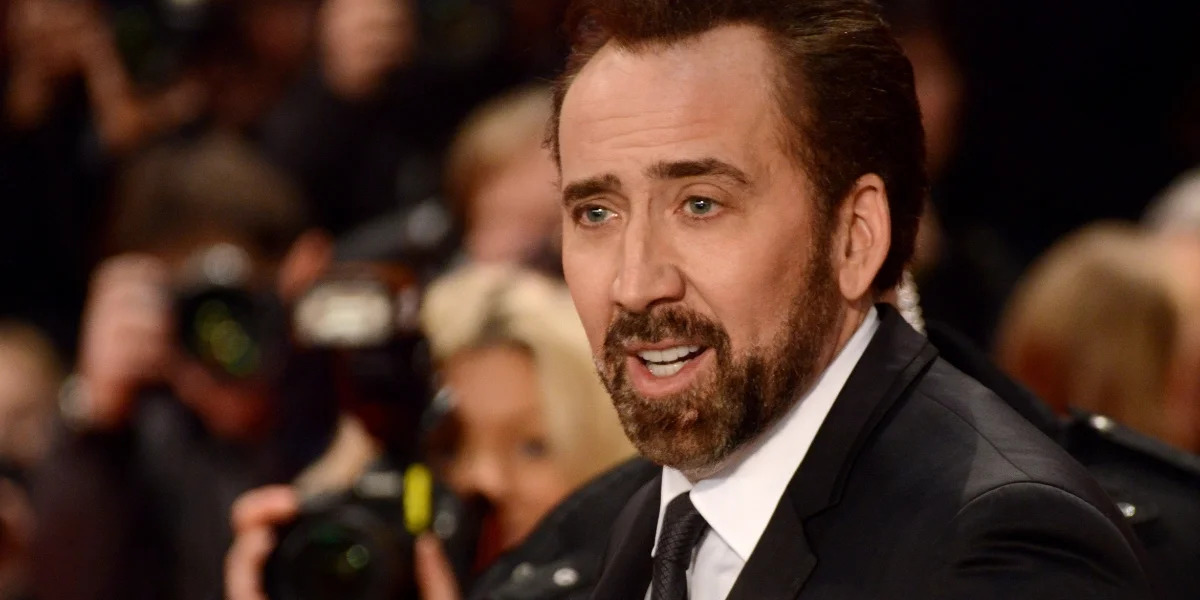
The story follows British intelligence operations designed to mislead Nazi leaders about Allied military plans. The cast also includes Ben Kingsley, Matthew Goode, Michael Sheen, Ron Perlman, Ed Skrein, and Alice Eve.
Fortitude does not have a confirmed release date. The stolen drive does not automatically mean the film is gone forever. The immediate concern is that someone outside the production may have a complete, playable copy while the producers are still trying to find a distributor.
If Fortitude never leaks, Netflix can argue that the producers are asking for a huge payment over damage that may not happen. The filmmakers can answer that an unreleased movie becomes harder to sell as soon as nobody can guarantee where a copy may be. That disagreement is now for the court to examine.
Who carries more responsibility here: the producer who delivered an unencrypted copy, or the company that allegedly allowed it to disappear from its office?